Do African Buffalo Vote? How Cape Buffalo Herds Decide Travel Direction
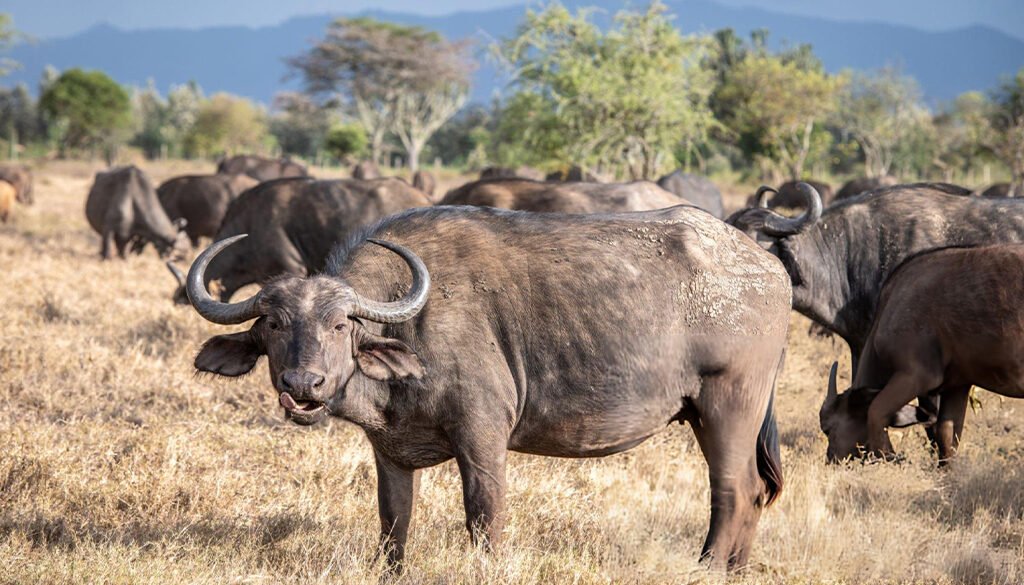
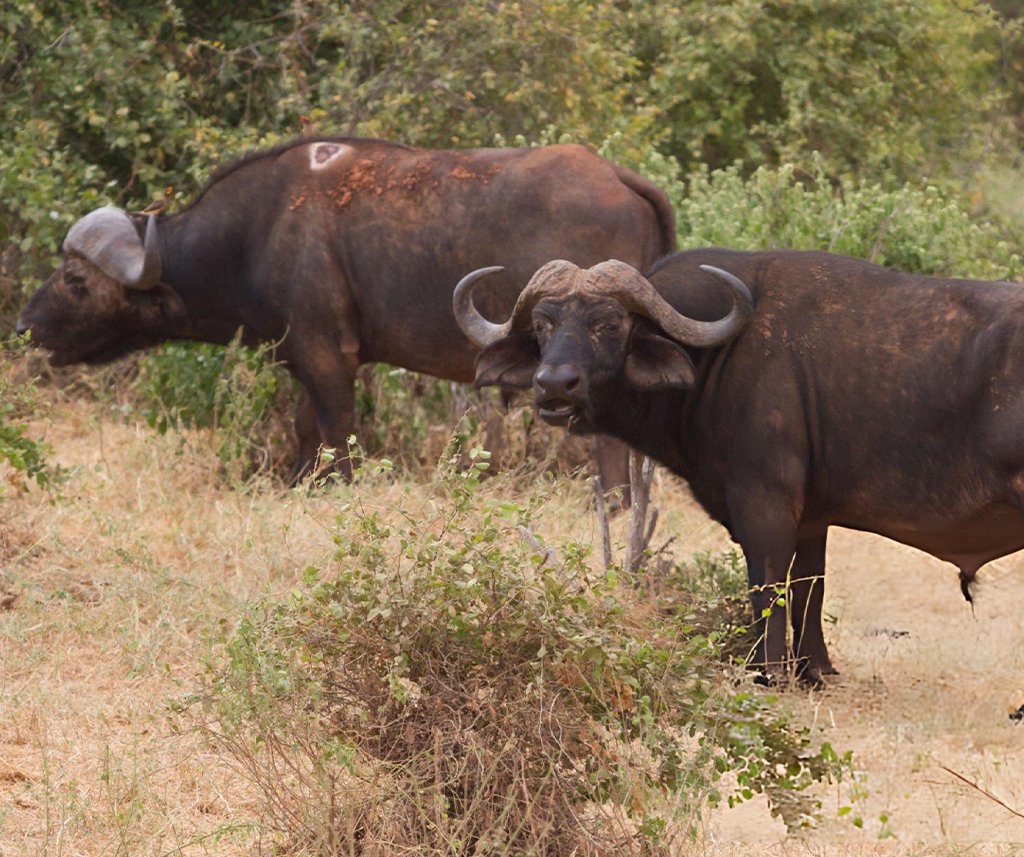
Do African buffalo vote? Yes, they do so through a remarkably subtle form of animal democracy: individual herd members cast physical votes using their body orientation while resting, staring intently in their preferred direction of travel. When the resting period ends, the herd aggregates these silent votes and moves in the direction favored by the majority—averaging out individual preferences with uncanny precision.
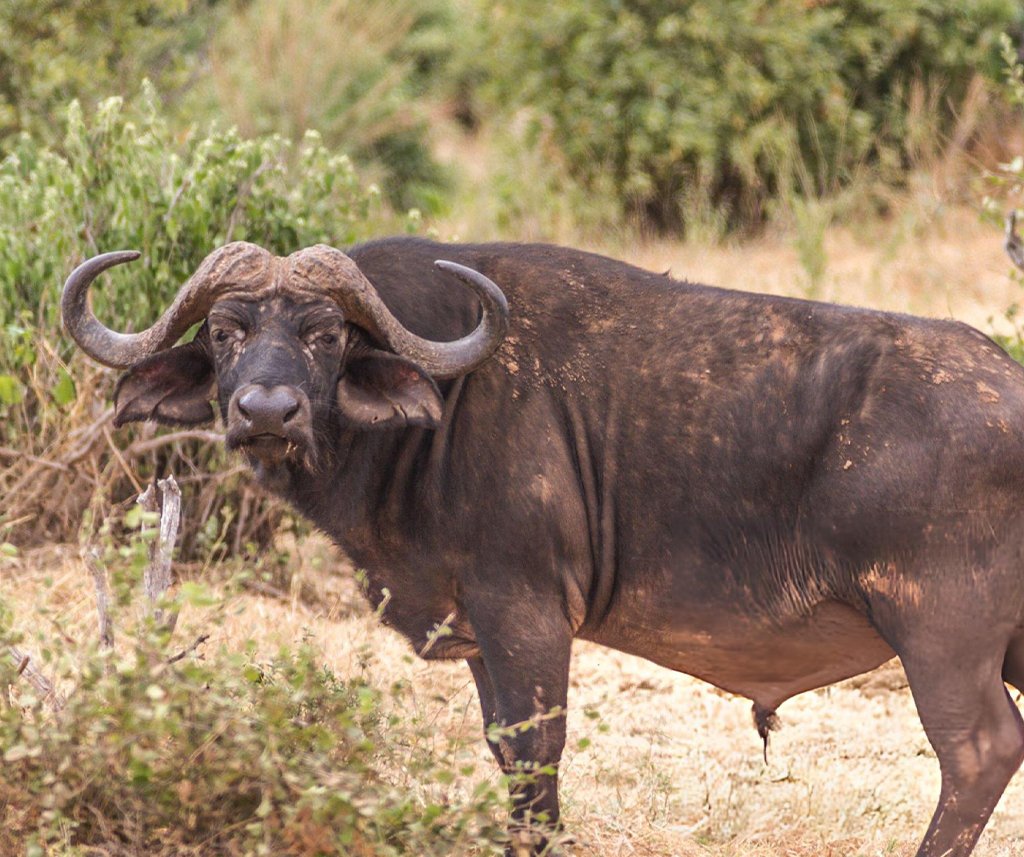
What makes this democratic system even more intriguing is who gets to vote—and who doesn’t. In Cape buffalo society, voting rights are strictly held by adult females, regardless of their social hierarchy or dominance rank. The massive, battle-scarred bulls that guard the perimeter of the herd have no say in the destination. Nor do the younger calves or sub-adults. The decision rests entirely with the adult cows. Evolutionary biologists suspect this is because nursing and pregnant cows carry the highest nutritional and physiological burdens in the herd; their need for water and high-quality forage dictates the collective survival of the entire group.
Key Takeaways: Buffalo Democratic Decision-Making
Aspect | Mechanism / Rule |
Voting Method | Body orientation and gaze direction while resting |
Voter Eligibility | Adult females only (nursing and pregnant cows) |
Decision Threshold | Mathematical average of gaze vectors (majority rule) |
Deadlock Solution | Temporary herd splitting into sub-groups |
How African Buffalo Behavior Dictates Group Consensus
Understanding African buffalo behavior reveals how collective intelligence functions in nature. The herd does not simply follow one dominant matriarch. Instead, as individuals begin to walk, their paths blend together into a consensus heading that represents the mathematical average of all the gaze directions registered over the preceding hours. When researchers mapped the distribution of individual gaze vectors against the actual path taken by the herd, the average deviation was astonishingly small—often less than three degrees off from the group’s mathematical mean.
No single buffalo possesses complete information about the entire landscape. One cow knows where the water is; another knows where the predators were spotted yesterday; a third knows where the richest grazing lies. By pooling these individual observations into a shared behavioral vote, the herd arrives at a decision that optimizes the group’s overall safety and nourishment.
Navigating Political Deadlock on the Savanna
When studying african buffalo behavior, scientists observed that democracy is not always seamless, even on the African savanna. On days when the votes are sharply divided—say, half the cows strongly favor moving north toward rain-fed pastures, while the other half favor moving west toward a secure water source—the herd experiences political deadlock.
When the gaze directions are too polarized to yield a clear mathematical average, the herd does something remarkable: it temporarily splits. One faction moves off toward the north, while the other moves west. They graze in separate sub-groups for the evening, satisfying their respective needs, and often reunite a day or two later at a familiar landmark.
This democratic flexibility highlights a crucial advantage of consensus-based decision-making. In a system governed by a single autocratic leader, a bad decision by one individual can lead an entire herd into a dry riverbed or a lion ambush. By distributing decision-making power across hundreds of experienced herd members, Cape buffalo minimize the risk of catastrophic error.
The Evolutionary Power of Animal Democracy
Why has this specific form of African buffalo behavior evolved so successfully over millions of years? The answer lies in risk mitigation. In large ungulate herds, individual survival is directly tied to group cohesion. However, cohesion at the expense of individual physiological needs can lead to population decline.
By allowing individual gaze directions to aggregate into a single spatial vector, the herd effectively runs an analog algorithm that solves complex environmental optimization problems without centralized leadership.
When asking do african buffalo vote, it helps to compare them with other social species:
-
Egalitarian Voting: Adult females contribute equal weight to the spatial vector regardless of age or aggression levels.
-
Protection of Vulnerable Members: Female nutritional needs dictate movement, ensuring calves receive sufficient milk production.
-
Conflict Resolution: Splitting and re-merging prevents infighting or herd abandonment when resource needs diverge sharply.
Through these intricate social mechanics, the Cape buffalo demonstrates that democratic consensus is not merely a human invention, but a vital biological strategy for survival in harsh habitats.
Frequently Asked Questions
How do researchers measure if African buffalo vote?
Ecologists observe resting herds over extended periods, mapping each adult female’s orientation relative to magnetic north. When the herd stands up to move, the initial collective bearing is recorded and compared against the average direction of the resting gaze vectors.
Do male buffalo ever get to vote?
No. Dominant and sub-adult bulls guard the herd perimeter or live in separate Bachelor herds, but they defer to the adult cows when deciding spatial movement vectors.
What happens if the vote is a complete tie?
When gaze orientation shows two distinct, strongly favored directions, the herd temporarily splits into smaller sub-groups, reuniting at a shared landmark later.