
Essential Sustainable Travel Tips
Master your eco-friendly journey with these actionable sustainable travel tips. Learn how to protect marine life, respect wildlife boundaries, and empower communities.
The Global Eco-Traveler Manual
Master Your Sustainable Travel Strategy
When exploring the natural world, the choices we make directly impact the survival of fragile ecosystems and the magnificent creatures that inhabit them. Shifting our habits transforms traditional vacations into powerful tools for environmental conservation and community empowerment.
To achieve this balance, modern adventurers must learn how to navigate sensitive habitats without leaving a destructive footprint. This comprehensive guide breaks down actionable sustainable travel tips to help you minimize your ecological impact, support local livelihoods, and engage ethically with the wild.
Core Principles of Sustainable Travel
Action Pillar | Core Objective | Key Practice |
Environmental Stewardship | Minimize resource consumption and waste | Practice the 3Rs, reduce carbon footprints, and switch off utilities. |
Ethical Sourcing | Support local economies without exploiting nature | Buy locally produced crafts; reject illegal wildlife souvenirs. |
Respectful Engagement | Honor indigenous cultures and natural boundaries | Seek permission before filming; maintain a safe distance from wild animals. |
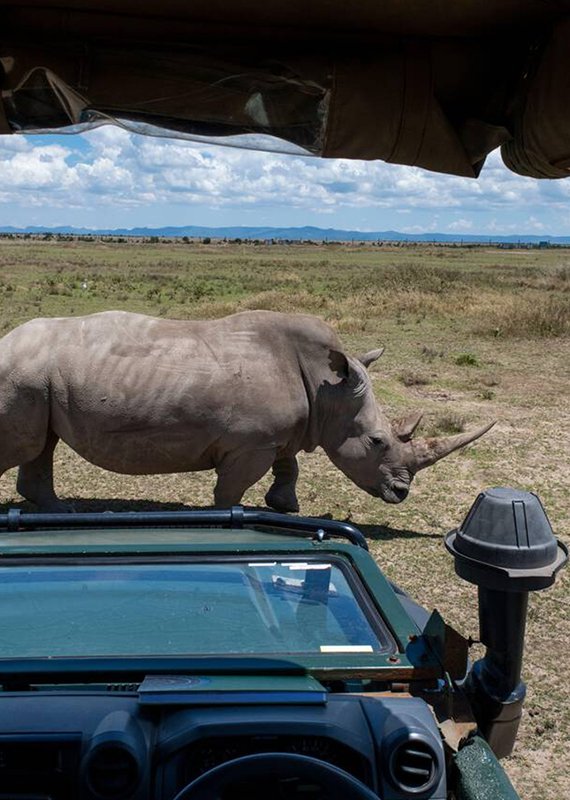
Ethical Guidelines for Protected Areas and Wildlife Viewing
Observing animals in their native habitats is a profound privilege that demands strict adherence to ethical boundaries. When entering national parks, marine reserves, or protected wilderness sanctuaries, human visitors must always defer to the needs of the resident fauna.
1. Maintain Safe Distances and Boundaries
Always keep a respectful, safe distance from all wild animals. Chasing, cornering, or restricting the movement of a creature causes severe psychological stress and can provoke dangerous defensive behaviors. If you are viewing wildlife from a safari vehicle, ensure the driver stays strictly on designated roads. Off-road driving destroys micro-habitats, crushes fragile flora, and disrupts subterranean burrows.
2. Eliminate Visual and Auditory Disruptions
When photographing wildlife, never use a camera flash, as sudden bursts of light can blind, startle, or disorient animals, making them vulnerable to predators. Keep noise levels to an absolute minimum. Loud talking or engine revving can disrupt crucial animal behaviors, such as hunting, mating, or nursing young.
3. Never Feed or Bait Wild Animals
Offering food to wild animals severely alters their natural foraging behaviors, creates dependency on humans, and frequently leads to dangerous human-wildlife conflicts. Human food can also be toxic or fatal to wild species. Enjoy nature purely in its unaltered state, leaving no trace of your presence behind.
Preserving Marine Ecosystems and Sea Life
Our oceans are facing unprecedented ecological pressures, making responsible behavior during water-based activities more critical than ever. Whether you are snorkeling over coral reefs or taking a boat tour, your actions under the surface carry immense weight.
1. Guard the Coral Reefs
When swimming, snorkeling, or scuba diving, be exceptionally mindful of your fins. Never touch, step on, or anchor boats directly onto coral reefs. Coral structures are living colonies of fragile organisms that take decades to grow; a single misplaced step can destroy a century of natural development. Ensure all diving equipment, gauges, and backup regulators are tightly secured to your body so they do not drag across the seabed.
2. Choose Reef-Safe Sun Protection
Standard sunscreens contain chemical compounds like oxybenzone and octinoxate, which induce coral bleaching even in microscopic concentrations. Always select certified “reef-safe” mineral sunscreens that utilize non-nano zinc oxide or titanium dioxide to shield your skin without poisoning marine life.

Supporting Local Communities and Protecting Heritage Sites
True sustainability encompasses both environmental preservation and human welfare. Indigenous communities and historical heritage sites are the dual pillars that keep wild places protected.
-
Respect Cultural Privacy: Always ask explicit permission before taking photos of local people, their children, or their homes.
-
Honor Sacred Space: Dress modestly when visiting sacred architectural sites, and never climb, deface, or remove stones from ancient ruins.
-
Keep Revenue Local: Economically empower the communities you visit by purchasing authentic, locally made handicrafts directly from artisans rather than mass-produced imports.
-
Reject Wildlife Trade: Avoid buying any souvenirs crafted from animal parts, such as shells, teeth, feathers, or hides. These purchases directly fuel illegal poaching networks and violate global conservation laws.
Final Blueprint for the Responsible Adventurer
By integrating these ethical practices into your global travel itineraries, you transform from a passive consumer of nature into an active guardian of the earth. Always pack reusable water bottles, cloth napkins, and eco-friendly toiletries to minimize your waste footprint in remote areas. Remember that sustainable exploration isn’t about perfection; it is about making conscious, deliberate choices that protect the planet’s most vulnerable wild spaces for generations to come.
THE ALLIANCE
Collaborating for a Wild Future
True conservation is a collective effort. We are proud to partner with the world’s leading protectors of wildlife and local Kenyan conservancies to ensure that every safari we lead contributes to the scientific study and physical protection of East Africa’s biodiversity.