Are Baboons Dangerous? The Truth Behind Primate Violence
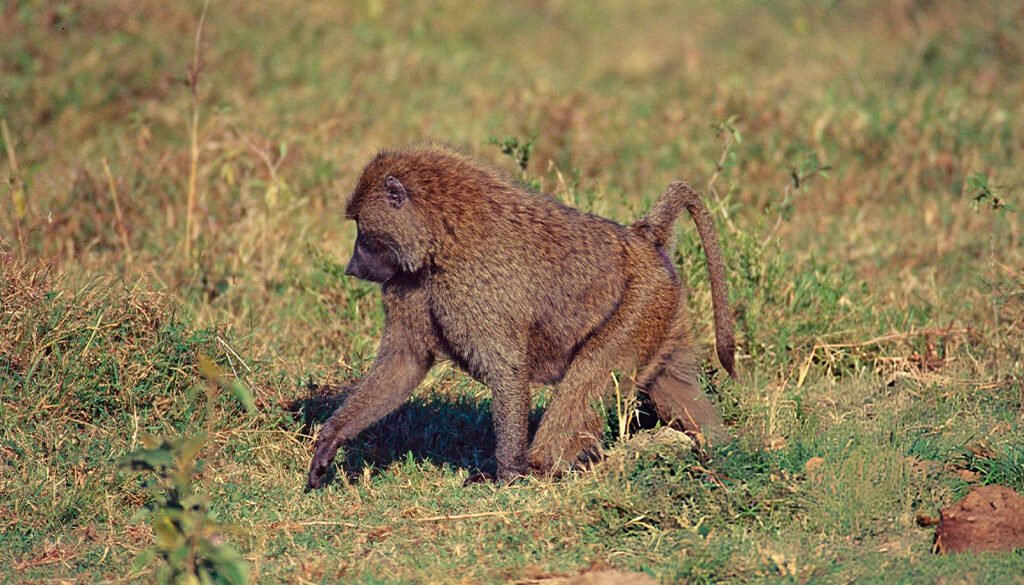
Why are baboons dangerous, and why are they widely considered the most aggressive primates on Earth? The answer comes down to a high-stakes evolutionary gamble: baboons’ live ground-based lives in open savannas where survival demands brutal collective defense against top predators, while internally, their social hierarchy operates on a relentless, high-pressure battle for dominance, mating rights, and resources. Unlike forest-dwelling monkeys that can vanish into canopy leafy retreats, a baboon cannot simply hide. Every single day on the open plain is an exercise in survival, where strength, intimidation, and raw force determine who eats, who breeds, and who lives to see another sunrise.
Understanding Savanna Predators and Defensive Weapons
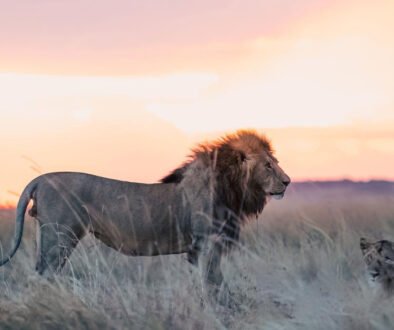
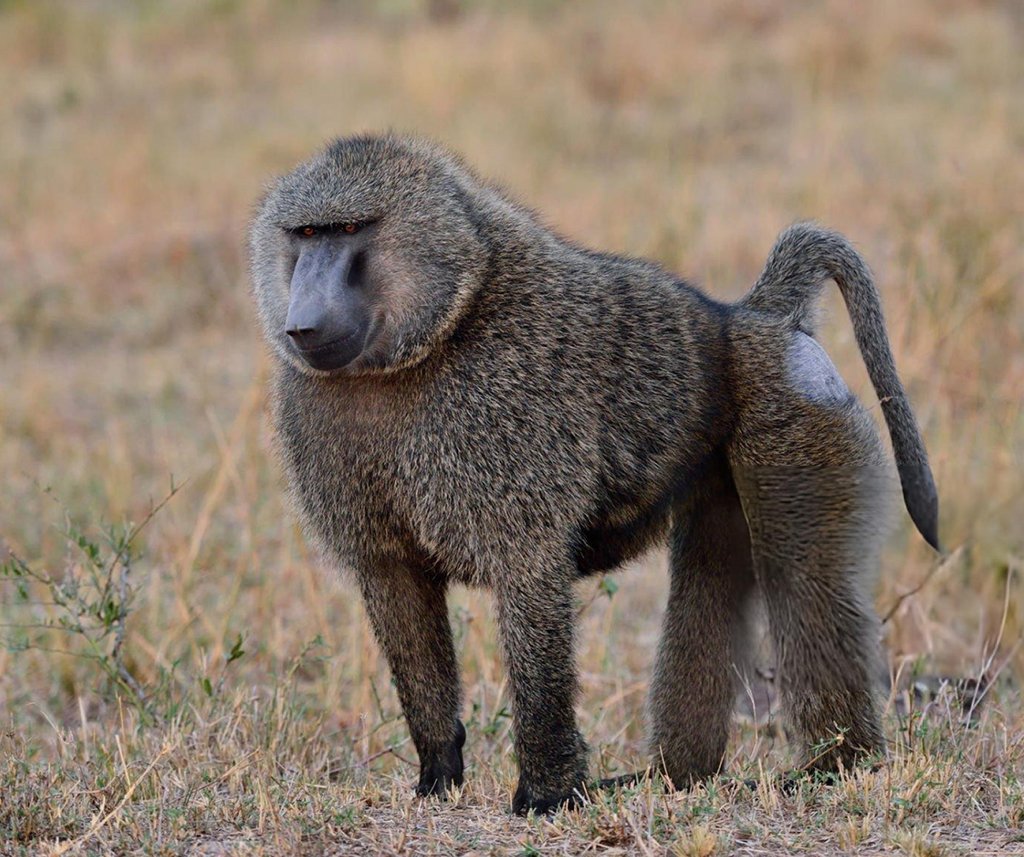
To truly understand why baboons are dangerous, you first have to look at where they live. Most monkeys spend their lives suspended in the relative safety of the treetops, but baboons are primarily ground dwellers. Ranging across vast African savannas, grasslands, and semi-deserts, they share their territory with nature’s deadliest killers—lions, leopards, hyenas, and wild dogs. On the open ground, speed alone isn’t enough to escape a predator, so baboons evolved to fight back as a unit. Male baboons are equipped with formidable biological weapons, most notably dagger-like canine teeth that can measure up to two inches long—longer than those of an adult lion—backed by massive jaw muscles and a broad upper body built for heavy impact. When a troop is threatened, adult males will form a defensive perimeter, charging apex predators with terrifying barks, flashing teeth, and unified force. This evolutionary requirement to maintain extreme violent potential against external threats naturally bled into their internal social dynamics.
Social Hierarchy, Dominance, and Constant Stress
Inside a baboon troop, which can number anywhere from twenty to over one hundred individuals, life is governed by a strict, unforgiving hierarchy. For males, rank is rarely permanent; it is fought for and constantly tested. Becoming the alpha male offers enormous biological rewards, most notably primary access to fertile females and prime feeding spots. Because spreading one’s genes is the ultimate driver in natural selection, male-on-male competition is vicious. Alpha males do not simply secure their throne and relax. They exist in a constant state of physiological and physical stress, perpetually guarding fertile females from rivals while defending their position against ambitious younger males. Biological studies tracking hormone levels in wild baboons have revealed that alpha males suffer from astronomically high levels of stress hormones like cortisol. They age faster and face immense energetic costs just maintaining their grip on power. The pressure to display dominance means that even minor gestures—a raised eyebrow, a hard stare, or an exaggerated yawn that displays those razor-sharp canines—are used as psychological warfare to keep subordinates in line. When subtle threats fail, conflicts explode into brutal physical clashes that can leave animals badly scarred or permanently injured.
Female Matrilines, Resource Bullying, and Male Coalitions
While male baboons dominate the headlines with explosive violence, the backbone of baboon society is actually female. Female baboons inherit their social rank directly from their mothers through matrilineal lines, creating stable, lifelong social cores within the troop. However, this female hierarchy brings its own subtle and persistent form of aggression. Higher-ranking females aggressively monopolize access to food and water, frequently chasing lower-ranking females away from choice feeding trees or waterholes. This social bullying isn’t just about pride; it directly affects survival and reproductive success. High-ranking females produce healthier infants and raise them with lower mortality rates, while low-ranking females suffer chronic stress, malnutrition, and higher infant loss. To navigate this hostile social landscape, baboons rely heavily on tactical alliances and friendships. Subordinate males will often cultivate long-term, gentle relationships with specific females, grooming them and protecting their offspring in exchange for mating opportunities later on. In other cases, lower-ranking males form dynamic coalitions to jump higher-ranking individuals, proving that in baboon society, brainpower and social maneuvering are just as crucial as brute force.
The Brutal Evolutionary Tactic of Infanticide
There is a dark, tragic side to baboon aggression that highlights just how extreme their social competition can be: the phenomenon of infanticide. When a foreign or rising male successfully overthrows an established alpha male, he faces a biological roadblock. Nursing females do not enter estrus, meaning they cannot become pregnant again while caring for an unweaned infant. To force these females back into reproductive readiness, a newly dominant male will sometimes target and kill the unweaned offspring of the former leader. While horrifying from a human perspective, this cold evolutionary tactic accelerates the new male’s ability to pass on his own genetic line before his short, stressful tenure at the top comes to an end. In response, females have evolved counter-strategies, such as mating with multiple males to create paternity uncertainty or seeking protection from strong male “friends” who will defend the infant against the new alpha.
Comparing Baboons to Other Primates
When compared to other primates, the reason why are baboons dangerous becomes even clearer. Chimpanzees engage in coordinated, territorial warfare against neighboring troops, but within their own group, they balance aggression with frequent reconciliation and communal bonding. Bonobos resolve conflict through social touching and play, maintaining an extraordinarily peaceful matriarchal culture. Baboons, however, live in an environment where hyper-vigilance and aggressive posture are continuously required both outside and inside the troop. They are a living testament to how severe environmental pressure and high-stakes social competition forge an animal built for conflict. Yet beneath this wall of teeth, tension, and power plays lies one of the most sophisticated social networks in the animal kingdom, where every flash of anger and every groom is a calculated move in a lifelong game of survival.