How Do Lion Prides Avoid Inbreeding?
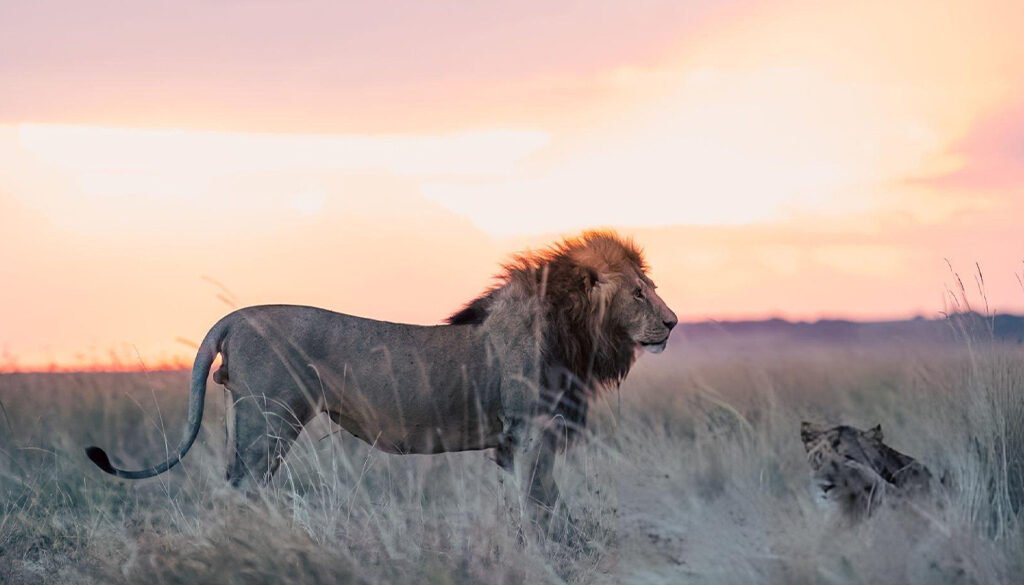
How do lion prides avoid inbreeding and preserve the genetic strength of their species across the vast African wilderness? They do so through a remarkable combination of forced banishments, migratory coalitions, territorial battles, and subtle behavioral choices that nature has perfected over millions of years.
The cornerstone of this natural defense mechanism begins with a dramatic social divide between males and females within the pride. Lion prides are fundamentally matriarchal societies composed of related females who often spend their entire lives on the exact same home range. The young females born into the pride grow up, integrate into the hunting pack, and remain to raise the next generation. Male cubs, on the other hand, face a radically different fate. As young males reach sexual maturity, usually between two and three years of age, their presence begins to trigger aggression in the pride’s dominant adult males. Before these young males ever have the chance to mate with their mothers, sisters, or half-sisters, the resident pride males violently force them out of the territory.
The Exile of Young Nomads
This eviction pushes young males into a perilous nomadic phase of life. Cast out from the only family they have ever known, these young sub-adults must wander vast distances across unfamiliar and dangerous landscapes. To survive without the hunting prowess of a full pride, young brothers or cousins often stay together, forming strong bonds known as male coalitions. Sometimes, unrelated nomadic males meet along the journey and join forces out of necessity. These coalitions wander the fringes of established territories for years, honing their hunting skills, growing larger and stronger, and learning how to defend themselves. By forcing young males to disperse across the landscape, nature ensures that their genetic material travels far away from their natal pride. How lion prides avoid inbreeding during this vulnerable nomadic stage comes down to wide geographic dispersal, which forces genetic lines to mix across distant geographic regions.
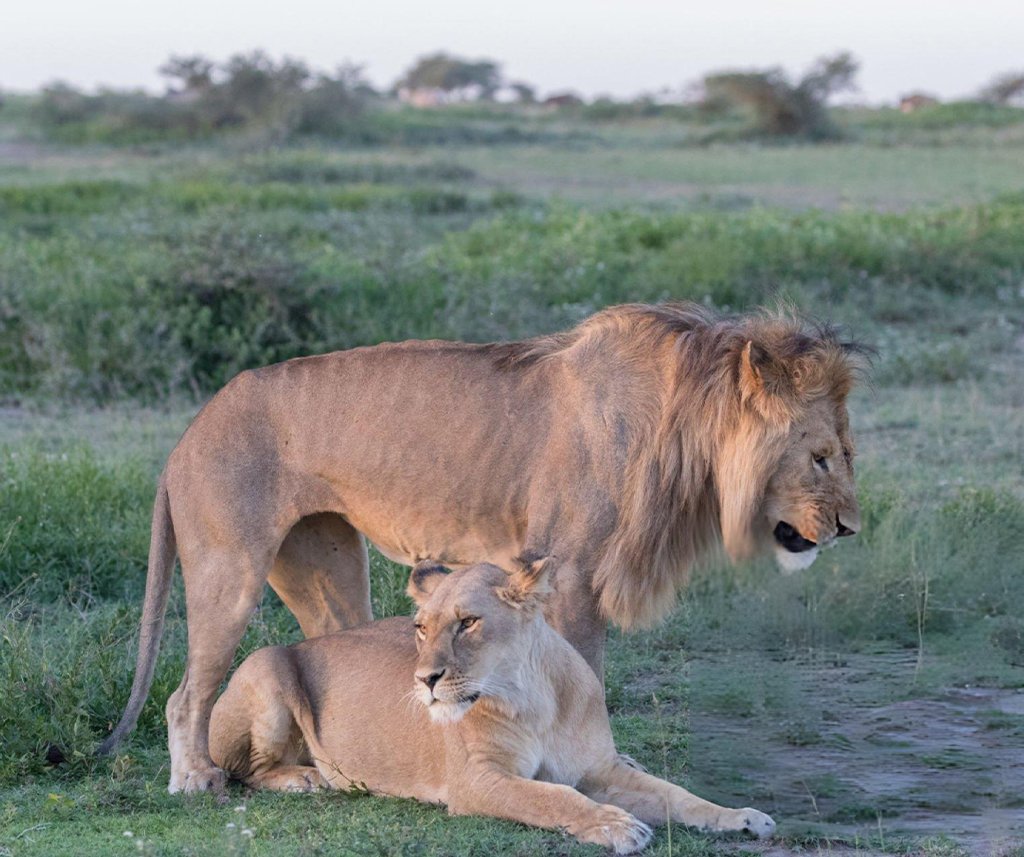
When these male coalitions reach full prime—around five to six years of age—they seek out a new pride of their own. Rather than returning home, they challenge the dominant males of an entirely distant, unrelated pride. If successful, they drive off or kill the reigning males and take control of the territory, claiming exclusive mating rights to the pride’s females. This takeover establishes a complete shift in the pride’s genetic lineage. Because the incoming males are completely unrelated to the resident females, the offspring they sire inherit fresh, diverse genetic traits, effectively eliminating the risk of close inbreeding for that entire generation of cubs.
Territorial Turnover and Biological Timers
Nature adds another clever layer of timing to this system that prevents a male from ever mating with his own adult daughters. The tenure of a dominant male coalition over a pride is notoriously short and brutal. Constantly targeted by rival nomadic coalitions eager to claim prime territory, most dominant males can only defend a pride for an average of two to three years before being ousted by younger, stronger contenders. Because it takes roughly three years for a newborn female cub to reach reproductive maturity, the fathering males are almost always replaced or driven away by a fresh coalition of foreign males right around the time their daughters come of age. This natural turnover creates a biological timer that ensures a father rarely remains in power long enough to sire offspring with his own daughters.
Even in rare instances where a dominant male manages to hold onto a pride for an unusually long time, secondary behavioral mechanisms come into play. Female lions demonstrate a clear behavioral preference for unfamiliar males. When a male remains in a pride long enough for his daughters to reach maturity, those young females often show reluctance to mate with him, recognizing familiar scent cues and social bonds established during their cubhood. In some cases, young females will temporarily stray toward the boundaries of their territory to mate with neighboring males or passing nomads, actively seeking genetic variation when the resident male situation becomes static.
Evolutionary Adaptation and Instinctual Dispersal
To understand how lion prides avoid inbreeding, one must look at the evolutionary pressure of high-mortality landscapes. Inbreeding depression leads to reduced fertility, weakened immune systems, and higher infant mortality rates. Over millions of generations, natural selection heavily favored prides that enforced strict dispersal regimes. The behavioral drive for young males to wander and for females to reject close male relatives became deeply encoded in their instinctual hardwiring.
Additionally, coalition dynamics amplify this genetic mixing. When coalitions of two to four males conquer a new pride, they bring multiple ancestral lines from outside regions. Even within a coalition, subtle dominance hierarchies determine mating priority, adding another barrier against genetic bottlenecking. This social structure allows lion populations across continuous savanna habitats to maintain surprisingly high levels of heterozygosity despite living in isolated territorial groups.
Female Choice and Boundaries
The role of female mate choice is often understated in big cat ecology. While dominant males fiercely guard their access to pride females, lionesses exert considerable subtle control over reproductive outcomes. If an aged male overstays his welcome and attempts to mate with his mature daughters, female reluctance causes significant delays in mating cycles. By delaying estrus or actively seeking out nomadic males along territory fringes, females prevent genetic stagnation. Furthermore, territorial shifts—where lion prides temporarily expand or contract their boundaries during seasonal prey migrations—bring pride females into contact with roaming males from distant territories, facilitating gene flow across vast geographic distances.
The Impact of Habitat Fragmentation
In modern conservation science, understanding how lion prides avoid inbreeding is critical for managing wild populations. In large, unbroken ecosystems like the Serengeti or the Maasai Mara, natural dispersal mechanisms function seamlessly. Males can wander hundreds of kilometers to find unrelated prides. However, in smaller, fenced reserves or fragmented landscapes, young males cannot disperse freely, creating artificial barriers that disrupt thousands of years of evolution. Conservationists must actively intervene in these isolated environments by moving adult males between reserves to mimic the natural takeover cycles that wild lion prides rely on to survive.