How Many Hours Do Lions Sleep a Day?
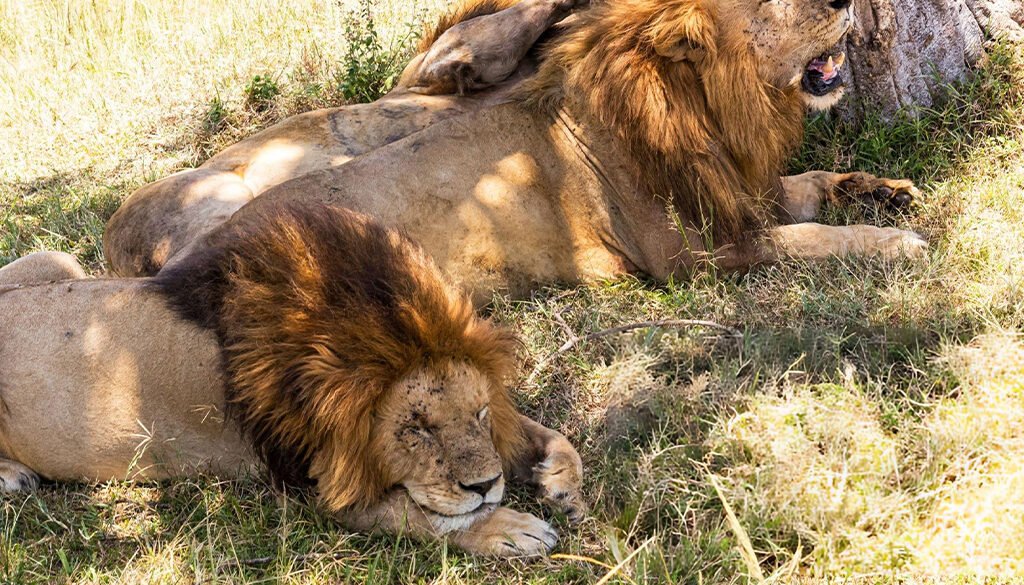
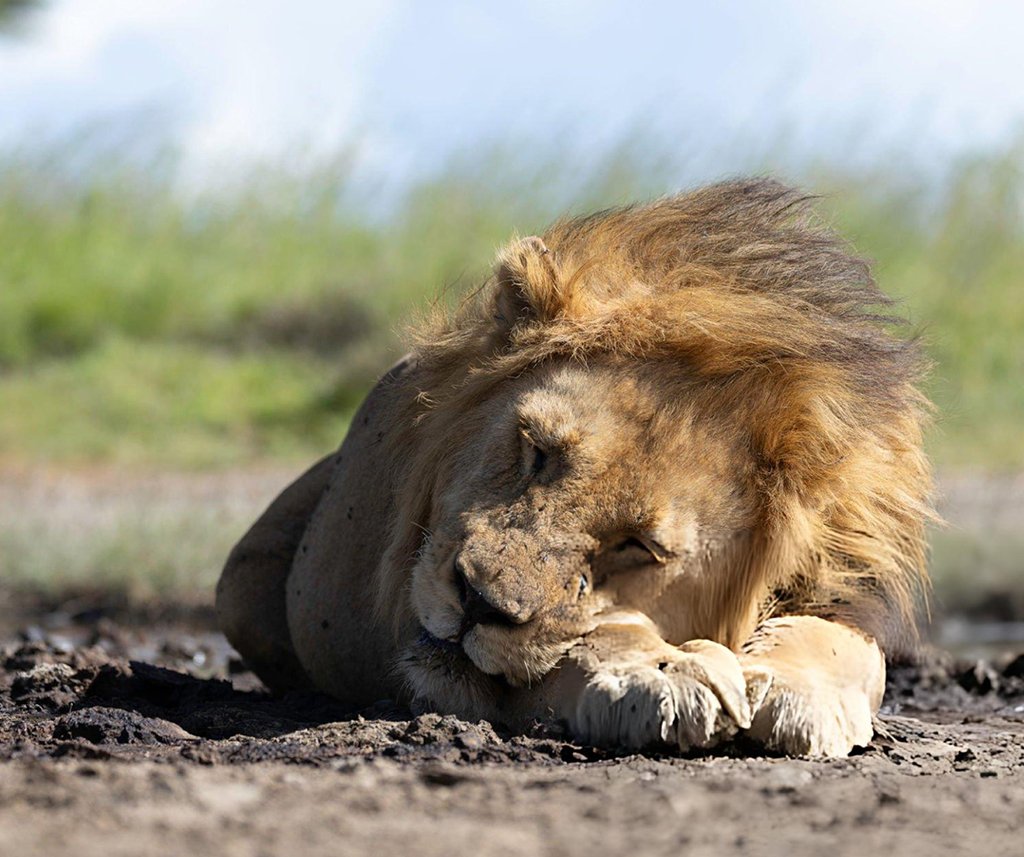
How Many Hours Do Lions Sleep a Day? Lions spend between sixteen and twenty hours every single day asleep or resting. That means they spend nearly three-quarters of their entire life knocked out cold. Male lions, in particular, are the absolute champions of lounging, routinely clocking in up to twenty hours of shut-eye a day. To put that into perspective, if a human tried to sleep that much, doctors would be deeply concerned, but for a lion, it is a masterclass in survival.
The Biological Power Cell: Charging Up for High-Octane Action
But why on earth would one of the most powerful carnivores on the planet spend so much time doing absolutely nothing? To understand this lazy lifestyle, we have to look at how a lion’s body works and how it thrives in one of the most unforgiving environments on Earth. When people wonder how many hours do lions sleep a day, they are often surprised to learn that this inactive behavior is directly linked to their explosive hunting strategy.
Lions are built for raw power, explosive speed, and intense bursts of energy, not for endurance running. When a pride goes on a hunt, they aren’t trotting along for miles like a pack of wolves. They creep through the tall grass, getting as close to their prey as humanly possible, and then unleash a terrifying, high-octane sprint that demands every ounce of muscle power they possess. Wrestling a seven-hundred-pound zebra or a massive wildebeest to the ground burns through calories at an astronomical rate. This kind of high-stakes, short-duration hunting drains their physical energy fast. Sleep, then, becomes their most effective biological battery charger. Every hour spent lounging in the shade is an investment in the energy they will need for their next violent encounter.
Beating the African Heat and Surviving Scarcity
Then there is the issue of heat. The African sun can be brutal, with daytime temperatures easily soaring past one hundred degrees Fahrenheit. Running around in that kind of scorching environment would cause a lion to overheat rapidly and waste precious fluids through panting. By retreating to the shade of bushes, rocky outcrops, or thick canopy cover during the hottest hours of the day, lions conserve vital body water and keep their internal body temperatures stable. They essentially hibernate through the heat, waking up only when the sun begins to set and the cool night air takes over.
This nocturnal lifestyle plays right into their hands. Lions are crepuscular and nocturnal creatures, meaning they are most active during dusk, dawn, and the dead of night. Their eyes are equipped with a specialized reflective layer behind the retina called the tapetum lucidum, which amplifies even the faintest moonlight or starlight. While their prey struggle to see in the dark, a lion sees the night world with crystal clarity. Resting all day ensures they are at peak fitness when their vision gives them the ultimate tactical advantage over unsuspecting prey.
Heavy Diets and the Ultimate Food Coma
Diet also plays a massive role in their heavy sleeping habits. Lions are hyper-carnivores, eating an exclusively meat-based diet. When a hunt is successful, a single adult lion can gorge on up to ninety pounds of meat in a single sitting. Digesting that staggering amount of protein and fat requires an immense amount of metabolic energy. After a massive feast, a lion enters what can only be described as the ultimate food coma. Their digestive systems go into overdrive, diverting blood flow away from their muscles and toward their stomach, leaving them lethargic and practically immobile for days at a time while they process their massive meal.
It is during these post-feast periods that observers often ask how many hours do lions sleep a day, as lions can remain completely motionless for nearly the entire 24-hour cycle.
Light Drowsing vs. Deep Slumber
It is also worth noting that a lion’s sleep is not always a deep slumber. Much of those twenty hours is actually spent in a state of light resting or drowsing. They lie on their sides or bellies, ears twitching at the subtle sounds of the savannah, opening an eye whenever a bird calls out or a breeze rustles the nearby brush. This semi-alert state allows them to save energy while staying passively aware of their surroundings, particularly keeping an eye on young cubs or watching out for rival prides that might wander into their territory.