What Is the African Wild Dog Hunting Success Rate?
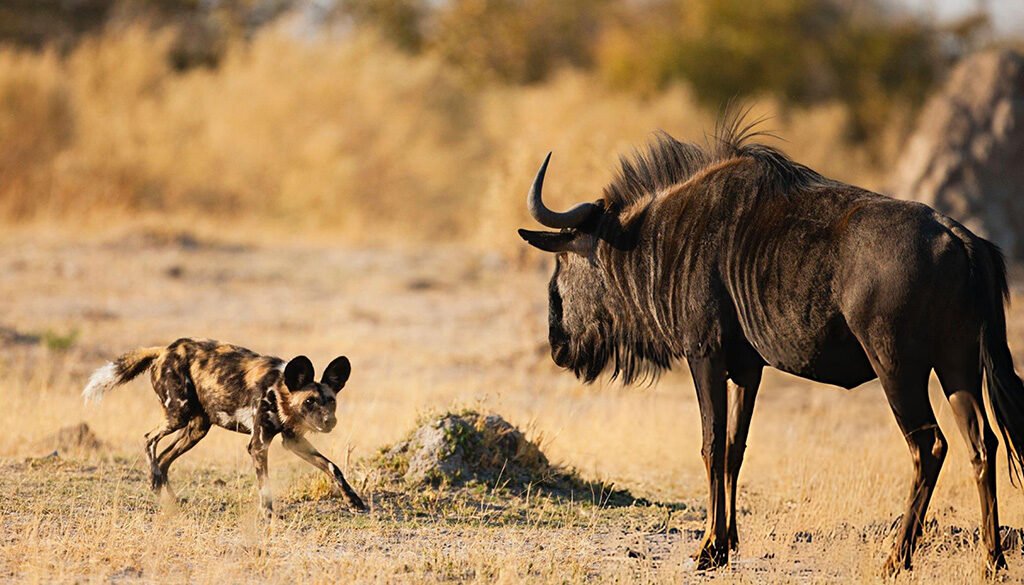
Studies consistently demonstrate that the African wild dog hunting success rate ranges between 60% and 90%. On average, across various African ecosystems—from the Okavango Delta in Botswana to the Kruger National Park in South Africa—packs secure a kill in roughly 80% of their attempts.
Key Tactical Secrets Behind Their Lethal Efficiency
The astonishing African wild dog hunting success rate is not an accident of nature; it is the result of evolutionary perfection in anatomy, social structure, and stamina.
1. Superior Stamina Over Short Speed
Unlike the cheetah, which exhausts its oxygen reserves in a matter of seconds, wild dogs are built for long-distance coursing. They can maintain pursuit speeds of up to 44 mph (71 km/h) over several kilometers. Prey animals like impalas, kudus, and wildebeests can outrun predators initially, but they cannot outlast the unrelenting marathon pace of a wild dog pack.
2. Cooperative Relay Tactics
During a pursuit, the pack operates as a single coordinated entity. If the target prey weaves, turns, or attempts to double back, secondary pack members cut corners to intercept it. Furthermore, individual dogs alternate positions: when the lead runner begins to tire, another dog surges forward to maintain maximum pressure on the prey.
3. Visual Coordination and Communication
Unlike nocturnal hunters, wild dogs typically hunt during the twilight hours of dawn and dusk, relying heavily on sight rather than scent. They communicate fluidly through vocal chirps, tail positions, and physical cues without giving away their location to competing apex predators like lions or hyenas.
4. Democratic Decision-Making
Remarkably, wild dog hunts are decided democratically. Research shows packs use specific “sneezing” interactions to vote on whether to launch a hunt. Higher consensus among pack members directly translates to unified focus and execution.
Why Is Their Success Vital for Survival?
The high African wild dog hunting success rate is not merely an impressive evolutionary flex; it is an ecological necessity driven by physical vulnerability and intense kleptoparasitism.
-
High Metabolic Demands: Wild dogs have slender frames, high heart rates, and immense energy expenditures. Maintaining a large, active pack requires frequent daily feedings.
-
Trophy Theft by Apex Competitors: Because wild dogs lack the raw bone-crushing power of lions or the heavy muscular build of hyenas, they frequently lose their kills to larger scavengers. Up to 20%–30% of their prey is stolen shortly after capture.
-
Rapid Consumption: To counter kill-theft, wild dogs consume their prey at an astonishing pace. A pack can completely dismantle and swallow an adult impala in under 15 minutes before competitors arrive.
-
Pack Altruism: The success of every hunt feeds not just the hunters, but also the pups, sick individuals, and nursing mothers left behind at the den. Returned hunters regurgitate meat to ensure the survival of non-hunting pack members.
The Ecology of Prey Selection
Wild dogs adapt their hunting tactics based on the target species and terrain conditions:
-
Medium Ungulates (Impalas, Thomson’s Gazelles): Represent the bulk of their diet in East and Southern Africa due to optimal risk-to-reward ratios.
-
Large Ungulates (Kudus, Wildebeests, Zebras): Require the entire pack to execute coordinated flank attacks, anchoring the animal’s rear while avoiding dangerous kicks.
-
Small Game (Hares, Warthogs): Pursued individually or by younger pack members to refine coordination skills.
Threat Factors to Nature’s Premier Hunters
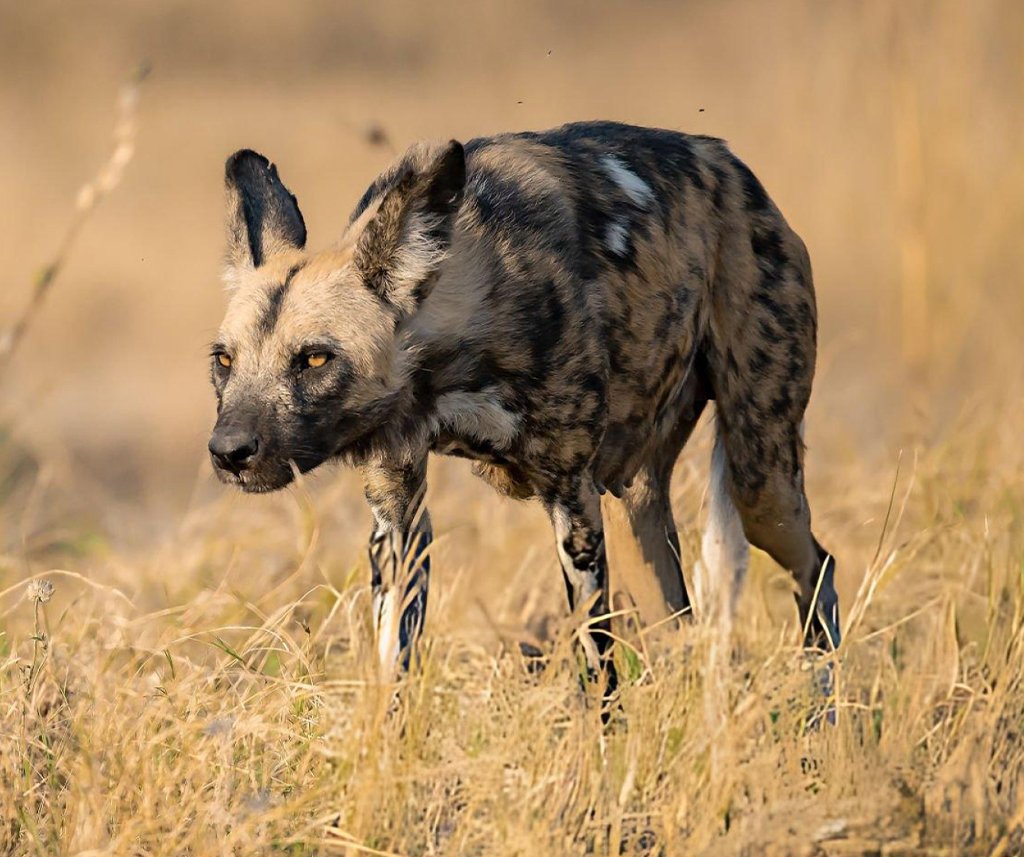
Despite boasting the highest African wild dog hunting success rate on the continent, these magnificent carnivores are classified as Endangered on the IUCN Red List. Fewer than 7,000 individuals remain in the wild.
-
Habitat Fragmentation: Their wide-ranging hunting style requires vast territories that are increasingly broken up by human development.
-
Infectious Diseases: Domestic dog outbreaks of rabies, canine distemper, and parvovirus can wipe out entire packs.
-
Human-Wildlife Conflict: Accidental snaring and retaliatory farmer killings pose ongoing threats.