Cheetah Facts: Nature’s Fastest Sprinters
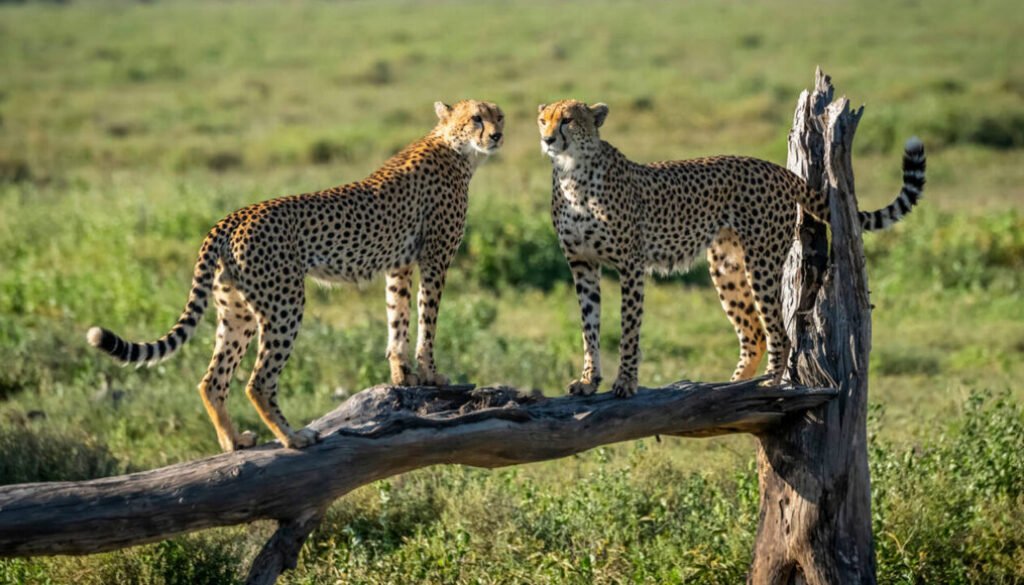
The most famous of all Cheetah Facts is, of course, their speed. A cheetah can accelerate from 0 to 95 km/h in just three seconds—that’s faster than most high-end sports cars. But how do they achieve this without flipping over or burning out?
The secret lies in their unique anatomy. Unlike other big cats, the cheetah has a flexible spine that acts like a spring. When they run, their spine stretches and recoils, allowing for a stride length of up to 7 meters. Furthermore, they are the only cat species with semi-retractable claws. Think of these as built-in running spikes; they provide permanent traction against the soil, allowing for sharp turns at lethal speeds.
Quick Profile: The Cheetah at a Glance
Before we dive into the heart of the savannah, let’s look at the “fast” facts:
-
Common Name: Cheetah
-
Scientific Name: Acinonyx jubatus
-
Type: Mammals
-
Diet: Carnivore
-
Average Life Span in the Wild: 10 to 12 years
-
Size: Head and body: 1.1 to 1.5 meters; tail: 65 to 80 centimeters
-
Weight: 21 to 72 kilograms
A Unique Hunting Strategy
While lions and leopards are nocturnal hunters that rely on ambush and brute strength, the cheetah is a diurnal hunter. This means they hunt primarily during the day, usually in the early morning or late afternoon to avoid the blistering midday heat.
One of the most interesting Cheetah Facts is their success rate. While they are incredibly fast, they are sprinters, not marathon runners. A chase usually lasts less than a minute. If they don’t catch their prey—usually gazelles, impalas, or smaller mammals—within that window, they have to give up to avoid overheating their brains.
Social Lives: Coalitions and Solitude
Cheetahs break the mold when it comes to social behavior. While female cheetahs are solitary and raise their cubs alone, males often form groups called “coalitions.” These are usually brothers from the same litter. By sticking together, they can defend a larger territory and take down bigger prey than a lone male could manage.
The Struggle for Survival
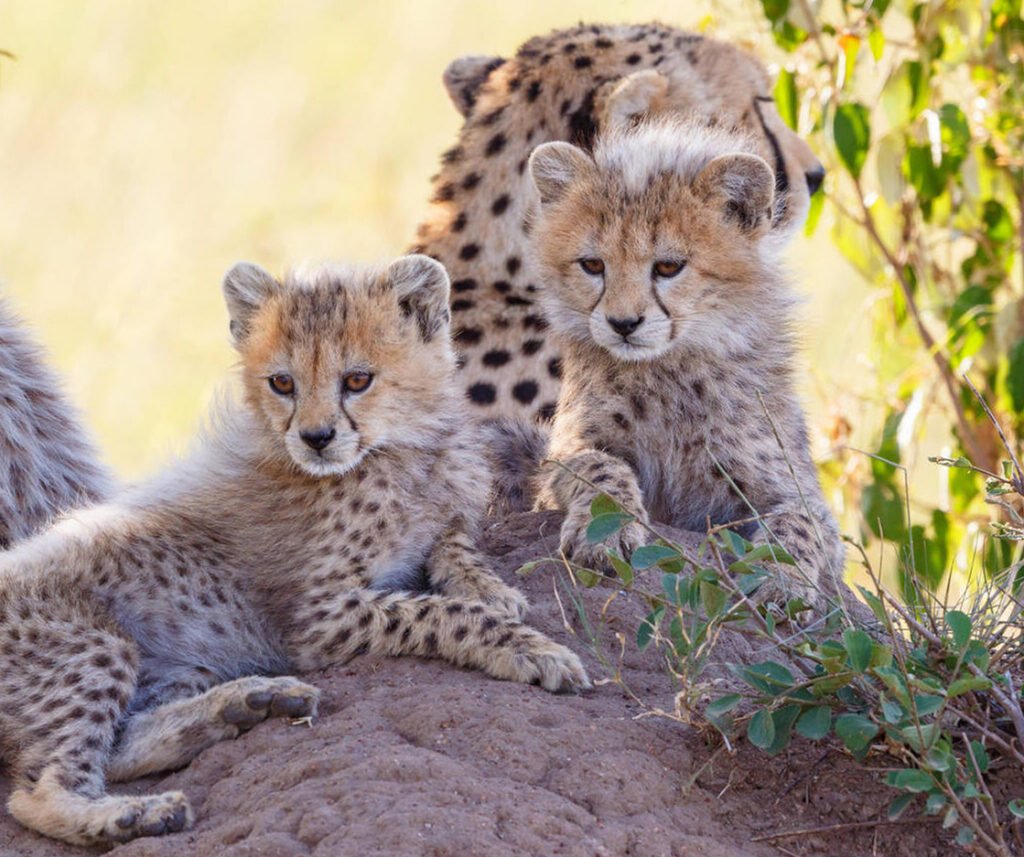
It’s a tough world for a cheetah cub. In the wild, nearly 90% of cheetah cubs do not reach adulthood. This is largely due to “predation” by larger carnivores like lions and hyenas, who will kill cheetah cubs to eliminate future competition.
This brings us to a fascinating survival adaptation: the mantle. Cheetah cubs have a thick mane of long, silver-gray hair running down their backs. Scientists believe this helps them blend into tall grass or mimics the appearance of a honey badger—an animal so fierce that most predators leave it well alone.
Genetic Bottlenecks and Conservation
One of the more sobering Cheetah Facts involves their genetics. Thousands of years ago, the species went through a “bottleneck” event that nearly wiped them out. As a result, modern cheetahs have very low genetic diversity. This makes them highly susceptible to diseases and changes in their environment.
Today, there are fewer than 7,000 cheetahs left in the wild. Habitat loss, human-wildlife conflict, and the illegal pet trade are their biggest threats. Conservationists are working hard to create “wildlife corridors” that allow cheetahs to roam freely between protected areas.
Communication Beyond the Roar
Did you know that cheetahs can’t roar? Because of the structure of their vocal cords, they belong to the subfamily Felinae, which includes small cats. Instead of a terrifying roar, they make a variety of sounds:
-
Chirping: They sound almost like birds when trying to find one another.
-
Purring: They purr just like a house cat, usually when content or grooming.
-
Hissing and Spitting: Used when they feel threatened.
The Iconic “Tear Marks”
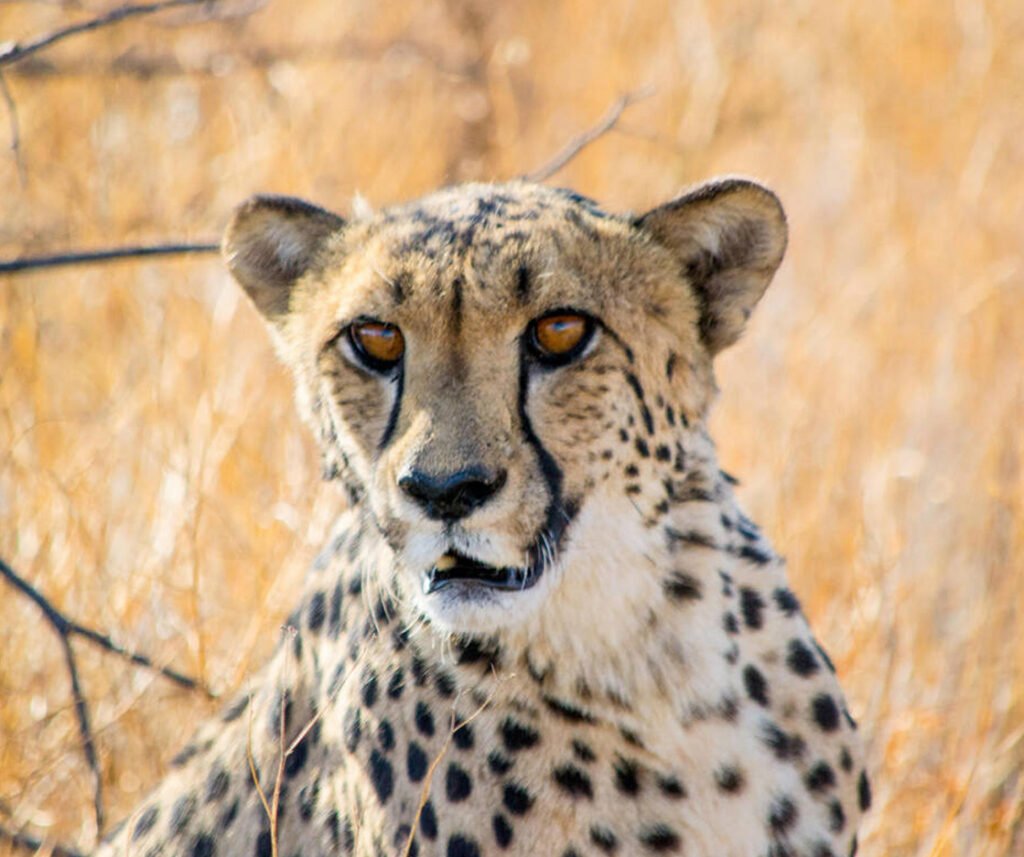
If you look at a cheetah’s face, you’ll notice two black lines running from the inner corners of their eyes down to their mouths. These aren’t just for style. These “tear marks” act like the “anti-glare” grease that football players wear under their eyes. They help the cheetah see clearly while hunting in the bright midday sun by absorbing sunlight.
Territory and Range
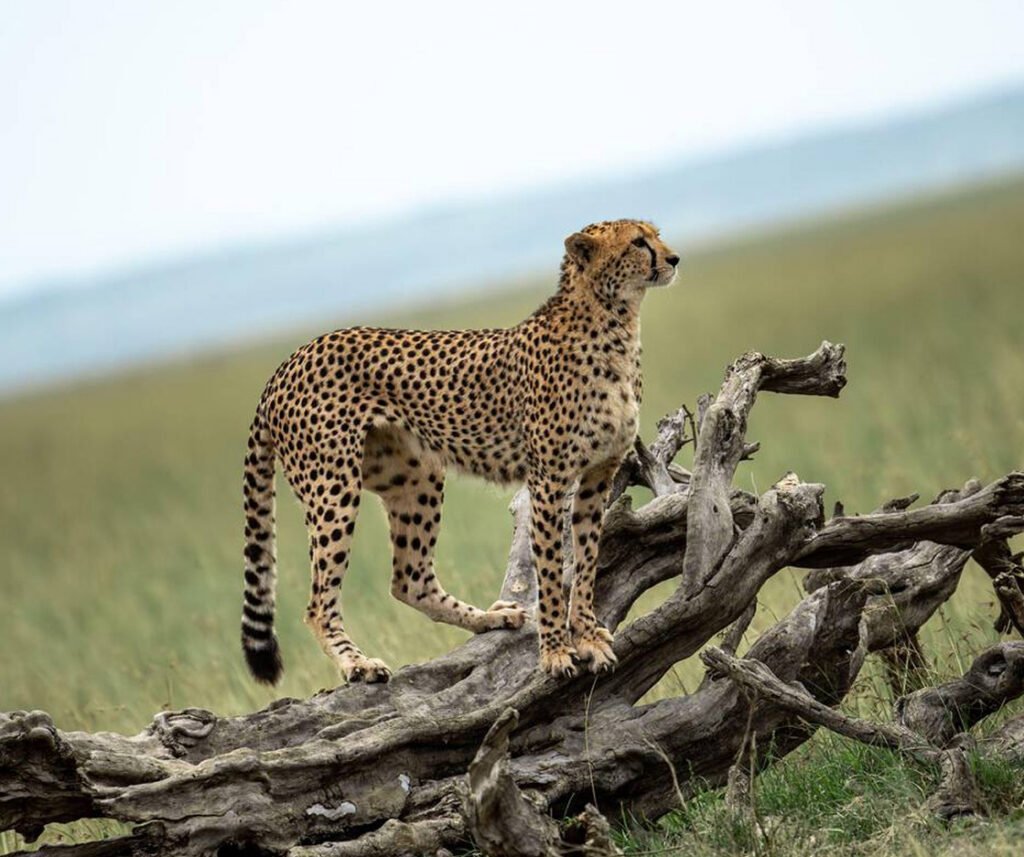
While we mostly associate them with the open plains of Africa, there is actually a tiny, critically endangered population of Asiatic cheetahs living in Iran. In Africa, they prefer environments with a mix of open space for sprinting and some light cover (like shrubs or trees) to hide from larger predators