Why Are Elephants Evolving Without Tusks?
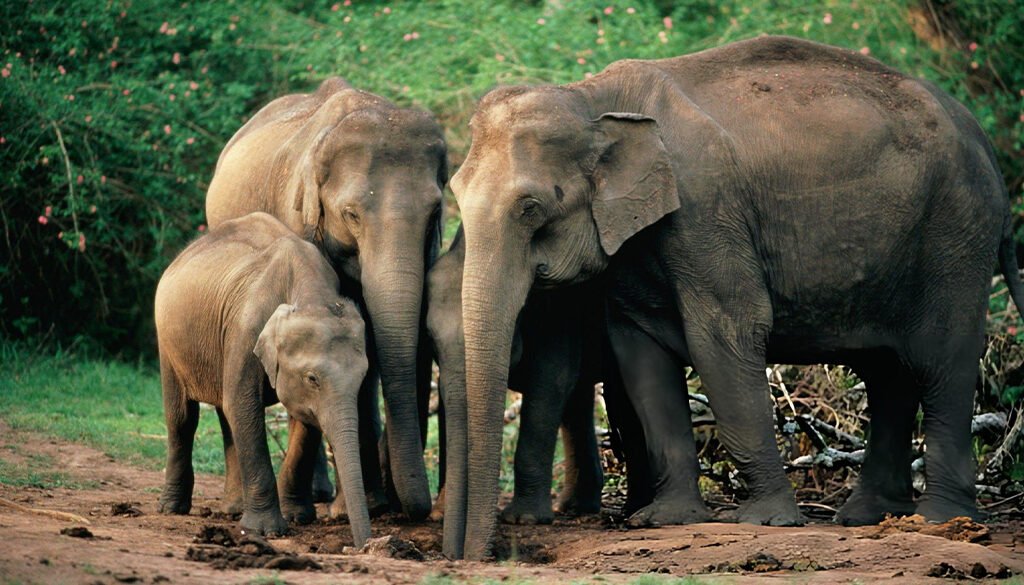
Why are elephants evolving without tusks at such an unprecedented speed? The answer lies at the intersection of extreme human pressure, genetic mutation, and rapid natural selection.
The Mechanism of Rapid Natural Selection
Evolution is typically understood as a slow process occurring over hundreds of thousands of years. However, under high selective pressures, traits can spread through a population in a few generations.
Historically, natural tusklessness in female African elephants was a rare anomaly, occurring in only 2% to 4% of the population. Males require tusks for combat and securing mating rights, making tusklessness fatal to male reproductive success. Females, however, can survive without them.
During intense historical pressures—specifically civil conflicts and rampant illegal ivory poaching—elephants with prominent ivory tusks were systematically hunted. Animals carrying genes for smaller tusks or complete tusklessness were ignored by poachers, survived the culling, and passed their genetic traits to their offspring.
The Gorongosa Case Study
The clearest scientific evidence explaining why are elephants evolving without tusks comes from Gorongosa National Park in Mozambique.
During the Mozambican Civil War (1977–1992), armed forces slaughtered roughly 90% of the park’s elephant population to sell ivory for weapon financing.
-
Pre-War Era: Fewer than 18% of female elephants lacked tusks naturally.
-
Post-War Survivors: Among the female elephants that survived the intense hunting, 51.4% were completely tuskless.
-
Next Generation: Over 33% of female calves born after the war inherited the tuskless trait, proving the phenomenon was genetic rather than a developmental defect.
The Genetics Behind Tusklessness
Geneticists led by Dr. Shane Campbell-Staton identified the exact genetic mutations responsible for this rapid evolutionary adaptation. The primary driver is a mutation on the AMELX gene, located on the X chromosome. This gene plays a critical role in tooth development, controlling the formation of enamel in mammals.
-
Dominant Trait in Females: Because females have two X chromosomes ($XX$), a mutation on one $X$ chromosome causes tusklessness without killing the female embryo.
-
Lethal in Males: Male elephants have one X and one Y chromosome ($XY$). When a male embryo inherits the mutated AMELX gene on its single X chromosome, the mutation is lethal, causing the male calf to miscarry in utero.
Consequently, while more female calves are born tuskless to escape poaching, half of the male offspring carrying the gene fail to develop, significantly lowering overall herd birth rates.
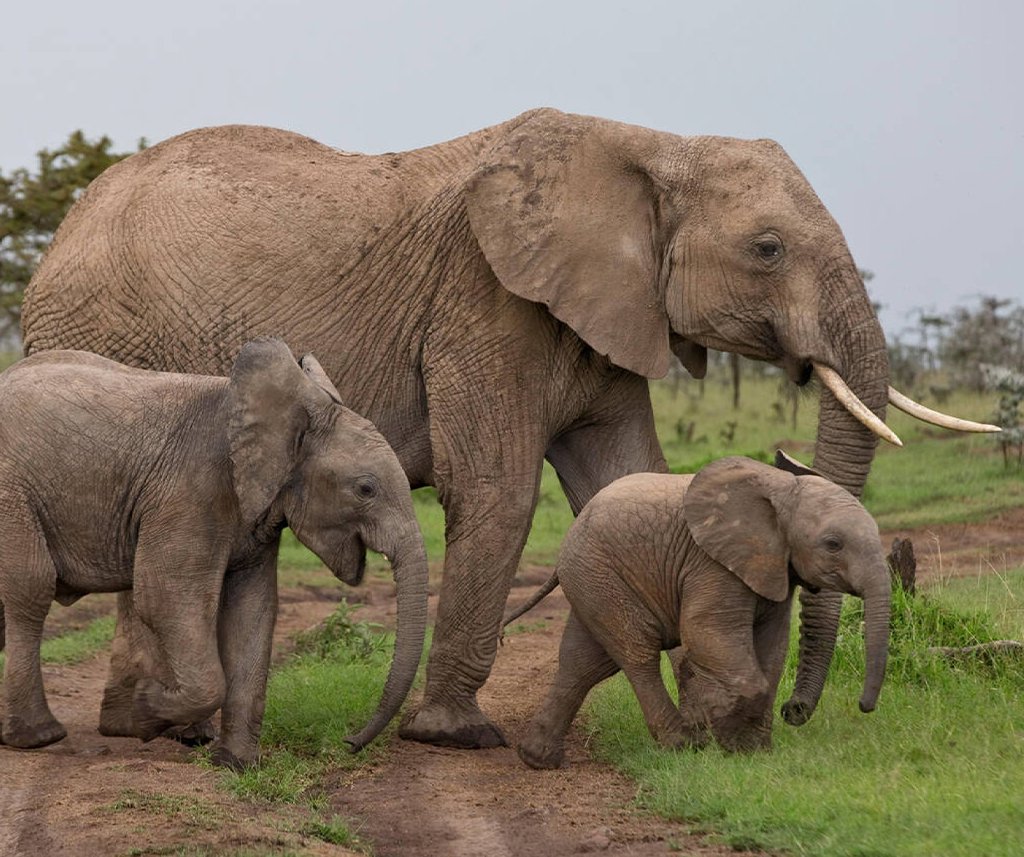
Ecological Consequences of Tusklessness
While tusklessness offers survival advantages against poachers, it introduces ecological trade-offs for elephants and their surrounding ecosystems.
Affected Ecological Aspect | Impact of Tuskless Elephants |
Dietary Shifts | Tuskless elephants eat softer grass vegetation instead of tough bark and roots, altering nutrient intakes. |
Habitat Engineering | Without tusks to knock down trees, forests become dense brushlands, altering habitats for savanna species. |
Water Accessibility | Tuskless elephants cannot dig deep dry-season water holes, reducing water access for smaller wildlife. |
Sex-Ratio Imbalance | Male embryonic mortality due to mutated AMELX genes lowers overall herd reproduction rates. |