Facts About the Rainbow Skink
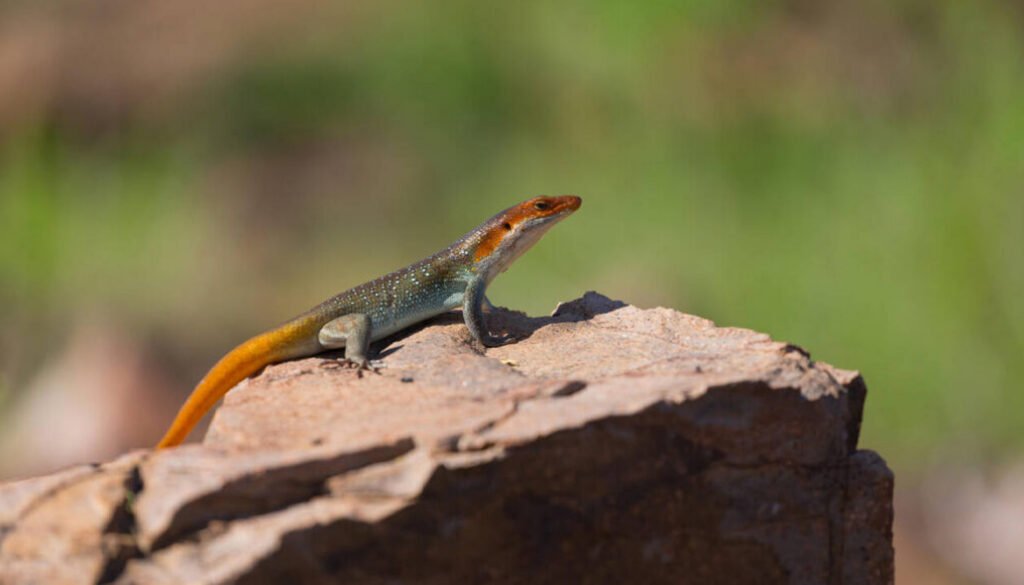
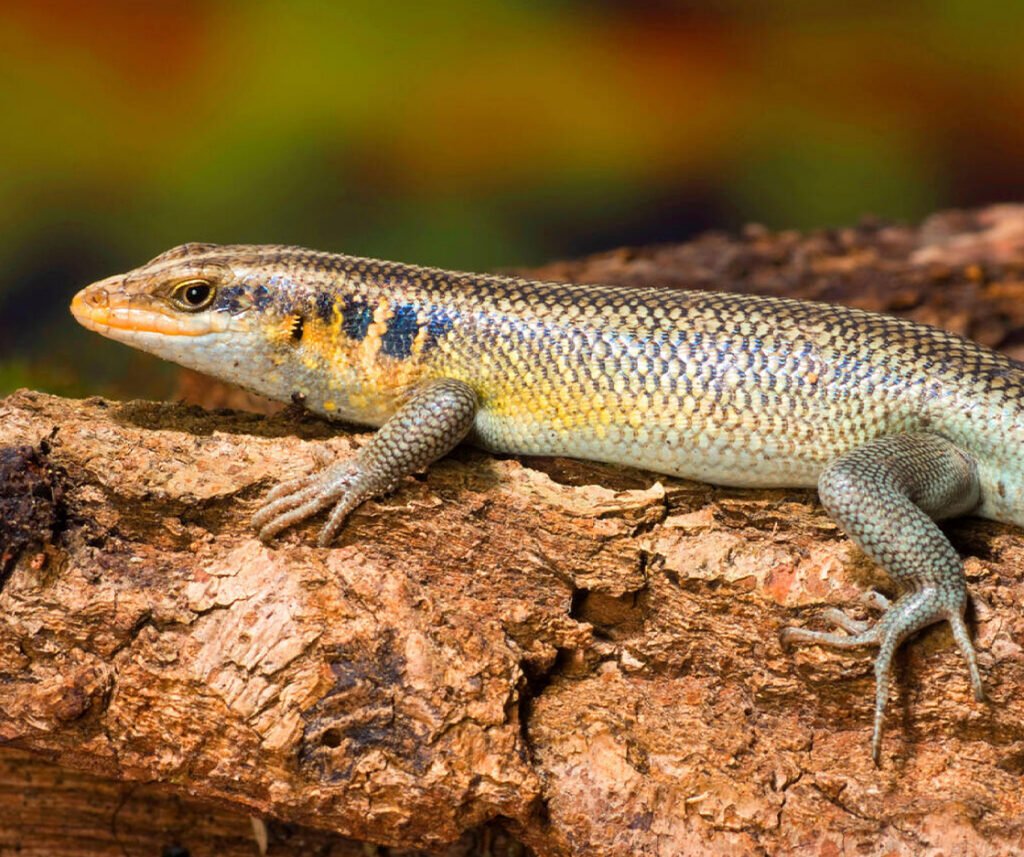
One of the most compelling facts about the Rainbow Skink is where it gets its name. While they may appear brown or olive at first glance, their scales possess a unique microscopic structure. When the sunlight hits them at a specific angle, the skin refracts light, creating a shimmering, rainbow-like effect. This isn’t just for show; this iridescence can help confuse predators by breaking up the lizard’s silhouette as it moves rapidly.
Essential Facts About the Rainbow Skink
- Common Name: Rainbow Skink (also known as the Five-lined Skink or Pale-flecked Garden Sunskink)
-
Scientific Name: Carlia (genus) or specifically Lampropholis delicata
-
Type: Reptile
-
Diet: Insectivore
-
Average Life Span in the wild: 3 to 6 years
-
Size (Head and body): 1.5 to 2.5 inches (Total length including tail: 4 to 5 inches)
-
Weight: 0.1 to 0.2 ounces (approx. 3 to 6 grams)
Diet and Hunting Tactics
The Rainbow Skink is a dedicated insectivore. They are active hunters, primarily during the day (diurnal), using their keen eyesight and flicking tongues to detect chemical signals in the air.
What’s on the menu?
-
Small crickets and grasshoppers
-
Moths and flies
-
Spiders and ants
-
Soft-bodied larvae (grubs)
They are “sit-and-wait” predators to an extent, but they are also known to actively forage through leaf litter. By tossing leaves aside with their snouts, they uncover hidden beetles and amphipods. This role makes them an essential part of the ecosystem, as they act as natural pest controllers for many common garden bugs.
Survival and Defense Mechanisms
Life is dangerous for a lizard that weighs less than a AAA battery. To survive, the Rainbow Skink has evolved several clever tricks.
Autotomy (Tail Dropping)
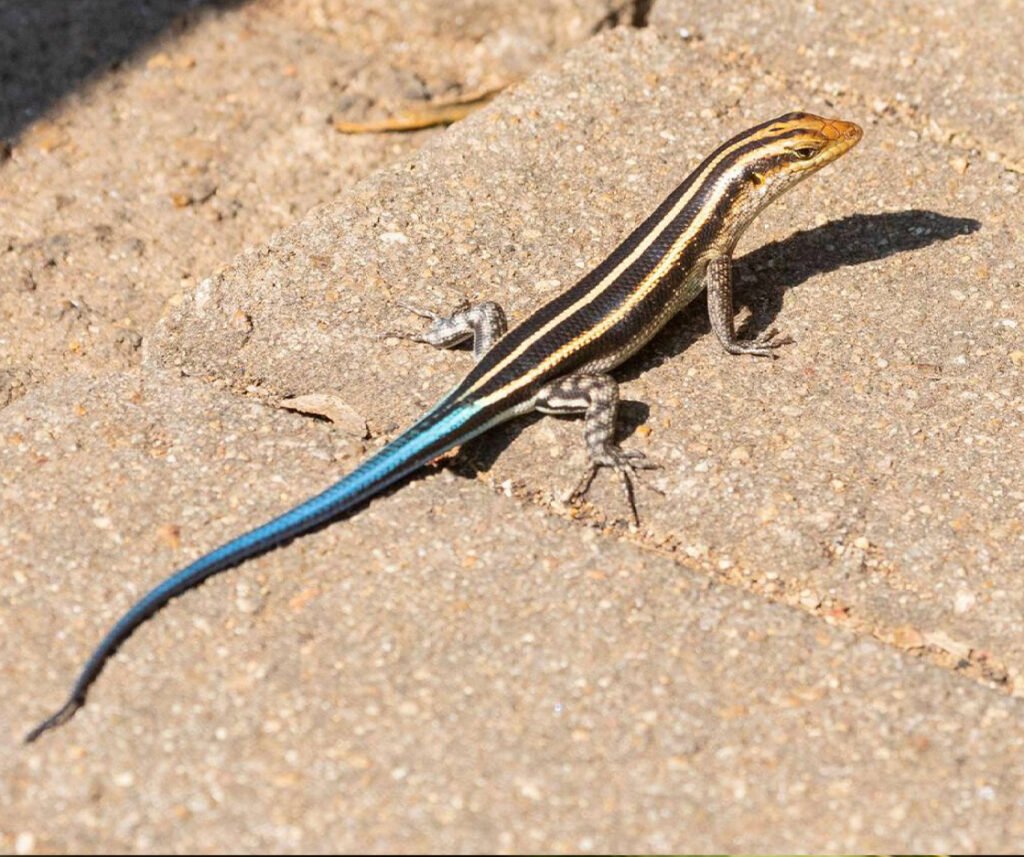
If a predator—such as a kookaburra or a domestic cat—grabs a skink by the tail, the skink can voluntarily “drop” it. The severed tail continues to wiggle violently on the ground for several minutes. This provides a distraction, allowing the skink to flee to safety. While the tail eventually grows back, the new tail is often darker, shorter, and made of cartilage rather than bone.
Thermoregulation
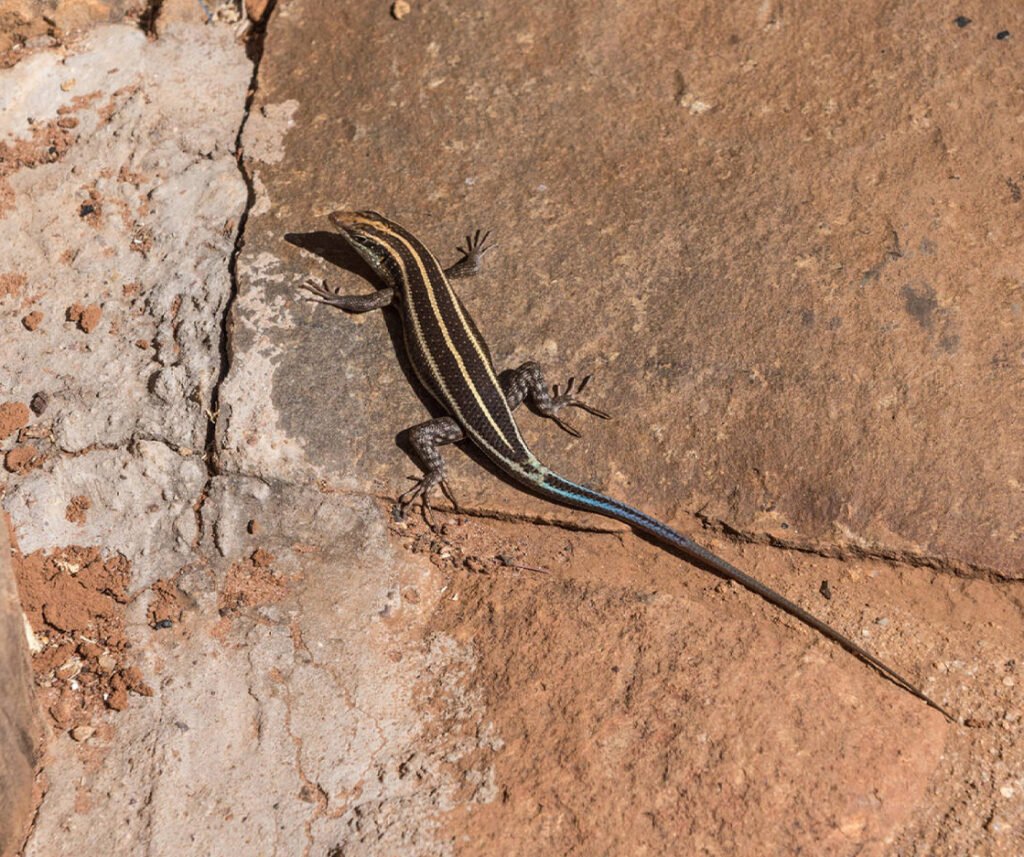
Being ectothermic, they cannot produce their own body heat. You will often see them “flat-basking” on rocks. By flattening their bodies, they increase the surface area exposed to the sun, allowing them to reach the optimal temperature for digestion and movement.
Reproduction and Life Cycle
When it comes to the facts about the Rainbow Skink and their family life, they are quite prolific. Most species are oviparous, meaning they lay eggs.
-
Nesting: Females usually lay a clutch of 2 to 4 leathery eggs in a moist, sheltered spot, such as under a rock or inside a rotting log.
-
Communal Laying: Interestingly, several females may use the same nesting site, leading to “communal nests” containing dozens of eggs.
-
Independence: Once the hatchlings emerge (looking like miniature versions of the adults), they are entirely on their own. There is no parental care in the skink world.
Conservation Status
Currently, most species of Rainbow Skink are listed as Least Concern by the IUCN. Their ability to live alongside humans has given them a bit of a safety net compared to specialist species that require pristine rainforests. However, they still face threats from habitat loss, pesticides (which kill their food source), and invasive predators like feral cats and foxes.