Facts About the Mwanza Flat-headed Rock Agama
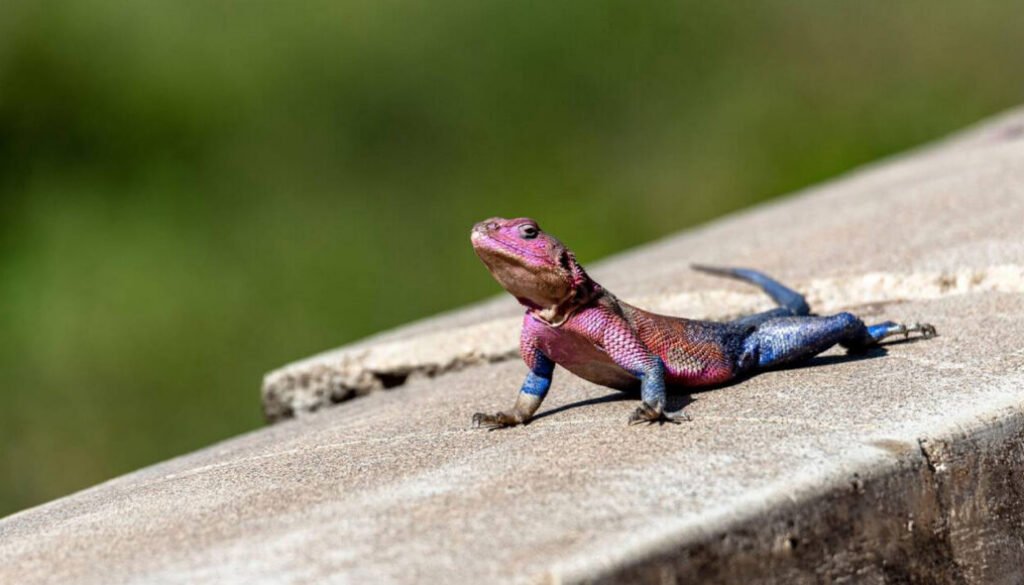
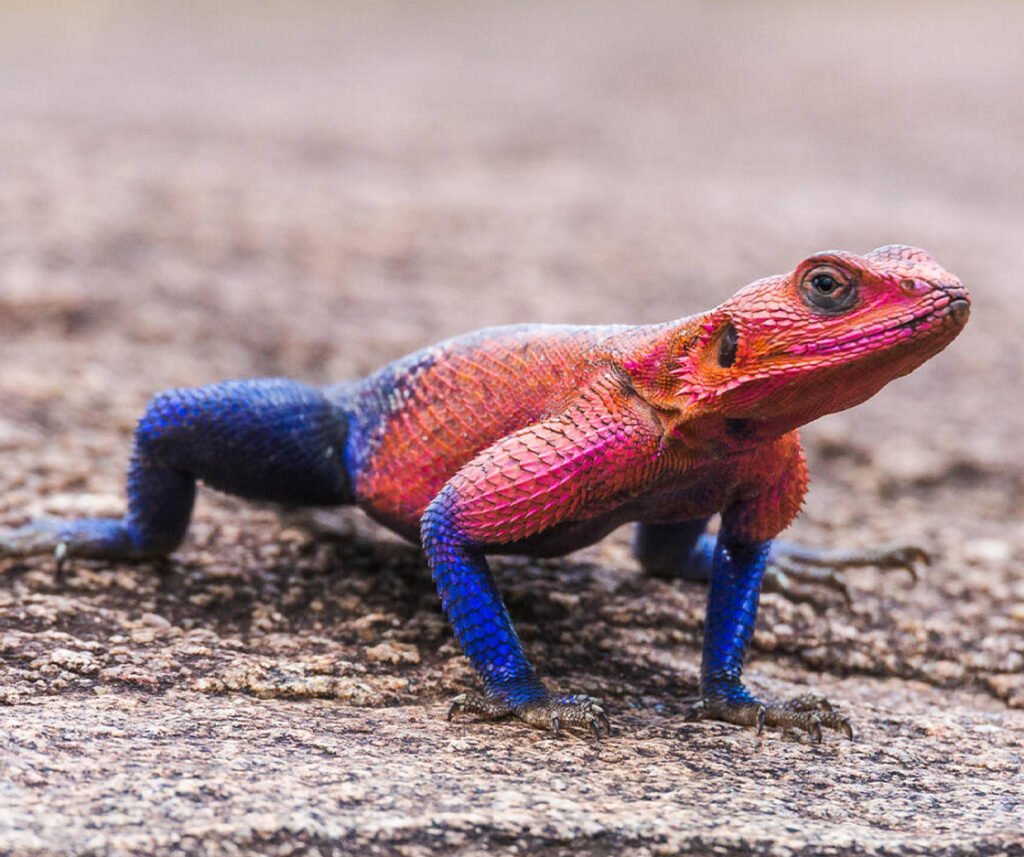
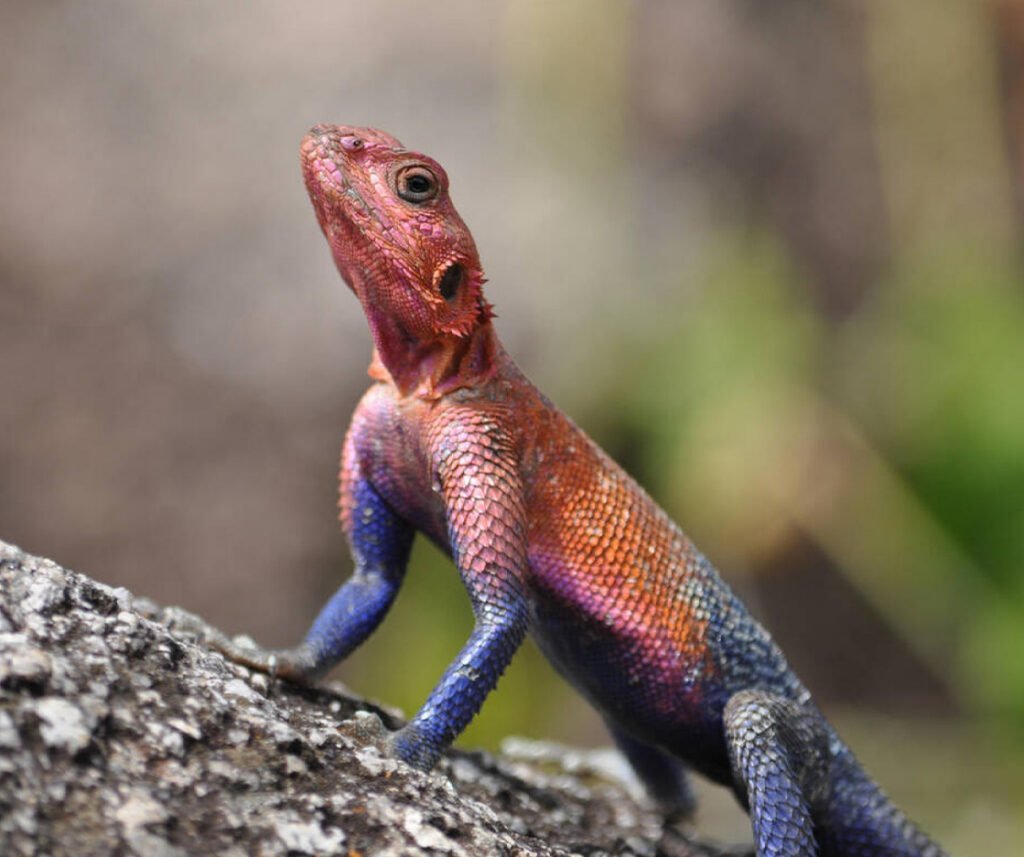
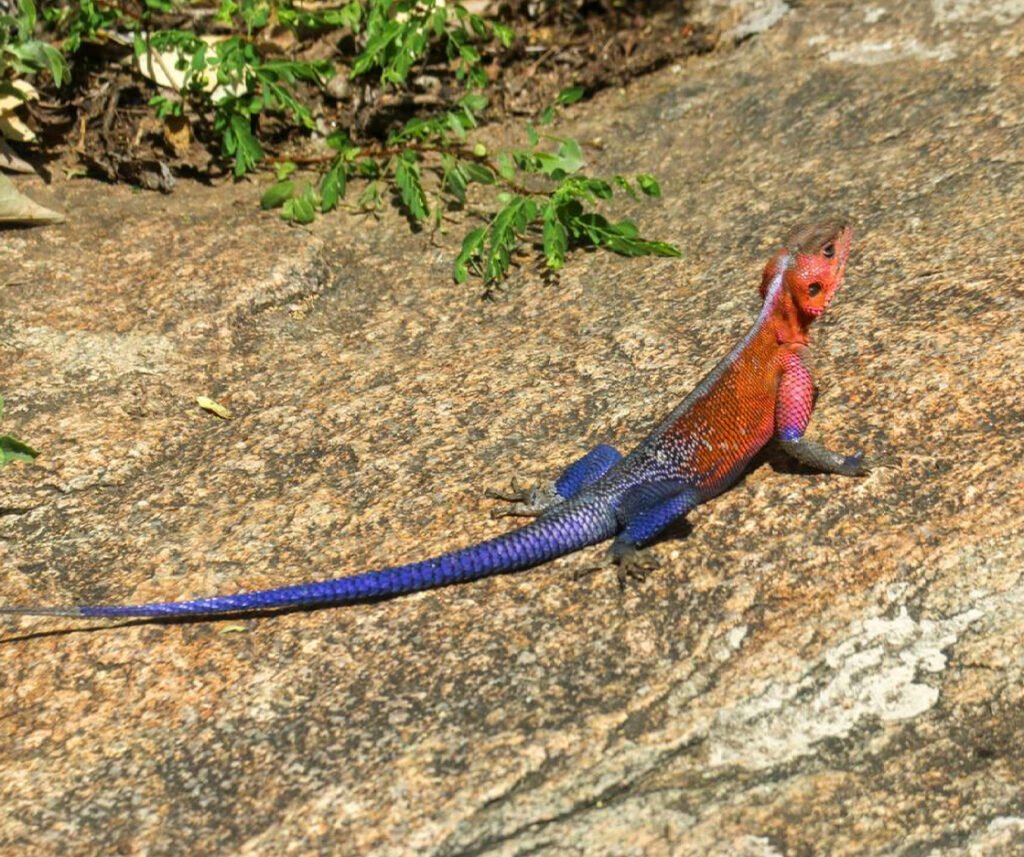
The most notable facts about the Mwanza Flat-headed Rock Agama involve its vivid coloration. Dominant males display a bright red or violet-pink head, neck, and shoulders, while the rest of their body is a deep, indigo blue. This specific color split mimics the iconic suit of Peter Parker’s alter ego. However, it is important to note that this “superhero” look is exclusive to the dominant males; females and sub-adult males are typically a camouflaged dull brown or grey.
Essential Facts About the Mwanza Flat-headed Rock Agama
- Common Name: Mwanza Flat-headed Rock Agama (Spider-Man Lizard)
-
Scientific Name: Agama mwanzae
-
Type: Reptile
-
Diet: Omnivorous (primarily insectivorous)
-
Average Life Span in the wild: 10 to 15 years in the wild
-
Size (Head and body): 6 to 9 inches (15 to 23 cm)
-
Weight: 60 to 100 grams
Native Habitat and Distribution
These lizards are endemic to East Africa. They are most commonly found in Tanzania, Rwanda, and Kenya. They thrive in semi-desert regions and savannas, specifically favoring “kopjes”—large, isolated rock outcrops that rise from the plains. These rocks provide the perfect stage for sunbathing and a fortress for escaping predators.
Diurnal Lifestyle and Thermoregulation
Like most reptiles, the Mwanza Flat-headed Rock Agama is diurnal, meaning it is active during the daylight hours. Because they are cold-blooded, they spend their mornings basking on flat rocks to absorb heat. This energy is essential for their metabolism and gives them the speed required to hunt or flee from birds of prey.
A Varied Omnivorous Diet
While they are primarily insectivores, a look at the facts about the Mwanza Flat-headed Rock Agama reveals a flexible diet. Their primary food sources include:
-
Crickets and grasshoppers
-
Beetles and ants
-
Termites
-
Occasional plant matter, such as seeds or berries
Their quick reflexes and sticky tongues allow them to snatch unsuspecting insects right out of the air or off the surface of the rocks.
Social Hierarchy and “Head-Bobbing”
These lizards live in structured social groups led by a single dominant male, known as the “cock.” This male is responsible for defending the territory. To communicate, they use a series of physical signals, most notably “head-bobbing.” A fast, aggressive head-bob is a warning to intruders, while a slower movement may be used during courtship.
The Ability to Change Color
While they aren’t chameleons, the males can change their color intensity based on their mood and environment. If a dominant male is threatened or loses a fight to a rival, his bright reds and blues may fade into duller tones. Conversely, during the heat of the day or when trying to attract a mate, his colors become exceptionally luminous.
Unique Physical Adaptations
The “flat-headed” part of their name isn’t just for show. Their skulls are physically compressed, allowing them to squeeze into incredibly narrow crevices within the rocks. This is their primary defense mechanism against hawks, snakes, and mongooses. If they can get their head into a crack, they can usually hide their entire body.
Reproduction and Life Cycle
Females typically lay their eggs during the wet season to ensure the ground is soft enough for digging. A single clutch usually contains 5 to 10 eggs. The eggs are buried in moist soil or tucked into rock crevices, hatching after approximately 60 to 90 days. The hatchlings are independent from birth, immediately beginning their search for small insects.
Interaction with Humans
In areas like the Serengeti or the Masai Mara, these lizards have become quite accustomed to humans. They are often seen scurrying around safari lodges and campsites. Because they eat pests like flies and termites, they are generally welcomed by locals and tourists alike.
Conservation Status
Currently, the Mwanza Flat-headed Rock Agama is not listed as endangered. However, their populations are sensitive to habitat loss and the illegal pet trade. Their striking colors make them highly sought after in the exotic pet market, which can lead to over-collection in certain regions.