Facts About the Nile Crocodile
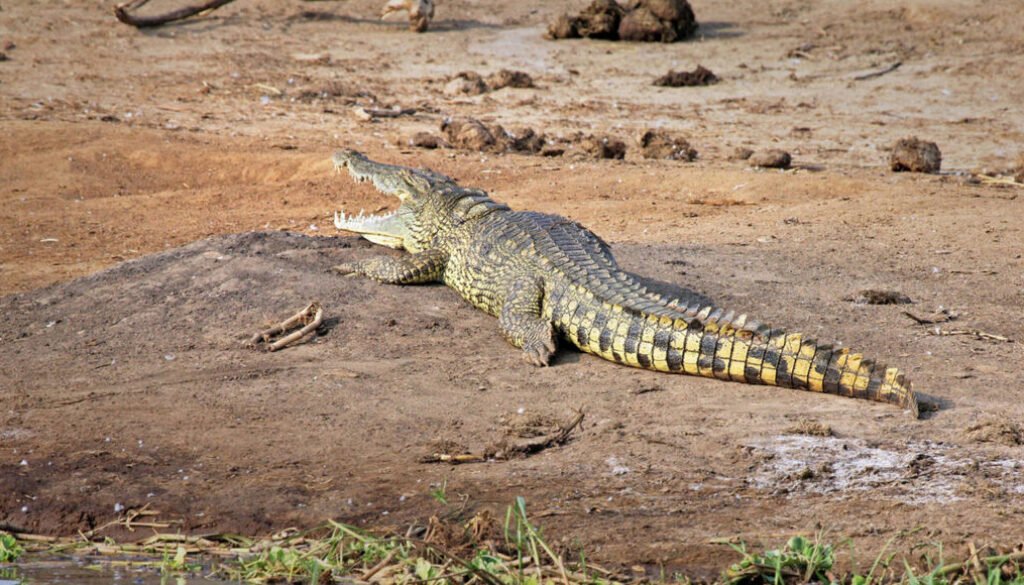
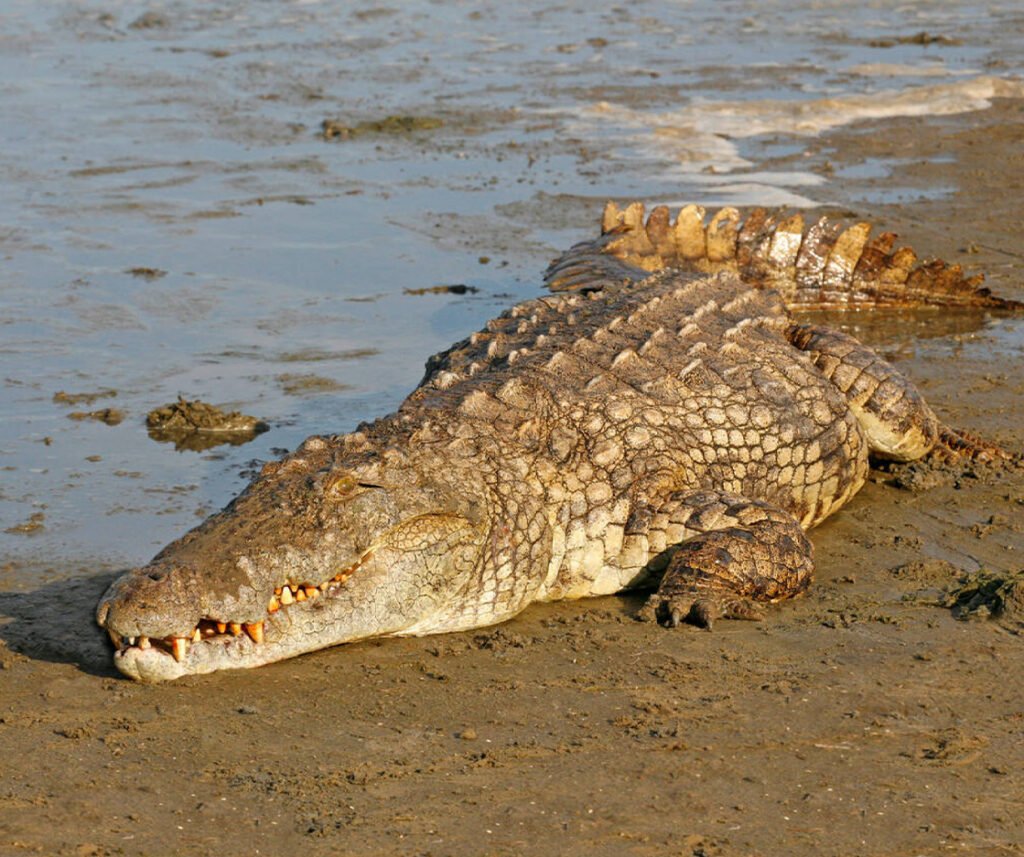
One of the most striking facts about the Nile Crocodile is its sheer physical presence. While the average size sits around 16 feet, some legendary specimens have been recorded reaching lengths of nearly 20 feet. These giants are the second-largest extant reptiles in the world, surpassed only by the Saltwater Crocodile.
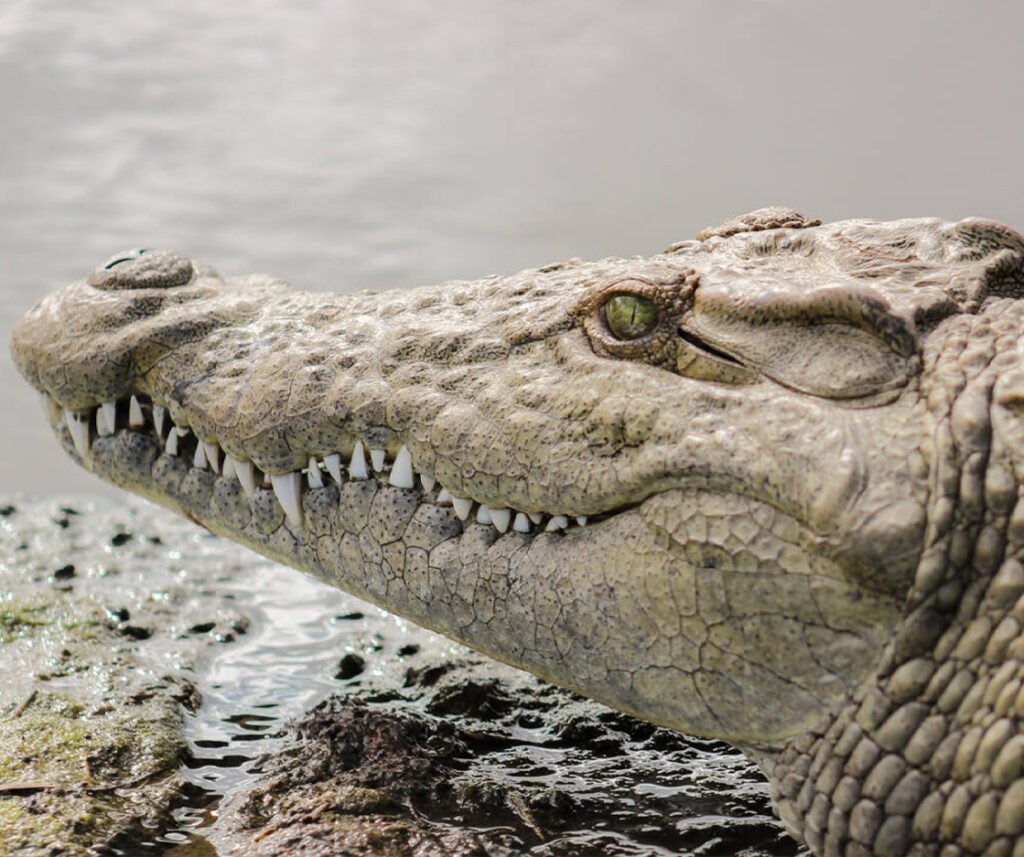
Their skin is armored with bony plates called osteoderms, which act as a suit of chainmail against rivals and prey. Interestingly, their belly skin is much softer and was historically prized for leather, leading to significant conservation challenges in the 20th century.
Essential Facts About the Nile Crocodile
- Common Name: Nile Crocodile
-
Scientific Name: Crocodylus niloticus
-
Type: Reptile
-
Diet: Carnivore
-
Average Life Span in the Wild: 70 to 100 years
-
Size (Head and Body): 16 to 20 feet (4.8 to 6 meters)
-
Weight: 500 to 1,650 pounds (225 to 750 kg)
Distribution and Habitat
Though the name suggests they are exclusive to the Nile River, these crocodiles are found throughout sub-Saharan Africa, the Nile Basin, and even parts of Madagascar. They are highly adaptable, inhabiting lakes, rivers, and even brackish marshes.
One of the lesser-known facts about the Nile Crocodile is its ability to tolerate saltwater for short periods, though it lacks the specialized salt glands of its “Salty” cousins. During the dry season, when water sources vanish, they are known to dig burrows into riverbanks and enter a state of aestivation—a form of dormancy—to survive the heat.
The Diet of an Opportunistic Hunter
As apex predators, Nile crocodiles are the masters of the “sit and wait” strategy. Their diet is incredibly varied, changing as they grow.
-
Juveniles: Feed on insects, spiders, amphibians, and small fish.
-
Adults: Capable of taking down large mammals including zebras, wildebeest, and even young hippos or lions.
The “death roll” is perhaps the most famous of all facts about the Nile Crocodile. Because they cannot chew, they grab a limb and spin their entire body with immense force to tear off manageable chunks of meat. Their bite force is estimated at 3,000 to 5,000 psi, making it one of the strongest in the animal kingdom.
Surprising Social and Parental Behavior
While many reptiles lay eggs and leave them to their fate, the Nile crocodile is a devoted parent. Females dig nests in sandy banks and guard them fiercely for three months. When the hatchlings are ready, they emit high-pitched “chirps,” signaling the mother to dig them out.
She then gently carries her offspring in her mouth—the same mouth that can crush a zebra’s skull—to the water’s edge. This tender side is one of the most fascinating facts about the Nile Crocodile, as both parents often remain with the hatchlings for several months to protect them from predators like monitors and herons.
Historical Significance and Mythology
In Ancient Egypt, the Nile crocodile was both feared and worshipped. The god Sobek was depicted with the head of a crocodile and was associated with fertility, protection, and the power of the Pharaohs. In the city of Crocodilopolis, sacred crocodiles were kept in temples, adorned with jewelry, and even mummified after death.
Archaeologists have discovered thousands of crocodile mummies, proving that our fascination with these creatures spans millennia. Even today, they remain a symbol of raw, untamed power in many African cultures.
Conservation Status: A Success Story?
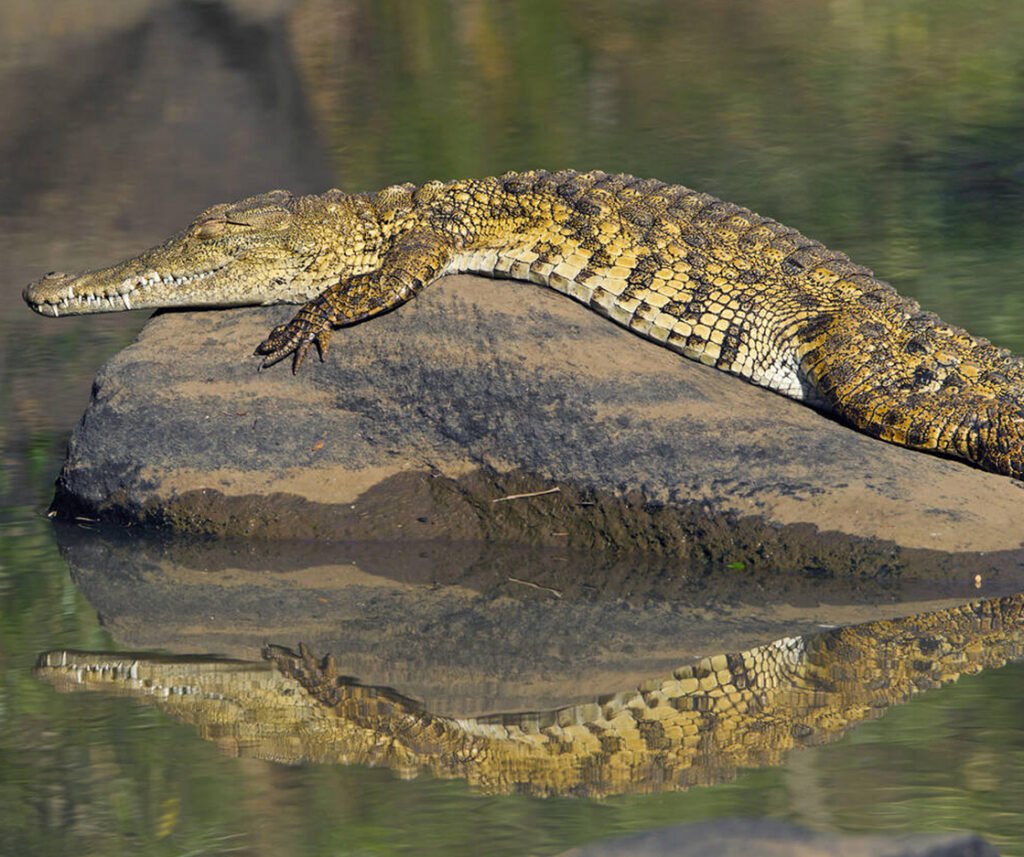
In the mid-20th century, the Nile crocodile was hunted nearly to extinction. However, through international trade regulations and the establishment of protected parks, their numbers have rebounded significantly. They are currently listed as “Least Concern” by the IUCN, though local populations in certain regions still face threats from habitat loss and human-wildlife conflict.
Human-Wildlife Conflict
Because they share water sources with growing human populations, conflicts are inevitable. It is estimated that Nile crocodiles are responsible for hundreds of attacks on humans annually. Understanding facts about the Nile Crocodile—such as their peak hunting times at dawn and dusk—is crucial for communities living near these ancient waterways to ensure safety and coexistence.