Amboseli National Park Safari 2027: The Essential Visitor’s Guide
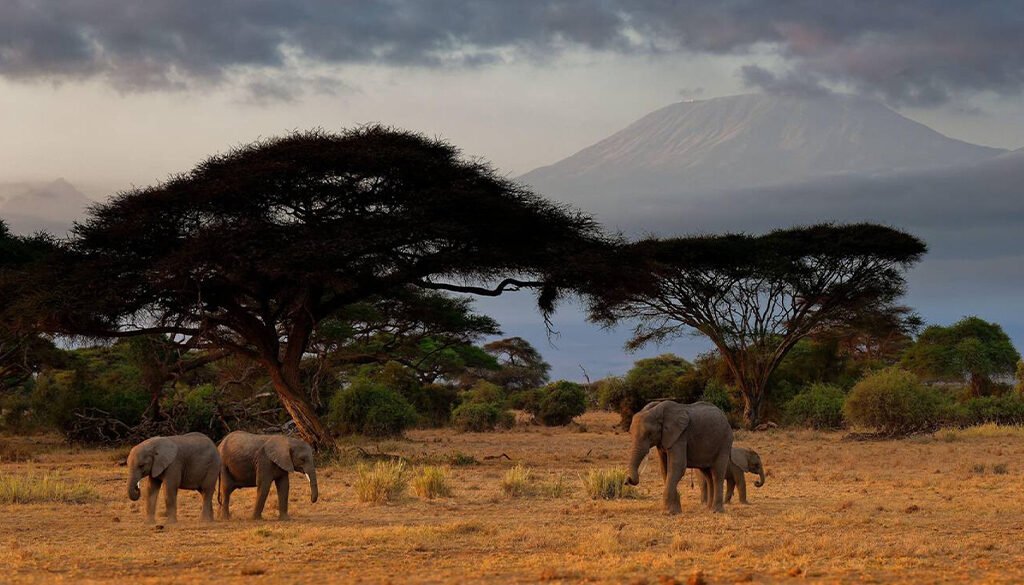
An Amboseli National Park Safari is a bucket-list experience that offers a dramatic contrast of landscapes—from dried-up lake beds and volcanic debris to lush, green swamps fueled by the melting snows of Africa’s highest peak. Located in Kajiado County, southern Kenya, this 392-square-kilometer reserve is a UNESCO Biosphere Reserve that provides a sanctuary for some of the world’s most studied and celebrated wildlife. As we look toward the 2027 season, the park remains a premier destination for those seeking the quintessential “Elephant and Kilimanjaro” postcard view.
Essential Safari Profile: Amboseli at a Glance
Category | Details & Costs (As of 2026) |
Park Entry Fee (Non-Resident) | USD 90 (Adult) / USD 45 (Child) |
Park Entry Fee (Resident) | KES 2,025 (Adult) / KES 1,050 (Child) |
Park Entry Fee (Citizen) | KES 1,500 (Adult) / KES 750 (Child) |
Best Time to Visit | June to October (Dry Season) |
Primary Attractions | Free-ranging Elephants, Mt. Kilimanjaro Views |
Why Choose an Amboseli National Park Safari?
The allure of an Amboseli National Park Safari lies in its accessibility and high-density wildlife sightings. Unlike larger parks where animals can be elusive, Amboseli’s compact size (392 square kilometers) and open savannah make it incredibly easy to spot the “Big Five” and more.
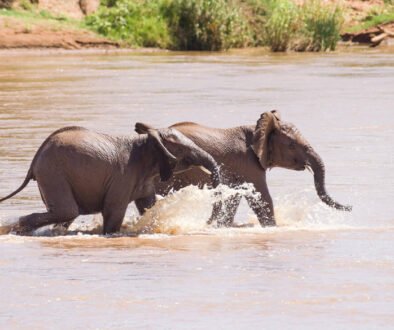
The park is divided into five main habitats, ranging from the dried-up bed of Lake Amboseli to sulfur springs and lush wetlands. In 2026, the park remains a sanctuary for over 1,500 elephants, many of which have been part of the longest-running elephant research project in the world. Seeing these gentle giants wade through the emerald-green swamps of Enkongo Narok is a signature experience that defines the Kenyan safari spirit.
New 2026 Park Entry Fees and Logistics
As of 2026, the Kenya Wildlife Service (KWS) has implemented a tiered pricing structure to support intensified conservation efforts. It is vital for travelers to note that all Kenyan parks are now cashless. You must create an account on the eCitizen portal to pay your fees via M-Pesa or credit card before arriving at the gate.
-
Non-Residents: $90 (Adults) / $45 (Children)
-
African Citizens (Non-EAC): $50 (Adults) / $25 (Children)
-
Kenya Residents: KES 2,025 (Adults) / KES 1,050 (Children)
-
EAC Citizens: KES 1,500 (Adults) / KES 750 (Children)
When booking your Amboseli National Park Safari, ensure your tour operator has accounted for these 24-hour permits, especially if you plan on staying for multiple nights to catch the sunrise over Kilimanjaro.
Iconic Wildlife and Photography Spots
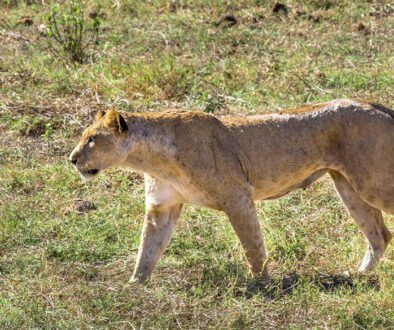
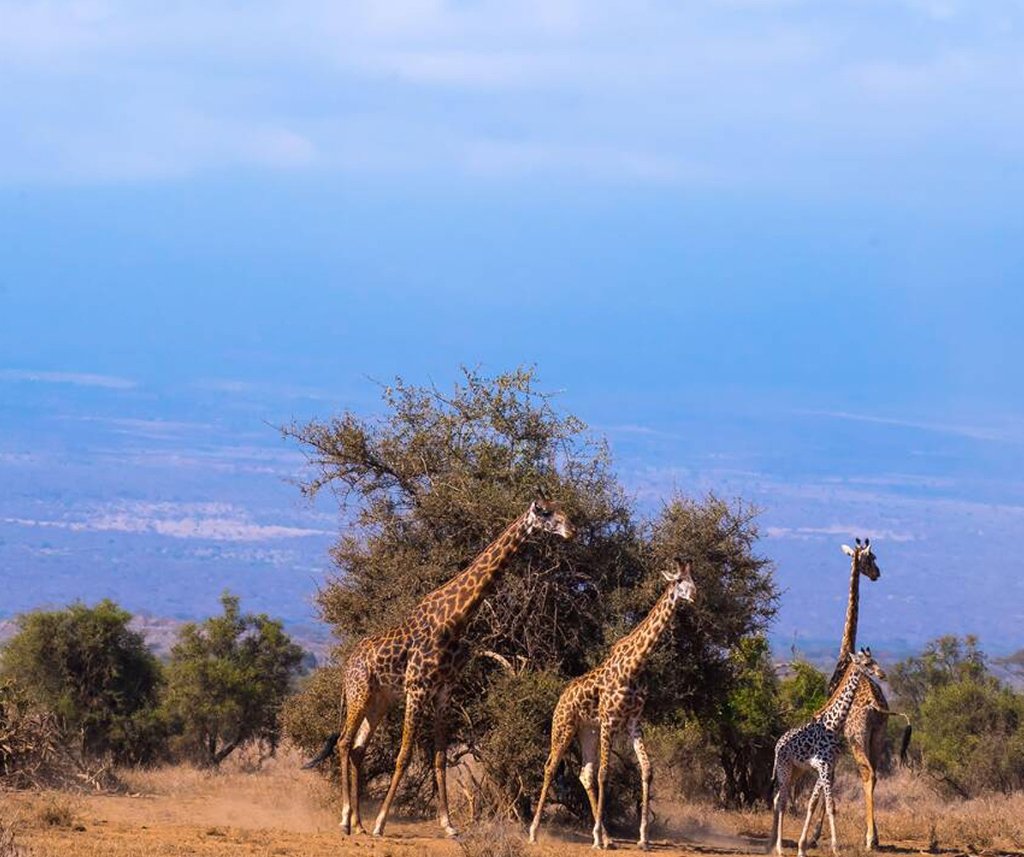
While elephants are the stars, a comprehensive Amboseli National Park Safari introduces you to a diverse cast of characters. You are likely to encounter lions, cheetahs, spotted hyenas, and vast herds of plains zebra and blue wildebeest.
For the best views, head to Observation Hill (Normatior). This pyramid-shaped volcanic hill offers a 360-degree panorama of the entire park. From the summit, you can look down onto the marshes where hippos bask and buffalo congregate. It is also one of the few places in the park where you are permitted to step out of your vehicle and walk, making it a favorite for stretch-breaks and sunset photography.
The Magic of the Seasons
Timing is everything for a successful Amboseli National Park Safari.
-
The Dry Season (June to October): This is the peak window. As the land dries, animals are forced to stay near the permanent swamps. The vegetation is thin, providing unobstructed views for photography.
-
The “Short Rains” (November to December): The dust settles, and the air becomes crystal clear. This is the best time for those iconic “Kilimanjaro and Elephant” shots, as the mountain is most visible after a rainstorm.
-
The “Long Rains” (March to May): While some roads can be muddy, this is the “Green Season.” The park is lush, and migratory birds arrive from Europe and Asia, bringing the total bird count to over 400 species.
Top Experiences Not to Miss
-
Observation Hill: This is the only place in the park where you can get out of your vehicle and hike. The summit provides a panoramic view of the swamps, where you can watch hippos and elephants from above.
-
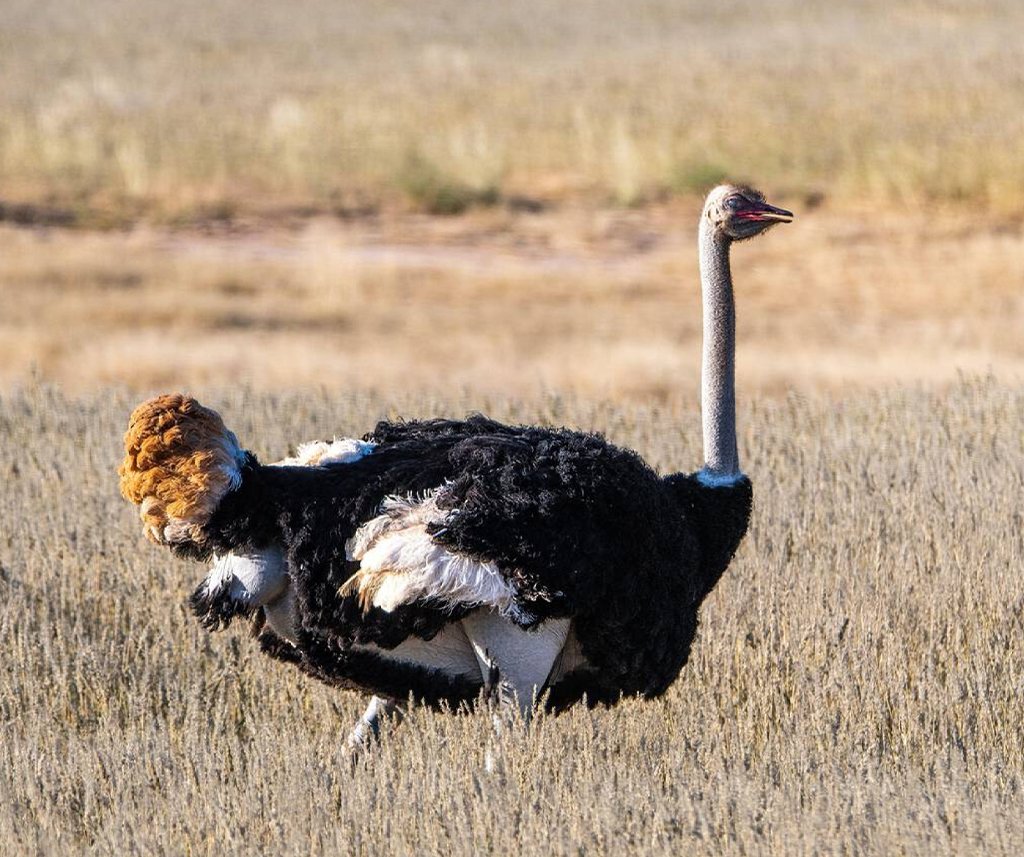
Sinet Delta: A prime spot for birdwatchers. In 2026, sightings of over 400 bird species, including pelicans and flamingos, remain a major draw.
-
Maasai Cultural Visits: Many lodges now partner with local “Manyattas” (homesteads) to offer authentic, sustainable cultural tours that directly benefit the community.
Where to Stay: Luxury Picks
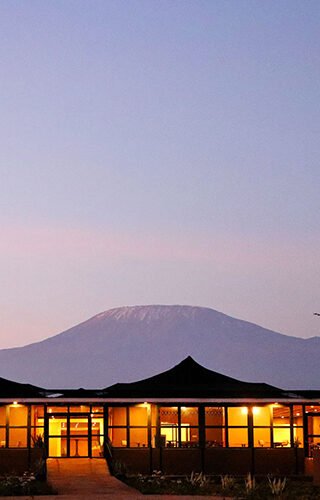
For a high-end Amboseli National Park safari 2026, location is key. Staying inside the park or in a private conservancy on the border (like Selenkay) offers the best experience.
-
Ol Tukai Lodge: Famous for being right in the heart of the elephant action.
-
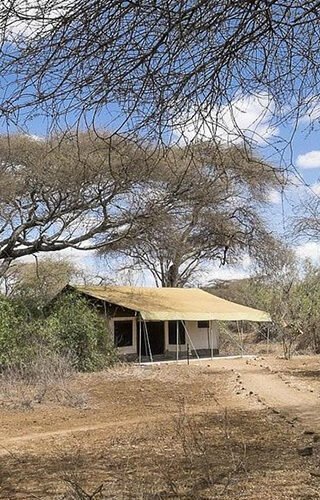
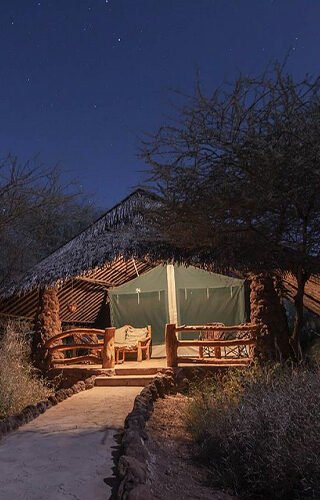
Tortilis Camp: An eco-award winner located in a private conservancy with unrivaled views of the mountain.
-
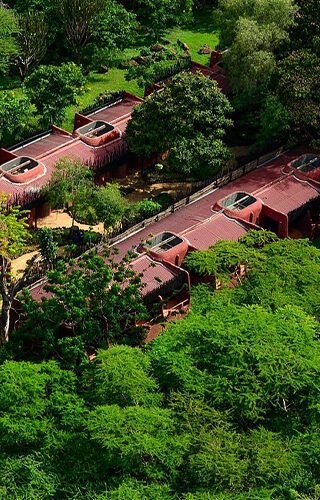
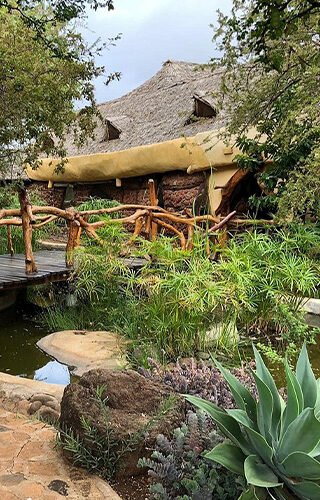
Amboseli Serena Safari Lodge: Inspired by Maasai architecture and perfectly positioned for early morning game drives.
TOP RATED ACCOMMODATIONS
Best Amboseli Safari Lodges
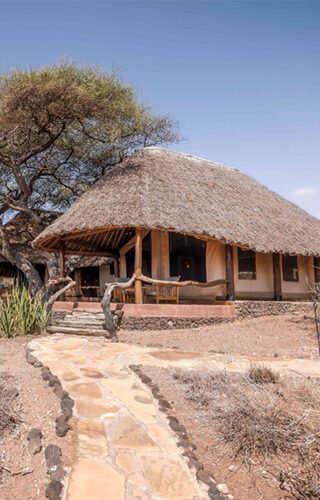
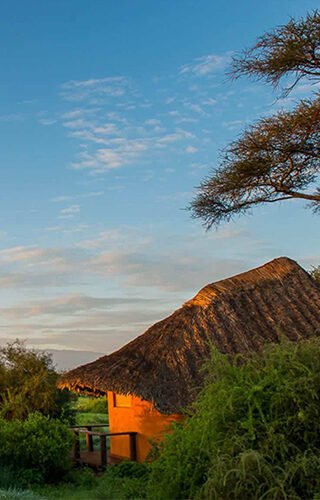
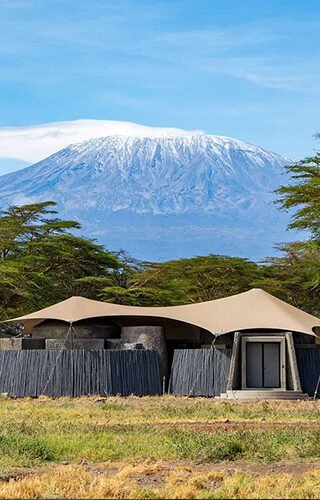
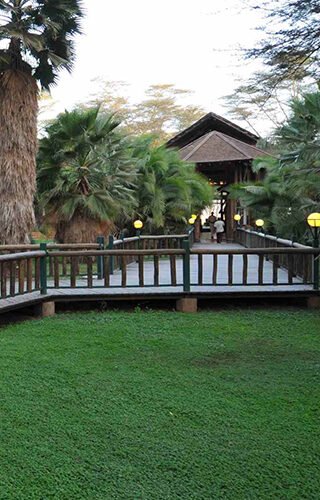
Discover the top-rated Amboseli safari lodges for 2027. From Ol Tukai to Tortilis Camp, experience elite luxury stays with iconic views of Mount Kilimanjaro.