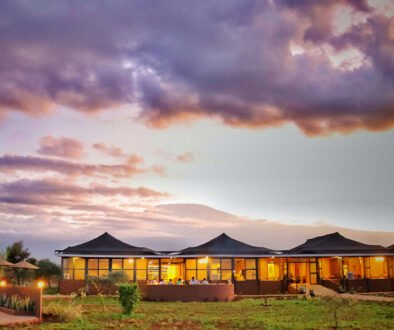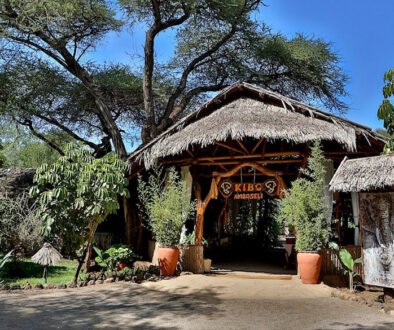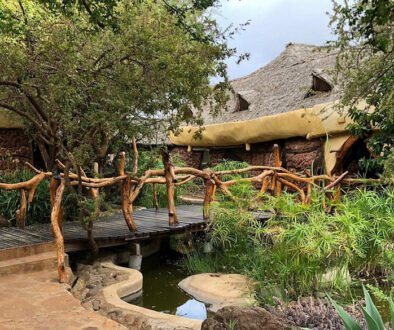
Porini Amboseli Camp: The Heart of the Selenkay Conservancy
The strategic placement of Porini Amboseli Camp is its greatest asset. It is situated within the 15,000-acre Selenkay Conservancy, a private lands area leased from the local Maasai community. This location is vital because it serves as a migratory corridor for wildlife moving between Amboseli National Park and the Chyulu Hills. By staying at Porini Amboseli Camp, guests are positioned in a pristine wilderness that remains untouched by the high-density minibus traffic found in public parks.
Quick Facts: Porini Amboseli Camp at a Glance
Category | Details |
Location | Selenkay Conservancy, Amboseli Ecosystem, Kenya |
Accommodation | 10 Spacious Guest Tents with En-suite Bathrooms |
Sustainability | Solar-powered, Gold-rated by Ecotourism Kenya |
Primary Wildlife | Elephants, Lions, Cheetahs, Giraffes, and Lesser Kudu |
Unique Feature | Located in a private conservancy away from tourist crowds |
Activities | Day & Night Game Drives, Guided Bush Walks, Maasai Village Visits |
Accommodation: Elegant Simplicity in the Wild
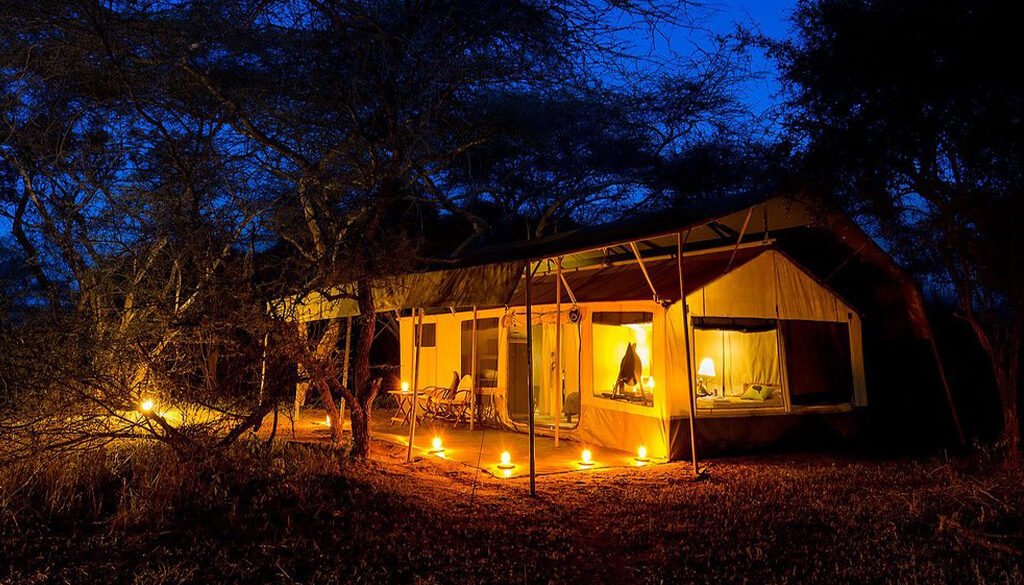
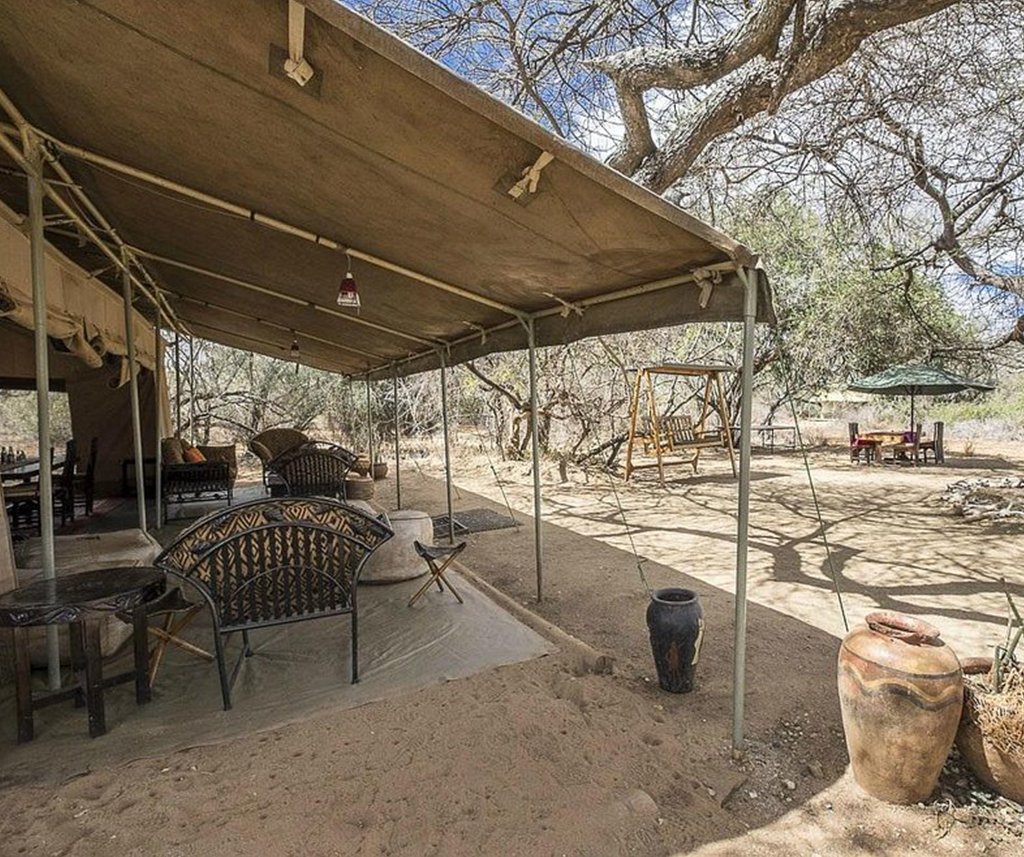
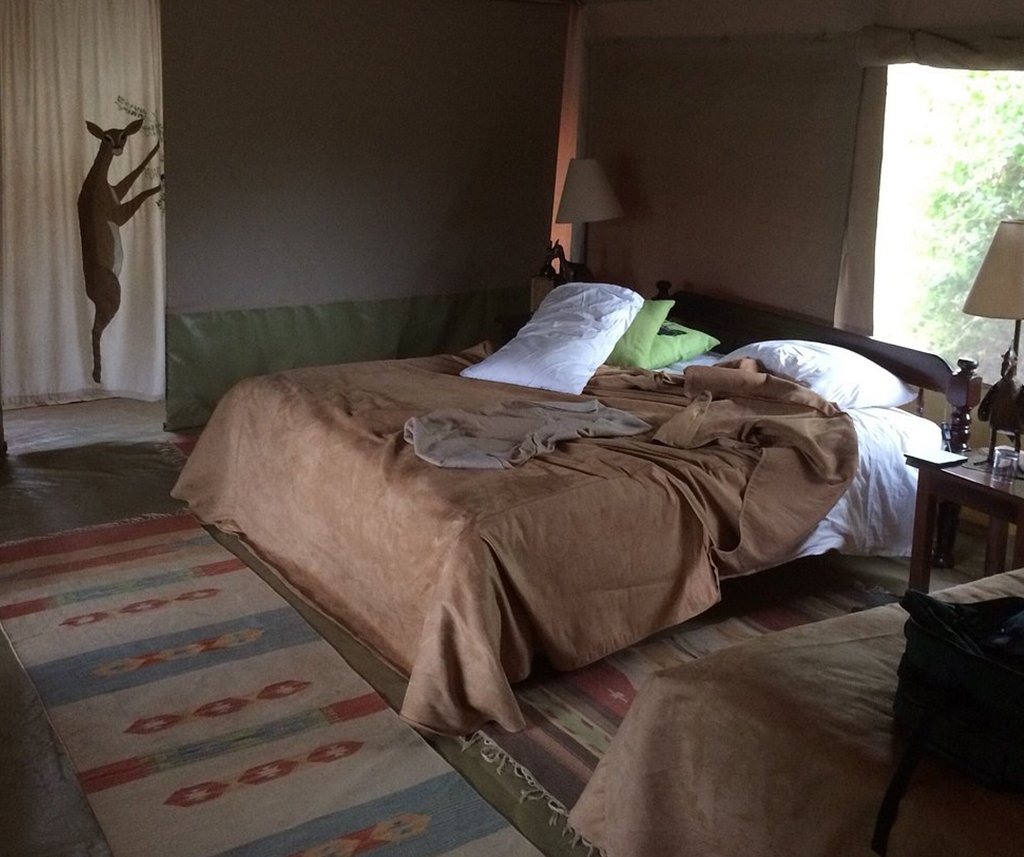
The camp stays true to the “small is beautiful” philosophy. With only ten guest tents, Porini Amboseli Camp ensures a personalized and quiet atmosphere. Each tent is large, airy, and set on a raised wooden platform. You won’t find marble floors here; instead, you find high-quality canvas, comfortable beds with soft linens, and en-suite bathrooms featuring “bucket showers”—a traditional safari element where hot water is brought to your tent upon request. This design allows the sounds of the African night to drift through the mesh windows, creating an immersive sensory experience.
Sustainability: A Gold-Standard Commitment
Porini Amboseli Camp is a leader in sustainable tourism. It has consistently earned a Gold Rating from Ecotourism Kenya for its commitment to the environment and local communities. The camp is almost entirely solar-powered, minimizing its carbon footprint. Furthermore, the conservancy model ensures that the local Maasai people benefit directly from tourism. The lease fees and employment opportunities provided by Porini Amboseli Camp give the community a financial incentive to protect the wildlife rather than compete with it for grazing land.
Primary Wildlife: The Giants of Amboseli
While the entire ecosystem is famous for its elephants, the wildlife viewing at Porini Amboseli Camp is particularly special due to the exclusivity of the conservancy. Huge “tusker” elephants are a frequent sight, often seen wandering through the camp or drinking at the nearby waterhole. Beyond the giants, the conservancy is home to predators like lions, leopards, and cheetahs. Because Porini Amboseli Camp allows for off-road driving (under strict guidelines), guides can often get closer to sightings than is possible in the national park.
Unique Feature: The Gift of Solitude
The most “unique feature” of Porini Amboseli Camp is the absence of other tourists. In the main Amboseli National Park, a single lion sighting might attract twenty vehicles. In the Selenkay Conservancy, it is common to spend an entire game drive without seeing another car. This silence and exclusivity allow for better photography and a deeper, more emotional connection with the landscape.
Activities: Beyond the Standard Game Drive
At Porini Amboseli Camp, the safari doesn’t end when the sun goes down. Because the camp is on private land, it offers activities that are prohibited in national parks:
-
Night Game Drives: Use filtered spotlights to find nocturnal creatures like aardvarks, serval cats, and caracals.
-
Guided Bush Walks: Step out of the vehicle with a Maasai warrior to learn about animal tracks, medicinal plants, and the “little five.”
-
Sundowners: Enjoy a drink at a scenic viewpoint as the sun sets behind Mount Kilimanjaro—an iconic Porini Amboseli Camp tradition.
Why Choose Porini Amboseli Camp?
Choosing Porini Amboseli Camp means choosing a safari that gives back. It is a place where luxury is defined by the quality of the wilderness and the expertise of the guides rather than gold-plated faucets. The camp provides a rare opportunity to see the real Africa, supported by a community that has lived alongside these animals for centuries.