Tsavo National Park Safari 2027: The Ultimate Visitor’s Guide
A Tsavo National Park Safari is a journey into the soul of the African wild. As Kenya’s largest protected ecosystem, spanning over 22,000 square kilometers, it offers a scale of wilderness that is increasingly rare in the modern world. Divided into Tsavo East and Tsavo West, this massive conservation area is famous for its diverse landscapes – from the heat-shimmering Yatta Plateau to the lush, hippo-filled oasis of Mzima Springs. In 2026, Tsavo remains the ultimate destination for travelers seeking “the theater of the wild” without the heavy crowds found in other popular reserves.
Essential Safari Profile: Tsavo National Park at a Glance
Category | Tsavo East (The Land of Dust) | Tsavo West (The Land of Lava) |
Best For | Massive Elephant Herds, Open Plains | Volcanic Scenery, Rhino Sightings |
Top Landmark | Yatta Plateau (Longest Lava Flow) | Mzima Springs (Underwater Viewing) |
Wildlife Focus | "Red" Elephants, Maneless Lions | Black Rhino, Hippos, Leopards |
Entry Fee (2026) | $80 (Non-Resident Adult) | $80 (Non-Resident Adult) |
Access Points | Voi Gate, Buchuma Gate, Sala Gate | Mtito Andei Gate, Chyulu Gate |
Encountering the Famous “Red Elephants”
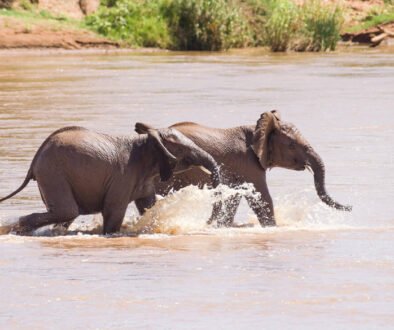
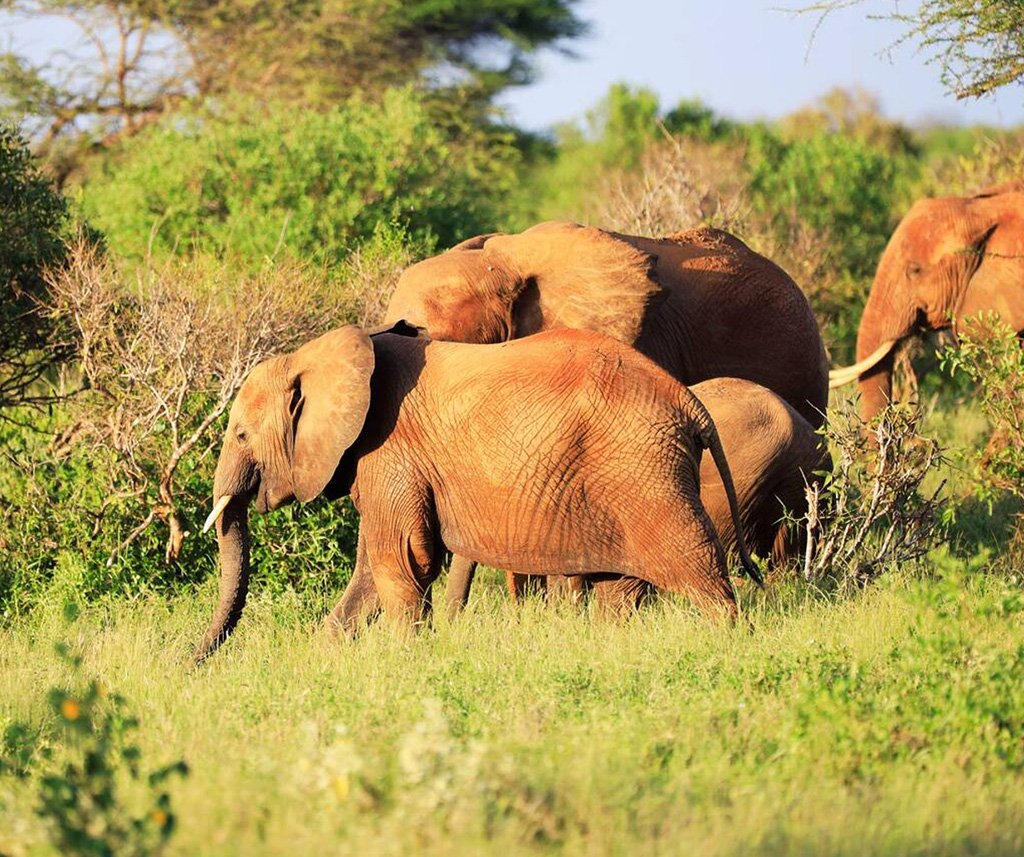
Perhaps the most iconic sight on a Tsavo National Park Safari is the red-skinned elephant. These giants aren’t born red; they derive their unique color from dusting themselves in the park’s iron-rich, crimson soil. This behavior serves a functional purpose, acting as a natural sunscreen and insect repellent. Watching a herd of fifty “red” elephants congregate at the Galana River against the backdrop of a golden sunset is a quintessential Kenyan experience that remains unchanged in 2026.
The Legend of the Maneless Lions
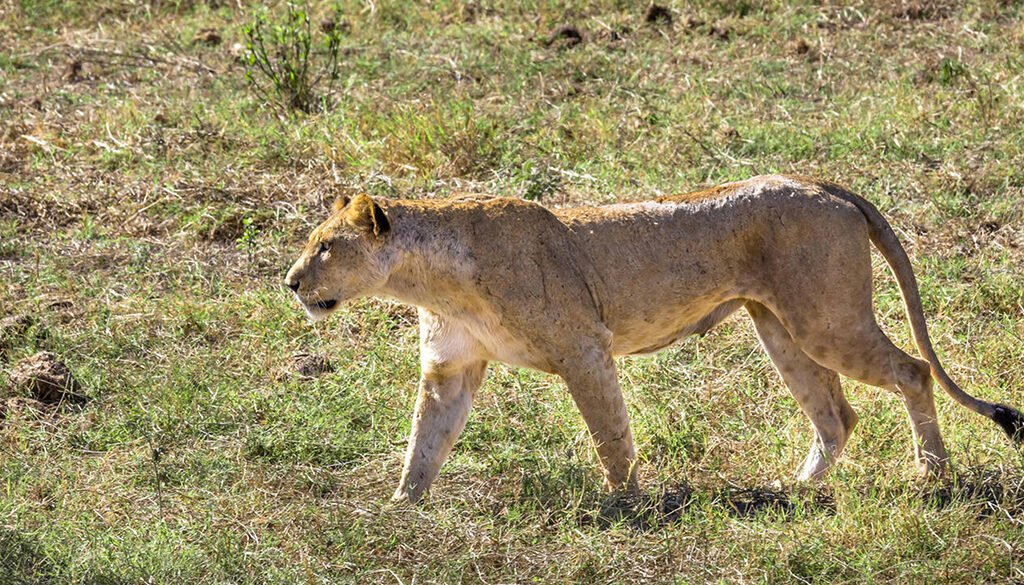
Tsavo is home to a unique population of lions where the males often possess very short manes or no manes at all. This trait is believed to be an adaptation to the thorny vegetation and high heat of the region, as a thick mane would snag on bushes or cause overheating. While they lack the classic “King of the Jungle” look, Tsavo’s lions are notoriously large and powerful, carrying the ancestral reputation of the “Man-Eaters of Tsavo” from the late 1800s. Today, they are a highlight for photographers looking for something truly different.
Mzima Springs: An Underwater Oasis
In the heart of the rugged Tsavo West landscape lies Mzima Springs. This crystalline oasis is fed by millions of gallons of water filtered through the porous volcanic rocks of the nearby Chyulu Hills. The springs feature an underwater viewing chamber where visitors can watch hippos and crocodiles “walking” on the sandy bottom of the pools. It is a lush, green sanctuary teeming with Raphia palms and birdlife—a stark, beautiful contrast to the surrounding dry scrubland.
The Ngulia Rhino Sanctuary
For those hoping to see the “Big Five,” Tsavo West offers one of the best chances to spot the elusive Black Rhino. The Ngulia Rhino Sanctuary is a fenced, 90-square-kilometer area dedicated to the protection of these critically endangered animals. In 2026, conservation efforts here remain a priority, allowing visitors to see rhinos in a habitat that mimics their natural wild environment while providing 24-hour security against poaching.
Mudanda Rock and Aruba Dam
Tsavo East features spectacular natural gathering points for wildlife. Mudanda Rock is a 1.6-kilometer inselberg that acts as a water catchment area. From the top of this rock, you can look down at a natural dam where hundreds of buffalo and elephants come to drink during the dry season. Similarly, the man-made Aruba Dam is a hotspot for predators like lions and cheetahs who wait for prey to visit the water’s edge. These locations offer “stationary” game viewing, where the animals come to you.
Modern Access via the SGR Train
One of the most exciting ways to begin your Tsavo National Park Safari in 2026 is by using the Madaraka Express (SGR) train. The railway cuts directly through the park, and the high bridges allow for incredible aerial views of the wildlife below. Travelers can disembark at Mtito Andei (for the West) or Voi (for the East), where safari vehicles meet them for a seamless transition from modern rail to the ancient wilderness.
Best Time to Plan Your Safari
To get the most out of your trip, timing is everything.
-
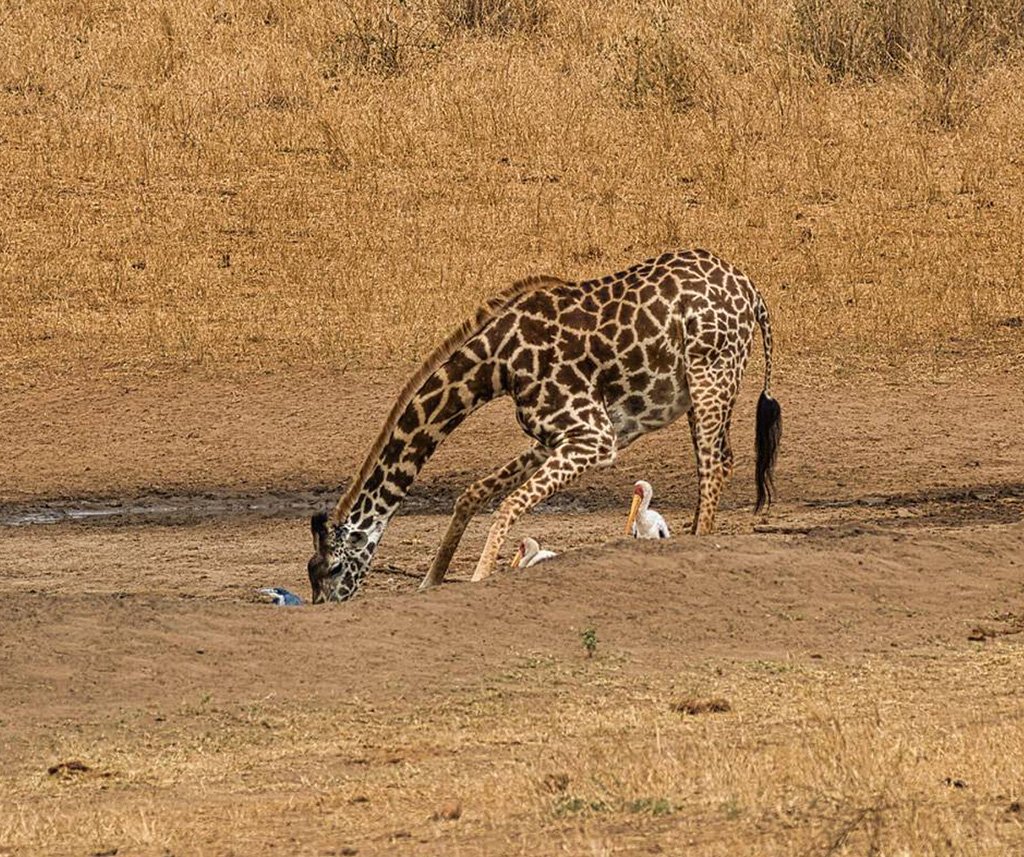
Dry Season (June to October): This is the peak period. Vegetation is sparse, making it much easier to spot animals. Water sources like Mzima Springs and the Galana River become magnets for all species.
-
Green Season (November to May): While the rains can make some roads muddy, the park transforms into a lush, emerald paradise. This is the best time for birdwatchers, as migratory species arrive from Europe.
PREMIER LUXURY ACCOMMODATIONS
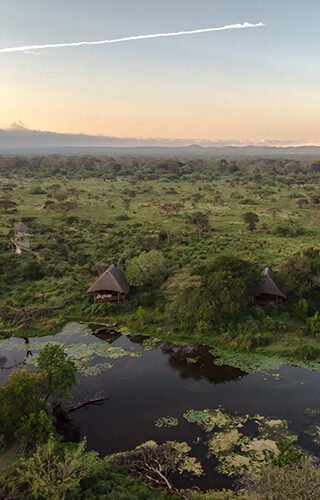
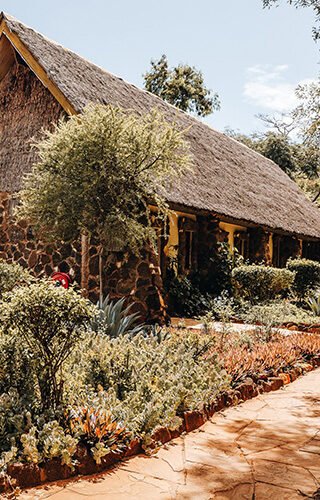
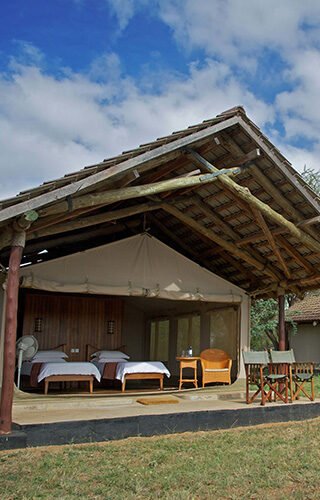
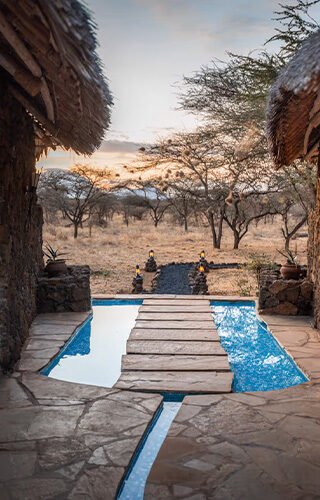
Best Safari Lodges in Tsavo
Looking for the best safari lodges in Tsavo? From the award-winning Finch Hattons to the iconic Kilaguni Serena, discover the top luxury stays in Tsavo East and West