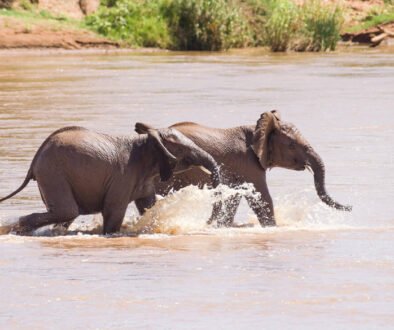
Masai Mara Safari Guide 2027: The Essential Visiting Handbook
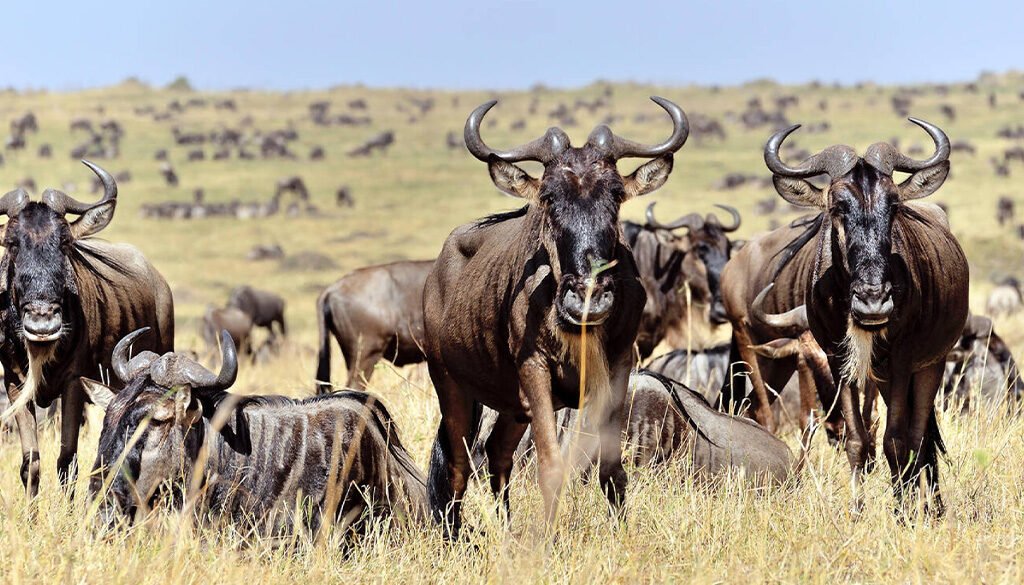
The heartbeat of any Masai Mara Safari Guide is the Great Migration. In 2026, experts predict the “Mega Herds” will arrive in the Mara by the third week of July. Due to standard rainfall patterns earlier this year, the vegetation in the Serengeti is expected to remain lush until late June, pushing the primary river crossings into a window between August 10th and September 20th, 2027.
For those seeking a “secret” experience, October 2027 is highly recommended. While many believe the migration ends in September, the herds often linger to enjoy the last of the nutrient-rich grass. With shorter grass and fewer crowds, October offers some of the best predator-on-prey visibility of the entire year.
Essential Safari Profile: Masai Mara at a Glance
Category | Low Season (Jan – June) | Peak Season (July – Dec) |
Non-Resident Adult | USD 100 per day | USD 200 per day |
Non-Resident Child | USD 50 per day | USD 100 per day |
Kenyan Citizen (Adult) | KES 2,000 | KES 2,000 |
Ticket Validity | 12 Hours (6 AM – 6 PM) | 12 Hours (6 AM – 6 PM) |
Navigating the New 12-Hour Rule
A significant update for the strict enforcement of the 12-hour ticket validity. Unlike previous years where a ticket lasted 24 hours, entry is now valid from 6:00 AM to 6:00 PM.
-
For Overnight Guests: If you are staying at a lodge inside the reserve, you must effectively pay for two days of fees—one for the day of entry and another for the following full day of game viewing.
-
Transit and Exits: Ensure your safari vehicle is at the gate or back at camp by 6:00 PM to avoid additional charges or ranger fines.
Choosing Your Base: Reserve vs. Conservancy
A comprehensive Masai Mara Safari Guide must weigh the benefits of the Main Reserve against Private Conservancies. In 2027, a “split-stay” strategy is the gold standard.
-
The Main Reserve: Essential for witnessing the dramatic Mara River crossings. It is the only place to see the massive scale of the wildebeest plunge.
-
Private Conservancies (e.g., Mara North, Olare Motorogi): These offer a more exclusive feel. With a moratorium on new developments in 2027 to curb overcrowding, these areas limit the number of vehicles at a sighting, allowing for more intimate encounters with the resident “Marsh Pride” lions.
Wildlife Highlights and “National Geographic” Moments
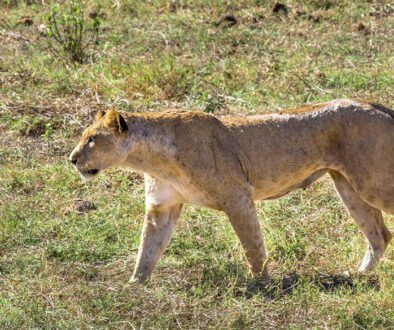
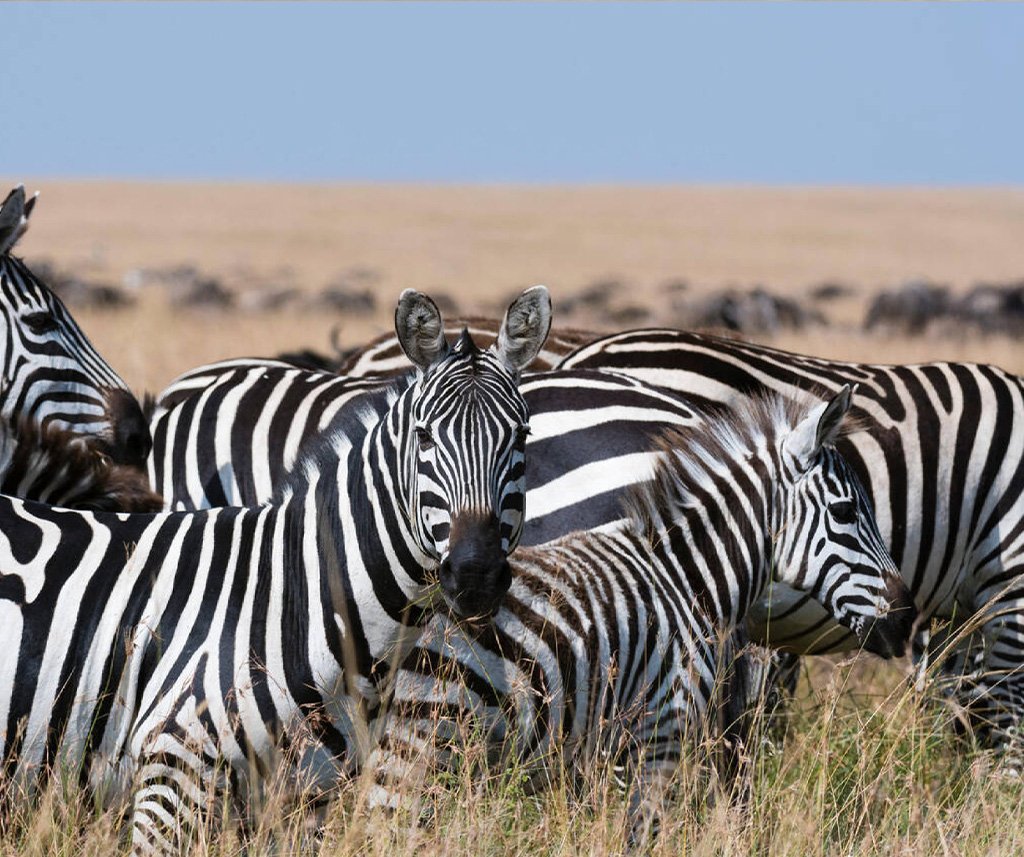
2027 is shaping up to be a spectacular year for big cat enthusiasts. Conservation reports indicate a healthy surge in the lion population. Many cubs born in late 2024 are now active hunters, providing educational and thrilling sightings. The high concentration of prey during the migration months means predators don’t have to travel far, leading to high-action scenes of lions, leopards, and cheetahs protecting their kills from scavengers like hyenas and vultures.
Essential Packing List for 2027
While the Mara is famous for its sun-drenched plains, the 2026 season has seen chilly early mornings.
-
Layered Clothing: Neutral tones (tan, khaki) are best. Avoid blue/black as they attract tsetse flies.
-
High-Quality Binoculars: Essential for spotting leopards draped in acacia trees.
-
Dust Protection: A scarf or “buff” is necessary during the dry August-September peak.
-
Power Bank: While luxury camps have charging stations, a portable battery is vital for long days in the bush.
Sustainable Travel and Ethics
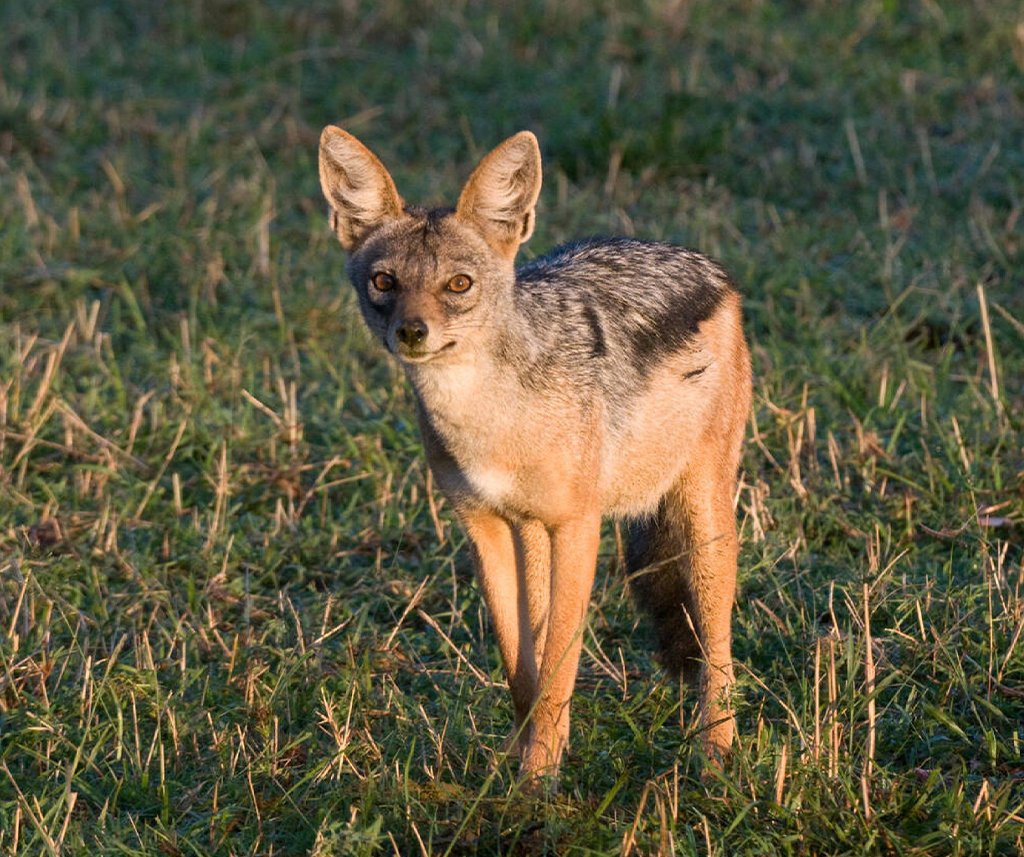
As part of the Masai Mara Safari Guide’s commitment to conservation, visitors are encouraged to follow the “Leave No Trace” principles. 2027 has seen stricter enforcement of off-road driving rules. Rangers are now utilizing thermal-equipped drones for rhino monitoring and anti-harassment of wildlife. Supporting lodges that contribute to community land-leasing ensures that your tourism dollars directly benefit the Maasai landowners and protect vital wildlife corridors.
Photography Tips for the 2027 Season
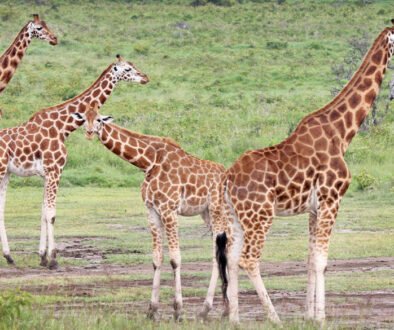
With the surge in wildlife density, photographers should bring a versatile lens (100-400mm or 200-600mm). The “Golden Hour” in the Mara—just after sunrise and just before sunset—provides the iconic silhouettes of giraffes and elephants against a deep orange sky. For those visiting in the “Green Season” (March-May 2026), the air is crisp and dust-free, making colors pop with incredible vibrancy.
PREMIER LUXURY ACCOMMODATIONS
Luxury Lodges in Masai Mara National Reserve
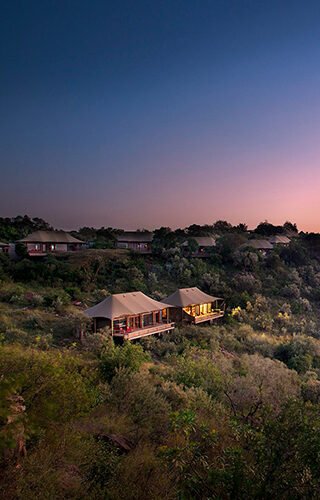
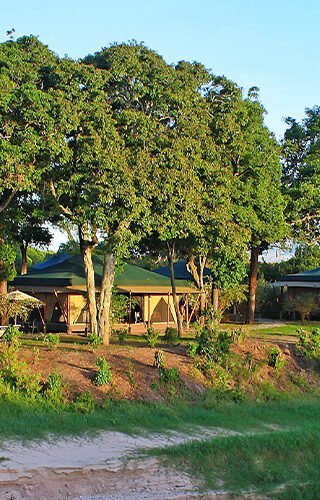
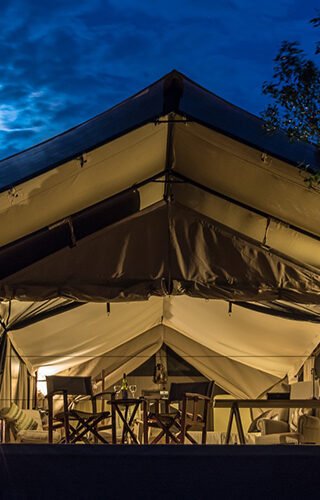
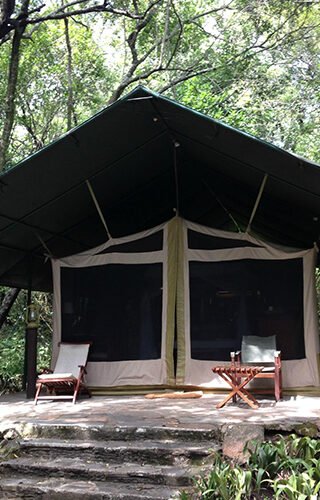
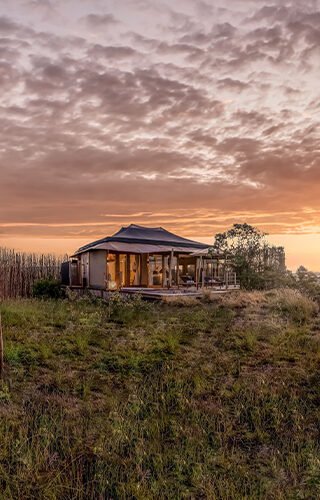
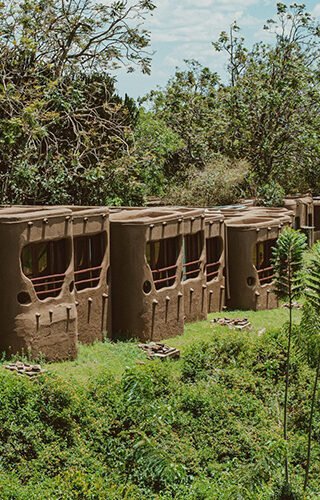
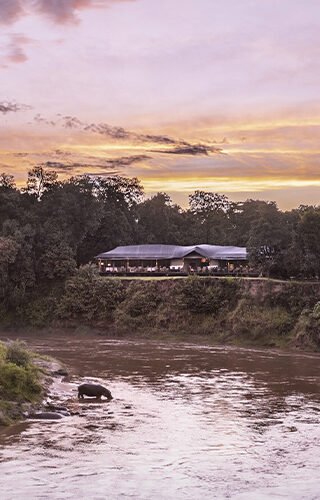
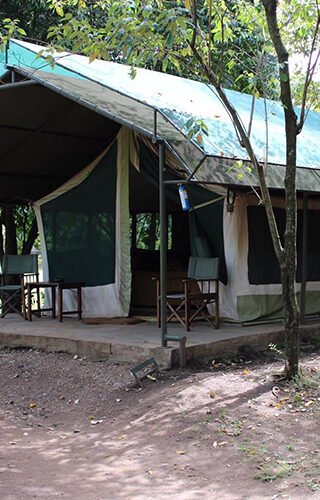
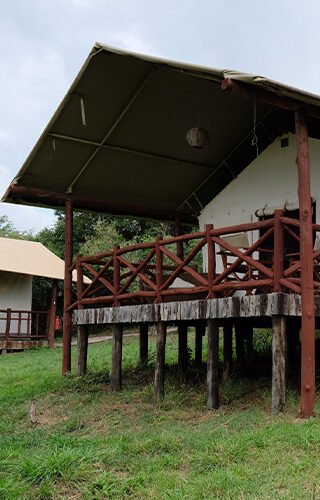
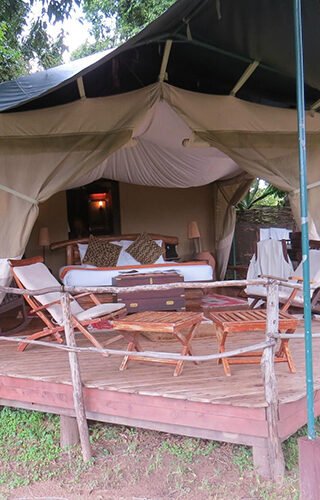
Looking for the best luxury lodges in Masai Mara National Reserve? Discover elite 5-star stays like JW Marriott and Mara Serena—located directly inside the park.