Samburu National Reserve Safari 2027: The Essential Visitor Guide
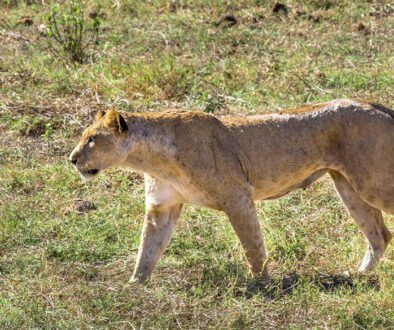
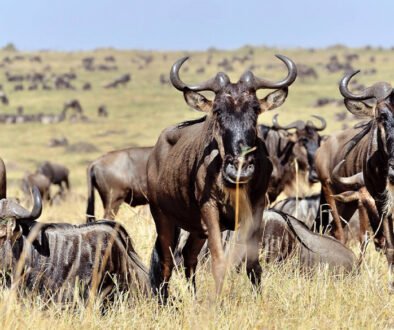
For many, the draw of a Samburu National Reserve Safari is the opportunity to see species that simply do not exist in other parts of the country. This is the home of the “Samburu Special Five”—a collection of rare animals perfectly suited to the arid heat.
Essential Safari Profile: Samburu at a Glance
Category | Low Season (Jan – June) | Peak Season (July – Dec) |
Entry Fee (Adult) | $80 per 24 hours | KES 1,600 |
Entry Fee (Child) | $40 per 24 hours | KES 800 |
Best Time to Visit | June - October | January - March |
Primary River | Ewaso Nyiro | – |
Witness the Rare “Samburu Special Five”
On a Samburu National Reserve Safari, your checklist isn’t just about the Big Five. You are hunting for the unique:
-
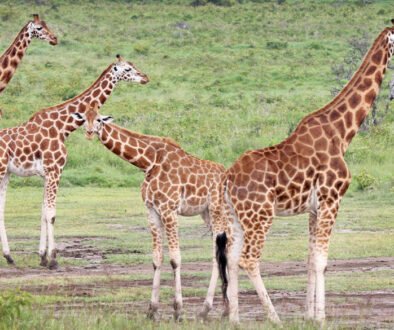
Reticulated Giraffe: Recognizable by its striking, liver-colored geometric patterns.
-
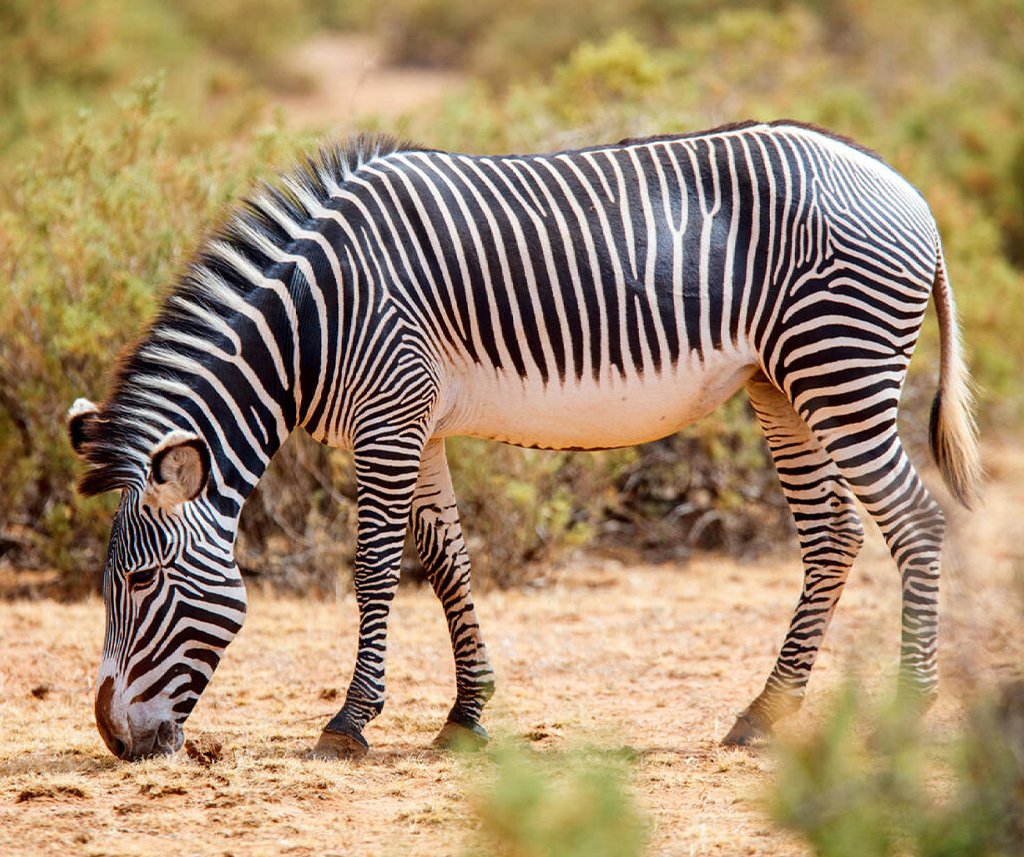
Grevy’s Zebra: Larger than the common zebra with much finer, narrower stripes.
-
Somali Ostrich: Distinguished by the blue-gray skin on its neck and legs.
-
Beisa Oryx: An elegant antelope with long, straight horns.
-
Gerenuk: The “giraffe-necked” antelope that stands on its hind legs to reach high acacia leaves.
The Life-Giving Ewaso Nyiro River
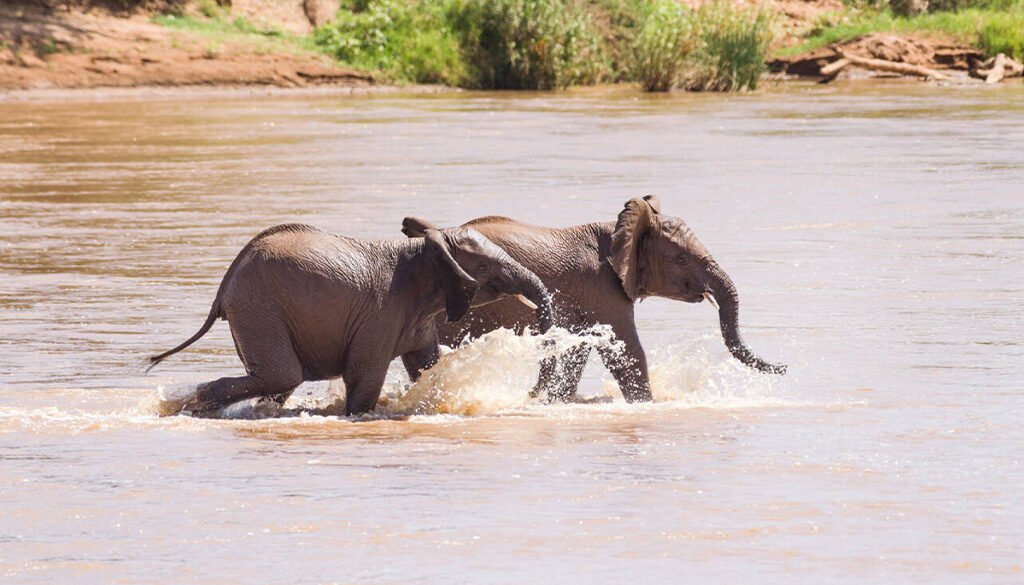
The pulse of every Samburu National Reserve Safari is the Ewaso Nyiro River. In this parched landscape, the river is the only source of water for miles. Large herds of elephants—sometimes numbering in the hundreds—gather along the banks to bathe and drink. If you position your safari vehicle near the water’s edge in the late afternoon, the wildlife essentially comes to you.
Minimalist Luxury and “Travel with Purpose”
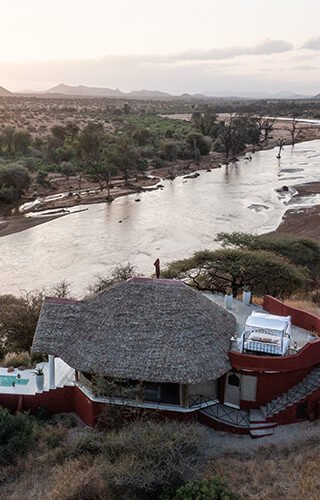
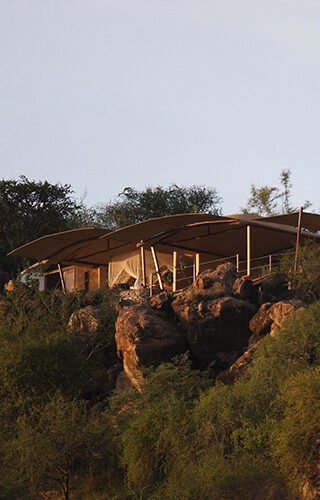
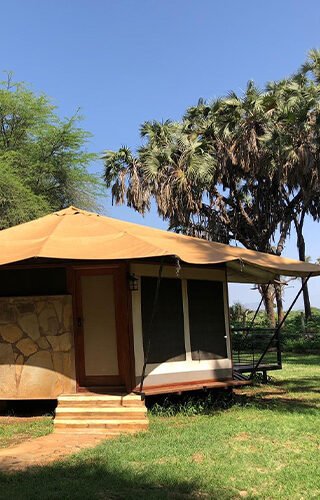
In 2027, the trend for a Samburu National Reserve Safari has shifted toward high-end, minimalist lodges that blend into the rocky outcrops. These accommodations often partner with local Samburu communities, offering guests a chance to engage in humanitarian or educational visits. This “safari with a soul” approach ensures your travel dollars support both conservation and the people who have lived alongside these animals for centuries.
The Weather and What to Pack
Because this is a semi-arid region, it gets hot. During a Samburu National Reserve Safari, temperatures can easily reach 32°C (90°F). Pack light, breathable clothing in neutral tones. However, don’t forget a warm jacket for the early morning game drives; the desert air is surprisingly crisp before the sun rises.
Navigating the Fees in 2027
It is important to note that a Samburu National Reserve Safari is managed by the Samburu County Government, not KWS. As of early 2027, the entry fee for non-residents is $80 per 24 hours. Most high-quality safari packages will include these fees in the total cost but always double-check your invoice to avoid surprises at the gate.
Photography Opportunities
For the content creators, a Samburu National Reserve Safari offers a different color palette than the green hills of the south. The earth here is a rich, burnt orange, and the light during the “golden hour” is nothing short of magical. The contrast between the red soil and the blue-gray neck of a Somali Ostrich makes for world-class photography.
The Impact of Your Visit
Choosing a Samburu National Reserve Safari helps fund the protection of endangered species like the Grevy’s Zebra, whose numbers have dwindled in recent decades. Conservationists in the area work tirelessly to mitigate human-wildlife conflict, and the revenue from your Samburu National Reserve Safari is a direct contribution to these efforts.
PREMIER LUXURY ACCOMMODATIONS
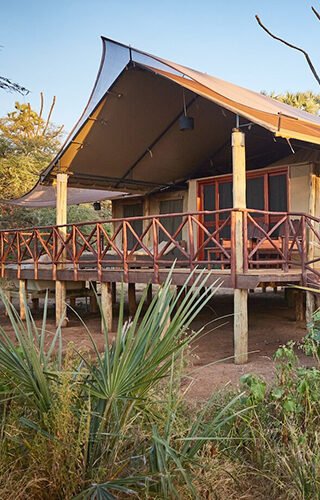
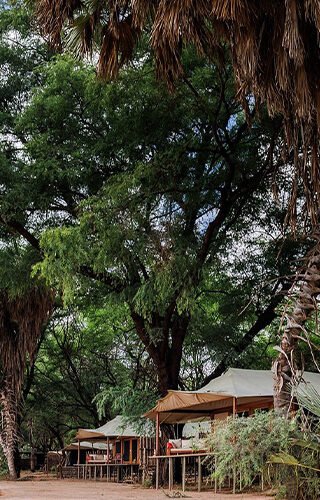
Luxury Safari Lodges in Samburu
Discover the best luxury safari lodges in Samburu. From riverside tented camps to 5-star retreats, find the perfect high-end stay in Northern Kenya.