Lewa Wildlife Conservancy Safari 2027: The Ultimate Visitor’s Guide
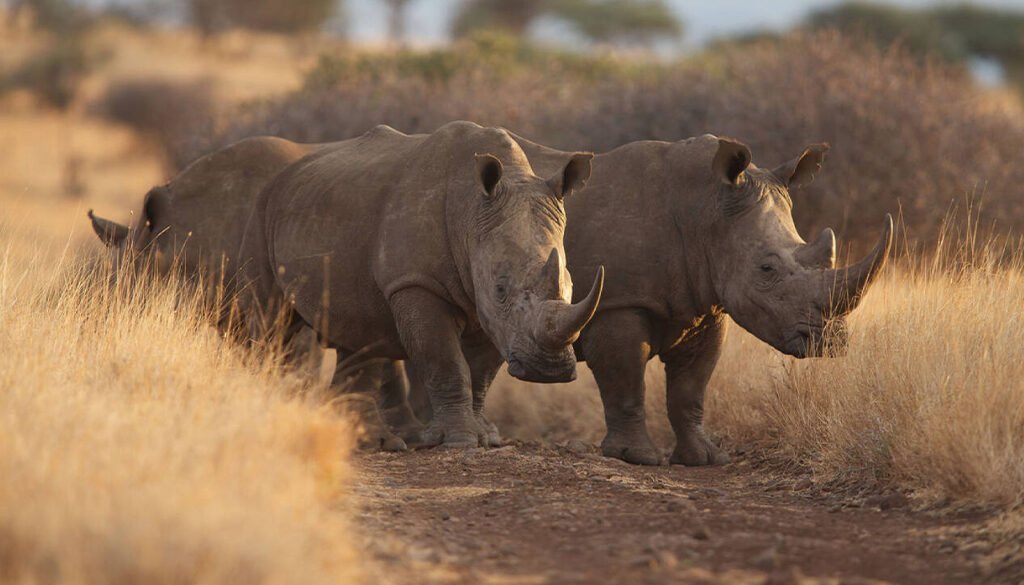
One of the most compelling facts about the Lewa Wildlife Conservancy Safari is its role as a fortress for endangered species. Lewa is home to over 10% of Kenya’s black rhino population and the world’s largest single population of the endangered Grevy’s zebra. Unlike the common plains zebra, the Grevy’s is taller, has narrower stripes, and possesses large, rounded ears. Seeing these majestic creatures against the backdrop of the rolling Laikipia plains is a highlight for any wildlife enthusiast.
Essential Safari Profile: Lewa Wildlife Conservancy at a Glance
Category | Details |
Location | Laikipia County, Northern Kenya |
UNESCO Status | World Heritage Site (Mount Kenya Ecosystem) |
Key Species | Black & White Rhino, Grevy’s Zebra, Big Five |
Best Time to Visit | June to September & January to March |
Entry Fees (2026) | USD 198 (Day) / USD 126 (Overnight) |
Airstrip | Lewa Airstrip (1-hour flight from Nairobi) |
Beyond the Big Five: The Northern Specialties
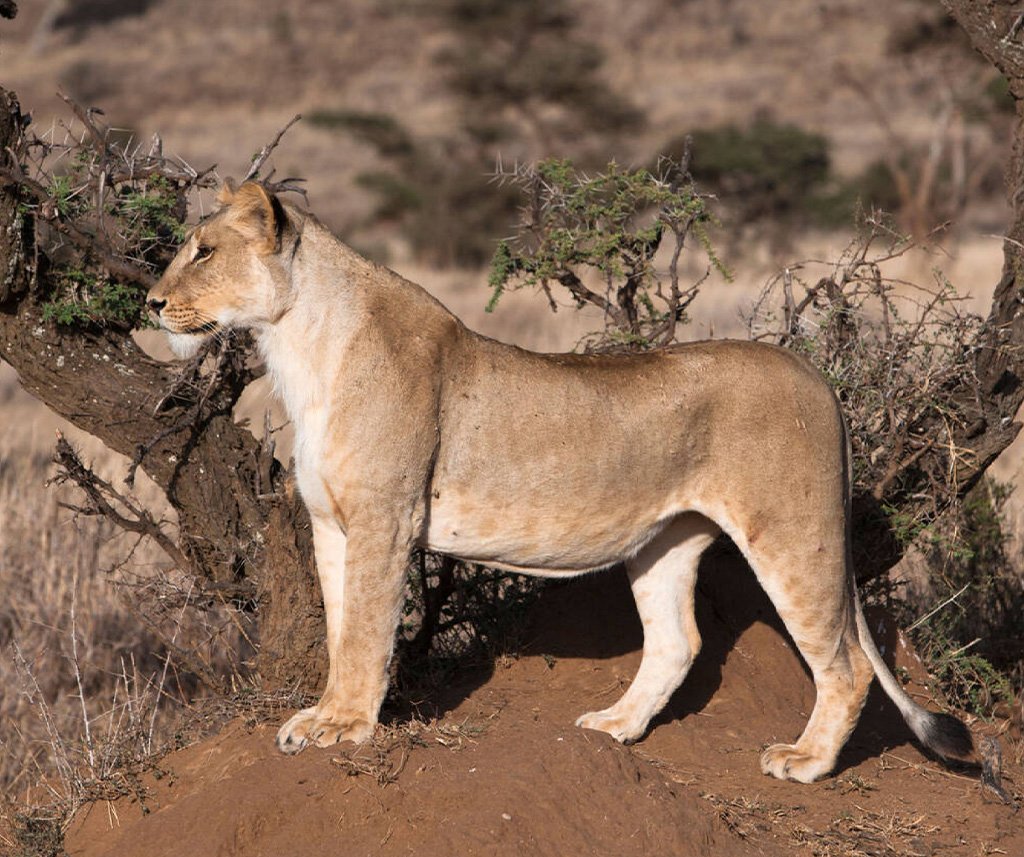
While you can check off the traditional Big Five (Lion, Leopard, Elephant, Buffalo, and Rhino) here, a Lewa Wildlife Conservancy Safari also introduces you to the “Northern Five.” These are species unique to the arid regions of Northern Kenya:
-
Grevy’s Zebra: The world’s most endangered zebra.
-
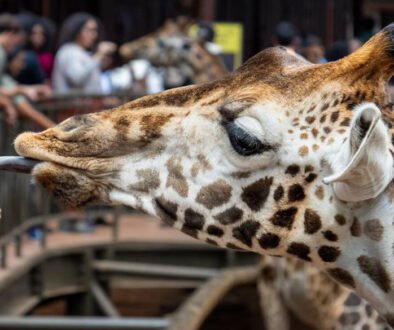
Reticulated Giraffe: Known for its striking, liver-colored polygonal patches.
-
Somali Ostrich: Distinguished by the blue skin on the neck and legs of the males.
-
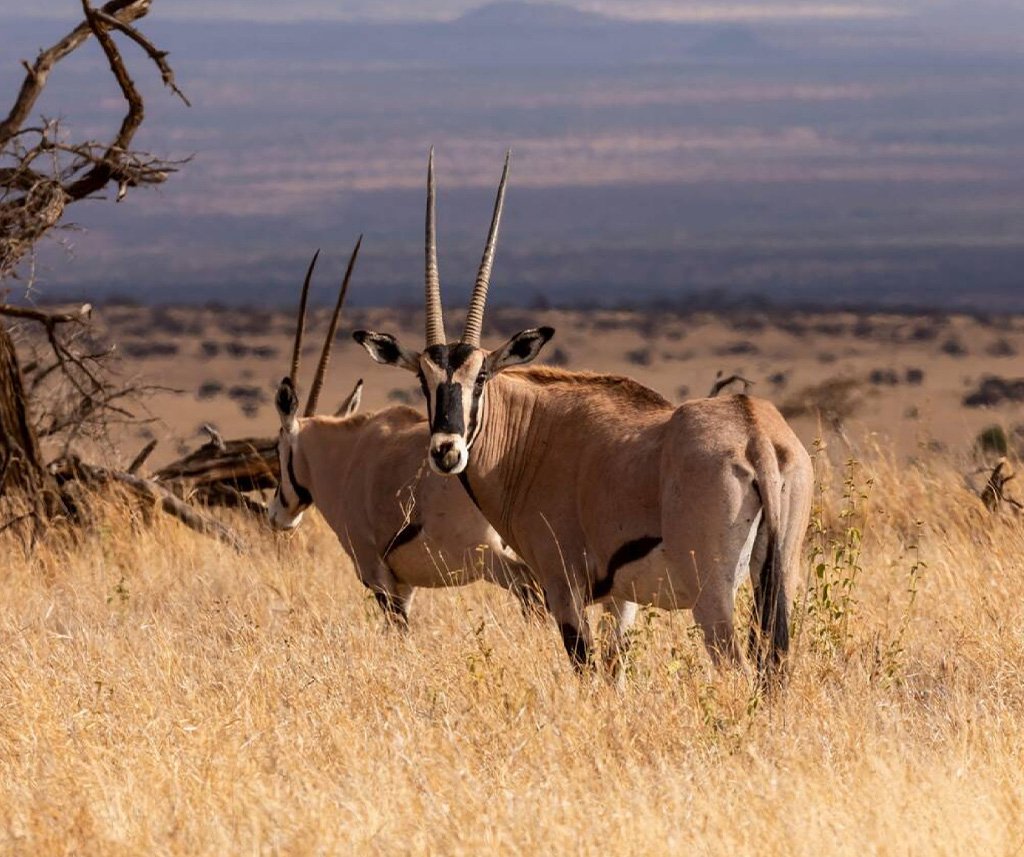
Beisa Oryx: A desert-adapted antelope with long, straight horns.
-
Gerenuk: Often called the “giraffe-necked antelope” for its habit of standing on its hind legs to reach high acacia leaves.
Diverse Safari Experiences: More Than Just Game Drives
Lewa continues to lead the way in offering varied ways to experience the wild. Unlike national parks with strict “stay-in-the-vehicle” rules, Lewa allows for:
-
Walking Safaris: Guided by professional rangers, these walks offer an intimate look at the flora, tracks, and smaller inhabitants of the bush.
-
Horseback & Camel Safaris: Riding alongside a giraffe or a herd of zebra is a surreal experience, as the animals view the horses as fellow herbivores rather than threats.
-
Night Game Drives: This is when the conservancy truly transforms. Armed with spotlights, guides help you spot elusive nocturnal predators like leopards, caracals, and the strange-looking aardvark.
The Lewa Safari Marathon
Consistently ranked as one of the top ten marathons in the world, participants run through the conservancy alongside roaming wildlife. The funds raised during this event are pivotal, supporting over 27 schools and multiple healthcare clinics in the surrounding communities. It is a rare opportunity to run for a cause in one of the most beautiful settings on Earth.
Luxury Meets Sustainability
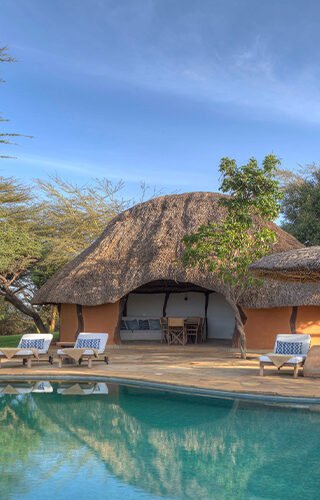
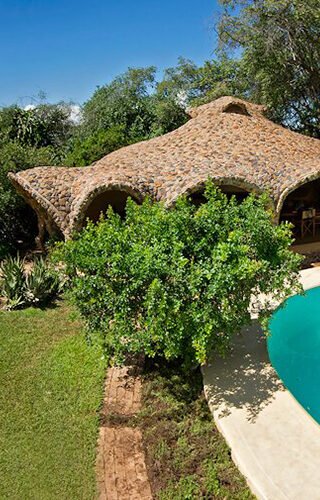
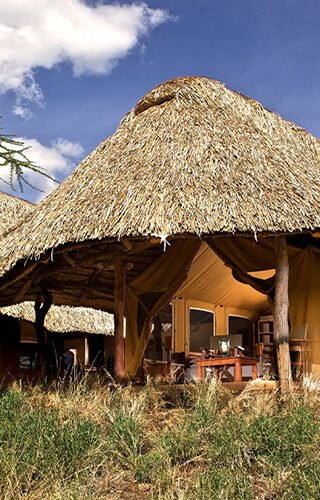
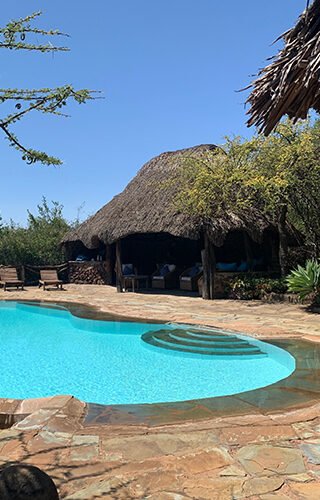
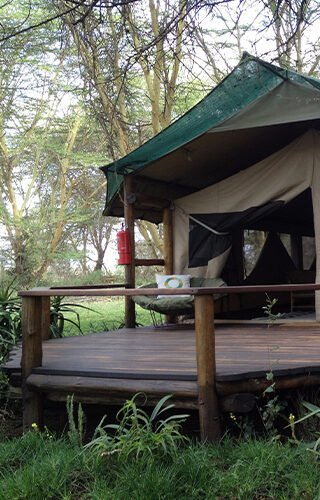
Accommodation within the conservancy is limited and exclusive, ensuring a low-impact tourism model. From the historic Lewa Wilderness (one of Kenya’s oldest safari ventures) to the ultra-luxurious Sirikoi, the lodges here emphasize “conservation tourism.” A significant portion of your nightly rate goes directly back into anti-poaching units, wildlife monitoring, and community development projects. In 2026, many lodges have upgraded to fully solar-powered operations, making your stay even more eco-friendly.
The Ngare Ndare Forest Corridor
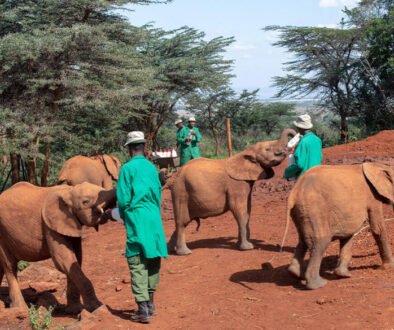
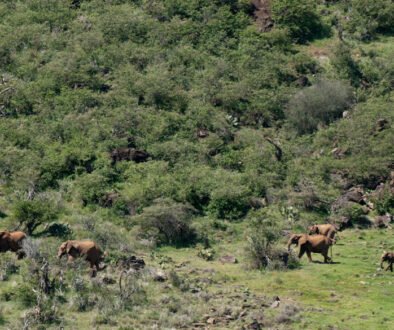
A Lewa Wildlife Conservancy Safari often includes a visit to the neighboring Ngare Ndare Forest. This lush, indigenous forest features an aerial canopy walkway 10 meters above the ground and stunning glacial waterfalls. The forest serves as a vital “elephant corridor,” allowing herds to migrate safely between the conservancy and the slopes of Mount Kenya. Swimming in the azure pools at the base of the waterfalls is the perfect way to cool off after a morning game drive.
Education and Community Impact
Lewa’s success is built on its relationship with the local people. The conservancy employs over 300 staff members, nearly all of whom are from the local community. Visitors are often invited to visit the supported schools or the women’s micro-credit programs. Seeing how the protection of a rhino directly translates into a new classroom or a clean water project provides a profound layer of meaning to your safari.
Planning Your Trip: Practical Tips
-
Weather Patterns: The long rains typically fall in April and May, while the short rains occur in November. Many lodges close during these months due to muddy tracks.
-
Packing Essentials: Even though it’s near the equator, Laikipia sits at a high altitude. Mornings and evenings are surprisingly chilly, so layers are essential. Don’t forget high-quality binoculars for birdwatching—Lewa boasts over 400 species!
-
Getting There: Most visitors choose a bush flight from Nairobi’s Wilson Airport. The one-hour flight provides spectacular views of Mount Kenya. If you choose to drive (approx. 5-6 hours), ensure you use a 4WD vehicle, as the terrain can be challenging.
PREMIER LUXURY ACCOMMODATIONS
Lewa Conservancy Luxury Lodges
Explore the most exclusive Lewa Conservancy luxury lodges. From Sirikoi to Lewa Wilderness, discover high-end stays, rhino conservation, and bespoke safari experiences.