Sustainable Tourism in Kenya: Guide to Ethical Safaris & Ecotourism
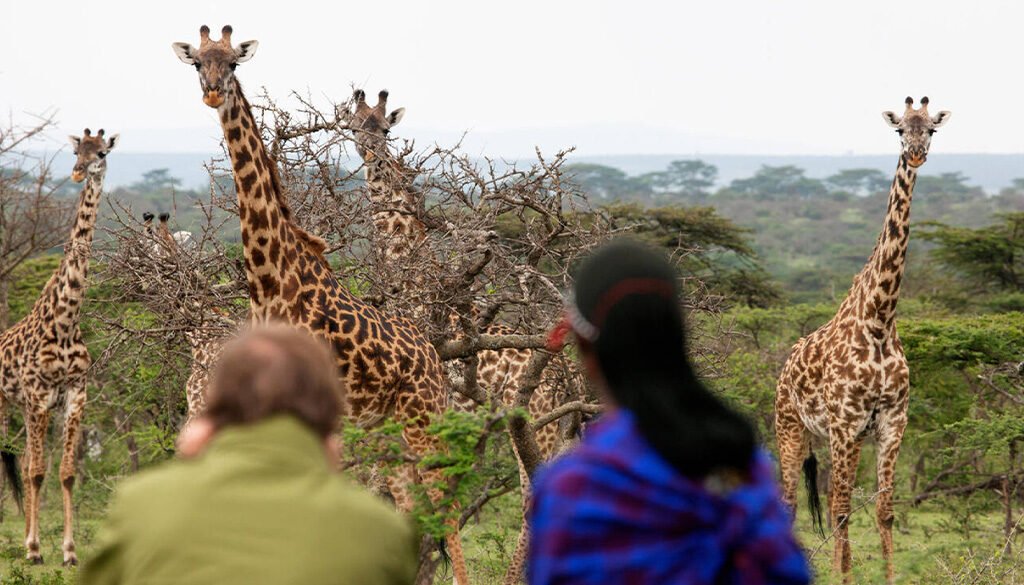
Embracing sustainable tourism in Kenya centers on three fundamental pillars: wildlife conservation, community empowerment, and environmental stewardship. Rather than viewing nature as a product to be consumed, ethical ecotourism views ecosystems as living, collaborative partnerships.
1. The Rise of Community-Owned Conservancies
At the center of the movement for sustainable tourism in Kenya is the remarkable rise of community conservancies. In famous regions like the Masai Mara, Laikipia, and Amboseli, vast tracts of land belong to local pastoralist communities. Through the conservancy model, landowning families lease their property to eco-friendly safari operators. In return, the community receives guaranteed monthly income, funding for schools and healthcare, and job opportunities as rangers, trackers, and lodge managers. In fact, conservancies now protect millions of acres of crucial wildlife migration corridors outside state-run national parks, effectively doubling the habitat available for endangered species like cheetahs, wild dogs, and black rhinos.
When you stay in a community-owned conservancy, your presence directly subsidizes habitat protection. Because conservancies strictly limit the number of beds and safari vehicles allowed inside, you avoid the bumper-to-bumper tourist traffic often seen in high-density parks. Instead, you enjoy intimate, low-impact wildlife encounters where animals can move freely without stress.
2. Eco-Rated Lodges and Green Infrastructure
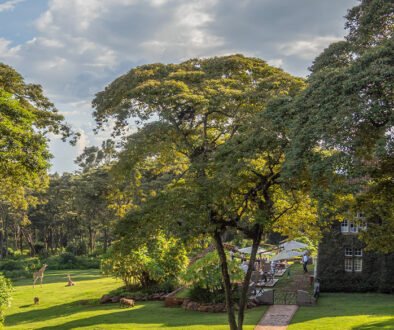
Choosing where to stay is another vital step when booking sustainable tourism in Kenya. Ecotourism Kenya, the country’s leading advisory body, evaluates and certifies lodges and camps using Gold, Silver, and Bronze Eco-ratings based on their operational sustainability. Gold-rated lodges operate with near-zero environmental footprints. They rely almost entirely on solar energy, process wastewater through natural bio-filtration systems, harvest rainwater, and strictly eliminate single-use plastics. Many cultivate organic farm-to-table gardens to supply their kitchens, reducing carbon emissions from food transport while serving fresh, locally sourced meals.
Sustainability Metric | What an Ethical Lodge Looks Like |
Energy | Powered primarily by solar arrays rather than heavy diesel generators. |
Waste Management | Strict single-use plastic bans, on-site water bottling plants using reusable aluminum flasks, and responsible greywater recycling. |
Sourcing | Organic produce sourced directly from local agricultural communities to reduce food miles and stimulate the local economy. |
3. Human Sustainability and Cultural Respect
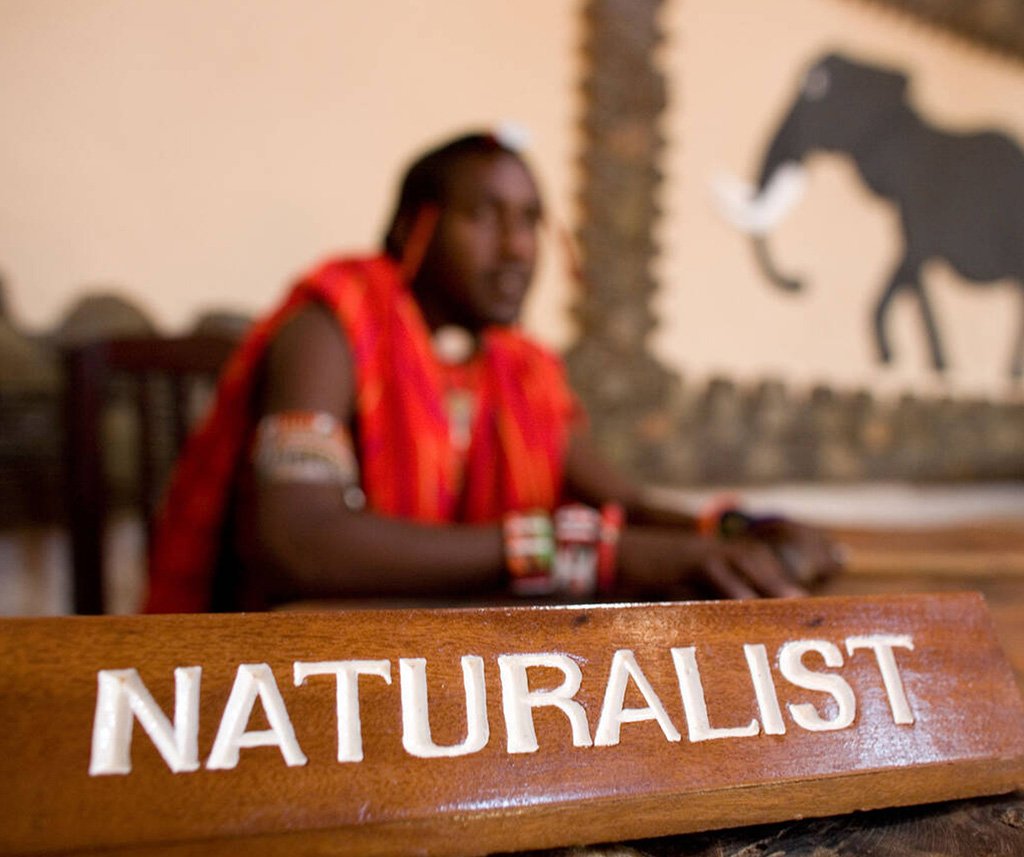
Beyond green infrastructure, an authentic eco-lodge prioritizes human sustainability. Operators dedicated to sustainable tourism in Kenya employ and upskill staff from neighboring villages, source handicrafts directly from local women’s cooperatives, and honor indigenous traditions without turning local cultures into staged photo props. When visiting a local village, ethical operators ensure that interactions are authentic, respectful, and mutually beneficial, guaranteeing that cultural visits genuinely support community-led initiatives rather than commercial exploitation.
4. Low-Impact Safari Etiquette
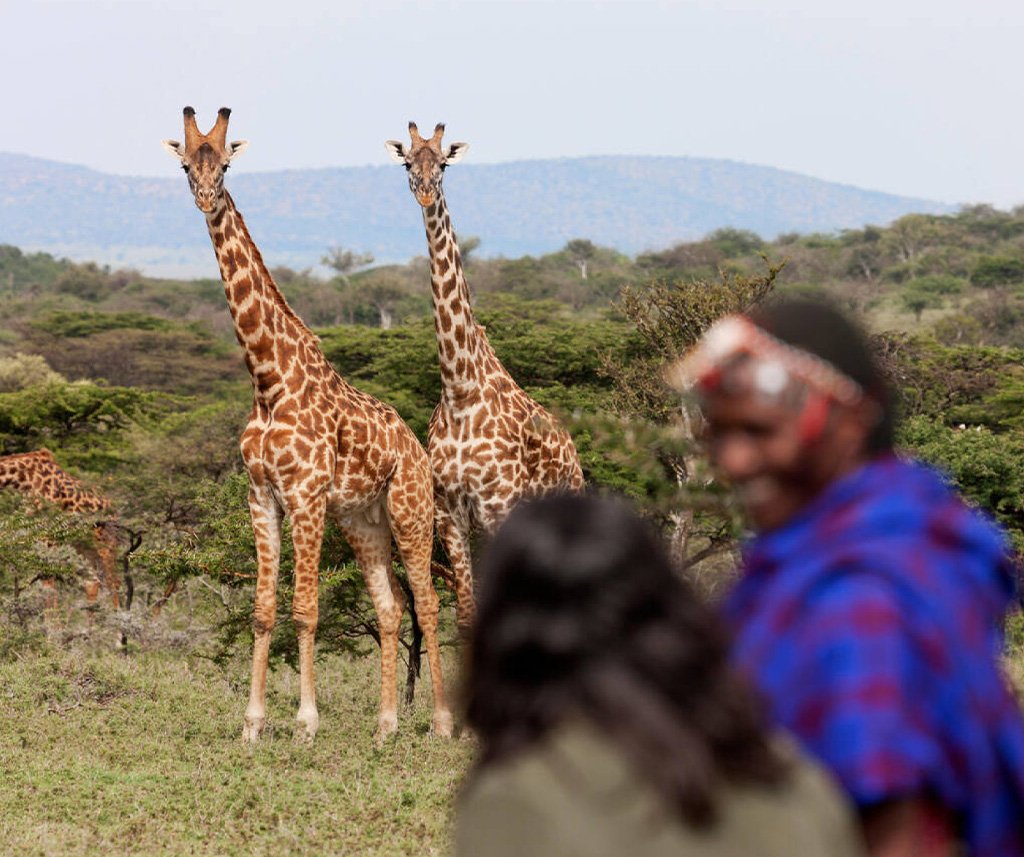
As a traveler, adopting an ethical mindset on game drives makes a world of difference for sustainable tourism in Kenya. Simple habits—such as encouraging your guide to maintain a safe distance from wildlife, staying on designated tracks to prevent soil erosion, keeping noise levels low, and avoiding night disruptions with bright lights—protect animal welfare. Ethical guides understand animal behavior deeply; they know that driving too close to a predator on a hunt can ruin its dinner, or that encircling a mother elephant can trigger protective aggression. By respecting wild boundaries, you witness natural, unscripted animal behavior in its purest form.
5. Silent Innovation: Electric Safari Vehicles
Transportation choices also play a growing role in advancing sustainable tourism in Kenya. An increasing number of forward-thinking safari companies are converting their traditional diesel 4×4 land cruisers into silent, 100% electric safari vehicles powered by solar grids. Riding in an electric safari vehicle is a game-changer: without the rumble of an internal combustion engine, you glide silently through the bush, listening to the subtle sounds of rustling grass and bird calls without emitting exhaust fumes into pristine ecosystems.
6. Marine Ecotourism along the Coastline
The impact of eco-conscious travel extends far beyond the savanna to Kenya’s stunning coastline and vibrant coral reefs. Expanding sustainable tourism in Kenya to places like Watamu and Diani is pioneering marine conservation, where travelers support sea turtle rescue projects, mangrove reforestation, and community-led coral reef restoration. Just as on land, marine ecotourism ensures that coastal fishing communities benefit financially from keeping marine ecosystems intact rather than overexploiting them.
7. Creating a Lasting Legacy of Conservation
Ultimately, choosing sustainable tourism in Kenya transforms the traveler from a passive observer into an active guardian of the wild. Every choice you make—from selecting a certified eco-lodge and booking with a community conservancy to supporting local artisans and reducing single-use waste—sends a powerful message to the global travel industry. You prove that pristine nature and thriving wildlife are worth far more alive and protected than exploited. When done right, travel does not leave a scar on the land; it leaves a legacy of hope, protection, and prosperity for the wilderness and the indigenous people who call it home. By planning your eco-friendly safari thoughtfully, you actively participate in protecting Africa’s irreplaceable natural heritage for all future generations forever.