Why Booking with Local Tour Operators in Kenya Saves You Money & Saves Wildlife?
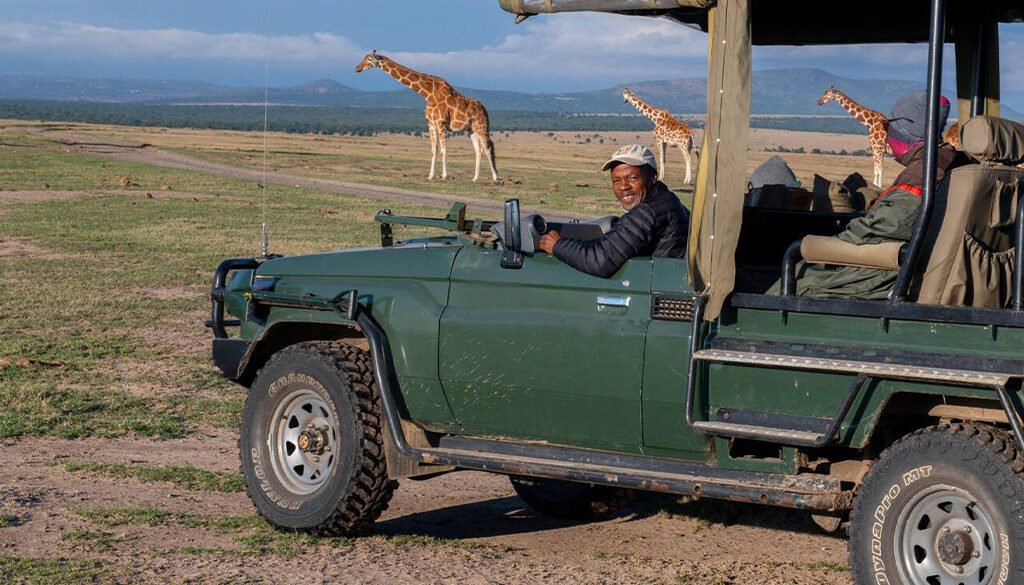
Cut out the middleman. Discover how booking direct with local tour operators in Kenya reduces your safari price by 20-30% while funding vital wildlife conservation.
Why Booking Direct with a Local Kenya Safari Operator Saves You Money and Benefits Conservation?
Planning an African safari is a bucket-list milestone, but it often comes with a steep price tag. As you research, you’ll likely encounter large, international travel agencies based in the US or UK offering beautiful luxury packages.
However, booking your trip directly with independent, local tour operators in Kenya is not just a budget-friendly strategy – it is the single most impactful choice you can make for wildlife conservation and community empowerment.
Here is exactly how cutting out the middleman changes the game for your wallet and the wild.
1. Eliminate the 20% to 30% “Middleman Markup”
When you book a safari through an international travel agent in your home country, they rarely own the safari jeeps, employ the guides, or operate the camps. Instead, they act as brokers, outsourcing the actual execution of your trip to a ground team in Nairobi.
To cover their corporate overhead, marketing, and profit margins, these overseas agents add a substantial markup—often 20% to 30% higher than the local rate.
The Direct Benefit: Booking direct with a local operator means your money goes straight to the team providing the actual service. You get the exact same lodges, vehicles, and expert guides, but without the inflated retail commission.
Booking Route | Price Per Day (Mid-Range) | Where the Money Goes? |
International Agency | $600 – $900 per person | Overseas marketing, corporate offices, local subcontracting |
Direct Local Operator | $400 – $700 per person | Local wages, vehicle upkeep, park fees, camp operations |
2. True Customization Based on Real-Time Ground Reality
International agents often sell rigid, cookie-cutter brochures because they lack daily, boots-on-the-ground knowledge of East Africa’s shifting ecosystems.
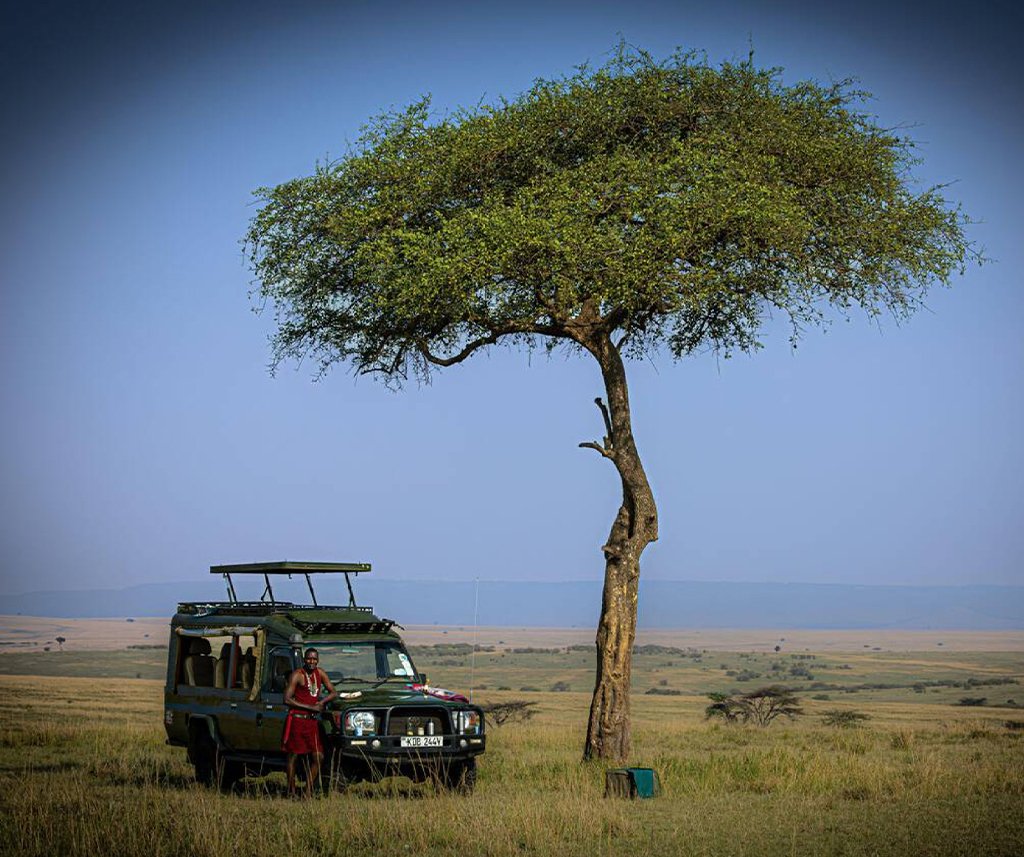
Local Kenyan operators live and breathe the environment. They know exactly which river crossing points are active in the Masai Mara, which waterholes in Amboseli are currently drawing the elephant herds, and how weather patterns are impacting road conditions this week.
This hyper-local expertise allows them to customize your itinerary with absolute precision, ensuring you don’t waste money on unnecessary internal flights or poorly timed park stays.
3. Direct Funding for Grassroots Wildlife Conservation
In Kenya, wildlife cannot survive without sustainable tourism. However, when you book through an international agency, a massive chunk of your travel spend never leaves your home country.
When you contract a local operator, your capital flows directly into the Kenyan tourism economy. This revenue is the primary funding mechanism for:
-
Anti-Poaching Patrols: Funding the rangers who protect endangered rhinos in Ol Pejeta and Lewa.
-
Habitat Protection: Paying lease fees to Maasai landowners in private conservancies, ensuring ancestral lands remain unfenced wildlife corridors rather than agricultural farms.
-
Human-Wildlife Conflict Mitigation: Building predator-proof bomas (livestock enclosures) to keep local communities and lions safe.
4. Fair Wages and Community Upliftment
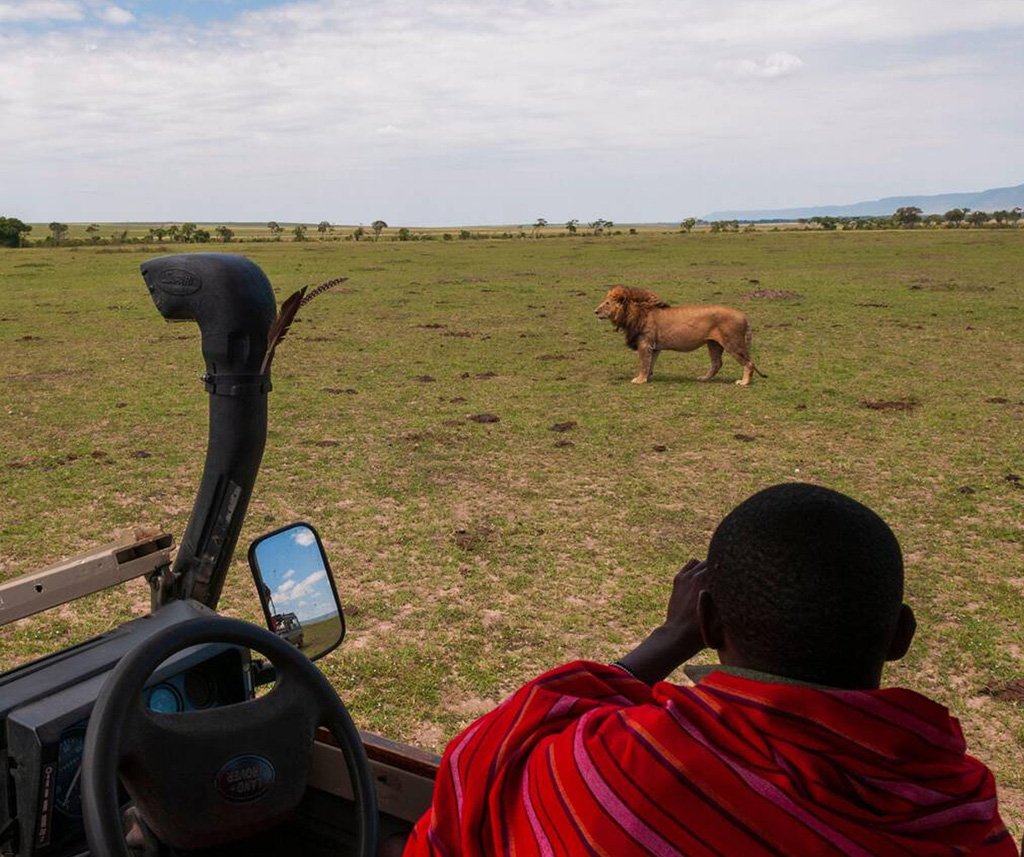
Conservation only works when local communities directly benefit from the presence of wildlife. Local tour operators are heavily invested in their communities, employing indigenous guides, drivers, chefs, and camp staff.
By keeping your tourism dollars within the host country, you ensure fair, dignified wages for the people who act as the frontline guardians of Africa’s wilderness. Your safari directly funds local schools, clean water projects, and healthcare clinics adjacent to major game reserves like Samburu and the Amboseli basin.
How to Verify a Genuine Local Operator?
To ensure you are dealing directly with an authentic local team, look for these three credentials on their digital platforms:
-
KATO Membership: Ensure they are registered with the Kenya Association of Tour Operators, which enforces strict ethical and financial codes of conduct.
-
TRA License: Check for a valid license from the Tourism Regulatory Authority of Kenya.
-
Local Bank Details: A genuine local operator will typically require payments through a secure local merchant gateway or a corporate bank account based in Nairobi.