Where is the Best Place for Wildlife Viewing in March?
If you are searching for the absolute crown jewel of wildlife viewing in March, pack your bags and head straight for the southern Serengeti and the surrounding Ndutu plains of Tanzania.
The Rhythm of the Rains and the Great Calving Season
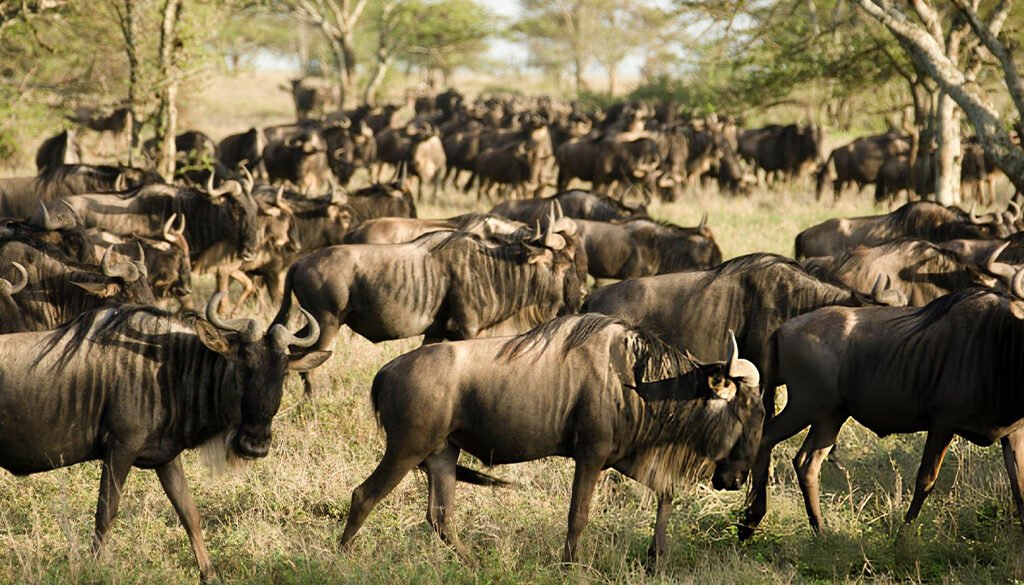
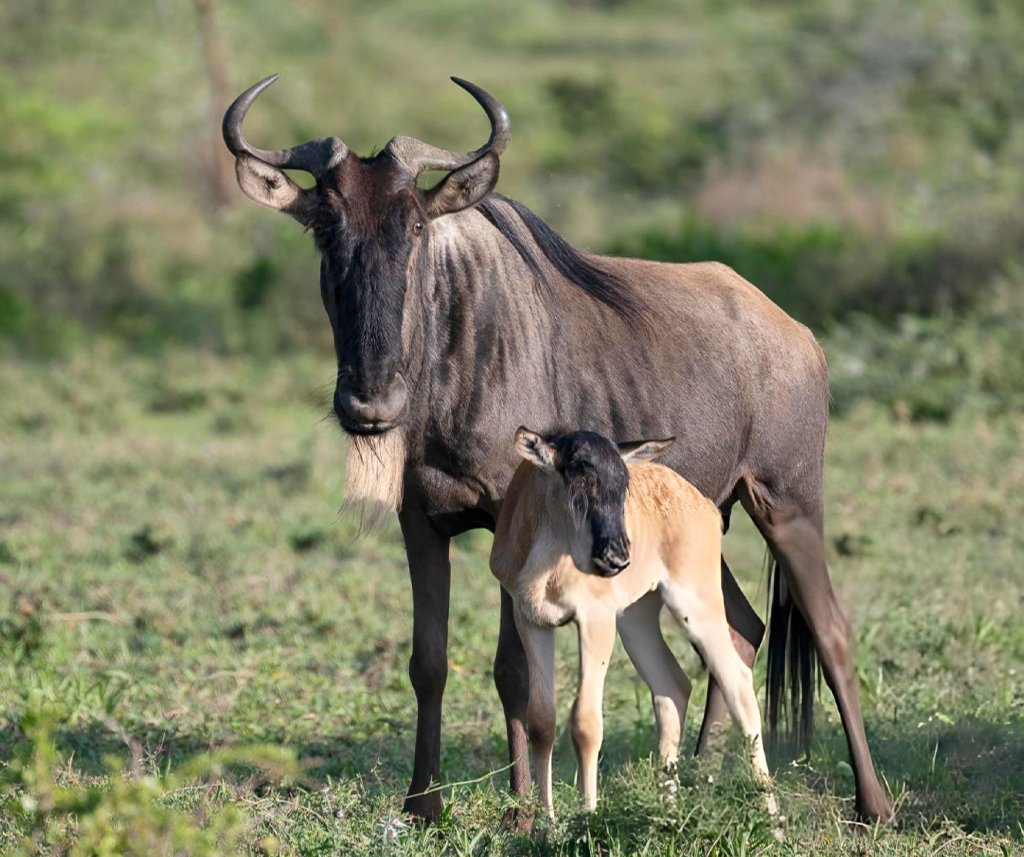
To understand why the southern Serengeti steals the spotlight, you have to follow the rhythm of the rains. Early in the year, the great herds of the wildebeest migration – over one and a half million wildebeest, accompanied by hundreds of thousands of zebras and gazelles, gather on the nutrient-rich, short-grass plains of Ndutu and the southern Serengeti. By late January and February, the famous calving season reaches its fever pitch. Hundreds of thousands of tiny, vulnerable calves are brought into the world in a matter of weeks.
By the time March rolls around, these newborn animals are finding their legs, testing their speed, and learning the harsh lessons of survival on the open African plain. The landscape is lush, carpeted in deep emerald greens from the seasonal rains, providing abundant food for the grazing massive herds. But where there is an overwhelming concentration of young, defenseless prey, the planet’s greatest hunters are never far behind.
High-Stakes Predator Action on the Open Savannah
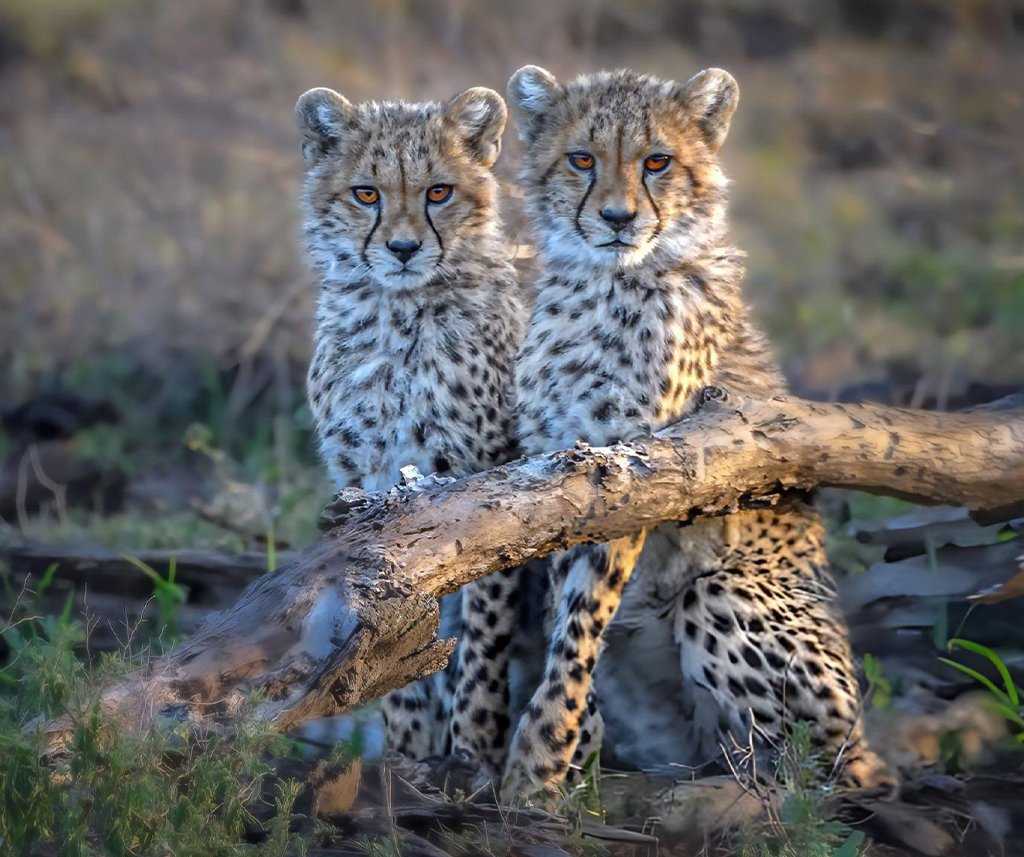
This period delivers some of the most intense predator activity you will ever experience. Pride after pride of lions stretch out on kopjes and rocky outcrops, their golden eyes tracking every movement across the plains. Cheetahs, built for sheer speed, take advantage of the short grass to launch lightning-fast pursuits, attempting to outpace nimble gazelles and young wildebeest. Leopards haul their kills into the branches of sprawling acacia trees, watching the chaotic drama unfold below.
The air is thick with anticipation. You might watch a mother cheetah teaching her young cubs how to stalk, or witness a massive lion pride working in unison as the sun dips below the horizon, painting the sky in fiery shades of crimson and violet.
The Secrets of the Green Season: Solitude and Emerald Landscapes
Yet, the magic of visiting this region at this time goes far beyond the big cats and big herds. March falls squarely into what safari insiders lovingly call the green season. The heavy crowds of peak summer have evaporated, leaving the vast wilderness blissfully uncrowded. Instead of queuing up with dozens of other vehicles around a single sighting, you often feel as though you have the entire African continent to yourself. The atmosphere is quiet, serene, and deeply personal.
Furthermore, the brief afternoon rains clear the dust from the atmosphere, creating crisp, clear air and jaw-dropping light that photographers dream about for a lifetime. Dramatic cloud formations loom over golden fields, and the vibrant contrast of green earth against dark sky makes every vista look like a museum-worthy painting. It is also a golden era for birdwatchers. Millions of migratory birds from Europe and Asia are present, performing acrobatic aerial displays and filling the air with a symphony of calls before they begin their long journey back north.
Why Southern Tanzania?
Southern Tanzania is a place where you can sit in an open-top safari vehicle as the dawn light breaks, listening to the thunderous low rumble of thousands of grunting wildebeest. You watch the mist rise off the grass, spot a lone hyena trotting back from a night hunt, and watch a newborn calf take its very first unsteady steps into a complex, wild world.
Choosing a holiday spot is always about balance – weighing weather, animal movements, and crowd levels. Southern Tanzania strikes that balance with absolute perfection. You get the unmatched density of the Great Migration, the thrilling intensity of predator action, the beauty of a lush green landscape, and the peaceful solitude that only off-peak travel can offer. It is not just a holiday; it is an immersive front-row seat to the ancient, eternal rhythm of life on Earth.