David Sheldrick Wildlife Trust 2027: The Ultimate Visitor’s Guide
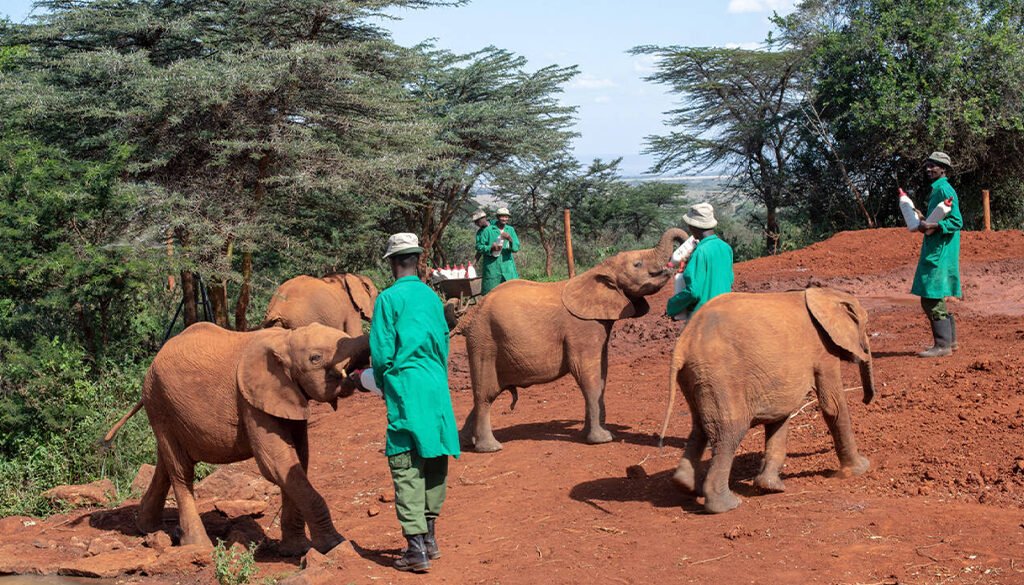
The David Sheldrick Wildlife Trust remains the world’s most successful orphan-elephant rescue and rehabilitation program. Located on the edge of Nairobi National Park, this sanctuary provides a lifeline for milk-dependent baby elephants who have lost their mothers to poaching, human-wildlife conflict, or natural disasters. For travelers planning a journey to Kenya in 2027, understanding the logistics of this iconic institution is vital, as it operates with strict protocols to prioritize animal welfare.
Essential Safari Profile: David Sheldrick Wildlife Trust at a Glance
Category | Details |
Location | Magadi Road, KWS Mbagathi Gate, Nairobi, Kenya |
Key Species | African Elephant (Loxodonta africana), Black Rhino (Diceros bicornis) |
Best Time to Visit | June to October (Dry season for optimal photography) |
Entry Fees (2027) | $20 USD (Trust Donation) + $80 USD (KWS Park Fee) |
Operating Hours | 11:00 AM to 12:00 PM Daily |
The Heart of Elephant Conservation
The David Sheldrick Wildlife Trust was founded in 1977 by Dr. Dame Daphne Sheldrick in memory of her husband, David Sheldrick, the founding warden of Tsavo East National Park. For five decades, the Trust has perfected the complex science of raising infant elephants. One of the most critical David Sheldrick Wildlife Trust facts is that they developed a specialized milk formula that mimics the nutritional density of a mother elephant’s milk—a breakthrough that has saved hundreds of lives.
Mandatory Booking and Visiting Hours
If you are planning to visit the David Sheldrick Wildlife Trust in 2027, you must book your slot months in advance. The public visiting hour is strictly limited to one hour per day: 11:00 AM to 12:00 PM. During this time, the orphans arrive in two groups for their midday milk feeding and a playful mud bath. Because capacity is capped to minimize stress on the animals, the 11:00 AM window is the only time the general public can observe the nursery herd.
Understanding the 2027 Fee Structure
Visiting the David Sheldrick Wildlife Trust involves two separate payments. First, there is a minimum donation of $20 USD per person paid directly to the Trust, which goes toward the care of the orphans. Second, as the nursery is located within the boundaries of Nairobi National Park, all visitors must pay the Kenya Wildlife Service (KWS) park entry fee. As of early 2027, this fee stands at $80 USD for non-resident adults. It is highly recommended to pay the KWS fee via the eCitizen portal before arrival to avoid long queues at the Mbagathi Gate.
The Magic of the Midday Mud Bath
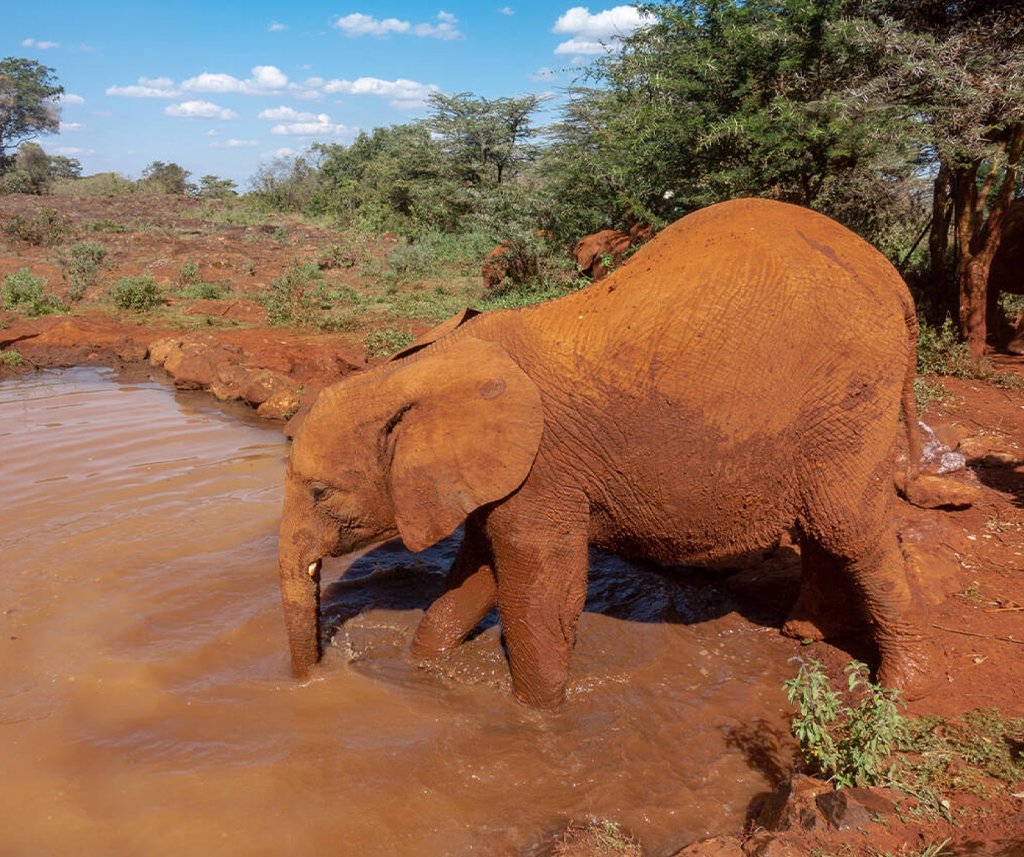
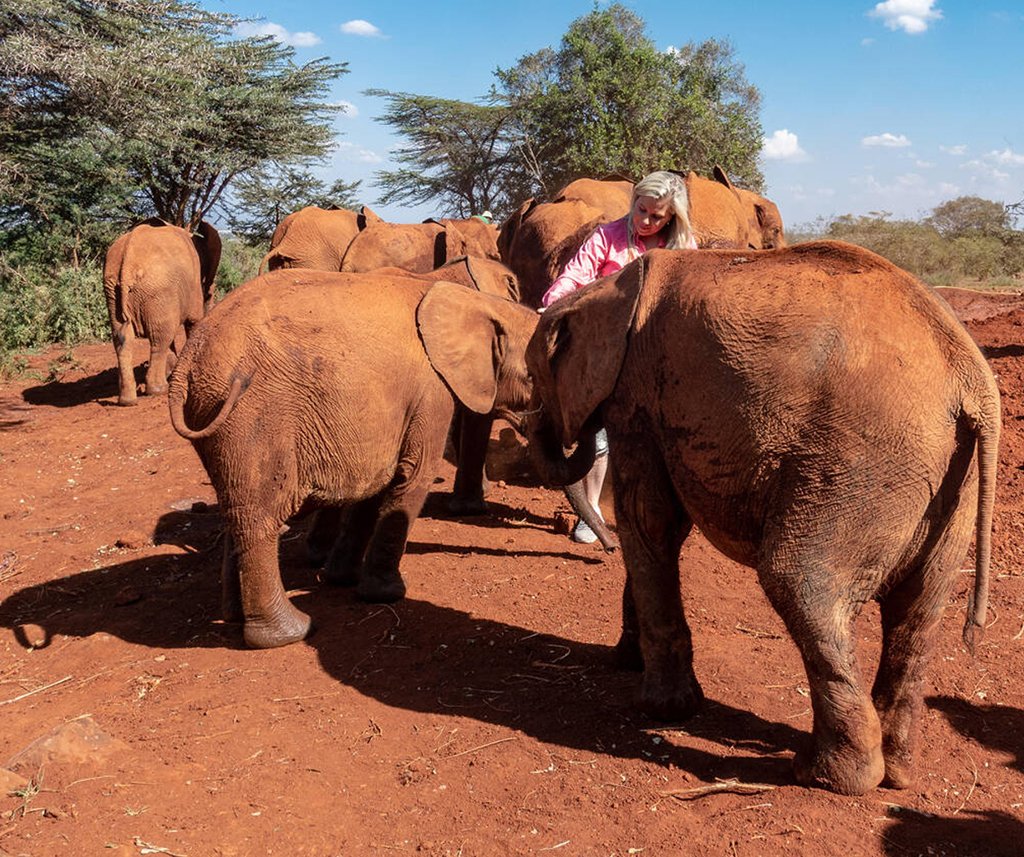
The highlight of any trip to the David Sheldrick Wildlife Trust is watching the orphans interact. As the keepers bring out the giant milk bottles, the elephants charge toward them with flapping ears and trumpets of joy. Once fed, they engage in a mud bath, which is not just for fun—it acts as a natural sunscreen and parasite repellent. Visitors stand behind a low rope cordon, often finding themselves just inches away from a mischievous trunk reaching out for a greeting.
Fostering: A Deeper Connection
For those who want a more intimate experience with the David Sheldrick Wildlife Trust, the fostering program is the gold standard. For $50 USD per year, you can “adopt” an orphan of your choice. Fosters receive monthly email updates on their elephant’s progress and, most importantly, the opportunity to book a private “Fosters’ Visit” at 5:00 PM. This evening session allows you to see the elephants returning from the forest to their night stockades for their final feeding of the day.
Rehabilitation and the Journey to Tsavo
The Nairobi Nursery is only the first stage of a long journey. Once the elephants reach approximately three to four years of age and are no longer milk-dependent, the David Sheldrick Wildlife Trust transfers them to one of three reintegration units in the Tsavo ecosystem (Voi, Ithumba, or the Kibwezi Forest). Here, they spend several more years gradually transitioning back into the wild, eventually joining local wild herds. This process can take up to ten years, reflecting the deep emotional and social needs of the species.
Strategic Travel Tips
To make the most of your David Sheldrick Wildlife Trust experience, keep these logistical tips in mind:
-
Arrival Time: Aim to be at the Mbagathi Gate (Magadi Road) by 10:15 AM. Traffic in Nairobi is notoriously unpredictable, and the KWS gate clearance can take time.
-
Photography: The light at 11:00 AM is bright. Position yourself on the far side of the rope for the best “action shots” of the mud bath.
-
Dress Code: Wear comfortable, closed-toe shoes. The viewing area can be dusty or muddy depending on the season.
-
Combine Your Trip: The nursery is located near the Giraffe Centre and Karen Blixen Museum, making it easy to create a full day of conservation-themed activities in the Karen suburb.
The Global Impact of Your Visit
Every dollar spent at the David Sheldrick Wildlife Trust fuels a massive conservation engine. Beyond the nursery, the Trust operates 25 mobile anti-poaching units, 6 veterinary teams, and extensive habitat protection initiatives. By visiting, you aren’t just seeing cute animals; you are actively funding the protection of Kenya’s entire wilderness. The Trust’s “Saving Habitats” initiative has secured over 1 million acres of land to ensure that when these orphans return to the wild, they actually have a safe home to return to.