Giraffe Centre Safari 2027: The Ultimate Visitor’s Guide
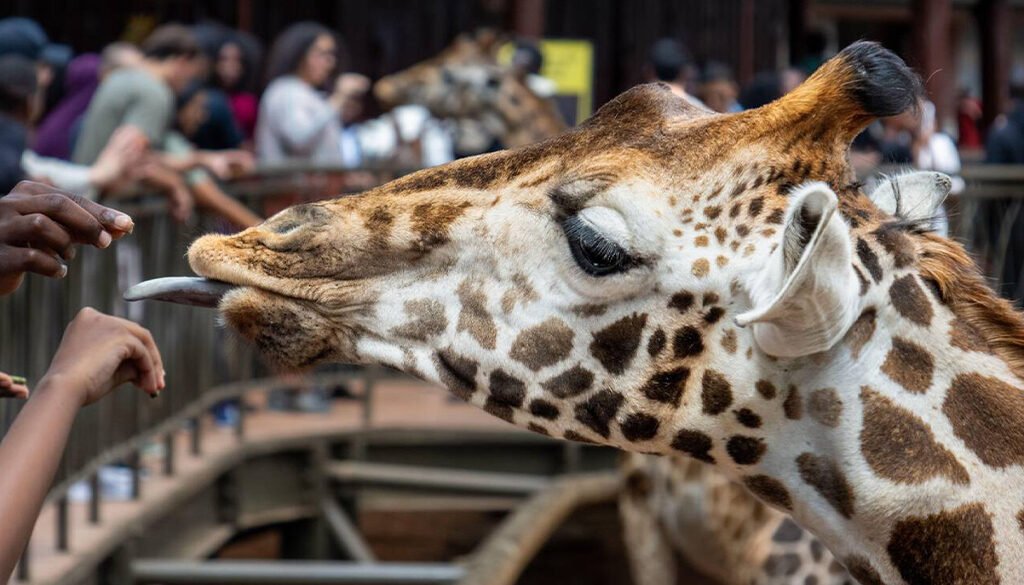
The Giraffe Centre is more than just a photo opportunity; it is an immersive educational journey. Established in 1979 by the African Fund for Endangered Wildlife (AFEW), the center was founded to save the then-critically endangered Rothschild’s giraffe. When you step onto the wooden feeding platform, you aren’t just a tourist—you are a contributor to a decades-long success story that has seen the population of these giraffes rise from a mere 130 to over 1,500 today.
Essential Safari Profile: Giraffe Centre at a Glance
Category | Details |
Location | Duma Road, Lang'ata, Nairobi (approx. 15km from CBD) |
Key Species | Rothschild’s Giraffe (Giraffa camelopardalis rothschildi) |
Best Time to Visit | 9:00 AM – 11:00 AM (to beat the crowds and heat) |
Entry Fees (2027) | Non-Resident Adults: Ksh 1,500 ($12–$15 approx.) |
Operating Hours | 9:00 AM to 5:00 PM Daily |
Identifying the Rothschild’s Giraffe
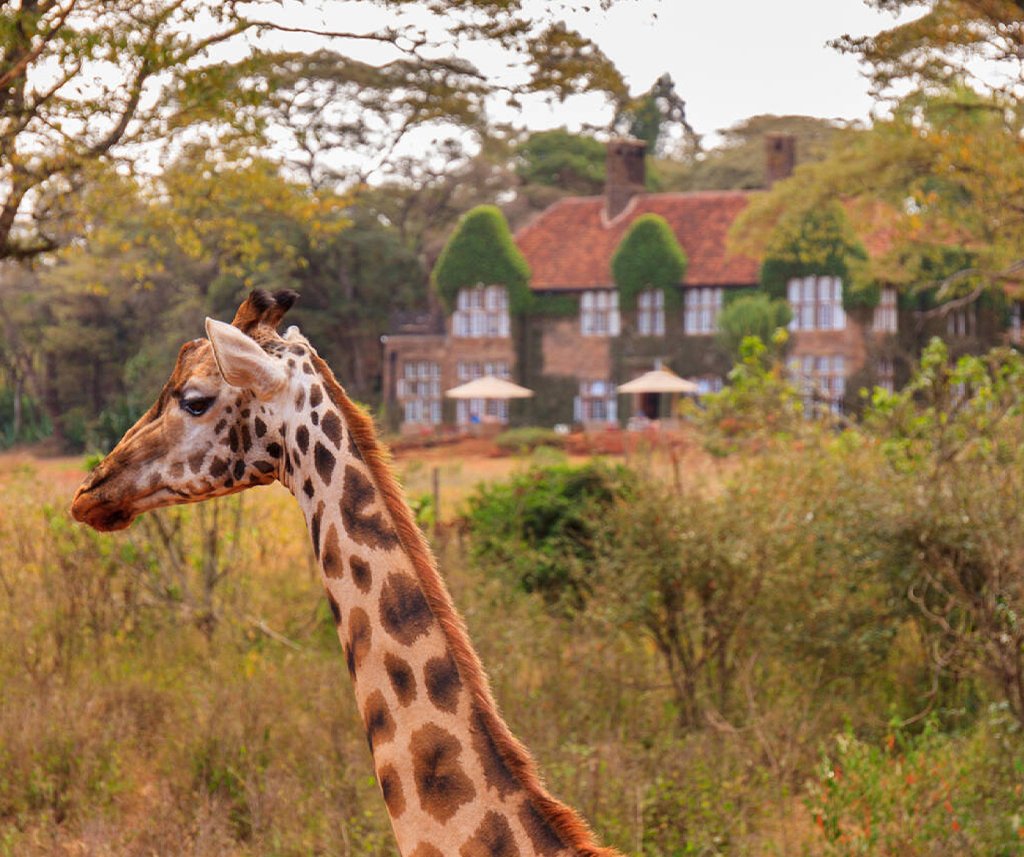
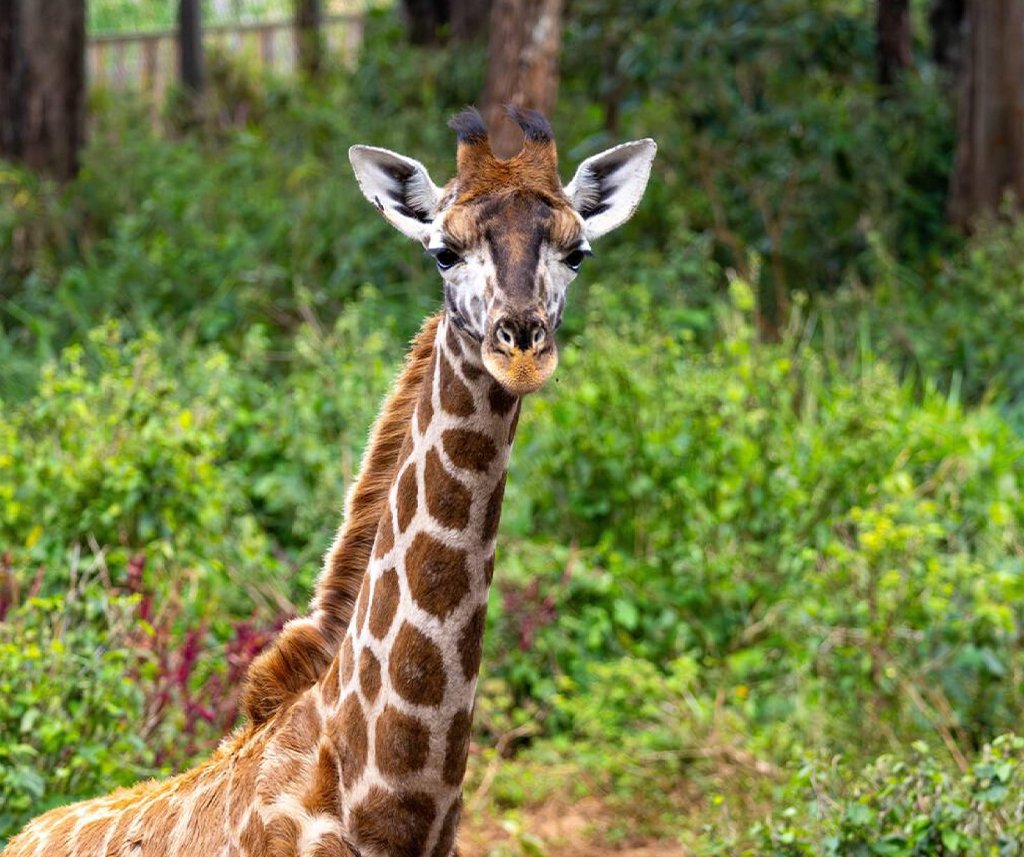
One of the most fascinating facts about Giraffe Centre involves identifying the specific subspecies found here. Unlike the Reticulated or Masai giraffes seen in other parts of Kenya, the Rothschild’s giraffe has a unique “fashion sense”:
-
White Socks: They have no markings on their lower legs, making it look like they are wearing knee-high white socks.
-
Ossicones: They are the only subspecies to have five ossicones (the horn-like structures on their heads).
-
Palet Patches: Their coat is generally lighter with less defined edges compared to their cousins.
Tips for the Perfect Interaction
To get the most out of your Giraffe Centre Safari, timing is everything. Arriving right at 9:00 AM ensures the giraffes are hungry and the morning light is perfect for photography.
-
The “Kiss”: Many brave visitors place a pellet between their lips for a “giraffe kiss.” Don’t worry—their saliva is antiseptic!
-
Respect the Space: Remember that these are wild animals. Always follow the guides’ instructions to avoid being head-butted.
-
Wash Your Hands: Facilities are provided at the entrance and exit. Use them to protect both yourself and the animals.
Beyond the Feeding Platform: The Nature Trail
Few visitors realize that their ticket also grants them access to the 1.5-kilometer nature trail located directly across from the main entrance. This dry upland forest is a serene escape from Nairobi’s hustle. On this part of your visit to Giraffe Centre, keep your eyes peeled for:
-
Warthogs: Often seen scurrying around the sanctuary grounds.
-
Dik-diks: Tiny, shy antelopes that hide in the brush.
-
Birdlife: A paradise for birdwatchers, with dozens of species ranging from sunbirds to weavers. The trail leads down to the Gogo River, offering a glimpse of the ecosystem the AFEW works so hard to protect.
Sustainability and Conservation Impact
Every shilling spent on your Giraffe Centre Safari goes toward a larger goal. The center runs an extensive environmental education program for Kenyan schoolchildren, hosting thousands for free every year to inspire the next generation of conservationists. Additionally, the profits support the breeding program, where calves are raised until they are old enough to be reintroduced into protected national parks across East Africa.
Logistics: Getting There and Fees
The center is located in the leafy suburb of Lang’ata. While it is only 15km from the city center, Nairobi traffic can be unpredictable.
-
Transportation: Using a ride-sharing app like Uber or Bolt is the most efficient way to reach the center.
-
Payments: As of 2026/2027, the center has moved toward a cashless system. Ensure you have a credit/debit card or M-Pesa ready for your entry fees and gift shop purchases.
-
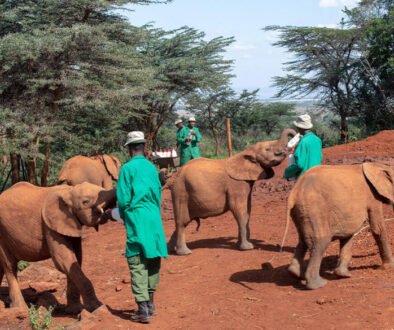
Combining Tours: Many travelers combine a Giraffe Centre Safari with a visit to the nearby Sheldrick Wildlife Trust (the elephant orphanage) and a meal at the Karen Blixen Coffee Garden.