Sera Conservancy Safari 2027: The Ultimate Visitor’s Guide
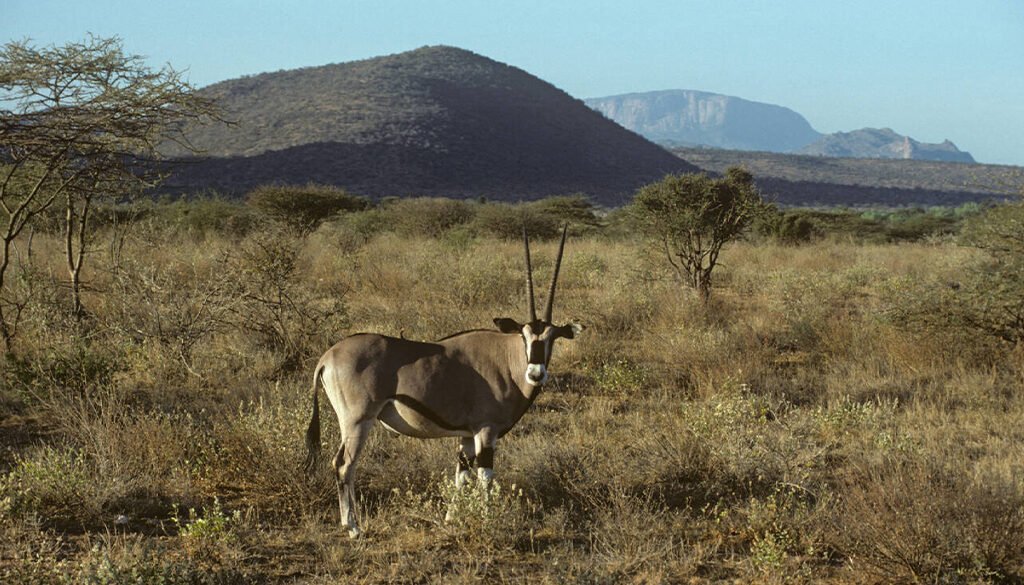
The allure of a Sera Conservancy Safari lies in its isolation. Located within the Sere-Olipi and Losesia community lands, the landscape is defined by dramatic inselbergs, dry riverbeds (luggas), and the iconic “Samburu Five.” While the Masai Mara offers vast plains, Sera provides a textured, ancient environment where every sighting feels earned.
The conservancy is home to the Sera Rhino Sanctuary, a 10,700-hectare fenced area that successfully reintroduced black rhinos to a region where they had been extinct for decades. Today, the population is thriving, and in early 2024, the introduction of white rhinos further cemented Sera’s status as a premier rhino stronghold.
Essential Safari Profile: Sera at a Glance
Category | Details |
Location | Samburu County, Northern Kenya (approx. 250km from Nanyuki) |
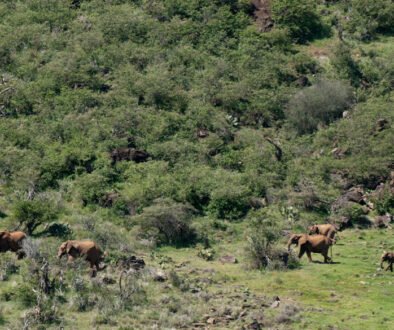
Key Species | Black Rhino, Grevy’s Zebra, Reticulated Giraffe, Elephant |
Best Time to Visit | June to September and January to March (Dry seasons) |
Entry Fees (2027) | $30 (Non-Resident Adult), KES 1,000 (Citizen Adult) |
Airstrip | Sera Airstrip (Private/Charter) or Kalama Airstrip |
Exclusive On-Foot Rhino Tracking
The “crown jewel” of any Sera Conservancy Safari is the opportunity to track black rhinos on foot. Guided by expert Samburu trackers who use a mix of traditional tracking skills and modern GPS technology, visitors can get within a safe but thrilling distance of these prehistoric giants.
This isn’t just a game drive; it’s a sensory immersion. You hear the crunch of dry leaves underfoot and the rhythmic huff of a rhino nearby. Because this is the only place in East Africa where such an experience is community-managed, your participation directly funds the rangers’ salaries and community healthcare.
Beyond the Rhinos: The Samburu Five
While the rhinos are the stars, a Sera Conservancy Safari introduces you to species you won’t find in Southern Kenya. The “Samburu Five” are highly adapted to this arid climate:
-
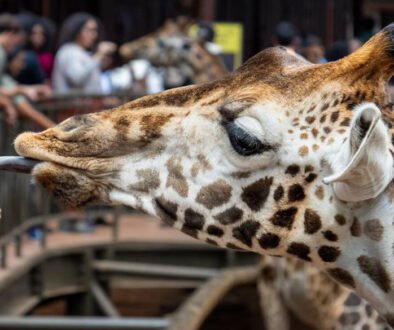
Reticulated Giraffe: Known for its striking, liver-colored polygonal spots.
-
Grevy’s Zebra: The largest and most endangered zebra species, with narrow stripes and large ears.
-
Beisa Oryx: A regal antelope with long, straight horns.
-
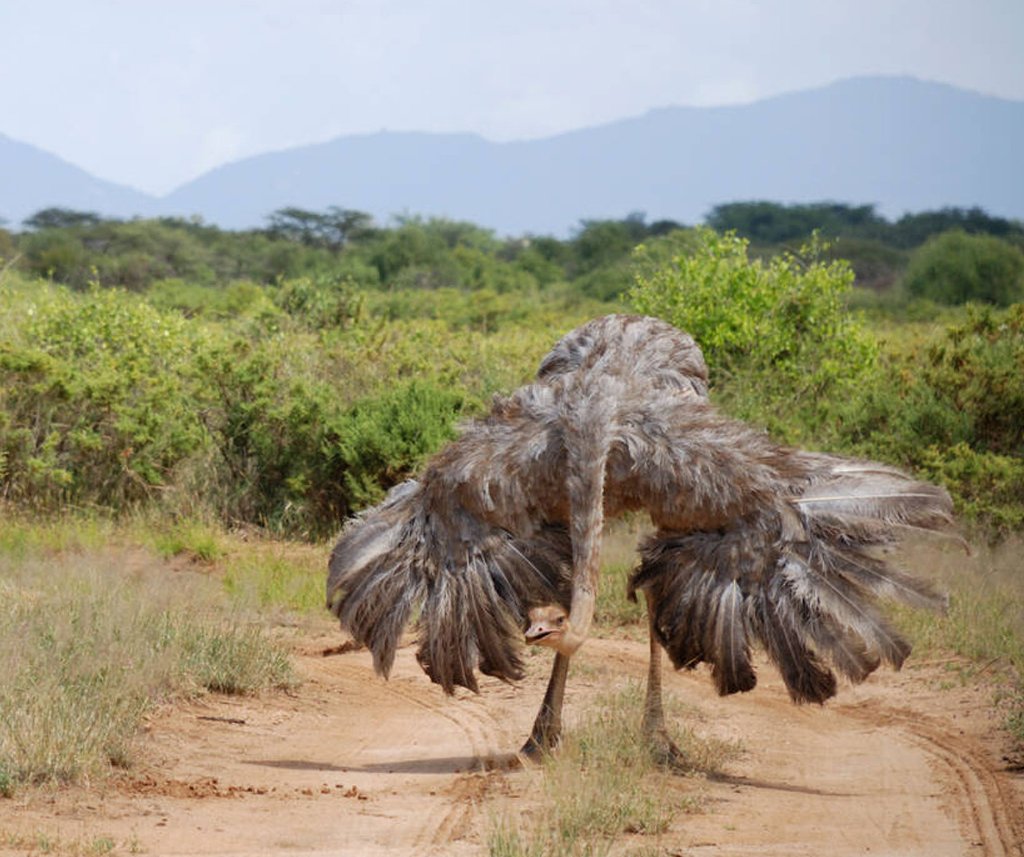
Somali Ostrich: Distinctive for its blue neck and legs.
-
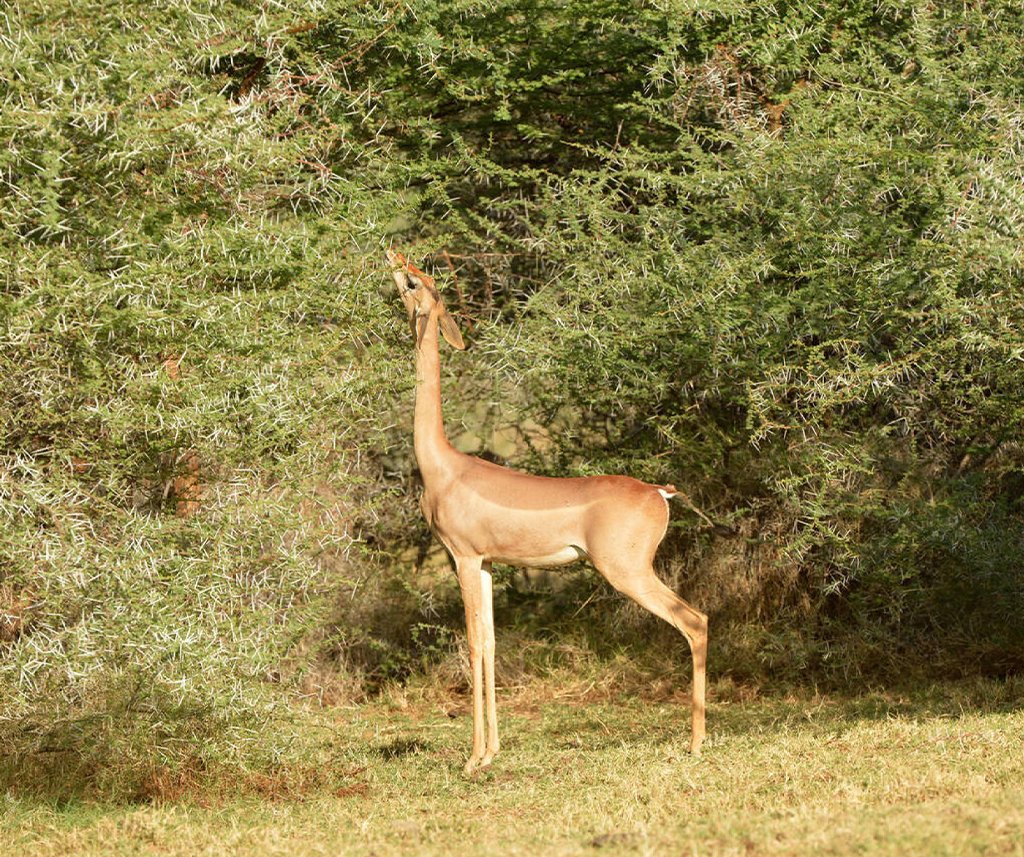
Gerenuk: Also known as the “giraffe-neck” antelope, famous for standing on its hind legs to reach acacia leaves.
Cultural Authenticity: The Singing Wells
A Sera Conservancy Safari is incomplete without witnessing the “Singing Wells” (Kisima Hamsini). During the dry season, Samburu herders bring their livestock to these ancient hand-dug wells. As they haul water up in buckets, they sing rhythmic family songs that their cattle recognize. Each family has a unique melody, creating a hauntingly beautiful symphony that has echoed through these valleys for centuries. This is living history, not a staged performance for tourists.
The Sandgrouse Spectacle
For bird enthusiasts and photographers, the Sera Conservancy Safari offers a daily miracle at dawn. Thousands of sandgrouse congregate at the local waterholes to drink. They arrive almost simultaneously, creating a whirlwind of wings and soft calls before disappearing back into the bush. It is one of nature’s most synchronized displays, occurring right in front of the Saruni Rhino camp.
Accommodation: Where to Stay
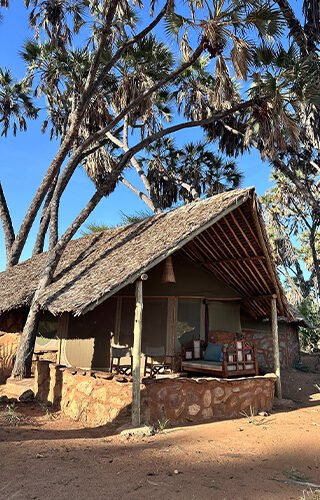
For those seeking luxury and exclusivity, Saruni Rhino is the primary lodge located within the conservancy. It features a limited number of elegant stone cottages (bandas) nestled along a dry riverbed, offering an “off-the-grid” feel without sacrificing comfort. For more adventurous travelers, there are designated community campsites that provide a more immersive “bush” experience under the vast northern stars.
Getting There
Reaching the northern frontier is part of the adventure.
-
By Air: Most visitors fly into Kalama Airstrip via scheduled flights from Nairobi’s Wilson Airport (approx. 1 hour). From Kalama, it is a scenic 2-hour game drive transfer into the heart of Sera. Alternatively, private charters can land directly at Kauro Airstrip, which is just minutes away from the main sanctuary.
-
By Road: For those who enjoy a road trip, the drive from Nairobi takes about 7 to 9 hours. A sturdy 4×4 vehicle is mandatory, as the terrain becomes increasingly rugged once you pass Archer’s Post and Sereolipi.
Why Choose Sera?
Choosing a Sera Conservancy Safari means supporting a model where conservation revenue goes directly back to the people. The conservancy employs over 100 staff members and dozens of community scouts, ensuring that the local people are the primary beneficiaries of the wildlife they protect. By visiting, you are directly contributing to the survival of the black rhino and the empowerment of the Samburu people.
Whether you are a seasoned safari enthusiast or a first-time visitor to Kenya, the raw beauty and quiet intensity of Sera offer a perspective on the African wild that is increasingly rare in the modern world. Prepare for an unforgettable journey into one of Kenya’s last true wildernesses.
PREMIER LUXURY ACCOMMODATIONS
Luxury Safari Lodges in Sera
Discover the ultimate luxury stay at Saruni Samburu and the exclusive black rhino tracking experience in Sera Wildlife Conservancy, Kenya’s premier conservation gem.