Facts About Masai Giraffe: The Ultimate Guide
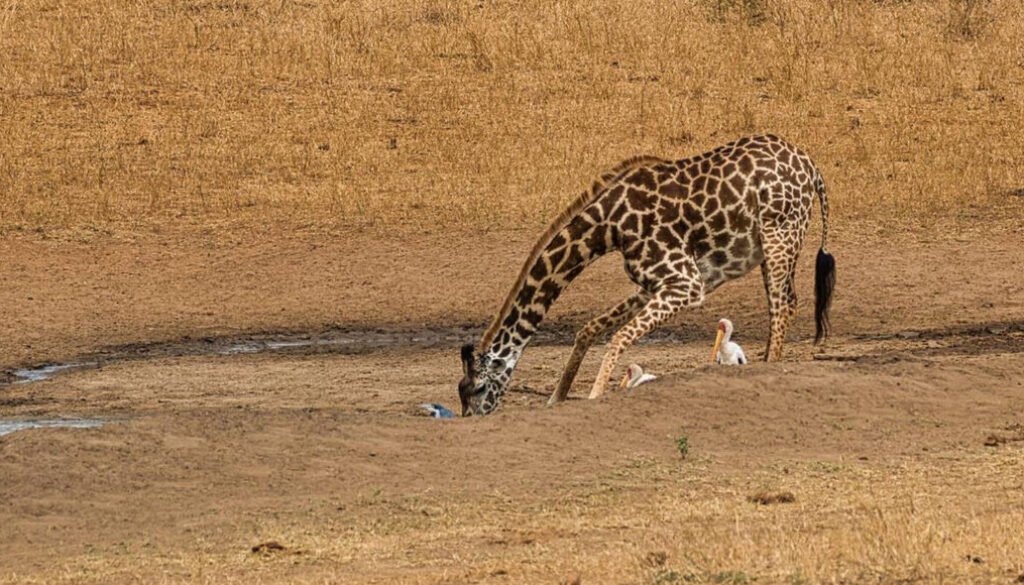
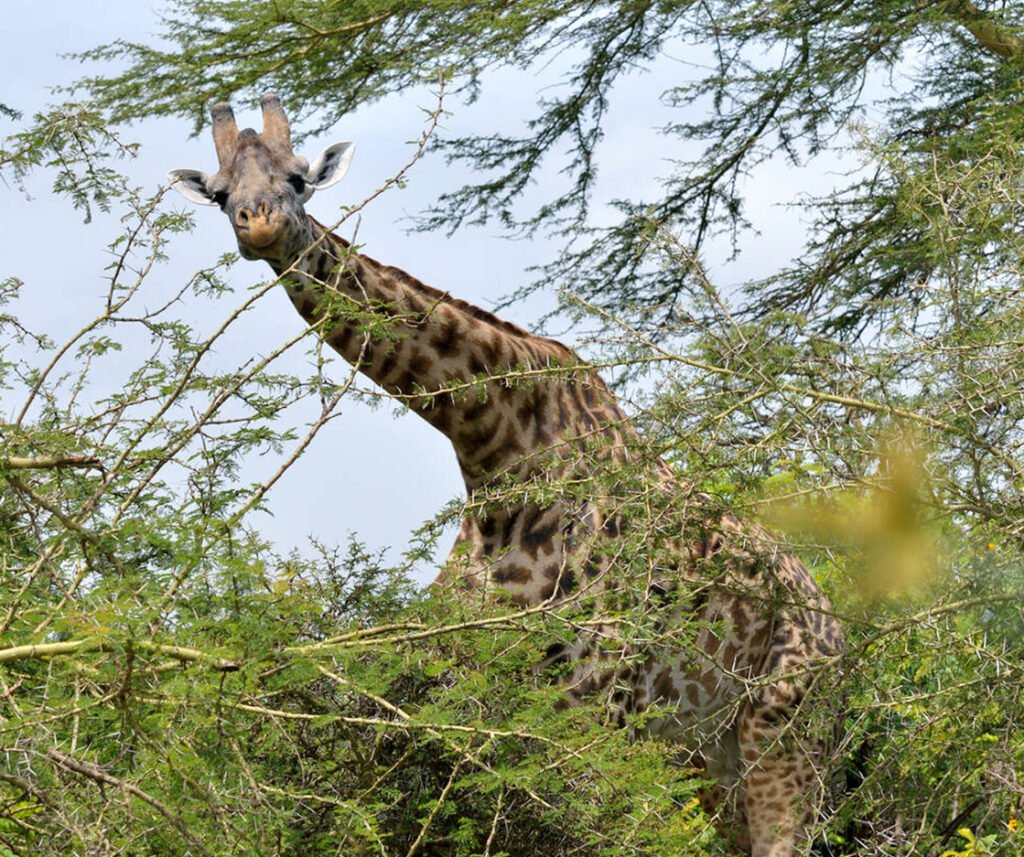
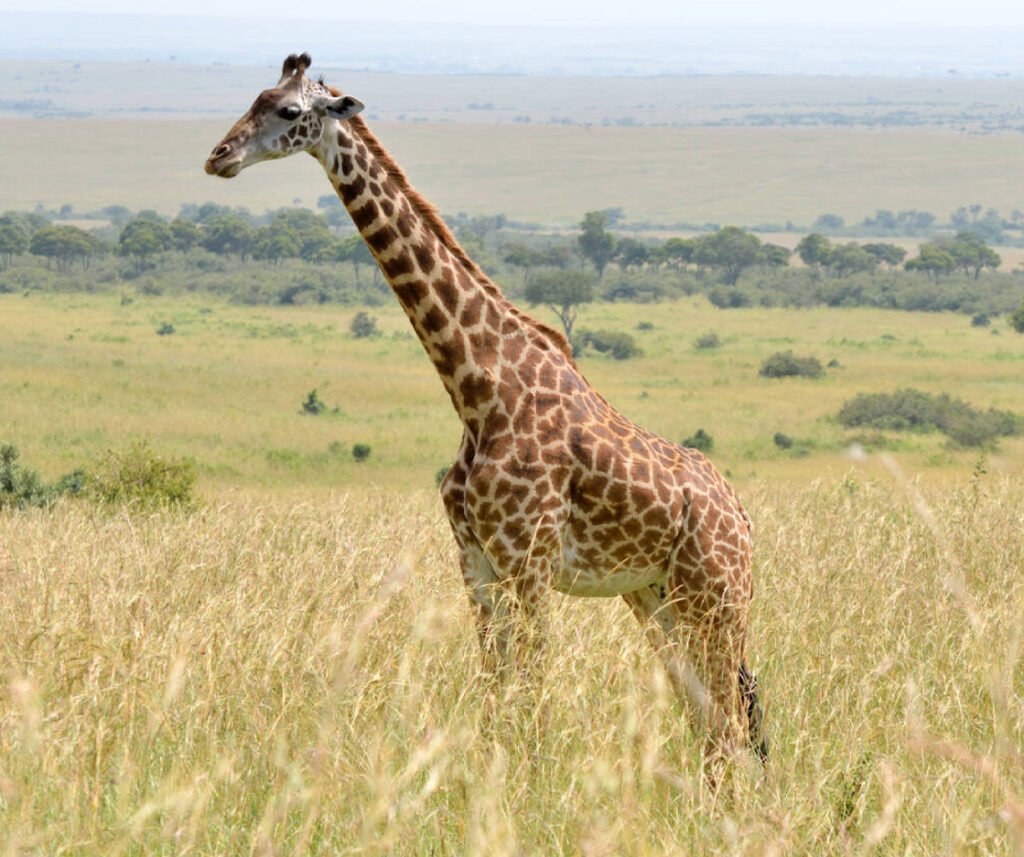
The most striking of the facts about Masai giraffe individuals is their coat pattern. While other giraffes, like the Reticulated giraffe, have very geometric, clean-edged spots, the Masai giraffe looks a bit more “rugged.”
Their spots are jagged, vine-leaf shaped, and dark brown against a creamy background. This pattern extends all the way down to their hooves, acting as a highly effective camouflage against the dappled light of the acacia woodlands in Kenya and Tanzania.
Quick Profile: The Masai Giraffe at a Glance
Before we get into the heart of the savanna, let’s look at the “fast facts” for this incredible mammal.
-
Common Name: Masai Giraffe (also spelled Maasai Giraffe)
-
Scientific Name: Giraffa tippelskirchi
-
Type: Mammal
-
Diet: Herbivore
-
Average Life Span in the Wild: 10 to 15 years (though they can reach 25 in captivity)
-
Size: Head and body: 15 to 19 feet tall
-
Weight: 1,300 to 4,000 pounds
Giants of the East African Plains
Size is arguably the most famous of all facts about Masai giraffe lore. They are the largest subspecies of giraffe and, consequently, the tallest land mammals on Earth.
An adult male (bull) can tower up to 19 feet. To put that in perspective, that’s about the height of a two-story building. Their height isn’t just for show; it’s a specialized evolutionary advantage. By being so tall, they can reach the tender “crown” leaves of acacia trees that other herbivores, like zebras or gazelles, simply cannot touch.
A Diet of Thorns and Tongues
Being a herbivore in the African bush isn’t easy. Most of the trees, especially the Acacia, are guarded by formidable thorns. However, the Masai giraffe has developed a suite of “superpowers” to handle this:
-
Prehensile Tongue: Their tongues can be up to 18 to 20 inches long. They are dark purple/black in color to prevent sunburn while they spend all day reaching for leaves.
-
Tough Saliva: They produce thick, glue-like saliva that coats any thorns they happen to swallow, protecting their digestive tract.
-
Water Efficiency: Like camels, giraffes don’t need to drink water every day. They get most of their hydration from the moisture in the leaves they eat.
Social Life and “Tower” Dynamics
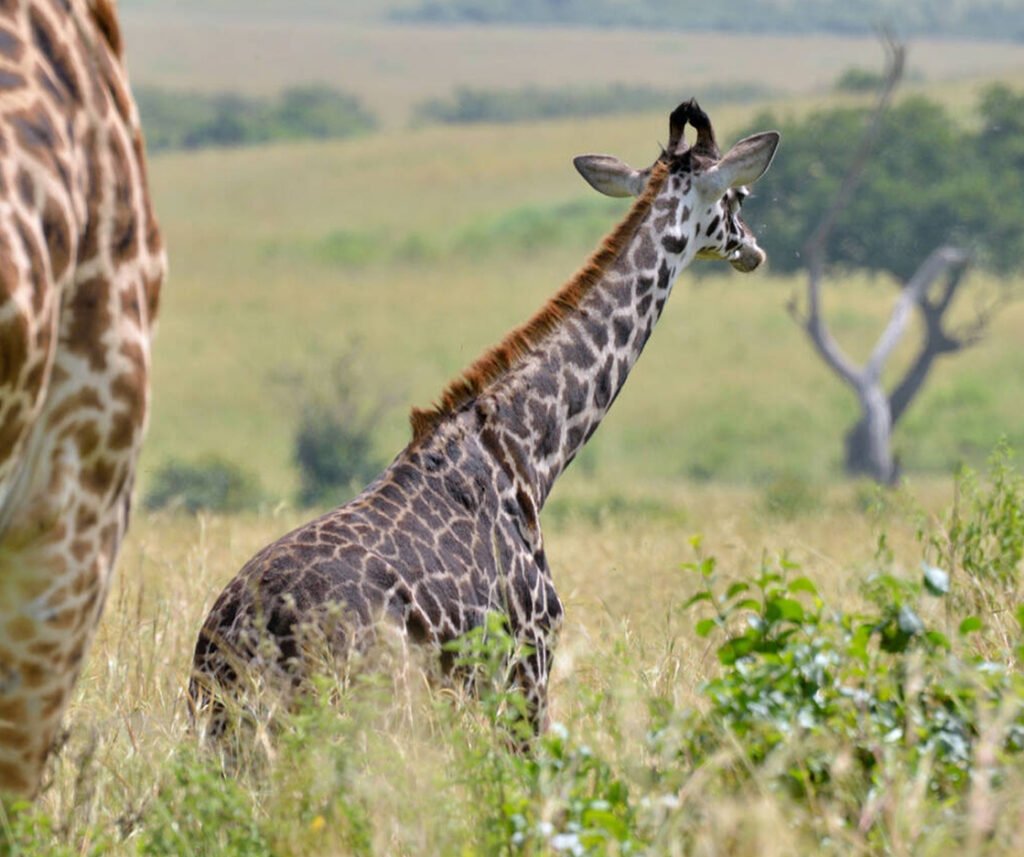
In the wild, a group of giraffes is aptly called a “tower.” However, their social structure is far more fluid than that of elephants or lions. These are “fission-fusion” societies, meaning individuals join and leave groups as they please.
Interesting facts about the reticulated giraffe social behavior include “necking.” This is a form of ritualized combat between males (bulls). They swing their heavy necks like sledgehammers, clashing heads to establish dominance. While it looks violent, it rarely results in serious injury, though the winner earns the right to mate with the local females.
Reproduction and the Long Journey to Adulthood
The life cycle of a reticulated giraffe is a testament to endurance. A mother giraffe is pregnant for about 15 months. When it is time to give birth, she does so standing up. This means the calf’s first experience in the world is a 6-foot drop to the ground!
Remarkably, the calf is usually standing and walking within thirty minutes. This “hit the ground running” strategy is essential for survival on the savannah. Despite this, the mortality rate for calves is high; nearly 50% do not survive their first year due to predation by lions, hyenas, and leopards.
Conservation: Protecting the Mosaic
Perhaps the most somber facts about the reticulated giraffe involve their current population status. While once roaming in vast numbers across Ethiopia, Somalia, and Northern Kenya, their numbers have plummeted by over 50% in the last thirty years.
Habitat loss, civil unrest, and illegal poaching are the primary threats. Because they are large and relatively easy to track, they are often hunted for their meat and hides. Fortunately, organizations like the Giraffe Conservation Foundation are working tirelessly to track populations using satellite collars and community-led initiatives to ensure these “watchtowers of the savannah” do not disappear.