Facts About the Forest Cobra
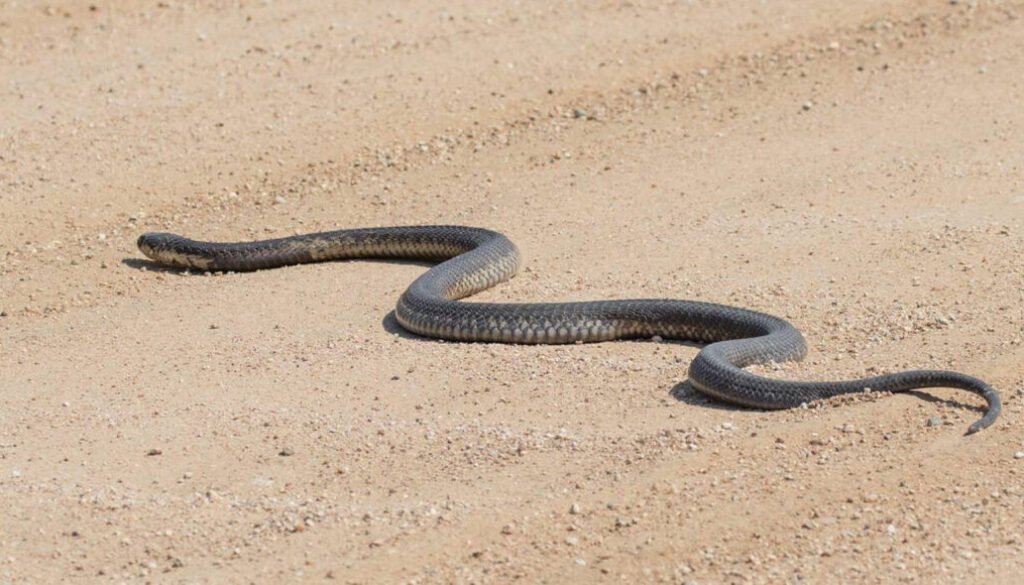
When looking at the facts about the Forest Cobra, the first thing that strikes you is their impressive size. They are the largest true cobra species in the world. While many cobras average around five feet, a healthy adult Forest Cobra can easily exceed seven feet, with rare specimens reaching a staggering ten feet in length.
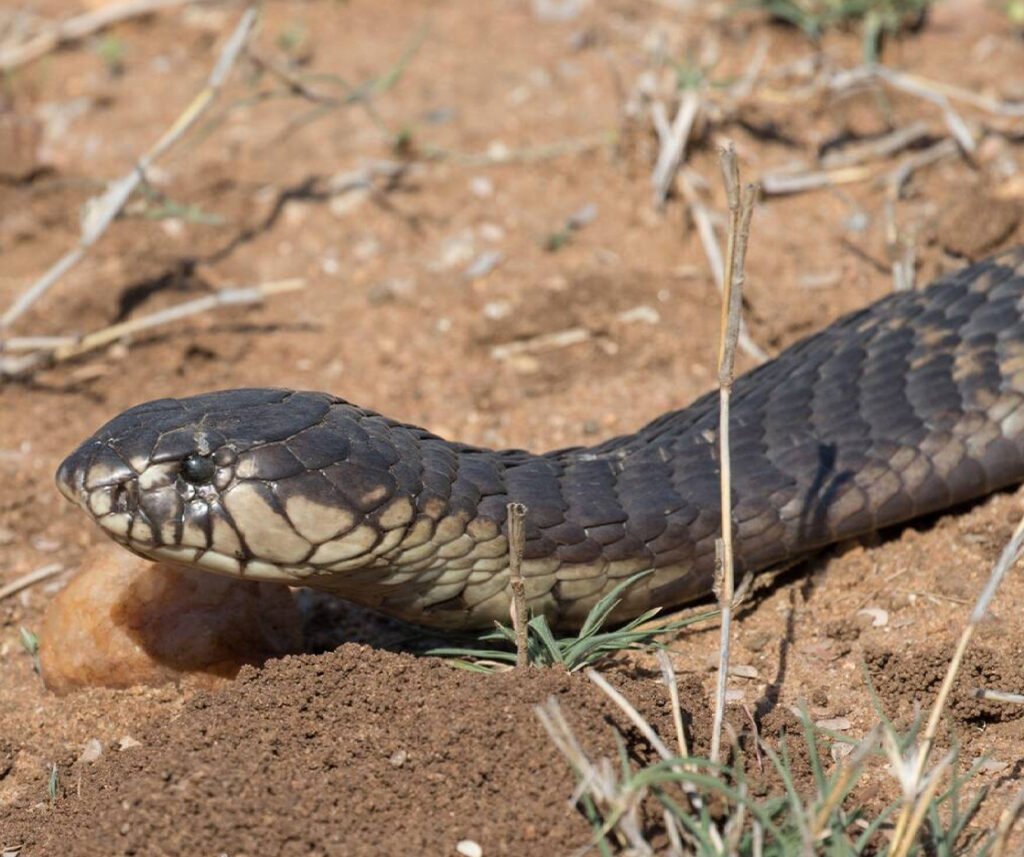
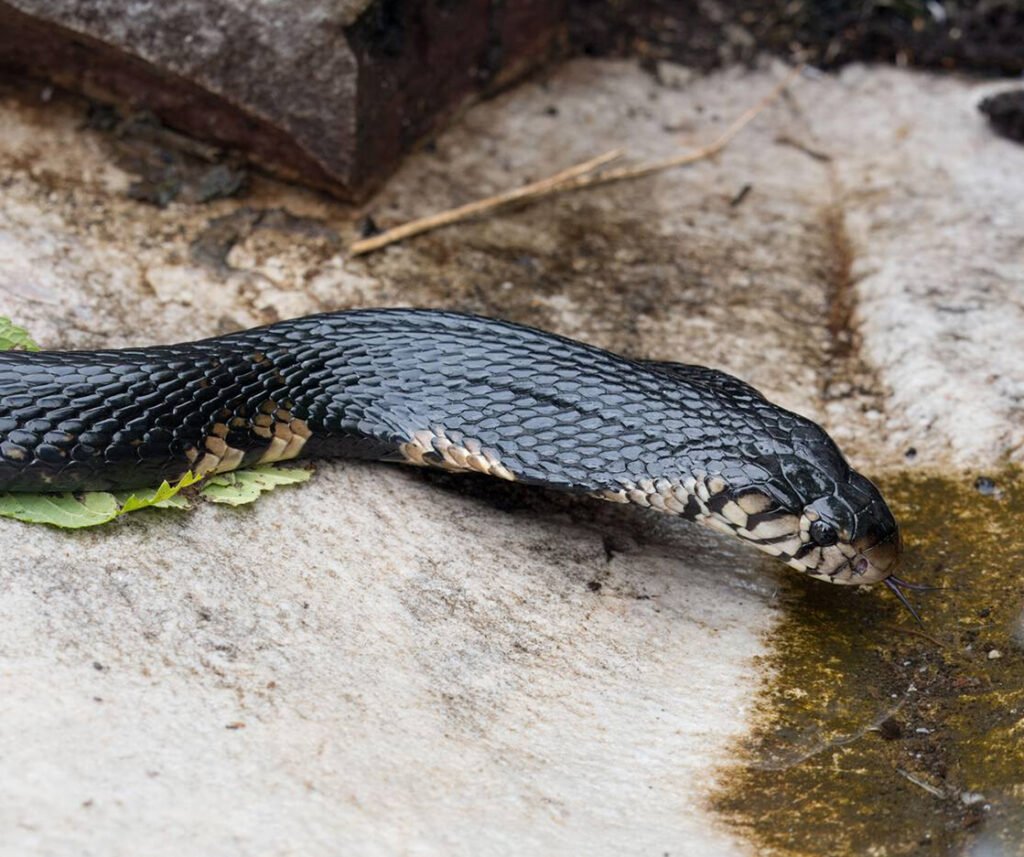
Their coloration is quite distinct. They typically feature a glossy, dark-brown or black body with a high-contrast cream or white underbelly. One of their most defining features is the black and white “bars” or labial scales around their mouth, which gives them their secondary name: the Black and White-lipped Cobra.
Essential Facts About the Forest Cobra
-
Common Name: Forest Cobra (also known as the Black and White-lipped Cobra)
-
Scientific Name: Naja melanoleuca
-
Type: Reptile
-
Diet: Carnivore (Generalist)
-
Average Life Span in the Wild: 20 to 25 years
-
Size (Head and Body): 4.6 to 7.2 feet (can reach up to 10 feet)
-
Weight: 4 to 7 pounds
Habitat and Distribution
Unlike many other cobra species that prefer dry savannas, the Forest Cobra is aptly named for its love of wooded environments. You can find them across much of Central and Western Africa, as well as parts of East and South Africa.
They are incredibly adaptable and can be found in:
-
Lowland forests and moist savannas.
-
Mangrove swamps and coastal thickets.
-
Agricultural areas, particularly fruit plantations.
-
Suburban gardens where prey is plentiful.
Diet and Hunting Prowess
One of the most interesting facts about the Forest Cobra is its diet. While many snakes are specialists, this species is a “generalist” predator. They are highly active hunters that seek out prey during the day (diurnal), though they can become nocturnal in areas where human activity is high.
Their menu includes:
-
Amphibians: They are excellent swimmers and often hunt frogs and toads near water.
-
Fish: They are one of the few cobras known to dive and catch fish.
-
Mammals: Small rodents and shrews are a staple.
-
Lizards and Snakes: They aren’t above eating other reptiles, including smaller snakes.
Venom and Defense Mechanisms
The Forest Cobra is not a snake to be trifled with. Their venom is a potent postsynaptic neurotoxin. In the event of a bite, the venom quickly attacks the nervous system, leading to respiratory failure and, if untreated, death.
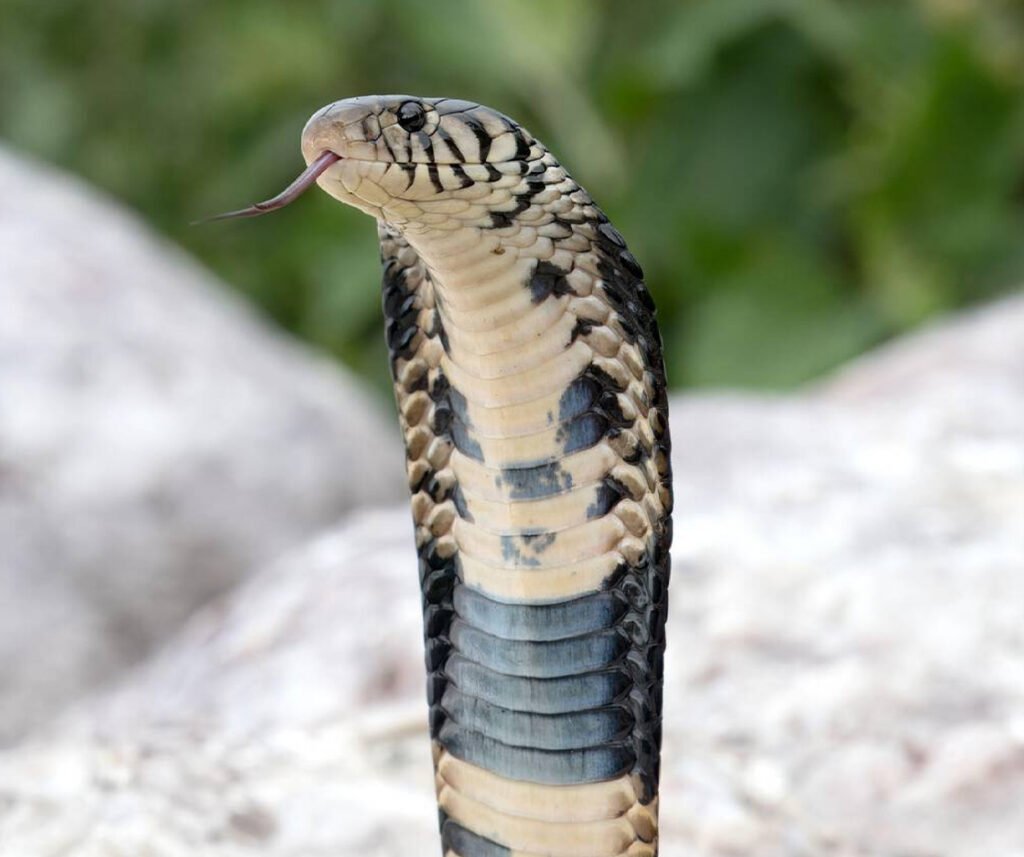
However, they are generally shy and will choose flight over fight. If cornered, they will raise the front third of their body, spread a narrow but impressive hood, and hiss loudly. Unlike the Spitting Cobra, the Forest Cobra cannot “spit” its venom; it must make physical contact through a bite to deliver its toxin.
Behavior and Intelligence
Herpetologists often remark on the “alertness” of this species. Among snake enthusiasts, the Forest Cobra is considered one of the most intelligent elapids. They seem more aware of their surroundings than other snakes and can be quite “high-strung” in captivity.
In the wild, they are semi-aquatic and semi-arboreal. This means you are just as likely to see one basking on a tree limb as you are to see it gliding through a swamp. This versatility makes them one of the most successful predators in their range.
Reproduction and Life Cycle
Forest Cobras are oviparous, meaning they lay eggs. A female will typically lay a clutch of 10 to 26 eggs in a hollow log, a hole in the ground, or among decaying vegetation. The mother does not guard the nest like the King Cobra; once the eggs are laid, the young are on their own.
When the hatchlings emerge (usually about 10 to 12 inches long), they are fully independent and possess fully functional venom glands. They grow rapidly, reaching sexual maturity within a few years.
Conservation Status
Currently, the Forest Cobra is not listed as endangered. However, habitat loss due to deforestation in Central Africa is a growing concern. As forests are cleared for timber or agriculture, these snakes are increasingly forced into contact with humans, leading to higher rates of human-wildlife conflict.