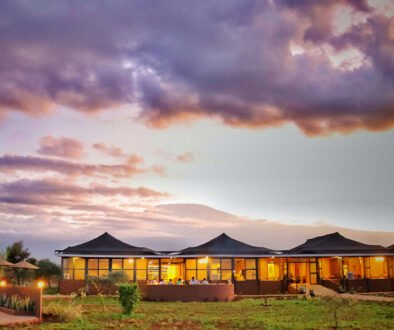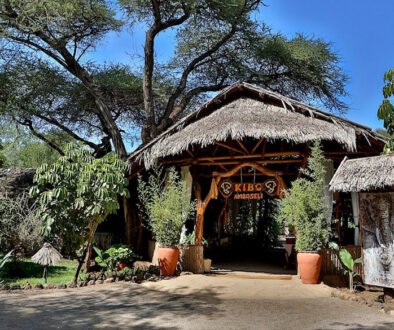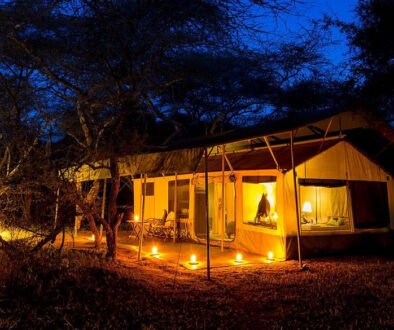
Elewana Tortilis Camp: A Premier Eco-Luxury Safari Experience
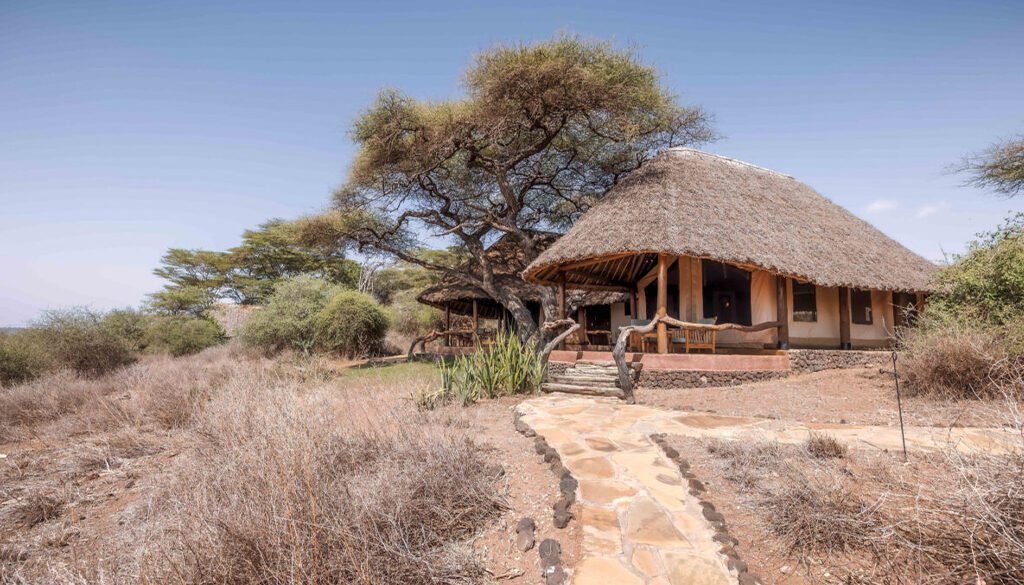
One of the most significant facts about the Elewana Tortilis Camp is its historical importance. Established in 1993, it was one of the first boutique eco-lodges of its size in Kenya. Long before “green travel” became a global trend, this camp was proving that luxury could coexist with deep environmental respect. Today, it operates as a flagship property within the Elewana Collection, running entirely on 100% solar power and maintaining a minimal physical footprint on the fragile Amboseli plains.
Quick Profile: Elewana Tortilis Camp at a Glance
Category | Details |
Location | Kitirua Conservancy, bordering Amboseli National Park |
Accommodation | 16 Safari Tents, 1 Family Tent, 1 Private House |
Sustainability | 100% Solar Powered; Gold-rated by Ecotourism Kenya |
Primary Wildlife | Large herds of elephants, lions, cheetahs, and 400+ bird species |
Unique Feature | Unobstructed views of Mount Kilimanjaro from every tent |
Activities | Game drives, guided bush walks, Maasai cultural visits, bush dining |
Exclusive Access to Kitirua Conservancy
While many lodges are situated inside the national park or near its busy eastern gates, Elewana Tortilis Camp enjoys a privileged position on the quiet southwestern border. Guests have the unique advantage of dual access: the public Amboseli National Park and the private 30,000-acre Kitirua Conservancy. This private concession allows for activities strictly prohibited within the park, such as night game drives and authentic guided walking safaris led by local Maasai trackers who have roamed these lands since childhood.
The World’s Best Elephant Viewing
Amboseli is globally renowned for its elephants, largely thanks to the pioneering work of Cynthia Moss and the Amboseli Elephant Research Project. At Elewana Tortilis Camp, the guides possess an intimate knowledge of the resident herds. Because these elephants have been studied and protected for over 50 years, they are remarkably habituated to human presence. This allows for incredibly close, peaceful encounters with some of the largest tuskers remaining in Africa, providing photographers and wildlife enthusiasts with unparalleled opportunities.
Bespoke Accommodation with a View
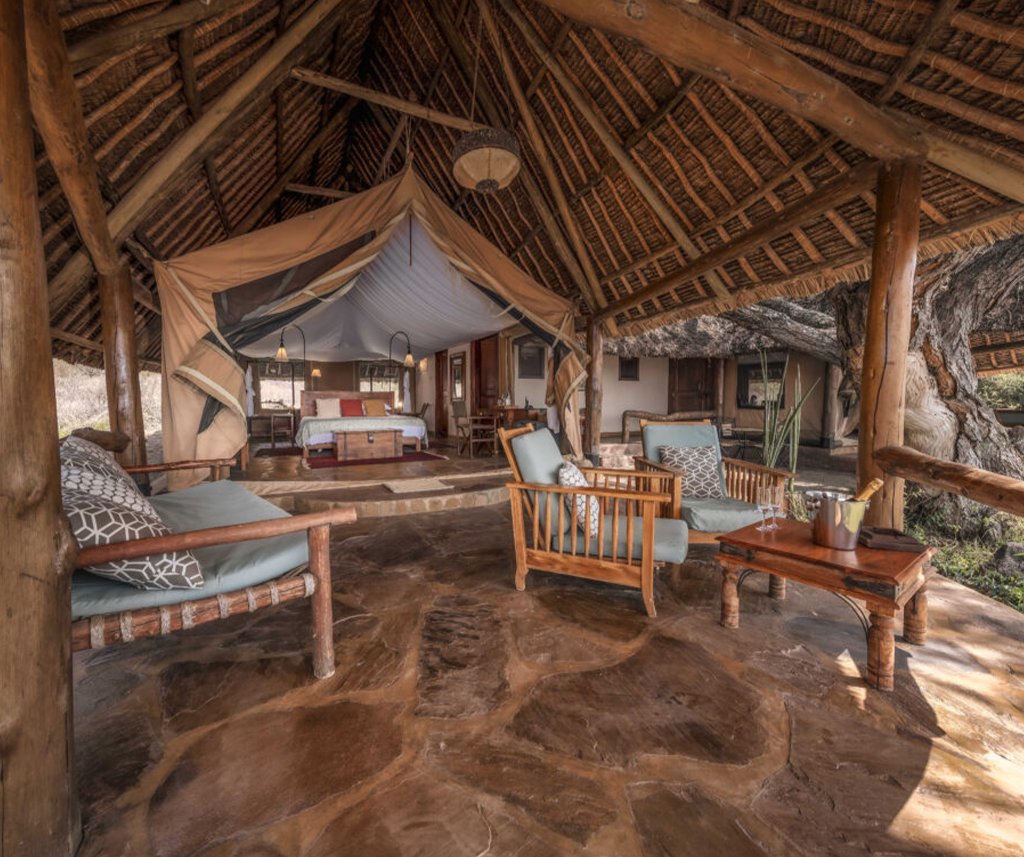
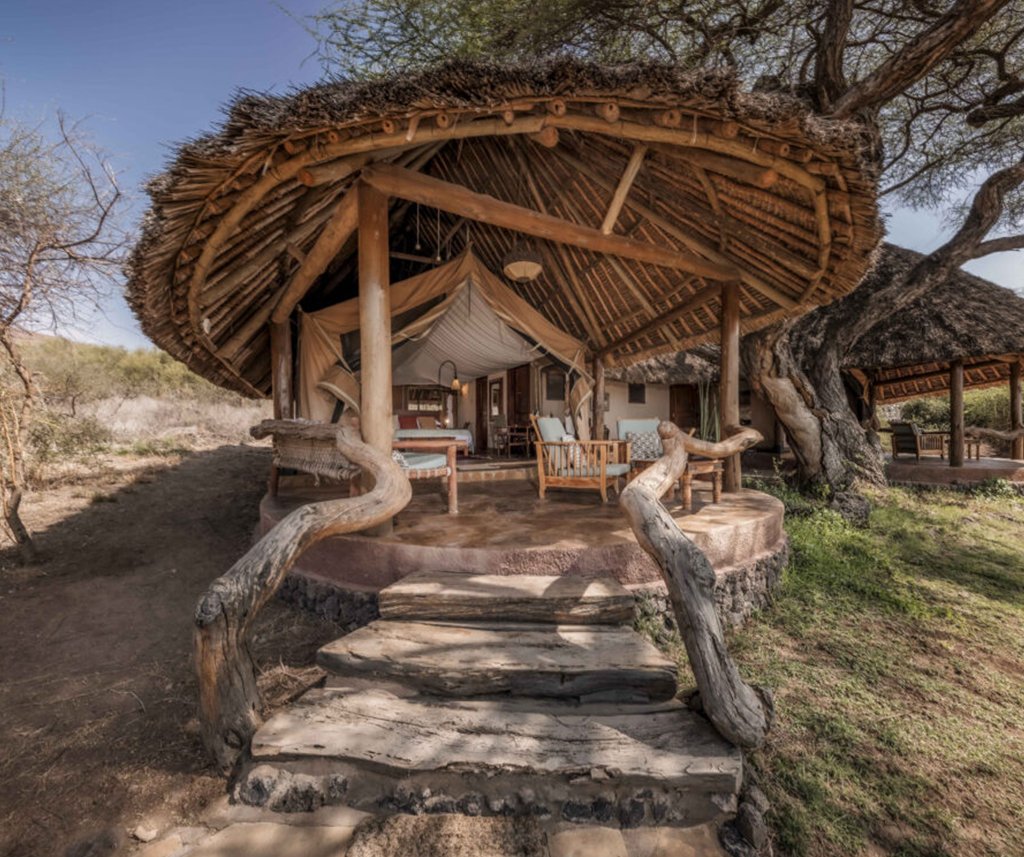
The architecture of Elewana Tortilis Camp favors natural materials—timber, thatch, and stone—to blend seamlessly into the acacia woodland. Each of the 16 standard tents is built on a permanent wooden platform with a stone veranda.
-
The Safari Tents: Feature elegant en-suite bathrooms and large windows that invite the African breeze.
-
The Private House and Family Tent: Perched slightly higher on the hill, these units offer additional privacy, separate sitting rooms, and access to a shared swimming pool, making them perfect for multi-generational travel.
Farm-to-Table Gourmet Dining
Sustainability extends to the kitchen at Elewana Tortilis Camp. The camp maintains its own organic garden, providing a “farm-to-table” experience that is rare in remote safari locations. Guests can enjoy Italian-inspired cuisine—a nod to the camp’s heritage—alongside international and local Kenyan dishes. Whether it is a “bush breakfast” served in the middle of the plains or a three-course dinner under the stars, the focus remains on fresh, high-quality ingredients and immersive dining environments.
Immersive Cultural Connections
Staying at Elewana Tortilis Camp is as much about the people as it is about the animals. The camp maintains a deep-rooted partnership with the local Maasai community. Cultural visits are not staged performances; they are authentic invitations into local manyattas (homesteads) where guests can learn about Maasai traditions, beadwork, and land management. Furthermore, the camp supports the Land & Life Foundation, ensuring that tourism revenue directly benefits local schools and conservation initiatives.
Adventures Beyond the Vehicle
While traditional game drives in custom 4×4 Land Cruisers are a staple, Elewana Tortilis Camp encourages guests to step out of the car.
-
Walking Safaris: Accompanied by armed guides and Maasai trackers, these walks focus on the “small five”—insects, plants, and tracks—providing a sensory experience of the bush.
-
Sundowners: No safari is complete without the tradition of sundowners. At “Sunset Hill,” guests watch the sky turn orange behind Kilimanjaro with a drink in hand.
-
Photography: The camp’s vehicles are specifically fitted for photographers, featuring open sides, three rows of seats, and charging sockets for equipment.