Who Kicks Harder: A Horse or a Zebra?
Who kicks harder a horse or a zebra? The short answer might surprise you. Pound for pound, the zebra delivers an extraordinarily devastating and lethal kick, finely tuned by millions of years of life-and-death natural selection. Zebras have evolved in some of the most predator-dense environments on Earth, sharing their territory with apex hunters like lions, hyenas, and leopards. For millions of years, survival on the savanna hasn’t been a game of grace or beauty—it has been a relentless biological arms race. A horse that bucks or kicks might be reprimanded by its rider, but for a zebra, a weak kick means death. Every single generation of zebras has been ruthlessly selected by natural selection for speed, agility, and above all, defensive combat. If a zebra couldn’t disable an attacking predator in a split second, it didn’t live long enough to pass on its genes. This constant, high-stakes evolutionary pressure transformed the zebra’s hind limbs into lightning-fast, biological sledgehammers.
Evolutionary Anatomy and Fast-Twitch Muscle Fiber Dynamics
When you look at a zebra, you are looking at a creature built almost entirely around explosive movement. Though they are generally smaller and more compact than many common domestic horse breeds, weighing between five hundred and eight hundred pounds, their muscle density and skeletal structure are fine-tuned for survival. Their legs are composed of dense, extremely tough bone wrapped in thick bands of fast-twitch muscle fibers. These fast-twitch fibers are key. While slow-twitch fibers are designed for endurance, fast-twitch fibers contract with maximum speed and force, generating massive amounts of energy in a fraction of a second. Connected to these muscles are incredibly stiff, spring-like tendons that act like high-tension rubber bands. When a zebra prepares to kick, it flexes its entire lower body, storing massive mechanical energy in those tendons, and then releases it all in an instant.
Understanding who kicks harder: a horse or a zebra requires looking closely at sheer mass versus pure explosive velocity. Large draft horses can weigh upwards of two thousand pounds, meaning a heavy horse can generate an incredible total amount of raw kinetic force simply due to its immense mass. However, in terms of sheer speed, acceleration, and localized force transfer relative to body weight, the wild zebra is unmatched. A horse kick can certainly break bones and inflict severe injury, but the zebra’s strike is delivered with a vicious, lightning-fast snap engineered specifically to crush skulls and shatter jaws.
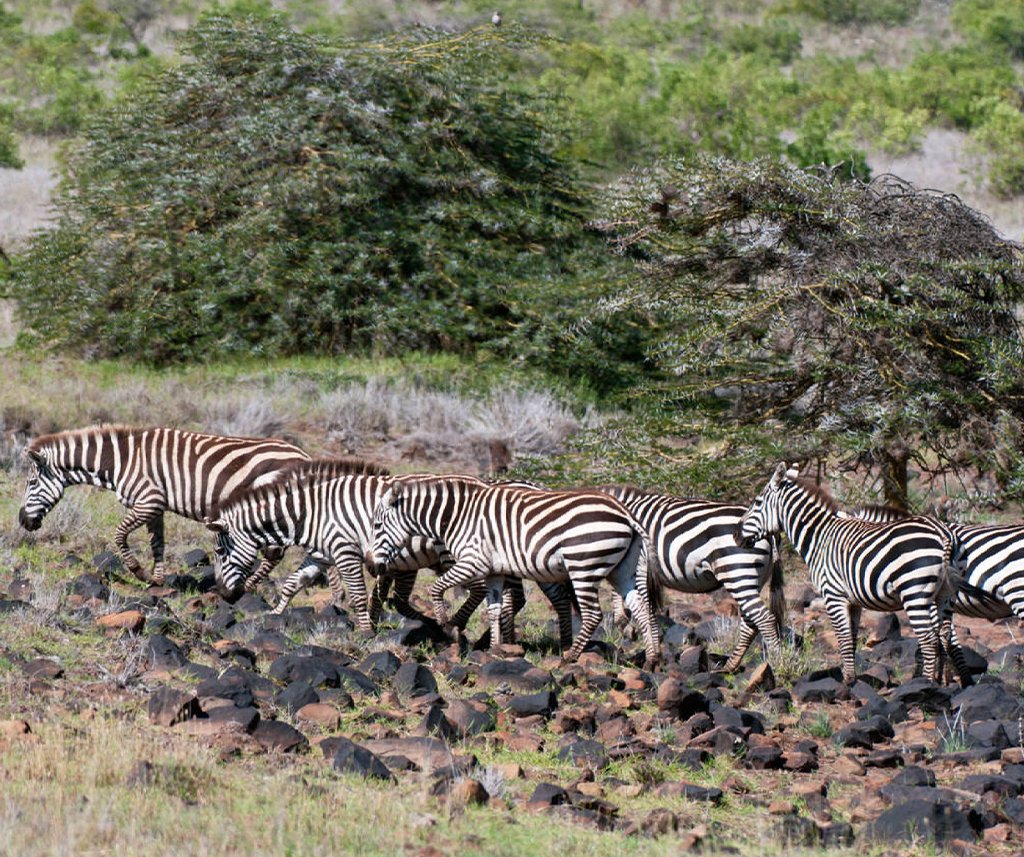
Biomechanics and Kinetic Energy Transfer
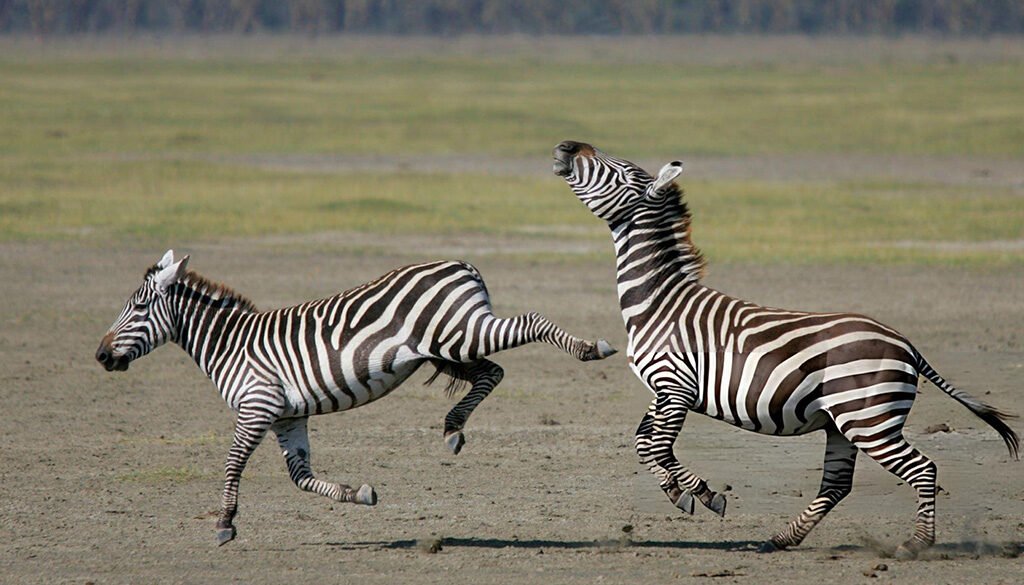
The mechanics of a zebra’s kick are a masterclass in kinetic transfer. A zebra doesn’t just push out with its leg; it coils its body, lowers its center of gravity, anchors its front hooves into the dirt, and whips both hind legs backward simultaneously. By using both legs together in a double-rear kick, the zebra multiplies the force of the strike while concentrating all that kinetic energy into a tiny surface area: the hard, solid keratin of its hooves. Estimating the exact force of a zebra kick in a controlled laboratory setting is nearly impossible—scientists can’t exactly ask a wild zebra to kick a force sensor on command—but biophysicists estimate that a full-force zebra kick can deliver nearly three thousand pounds of force per square inch. That is more than enough force to crush dense bone, rupture internal organs, and send a three-hundred-pound lion flying backward through the air.
Domestic horses typically kick out of fear, irritation, or training habit, rarely deploying 100% of their physical capability unless severely panicked. A zebra, by contrast, kicks with full lethal intent every single time it feels threatened. There is no hesitance or reserved force; it is an all-out explosion aimed directly at a predator’s vital organs.
Social Combat and Territorial Battles
Beyond defending against predators, kicking plays a crucial role in the internal social structure of zebra harems and herds. Stallions constantly fight for dominance, access to females, and territory. When two rival zebra stallions clash, the battle is brutal and unforgiving. They rear up on their hind legs, bite at each other’s necks and legs, and deliver punishing kicks to each other’s ribs and flanks. Because zebras have such thick skin and dense bone structure, they can absorb hits that would severely injure other animals, but these intra-species fights demonstrate just how routinely and casually they deploy their immense kicking power. Even within the herd, mares will use quick, warning kicks to enforce personal space or protect their young foals from overly curious group members.
Domestication, Aggression, and Handling Challenges
This inherent, wild aggression and terrifying physical power are precisely why zebras were never domesticated like horses. Throughout history, humans tried repeatedly to tame zebras for riding and pulling carts, but the zebra’s deeply ingrained survival instinct made it nearly impossible. While a horse can be trained to trust humans and suppress its natural defensive urges, a zebra retains an unpredictable, highly aggressive reflex to kick, bite, and strike at anything it perceives as a threat. Their aggressive nature, combined with a quick-trigger kick that can be launched without warning, makes them one of the most notoriously dangerous animals to handle in zookeeping and wildlife management.
In conclusion, evaluating who kicks harder: a horse or a zebra comes down to context and anatomical optimization. While a massive draft horse possesses the mass to generate massive momentum, the zebra reigns supreme in velocity, lethal impact density, and reflexive combat power. Evolutionary pressure has forged the zebra into an untamed striking machine, making its kick one of the most lethal defensive weapons in the entire animal kingdom.