Why Is Kenya Safe for Safari Travel in 2027
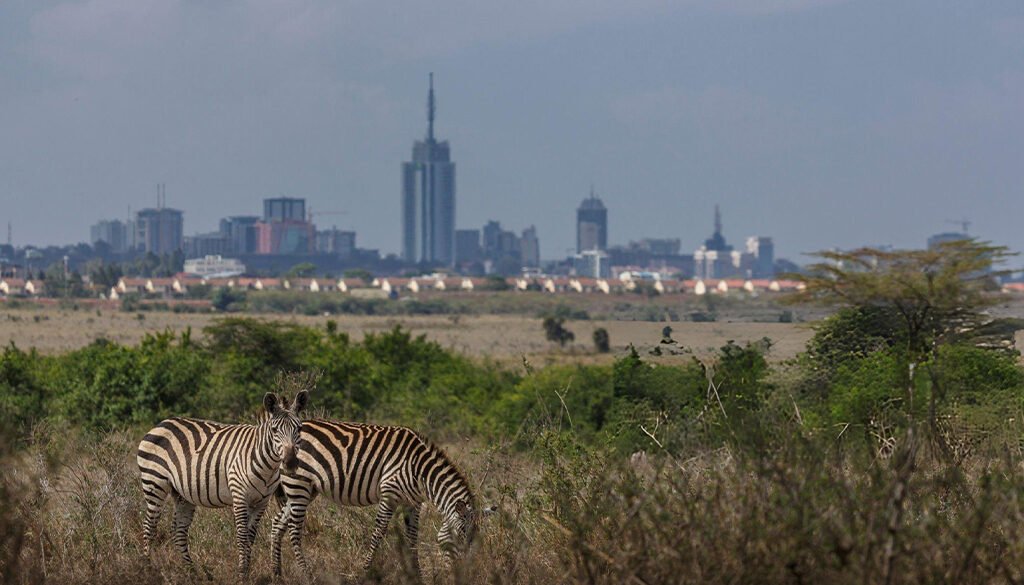
Is Kenya safe for safari in 2027? The direct answer is a resounding yes, provided you understand how tourism in East Africa operates and take the right preparations. Kenya remains one of the world’s premier safari destinations, welcoming hundreds of thousands of travelers each year who return home with nothing but life-changing memories. However, staying safe requires knowing where to go, how to travel, and what precautions to take on the ground.
Navigating East Africa
The reality of travel safety in Kenya comes down to geography. While global news headlines might occasionally highlight political protests or security concerns in specific border regions, these issues rarely touch the established tourism corridors. Is Kenya safe for safari itineraries along the classic circuit? Absolutely. The classic safari circuit—including the world-famous Masai Mara, the elephant-rich plains of Amboseli, the dramatic landscapes of Samburu, and the rhino sanctuaries of Ol Pejeta and Laikipia – operates in an entirely separate sphere of high security and carefully managed logistics. International advisories often place blanket warnings on remote non-tourist regions, particularly along the far northeastern border with Somalia, but these areas are hundreds of miles away from where any reputable safari operator would ever take you.
Urban Street Smarts
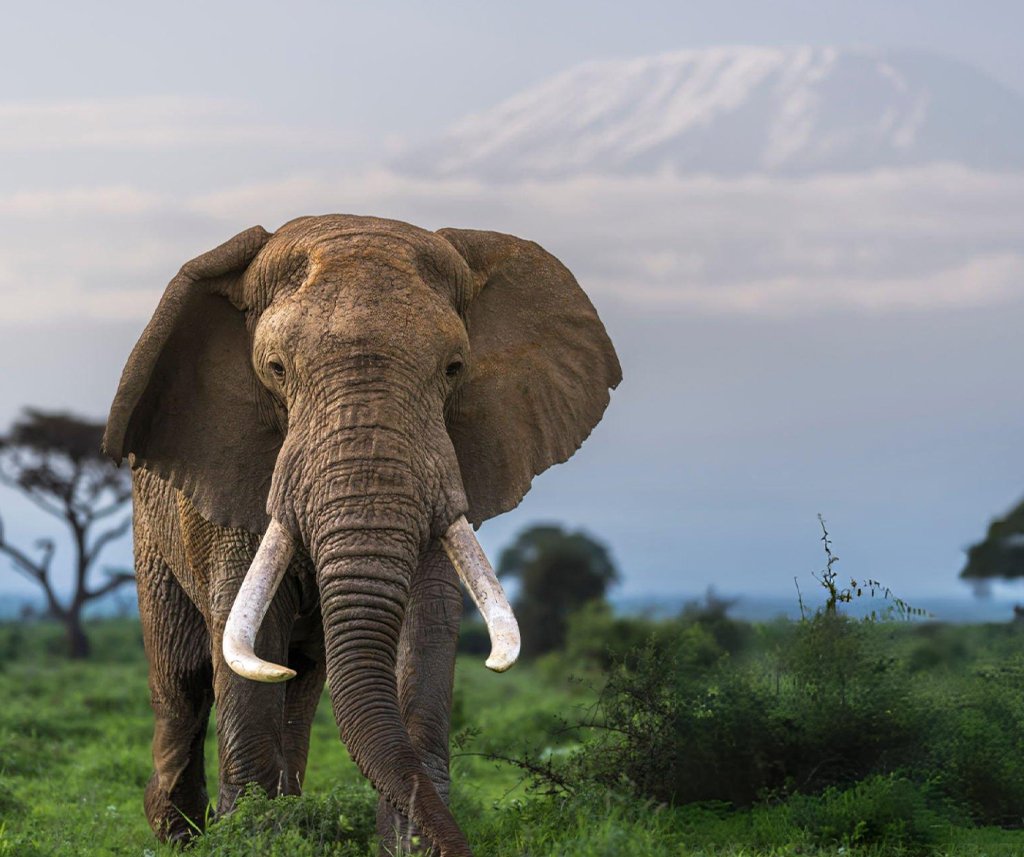
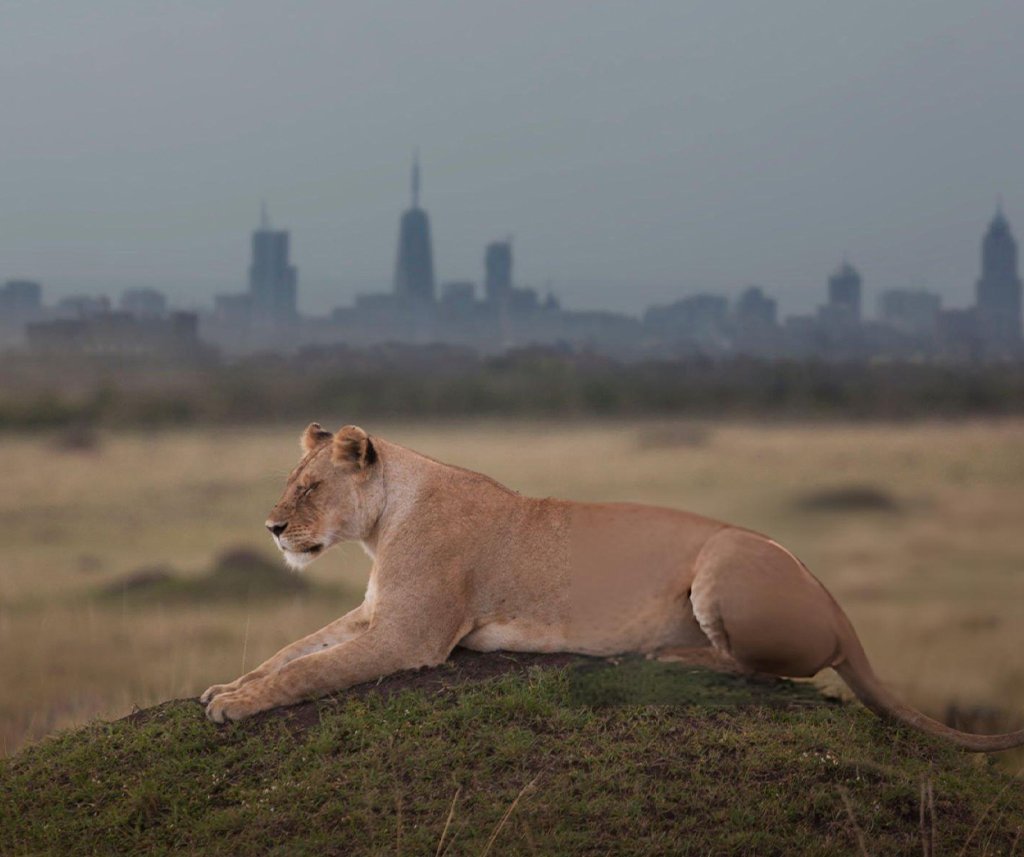
Your journey almost certainly begins in Nairobi, the bustling capital city that serves as the gateway to East Africa. Like any major metropolis, Nairobi requires a sense of urban street smarts. Petty crime such as pickpocketing and bag snatching can happen, particularly in crowded downtown markets or busy transport hubs. To navigate the city safely, avoid flashing expensive jewelry, high-end cameras, or large wads of cash. Stick to trusted, hotel-arranged drivers or reputable ride-hailing apps like Uber rather than hailing random street cabs, and avoid walking alone after dark. Most travelers spend minimal time in the city before heading out to the wilderness, transitioning smoothly from Jomo Kenyatta International Airport directly to their safari lodges or private airstrips.
Wilderness Etiquette and Wildlife Respect
Once you leave the city behind and land in the wild, the safety dynamic shifts completely from urban awareness to wildlife respect. Is Kenya safe for safari game drives in open vehicles? Yes, because modern safari tourism is built on decades of refined safety protocols designed to protect both human visitors and wild animals. While it can feel intimidating to sit in an open-sided vehicle just yards away from a pride of sleeping lions or a herd of massive bull elephants, animals view the vehicle as a single, large, non-threatening object.
The golden rule of wildlife safety is simple: listen to your guide at all times. Professional Kenyan guides undergo years of rigorous training to read animal body language, predict behavior, and handle sudden changes in the environment. Never stand up abruptly, make loud noises, or attempt to hang out of the vehicle while animals are nearby. When staying at unfenced wilderness camps, always utilize staff escorts when walking between your tent and the main dining lodge after dark, as wildlife moves freely through these natural corridors.

Health and Medical Preparation in 2027
Health and medical preparation form another essential pillar of a safe 2027 trip. Kenya is located along the equator, and while high-altitude areas like Nairobi and the Mara stay relatively mild, tropical health precautions are necessary. Mosquito-borne illnesses, particularly malaria, are present in low-altitude and coastal zones, making anti-malarial medication and quality insect repellent essential parts of your packing list.
You will also need to check current entry requirements for routine travel vaccinations, including Yellow Fever depending on your country of origin. When it comes to food and water, top-tier safari lodges maintain rigorous international hygiene standards, but it is always best practice to drink filtered or bottled water, avoid raw street food, and stay hydrated under the African sun. Booking a policy that includes comprehensive medical evacuation insurance ensures that if an unexpected illness or injury occurs, you can be airlifted directly to world-class medical facilities in Nairobi.
Transport, Logistics, and Road Safety
Road conditions in rural Kenya are another factor to keep in mind. While main highways are paved, highways between major hubs can see heavy traffic and unpredictable local driving habits. Meanwhile, dirt roads leading into national parks can turn rough and muddy, especially during the wet seasons.
Partnering with an established, licensed safari company ensures you travel in custom-built 4×4 Land Cruisers with proper seatbelts, experienced drivers, and active satellite communication systems. Alternatively, flying safaris using local bush planes between private airstrips allow you to skip long overland drives altogether, saving time while offering spectacular aerial views of the landscape.
Documentation, Entry, and Cultural Awareness
Preparing your documentation is simple thanks to modern entry systems. Kenya utilizes an online Electronic Travel Authorisation, or eTA, which visitors must apply for well in advance of departure. Combining this smooth administrative process with basic cultural awareness guarantees a warm welcome.
Kenyans are renowned worldwide for their hospitality, and taking the time to greet locals with a friendly “Jambo” goes a long way. When visiting local villages, always ask for permission before taking photographs, respect local customs, and carry cash in small denominations for souvenirs or tips, as ATMs are nonexistent once you enter the remote bush. So, when planning your next African adventure, rest assured: is Kenya safe for safari travelers who come prepared? Without a doubt, yes.