Namunyak Wildlife Conservancy Safari 2027: The Ultimate Visitor’s Guide
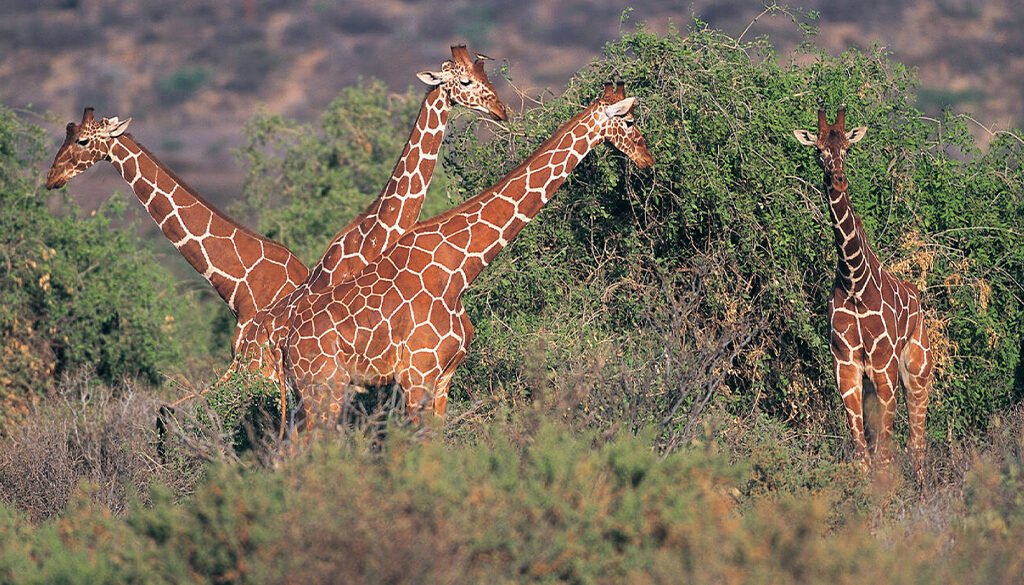
A Namunyak Wildlife Conservancy Safari is defined by its dramatic topography. The conservancy wraps around the Mathews Range (Ol Olokwe), a “sky island” of ancient Afro-montane forest rising from the arid lowlands. This creates a unique microclimate where you can track elephants through acacia-dotted savannahs in the morning and hike into lush, orchid-filled cloud forests by afternoon. The visual contrast is staggering, providing a backdrop that is significantly more mountainous and craggier than the flat plains of the Maasai Mara.
Essential Safari Profile: Namunyak at a Glance
Category | Details |
Location | Northern Kenya, at the foothills of the Mathews Range, Samburu County. |
Key Species | Reticulated giraffe, Grevy’s zebra, African wild dog, leopard, and de Brazza’s colobus monkey. |
Best Time to Visit | June to October (Dry Season) for peak wildlife; January to February for heat and clarity. |
Entry Fees (2027) | Adults: US$80–120; Children: US$45–75 (International). KSh 1,000–2,000 (Residents). |
Airstrip | Namunyak Airstrip (private) or Kalama/Sasaab Airstrips (scheduled). |
Witnessing the “Singing Wells”
One of the most culturally significant facts about the Namunyak Wildlife Conservancy Safari is the opportunity to witness the Singing Wells. During the dry season, Samburu warriors bring their livestock to dry riverbeds and dig deep wells to reach water. As they form human chains to pass buckets up, they sing rhythmic, family-specific songs. These songs are recognized by their cattle, who come to the well only when they hear their owner’s voice. This is a living tradition, not a performance, offering a rare look at the deep bond between the Samburu people and their environment.
The Reteti Elephant Sanctuary
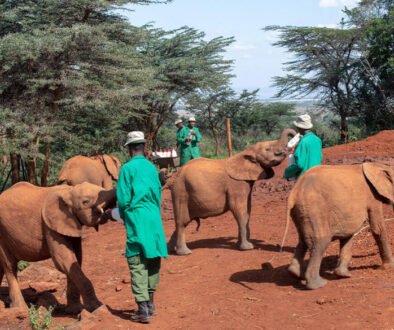
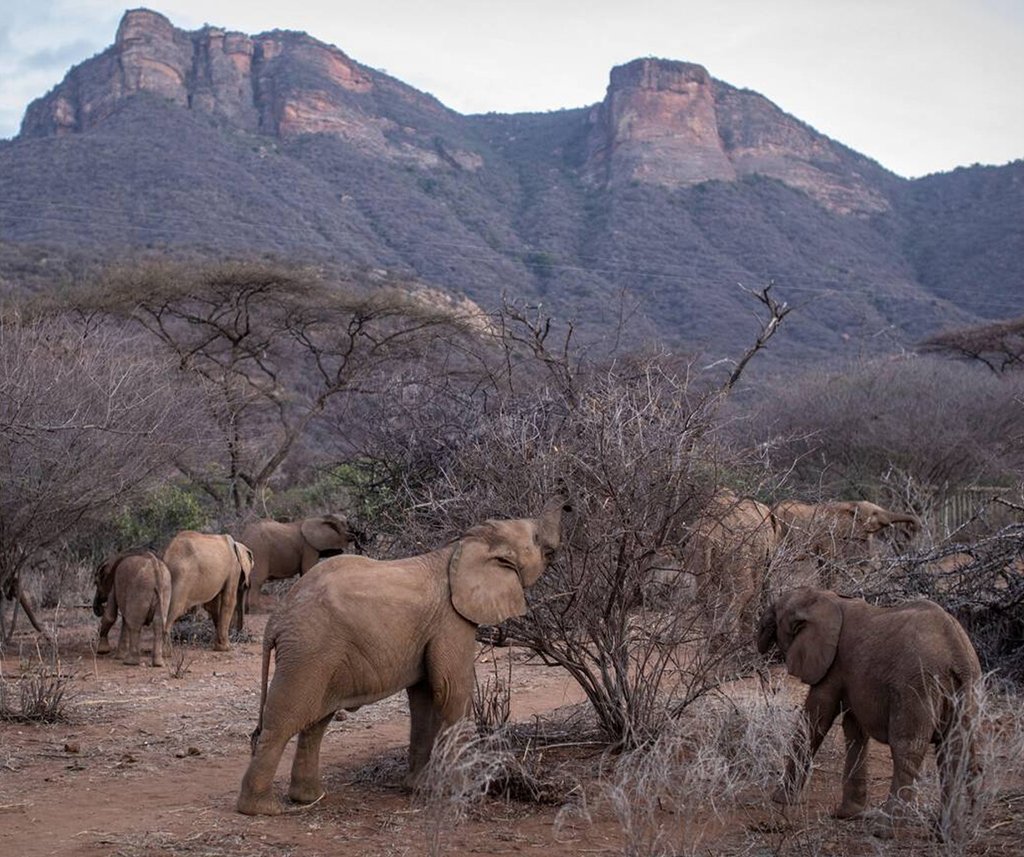
No Namunyak Wildlife Conservancy Safari is complete without a visit to the Reteti Elephant Sanctuary. As the first community-owned and run elephant orphanage in Africa, Reteti is a global leader in conservation. In 2026, the sanctuary continues to rescue, rehabilitate, and rewild orphaned calves. Visitors can watch the midday feeding from a viewing platform, seeing firsthand how the Samburu keepers care for these gentle giants. It is a powerful testament to how local communities can lead the charge in protecting Africa’s iconic species.
Rare Species and “Northern Specials”
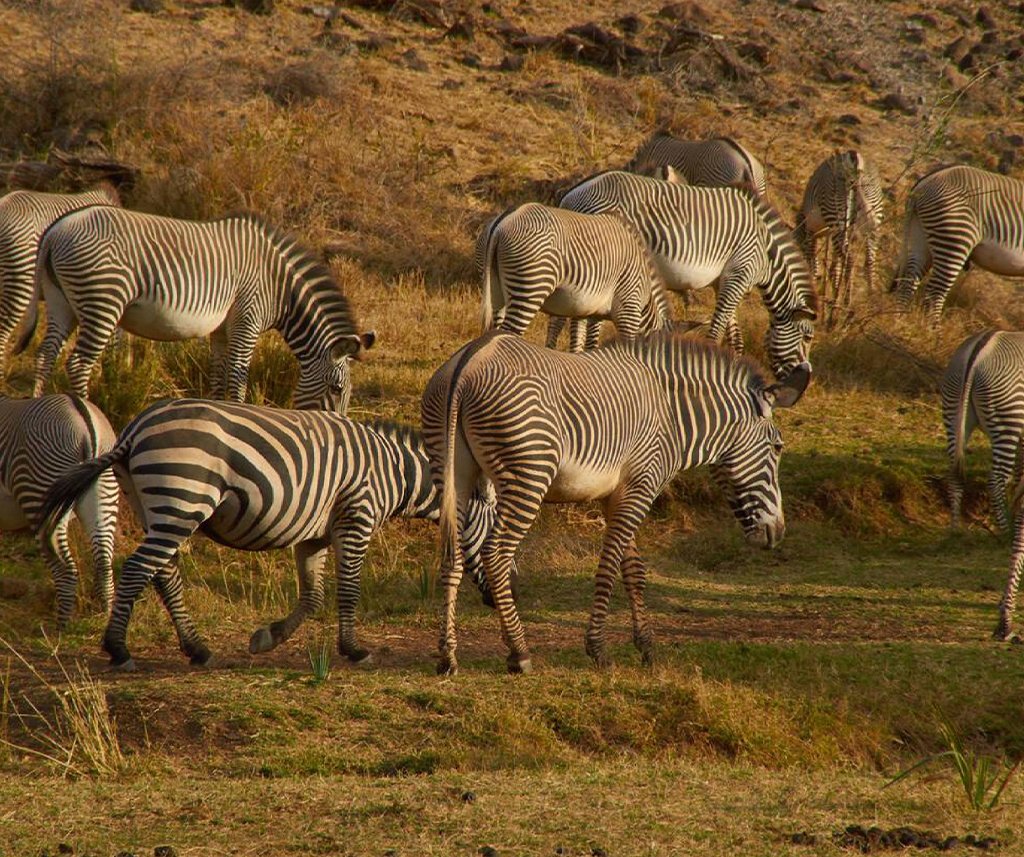
Wildlife enthusiasts choose a Namunyak Wildlife Conservancy Safari to see species rarely found elsewhere. The “Samburu Special Five”—the reticulated giraffe, Grevy’s zebra, Somali ostrich, Beisa oryx, and the long-necked gerenuk—are all resident here. Additionally, the conservancy is a stronghold for the African wild dog (painted dog), which thrives in the vast, undisturbed wilderness of the northern rangelands. Because the conservancy limits vehicle numbers, sightings are private and unrushed.
Immersive Activities Beyond the Vehicle
Unlike national reserves, the Namunyak Wildlife Conservancy offers a diverse menu of active adventures. You can explore the wilderness on a horseback safari, getting closer to giraffes and zebras than a car ever could. For those who enjoy trekking, the hike to see the ancient cycads—plants that have existed since the era of the dinosaurs—is a must. Night game drives are also permitted here, revealing the secretive world of leopards, aardvarks, and honey badgers that emerge under the starlight.
Sustainable Luxury: Where to Stay
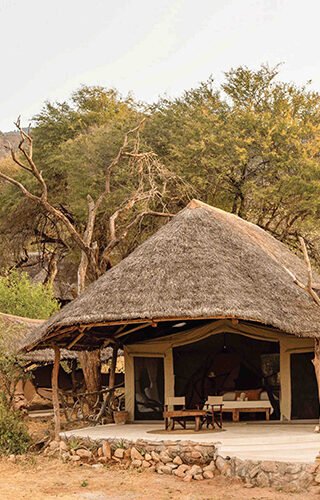
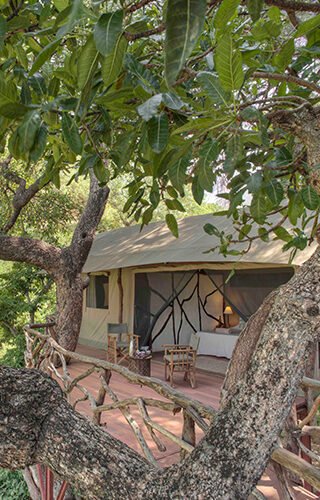
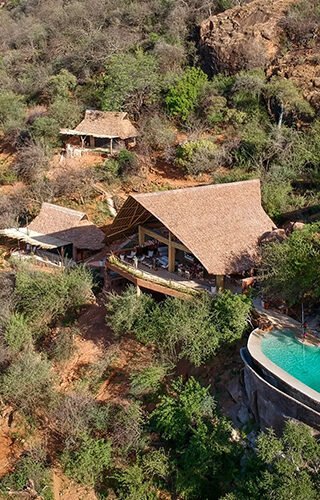
The accommodations within Namunyak are as much a part of the experience as the wildlife. Sarara Camp, Sarara Treehouses, and Reteti House offer high-end, eco-conscious stays that blend seamlessly into the environment. These lodges are built with natural materials and operate with a heavy emphasis on sustainability. In 2026, staying at these properties often includes a conservation fee that directly funds local schools, healthcare, and water projects, ensuring your Namunyak Wildlife Conservancy Safari has a positive impact on the land and its people.
Strategic Planning: How to Get There
While the drive from Nairobi is a scenic 8-hour journey through Nanyuki and Archer’s Post, most luxury travelers opt for a 1.5-hour flight from Wilson Airport. Flying into the Namunyak Airstrip or nearby Kalama provides a bird’s-eye view of the shifting Kenyan landscapes, from the green highlands to the scorched red earth of the north. A 4×4 vehicle is essential for navigating the conservancy’s rugged terrain, especially if you plan to visit the more remote sections near the forest fringes.
Understanding the Conservation Landscape
By choosing this destination, visitors are directly supporting a model where wildlife protection is inextricably linked to community prosperity. The success of the Samburu people in managing 850,000 acres of land while increasing elephant populations is a story of hope in the global conservation narrative.
PREMIER LUXURY ACCOMMODATIONS
Namunyak Wildlife Conservancy Luxury Lodges
Looking for the best accommodation in Namunyak Wildlife Conservancy? Explore Sarara Camp, Sarara Treehouses, and Reteti House for an exclusive Kenya safari.