Reteti House: Conservation Meets Luxury
At Reteti House, the philosophy is simple: conservation belongs to the community. The house was designed to support the Namunyak community and the nearby elephant sanctuary. By staying at Reteti House, guests directly contribute to the salaries of local keepers and the milk formula for orphaned calves. It is one of the few places on the continent where luxury travel and grassroots wildlife protection are perfectly symmetrical.
Quick Facts: Reteti House at a Glance
Category | Details |
Location | Namunyak Wildlife Conservancy, Samburu, Northern Kenya |
Accommodation | Exclusive-use private villa (4 suites, sleeping up to 10 guests) |
Sustainability | Fully solar-powered, zero-plastic policy, community-owned |
Primary Wildlife | Elephant, Reticulated Giraffe, Grevy’s Zebra, Leopard, Wild Dog |
Unique Feature | Adjacent to the Reteti Elephant Sanctuary, the first community-owned elephant orphanage in Africa |
Activities | Elephant sanctuary visits, bush walks, Samburu village tours, fly camping |
Accommodation: Luxury Without Pretense
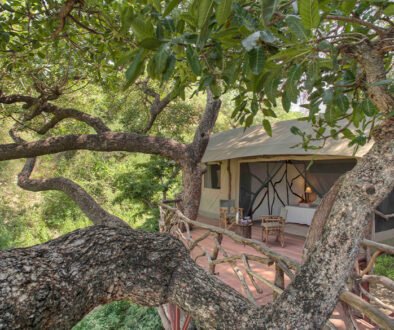
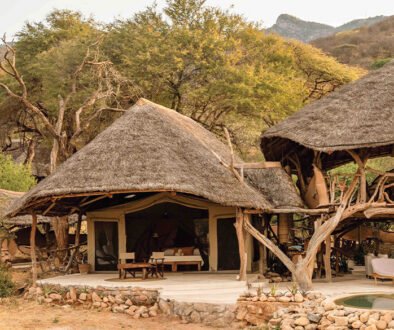
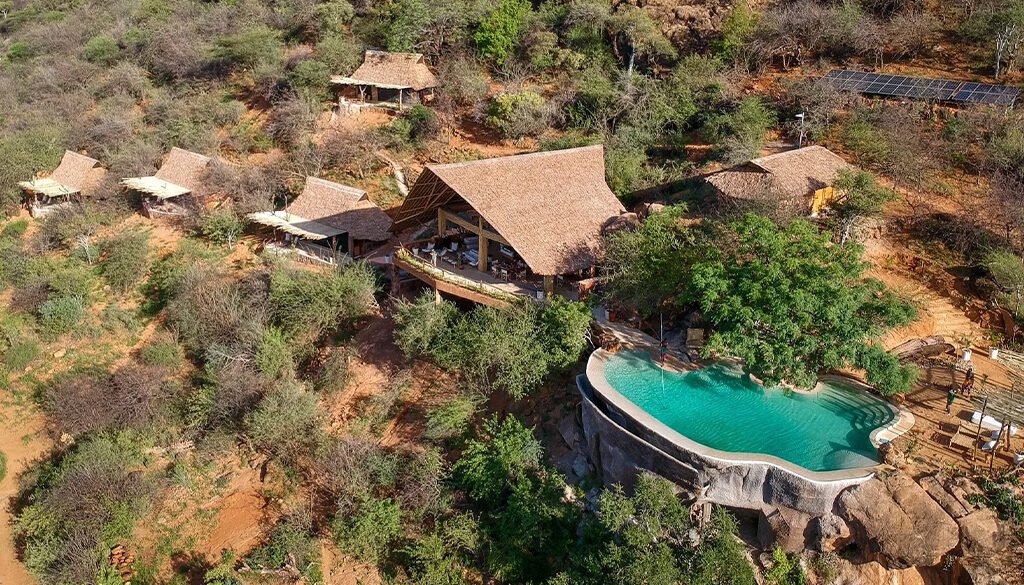
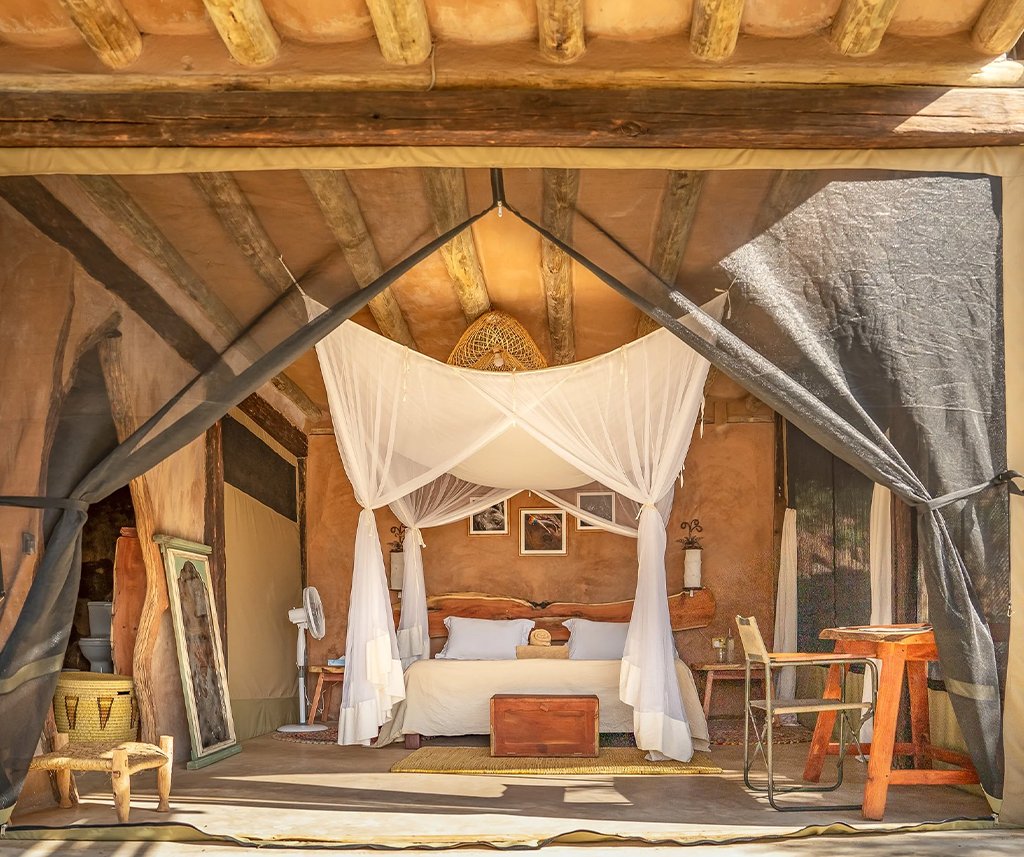
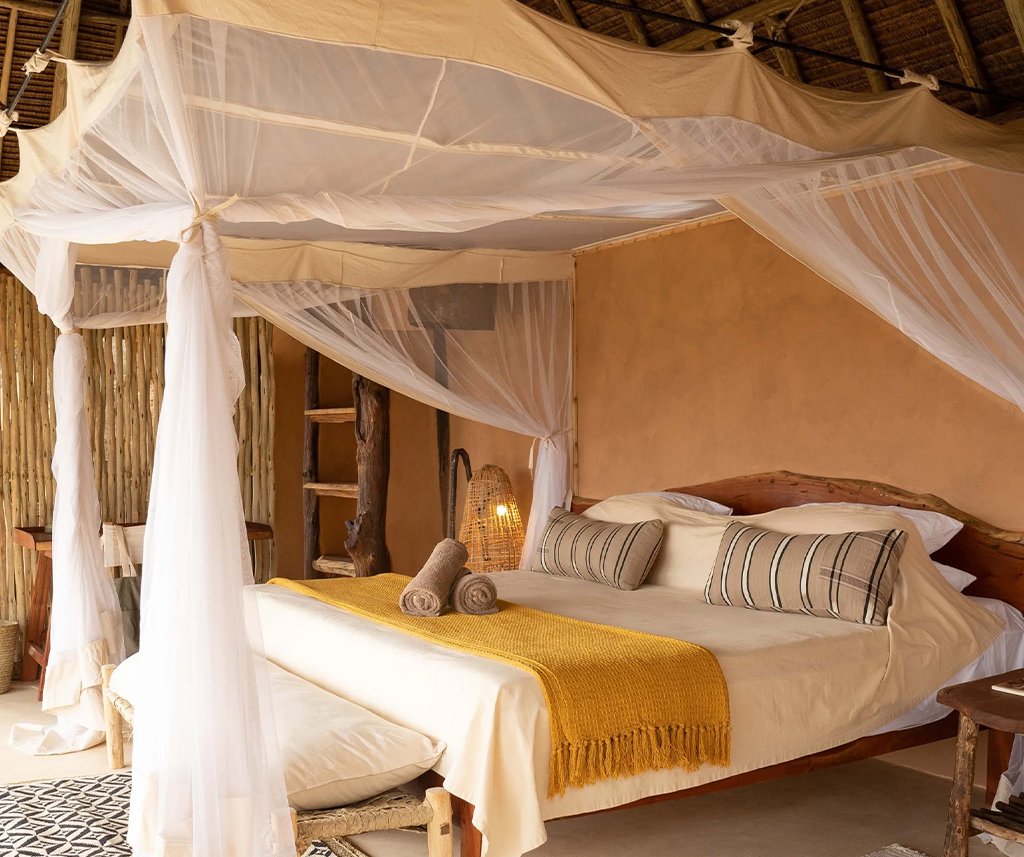
The design of Reteti House is an ode to its surroundings. Built using local stone and sustainable timber, the villa feels like a natural extension of the hillside. The four massive suites offer 360-degree views of the valley. While the amenities are world-class—including a stunning infinity pool and gourmet farm-to-table dining—the atmosphere at Reteti House remains grounded and authentic. It is an “exclusive-use” property, meaning when you book, the entire house and its dedicated staff are yours alone.
A Masterclass in Sustainability
Sustainability is not a buzzword at Reteti House; it is the foundation of its existence. The property operates entirely off-grid. Solar arrays provide the energy, and water is sourced and filtered with meticulous care to ensure zero waste. Furthermore, the employment model at Reteti House prioritizes the local Samburu people, ensuring that the economic benefits of tourism stay within the indigenous community.
Primary Wildlife: The Northern Five
Guests at Reteti House have the chance to see species rarely found elsewhere. While the “Big Five” are present, the “Northern Five” take center stage here. This includes the Somali Ostrich, Gerenuk, Beisa Oryx, Reticulated Giraffe, and the endangered Grevy’s Zebra. The area surrounding Reteti House is also a stronghold for leopards, which can often be heard calling from the rocky outcrops at night.
The Heart of the Experience: Reteti Elephant Sanctuary
The most compelling reason to stay at Reteti House is its proximity to the Reteti Elephant Sanctuary. Just a short drive from the villa, guests can witness the incredible work of the Samburu keepers. Watching a dozen orphaned elephants rush toward their bottles for a midday feeding is a life-altering sight. At Reteti House, you aren’t just observing from a distance; you are learning about the complex social structures of elephants and the human-wildlife conflict challenges that the community is successfully navigating.
Unique Feature: The “Singing Wells”
A short distance from Reteti House, guests can experience a cultural phenomenon known as the “Singing Wells.” During the dry season, Samburu warriors bring their livestock to deep wells. As they haul water up in buckets, they sing rhythmic songs that their cattle recognize. This ancient practice is a sacred part of Samburu life, and guests of Reteti House are often invited to witness it respectfully, providing a window into a culture that has lived in harmony with wildlife for centuries.
Activities: Beyond the Game Drive
While traditional game drives are spectacular at Reteti House, the property encourages guests to get out of the vehicle.
-
Bush Walks: Led by Samburu guides, these walks reveal the smaller wonders of the bush—from tracking animal prints to learning about medicinal plants.
-
Forest Hikes: The Mathews Range offers challenging hikes into “sky islands” of ancient podocarpus and cedar trees.
-
Fly Camping: For the adventurous, Reteti House can arrange for a night under the stars in a remote part of the conservancy.
-
Cultural Immersion: Visit local manyattas (villages) to learn about traditional beadwork and the nomadic lifestyle.