Lake Nakuru Safari 2027: The Ultimate Guide to Day Trips & Rhinos
A Lake Nakuru Safari is no longer the same experience found in vintage guidebooks. As we move through 2026, the landscape of this UNESCO World Heritage site has shifted—literally. From the “Freshwater Pivot” that changed the lake’s chemistry to the thriving rhino sanctuary that remains the best in East Africa, planning a trip here requires up-to-date expertise.
Whether you are a photography enthusiast chasing the perfect “pink” shot or a traveler looking for a quick escape from Nairobi, this guide breaks down everything you need to know about navigating the park this year.
Essential Safari Profile: Lake Nakuru at a Glance
Category | Visitor Details |
Park Status | UNESCO World Heritage Site & Premium KWS Park |
Top Highlight | Highest density of Black and White Rhinos in Kenya |
Best Entry Gate | Lanet Gate (from Nairobi) or Main Gate (from Nakuru City) |
Non-Resident Fee | 90 USD per Adult (24-hour pass) |
Resident Fee | KES 2,025 per Adult |
Optimal Time | 6:30 AM to 9:00 AM (Predator & Rhino activity) |
The Rhino Capital of Kenya
While the Masai Mara is famous for its vast plains, the Lake Nakuru Safari is unparalleled for rhino sightings. The park is a fully fenced sanctuary, which has allowed the populations of both Southern White Rhinos and the critically endangered Black Rhino to thrive. In 2026, sightings are nearly guaranteed if you head to the southern grasslands or the Naishi Plains. Unlike the elusive black rhinos of other parks, Nakuru’s rhinos are often seen grazing in open clearings, offering spectacular photography opportunities.
The Great Flamingo Shift
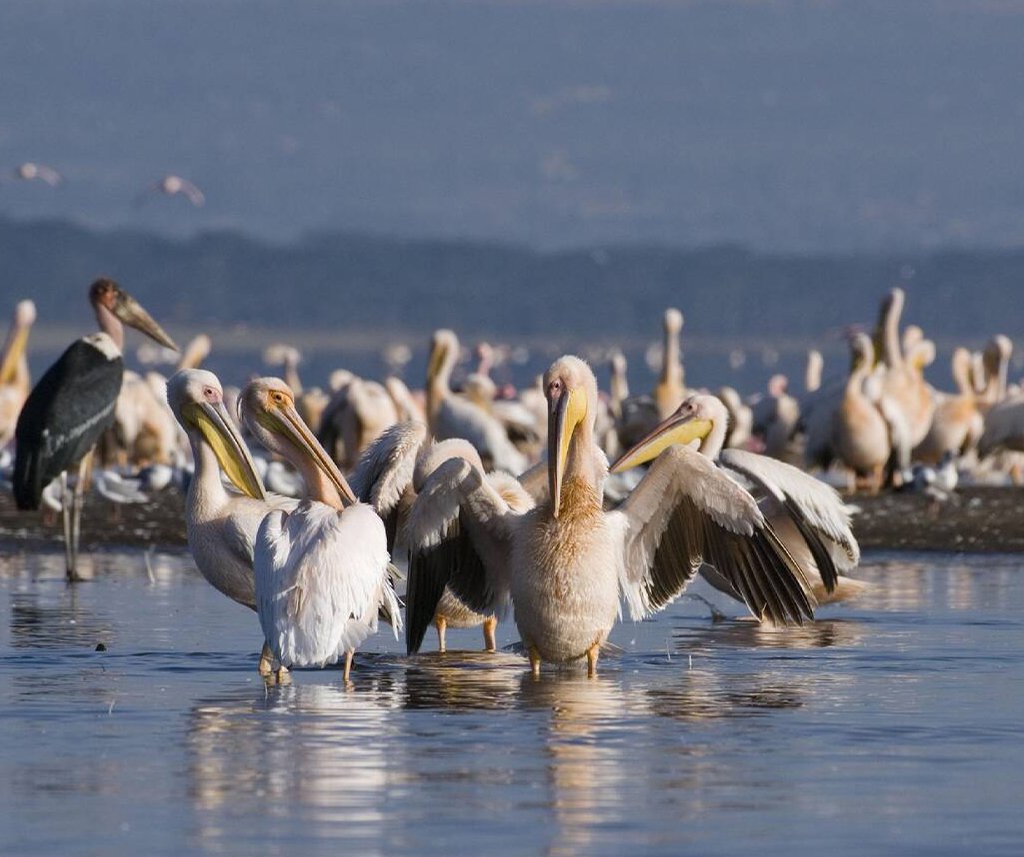
A common question for most travelers is: “Are the flamingos still there?” The answer is nuanced. Due to rising water levels that have decreased the lake’s salinity, the massive “million-bird” flocks often move between Lake Nakuru, Lake Bogoria, and Lake Elementaita. However, you will still see thousands of Greater Flamingos and Pelicans. For the best birdwatching, focus on the southern Nderit area where the water is shallower and the algae—the flamingos’ primary food source—is more concentrated.
Mastering the Day Trip from Nairobi
One of the best ways to experience a Lake Nakuru Safari is via a day trip. Located about 160 km (3 hours) from Nairobi, it is the perfect “bite-sized” safari.
-
The Pro Move: Use the Lanet Gate shortcut. It allows you to bypass the heavy traffic of Nakuru City and puts you directly into the prime wildlife zones of the eastern sector.
-
The Itinerary: Arrive by 7:30 AM, spend the morning searching for leopards in the fever tree forests, have a picnic at Baboon Cliff for a panoramic view, and exit by 4:00 PM to beat the highway traffic back to the capital.
Tracking the “Tree-Climbing” Lions
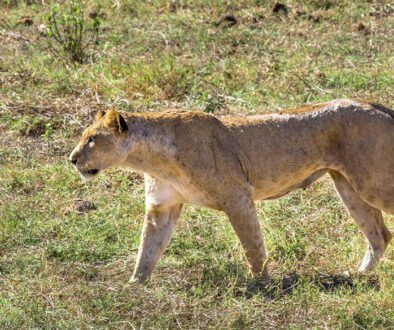
While Lake Manyara in Tanzania is famous for tree-climbing lions, Nakuru’s lions have adopted the same habit. In 2026, keep your eyes glued to the giant yellow-barked acacia trees. During the heat of the day, pride members often lounge on the thick branches to escape the tall grass and pesky insects. This behavior is a highlight of any Lake Nakuru Safari and provides a unique vertical dimension to your game drive.
Essential Entry Fees and Logistics
As of 2026, Kenya Wildlife Service (KWS) has transitioned all payments to the eCitizen digital platform. Cash is no longer accepted at the gates.
-
International Visitors: 90 USD
-
African Citizens (Non-EAC): 50 USD
-
East African Citizens: 1,500 KES
-
Vehicle Fees: A standard 6-seater safari van costs approximately 600 KES per day.
Remember that your ticket is valid for 24 hours. If you enter at 2:00 PM on a Tuesday, you can enjoy an evening drive and a Wednesday morning drive on the same pass.
Where to Find the Most Elusive Predators
The leopard is notoriously difficult to spot, but the “Leopard Loop” in the northern part of the park is your best bet. The dense acacia woodland provides the perfect camouflage for these spotted cats. During a Lake Nakuru Safari, the high density of herbivores like the Rothschild’s Giraffe (another endangered resident) and Waterbuck means the predators are never far away.
Conservation Success: The Rothschild’s Giraffe
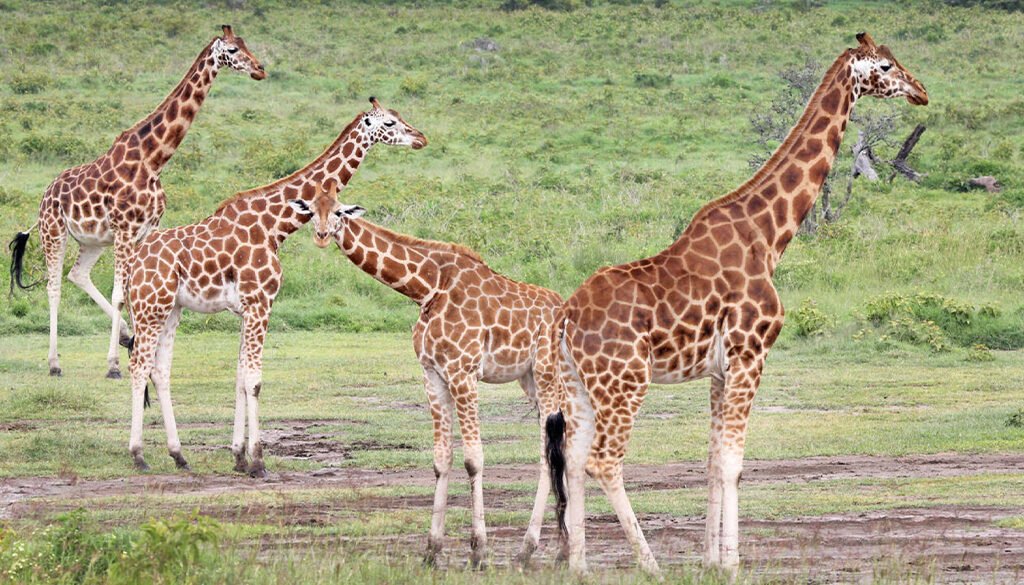
Beyond the rhinos, Lake Nakuru is a vital sanctuary for the Rothschild’s Giraffe. Distinguished by their white “socks” (they have no markings below the knee), these giraffes were introduced to the park to save them from extinction. Today, they are a common sight, often seen moving in “journeys” across the acacia-fringed landscape, providing a prehistoric backdrop to your safari photos.
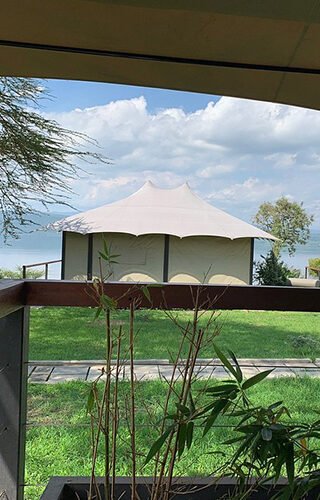
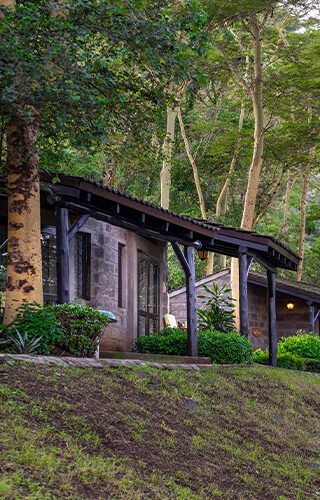
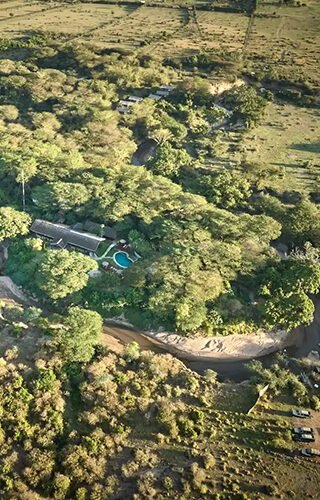
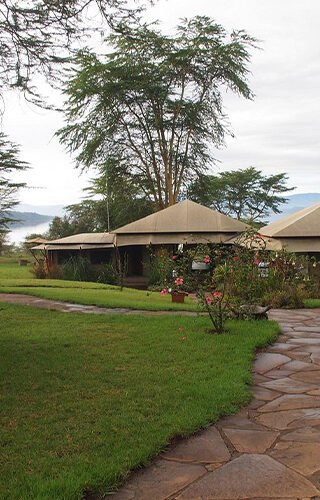
PREMIER LUXURY ACCOMMODATIONS
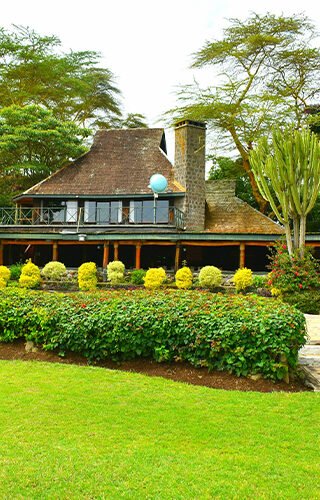
Lake Nakuru National Park Lodges
Looking for the best Lake Nakuru National Park lodges? Explore top-rated stays like Sarova Lion Hill and Lake Nakuru Lodge for an unforgettable 2026 safari experience.