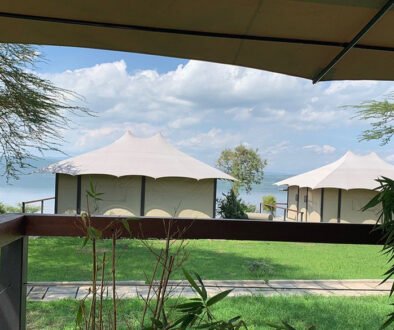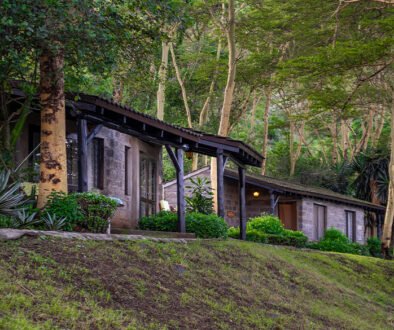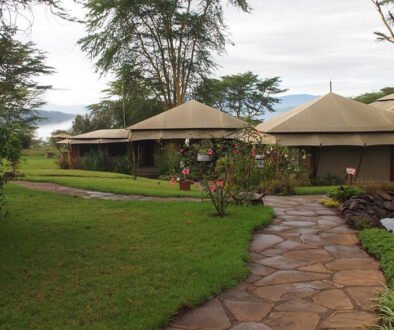
Mbweha Camp: A Hidden Gem in the Great Rift Valley
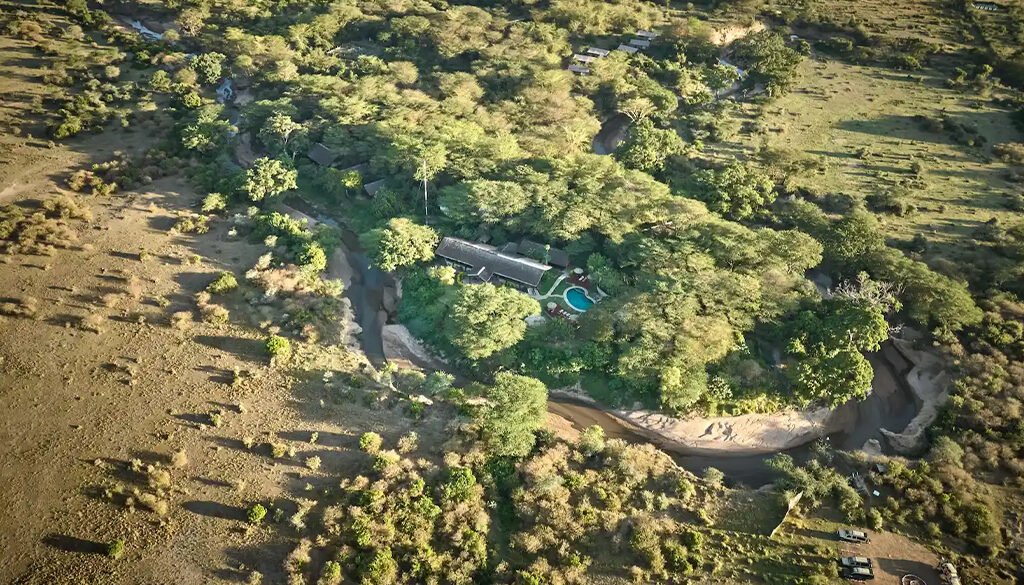
The geography of Mbweha Camp is one of its most compelling attributes. It sits within the Greater Soysambu Conservancy area, a World Heritage and Ramsar Site. This positioning offers guests sweeping views over the Eburru and Mau Escarpments. Because the camp is located on a private conservancy, guests are not bound by the strict “dawn-to-dusk” rules of the national park, allowing for a more flexible and immersive wilderness experience.
Quick Facts: Mbweha Camp at a Glance
Category | Details |
Location | Congreve Conservancy, bordering Lake Nakuru National Park (2.5 hours from Nairobi). |
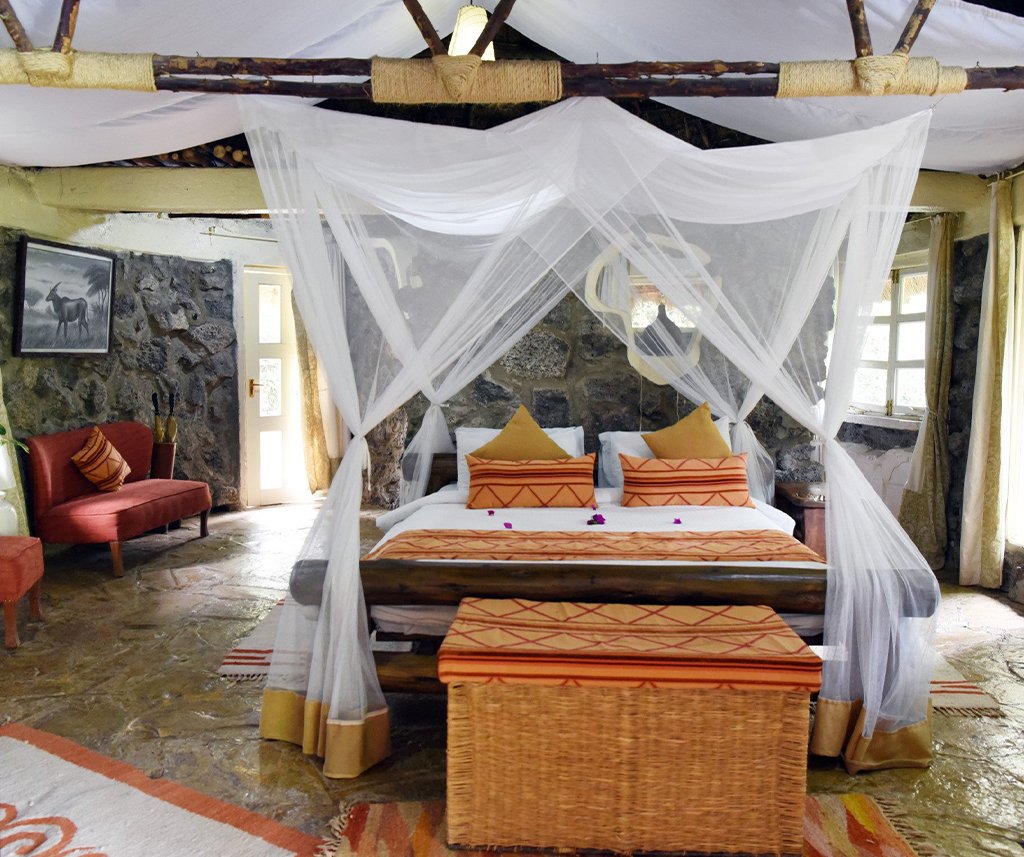
Accommodation | 10 rustic lava-stone cottages with thatched roofs and en-suite bathrooms. |
Sustainability | Powered by a combination of solar energy and generator; supports local conservation. |
Primary Wildlife | Black and white rhinos, lions, leopards, Rothschild giraffes, and 450+ bird species. |
Unique Feature | Exclusive location outside the park allows for night game drives and bush walks. |
Activities | Day and night game drives, camel rides, mountain biking, and hiking "Delamere’s Nose." |
Authentic African Accommodation
The architecture at Mbweha Camp is designed to blend seamlessly with the surrounding environment. The 10 cottages are built from local volcanic stone and topped with traditional thatched roofs. Inside, you will find:
-
Contemporary African Decor: Natural textures and warm tones that reflect the local Maasai culture.
-
En-suite Luxury: Large bathrooms featuring double washbasins and, in some cottages, refreshing outdoor showers.
-
Privacy: Each unit is nestled among indigenous trees like the yellow-barked acacia and Euphorbia candelabra, ensuring a secluded atmosphere.
Sustainability and Community Focus
In an era of conscious travel, Mbweha Camp stands out for its commitment to the environment. The camp utilizes solar power for lighting, minimizing its carbon footprint. Furthermore, by being part of the Congreve and Soysambu conservancies, the camp contributes directly to the protection of the Elemantaita bird sanctuary and the endangered Rothschild giraffe.
Wildlife Encounters: Beyond the Pink Flamingos
While Lake Nakuru is famous for its flamingos, the wildlife around Mbweha Camp is far more diverse. The nearby national park is Kenya’s first and largest rhino sanctuary, where sightings of both black and white rhinos are frequent. On the conservancy itself, you might encounter:
-
The Rare: The endangered Rothschild giraffe and the elusive colobus monkey.
-
The Predators: Lion and leopard sightings are high, particularly during early morning or night drives.
-
The Plains Game: Large herds of buffalo, zebra, impala, and waterbuck graze the open savannah.
Unique Features and Thrilling Activities
The ability to engage in activities prohibited within the national park makes Mbweha Camp a favorite for adventurous spirits.
Night Game Drives
Experience the “night shift” of the African bush. Guided by expert trackers using spotlights, guests can witness the nocturnal behaviors of hyenas, owls, and hunting cats.
Bush Walks and Hiking
For those who prefer to be on their feet, the camp offers guided nature walks. A popular challenge is the hike to “Delamere’s Nose,” a hill spanning Lake Elementaita that provides a panoramic view of the Rift Valley floor.
Camel and Horseback Safaris
To truly connect with the landscape, guests can traverse the conservancy on camelback or horseback. This silent mode of travel allows you to get much closer to the wildlife than a motorized vehicle ever could.
Why Choose Mbweha Camp?
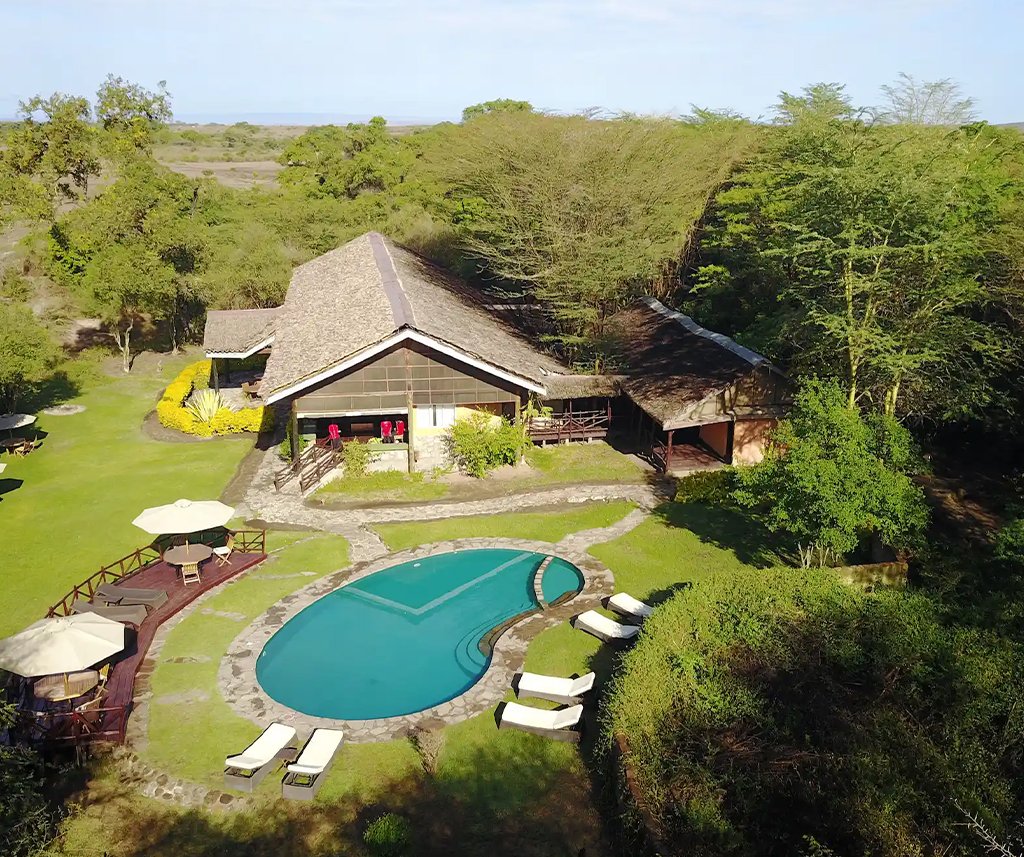
Staying at Mbweha Camp offers a “best of both worlds” scenario. You have direct access to the world-class game viewing of Lake Nakuru National Park while enjoying the quiet, uncrowded luxury of a private conservancy. Whether you are sipping a sundowner by the fire pit or relaxing by the swimming pool, the camp provides a profound sense of connection to the wild heart of Kenya.
For any traveler planning an East African itinerary, Mbweha Camp represents the pinnacle of sustainable, intimate, and authentic safari living. It is a place where the sounds of the African night—the laugh of a hyena or the distant roar of a lion—become the soundtrack to an unforgettable journey.