Facts About the Nile Monitor
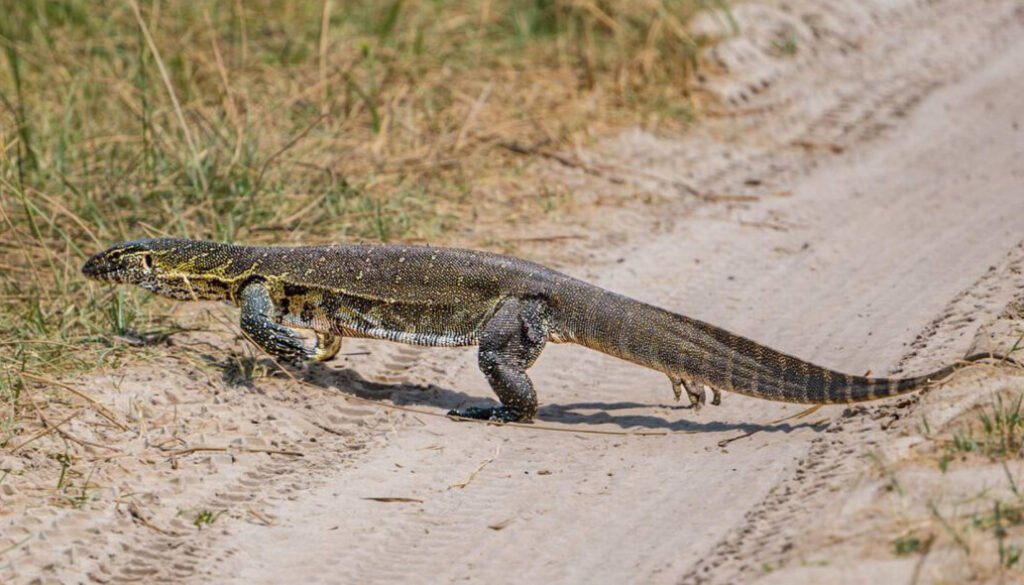
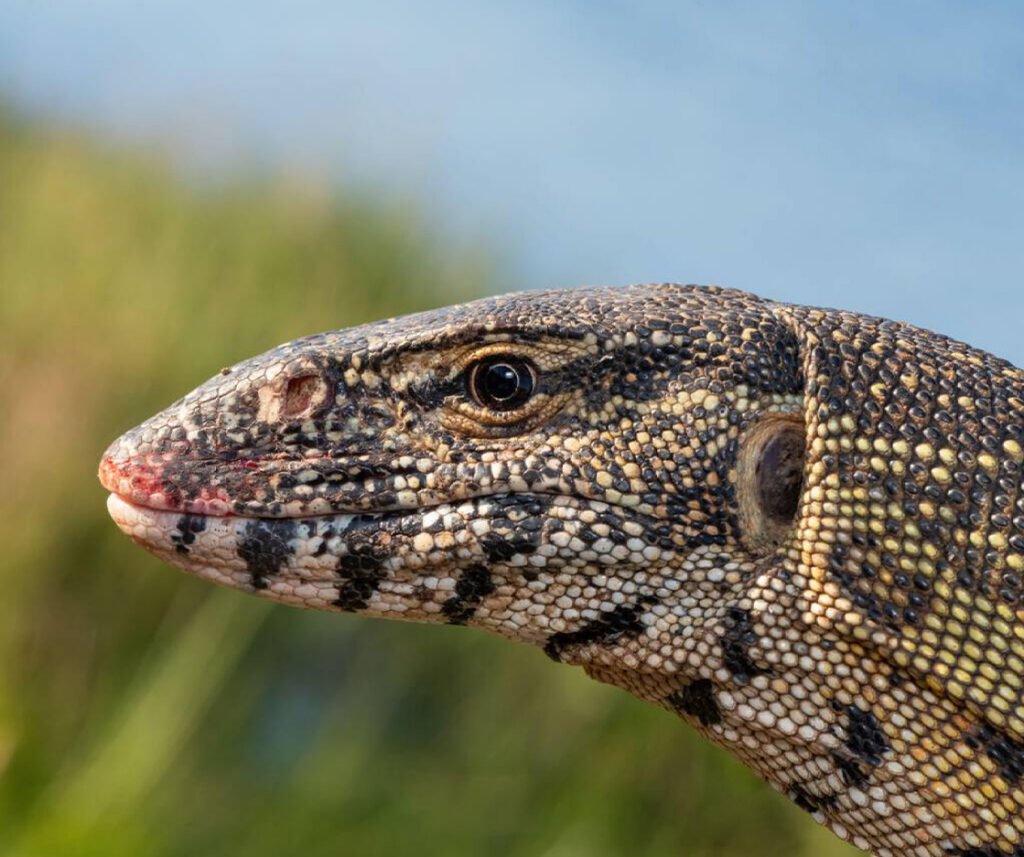
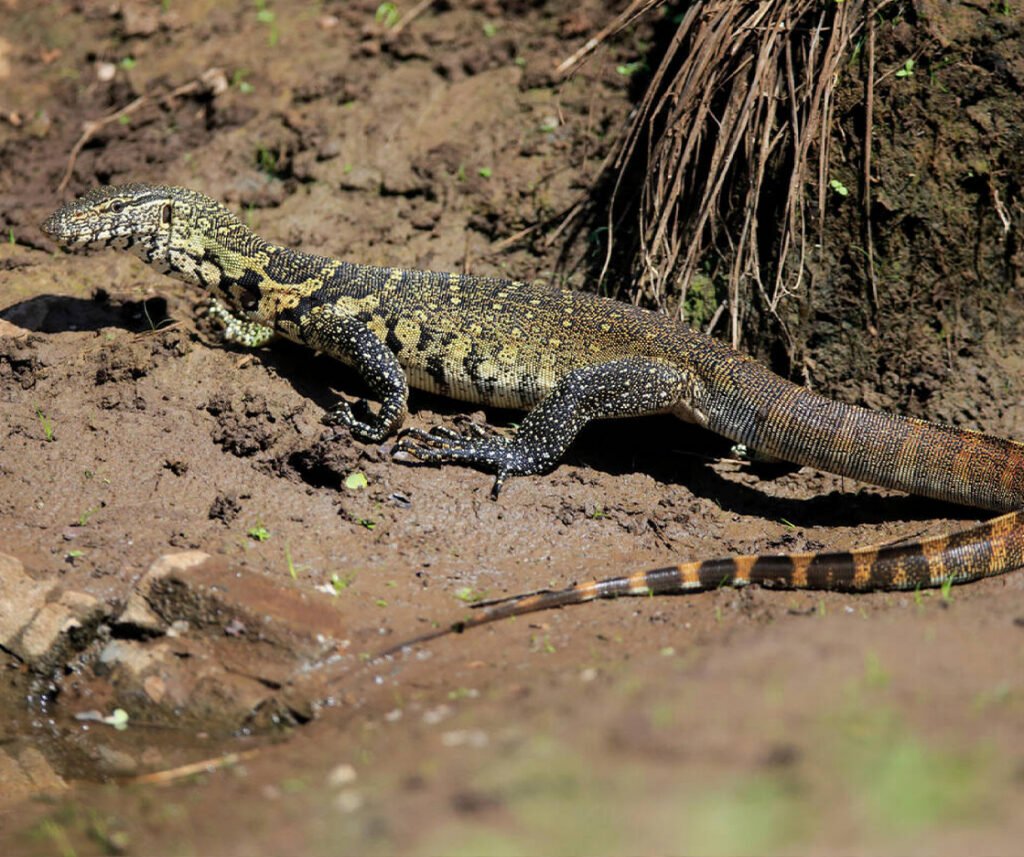
One of the most striking facts about the Nile Monitor is its physical versatility. These lizards possess a muscular, olive-to-black body adorned with bright yellow bands and spots, which act as camouflage in the dappled sunlight of riverbank vegetation.
Their most impressive feature is likely the tail. Longer than the actual body, the tail is laterally compressed (flattened sideways), allowing it to function like a powerful oar in the water. On land, this tail becomes a formidable whip used for defense against predators like crocodiles or large birds of prey. Their claws are sharp and curved, perfect for climbing trees, digging burrows, or tearing into prey.
Essential Facts About the Nile Monitor
-
Common Name: Nile Monitor
-
Scientific Name: Varanus niloticus
-
Type: Reptile
-
Diet: Carnivore
-
Average Life Span in the Wild: 10 to 20 years
-
Size (Head and Body): 3.9 to 7.9 feet (including tail)
-
Weight: 11 to 44 pounds
Habitat and Distribution
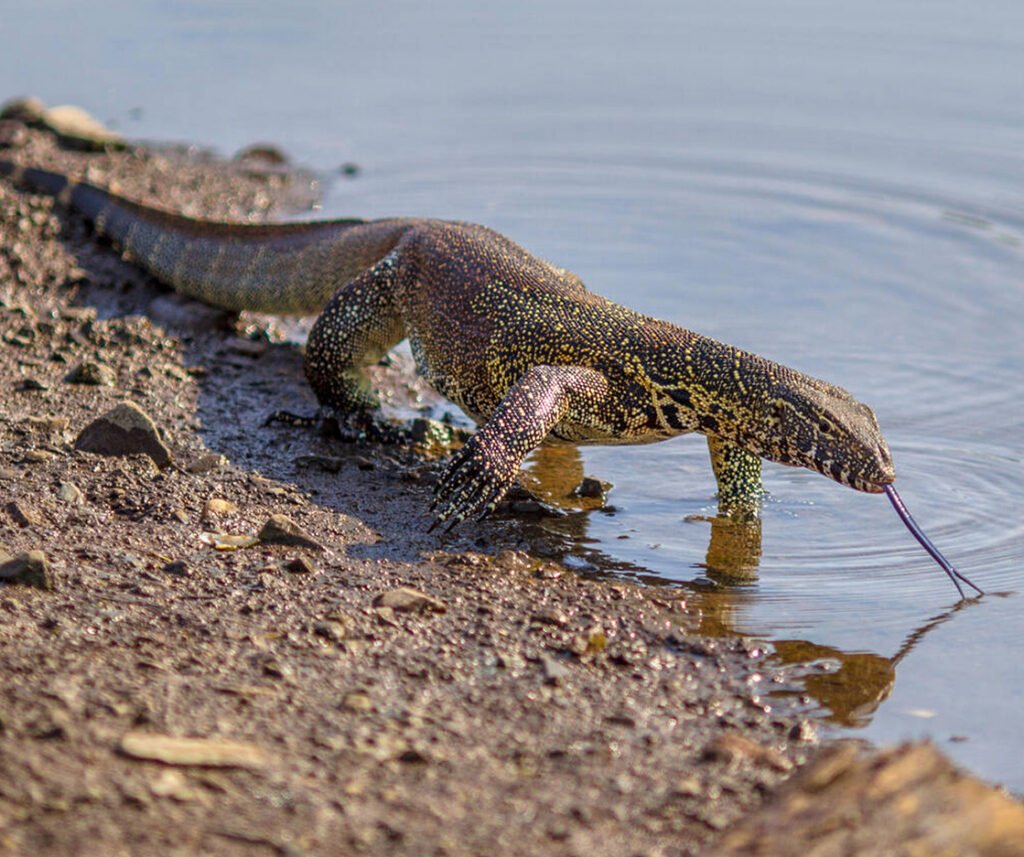
As the name suggests, these reptiles are synonymous with the Nile River, but their reach extends far beyond it. They are found throughout much of Sub-Saharan Africa, excluding the harshest desert regions. They are never far from a permanent water source, including rivers, lakes, swamps, and even estuaries.
In recent years, an interesting (and controversial) addition to the facts about the Nile Monitor is their status as an invasive species. Due to the exotic pet trade, breeding populations have established themselves in Florida, USA. Their adaptability allows them to thrive in the Everglades, where they compete with native species for food and resources.
The Diet of a Generalist Predator
When discussing facts about the Nile Monitor, their diet reveals a high level of opportunism. They are true generalists, meaning they will eat almost anything they can overpower.
-
Aquatic Prey: Fish, frogs, and freshwater mussels.
-
Terrestrial Prey: Small mammals, birds, and other reptiles.
-
The Specialist Niche: They are famous for raiding crocodile nests. Nile monitors will often work in pairs—one distracts the mother crocodile while the other digs up the eggs.
-
Invertebrates: Juveniles primarily focus on insects, snails, and crabs until they grow large enough to tackle vertebrate prey.
Reproductive Behavior and Life Cycle
The reproductive habits of these lizards are nothing short of brilliant. Females often seek out active termite mounds to lay their eggs. By digging into the hard mound and depositing her clutch (usually 20 to 60 eggs), the mother ensures a temperature-controlled incubator for her offspring.
The termites eventually repair the hole, sealing the eggs inside. This protects them from predators and environmental fluctuations. When the rains come, the mound softens, allowing the hatchlings to dig their way out and begin their lives in the nearby water.
Intelligence and Social Structure
Monitor lizards, in general, are considered among the most intelligent reptiles. Observations suggest that Nile monitors can count, solve simple problems, and exhibit complex hunting strategies. While they are primarily solitary, they do interact during the breeding season or when congregating around a large food source, such as a hippo carcass.
Interestingly, they possess a “Jacobson’s organ” in the roof of their mouth. By flicking their deeply forked tongue, they “taste” the air, picking up chemical signatures of prey or rivals from great distances.
Conservation and Interaction with Humans
Currently, the Nile monitor is not listed as endangered, but they face threats from habitat loss and the leather trade. Their skin is highly valued for making drums, shoes, and handbags. In some cultures, they are also hunted for bushmeat or traditional medicinal purposes.
As pets, they are notoriously difficult. Unlike some lizard species that can become “tame,” Nile monitors remain flighty and aggressive even in captivity. They require massive enclosures and specialized care, making them suitable only for expert herpetologists.