Facts About the Sable Antelope: The Majestic Warrior of the African Woodland
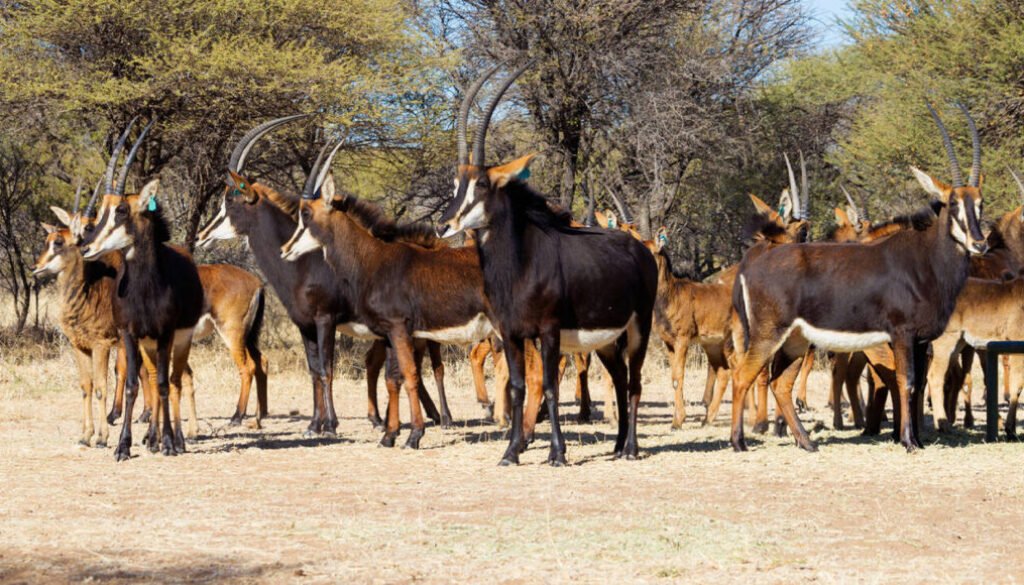
When discussing facts about the sable antelope, one cannot ignore their physical presence. The sable is a large, barrel-chested antelope with a short neck and a magnificent mane. However, it is their coloration and headgear that truly set them apart.
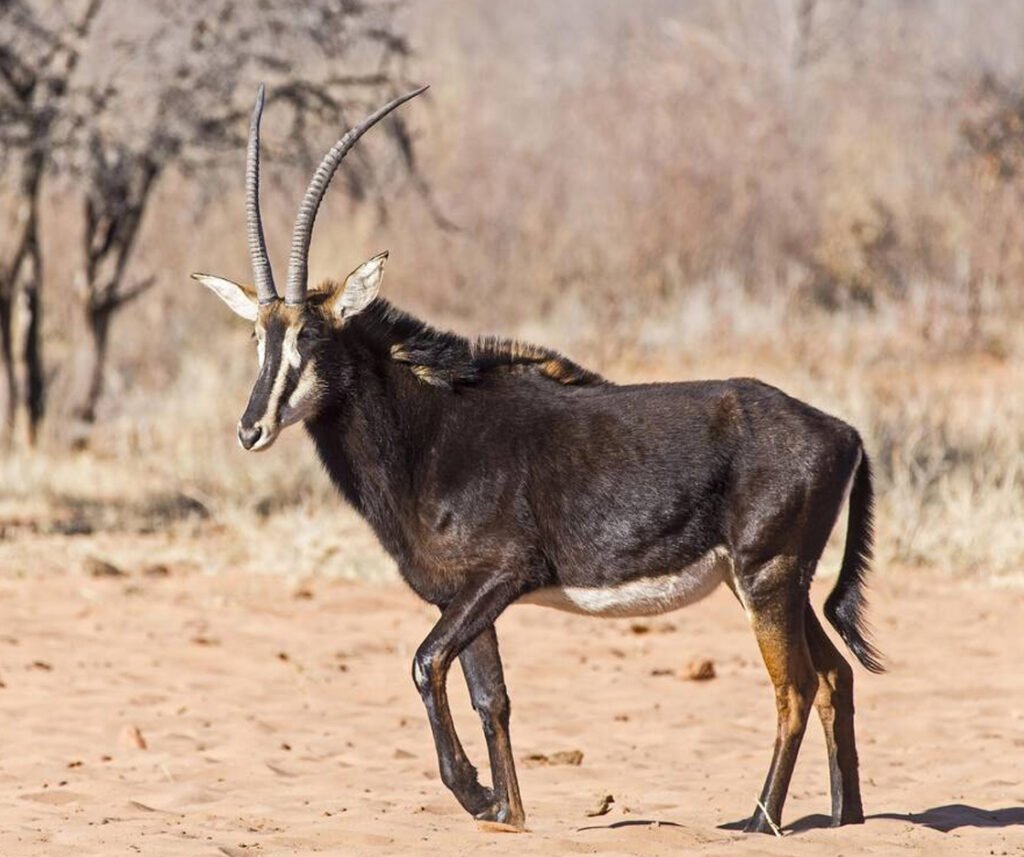
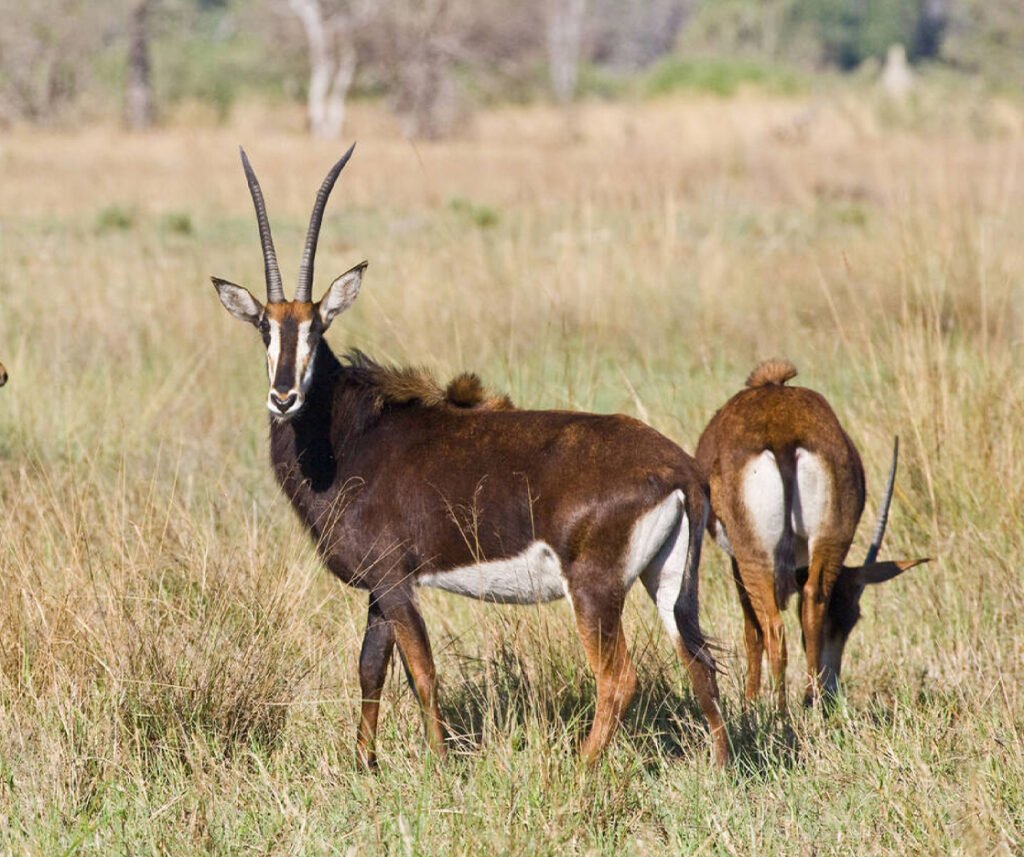
Mature males, or bulls, possess a coat that is a deep, glossy black, which contrasts sharply with their white underbellies and white facial markings. Females and calves, on the other hand, typically sport a chestnut to dark brown coat. This sexual dimorphism helps in identifying the social structure of a herd from a distance.
Quick Profile
-
Common Name: Sable Antelope
-
Scientific Name: Hippotragus niger
-
Type: Mammal
-
Diet: Herbivore
-
Average Life Span in the wild: 16 to 19 years
-
Size: Head and body: 75 to 100 inches; Tail: 15 to 30 inches
-
Weight: 420 to 600 pounds
Formidable Weapons: The Horns
One of the most iconic facts about the sable antelope is the sheer scale of their horns. Both males and females grow them, but the males’ horns are significantly more massive. These ringed, scimitar-shaped weapons can reach lengths of over 5 feet. They aren’t just for show; sables are known to be incredibly defensive. When threatened, they drop to their knees and use those sharp arcs to protect their flanks, capable of impaling even a hungry lion.
A Specialized Herbivore Diet
The facts about the sable antelope regarding their diet show they are quite picky eaters compared to their cousins, the roan antelope. They are primarily grazers, preferring mid-sized grasses found in woodlands. However, they are also known to browse on herbs and shrubs during the dry season. A fascinating survival trait is their visitation to salt licks or even chewing on old bones (osteophagy) to mineralize their massive horns.
Social Structures and Harems
In the world of the sable, the social hierarchy is strict. They typically live in herds of 15 to 30 individuals, led by a single dominant male. This bull is responsible for defending the territory and the females within it. Younger males form “bachelor herds” until they are strong enough to challenge a dominant bull for his position. If you are looking for dramatic facts about the sable antelope, the battles between rival males are legendary, involving thunderous horn-clashing
The Four Distinct Subspecies
Not all sables are identical. Depending on where you are in Africa, you might encounter one of four subspecies:
-
The Southern Sable: The most common variety.
-
The Zambian Sable: Known for having very large horns.
-
The Eastern Sable: Found in coastal Kenya and Tanzania.
-
The Giant Sable: The rarest and most majestic, found only in Angola.
The Legend of the Giant Sable
Perhaps the most poignant facts about the sable antelope involve the Giant Sable (Hippotragus niger variani). For years, it was feared extinct due to the Angolan Civil War. However, it was “rediscovered” in the early 2000s. It remains a national symbol of Angola, appearing on stamps and currency, and is currently the focus of intense conservation efforts to prevent its disappearance.
Strategic Water Dependability
Unlike some desert-dwelling antelopes that can go weeks without a drink, the sable is water-dependent. They are rarely found more than a few miles away from a reliable water source. This dependency often dictates their migration patterns, forcing them to stay near riverbeds and permanent water holes during the harsh African summers.
Territorial Tenacity
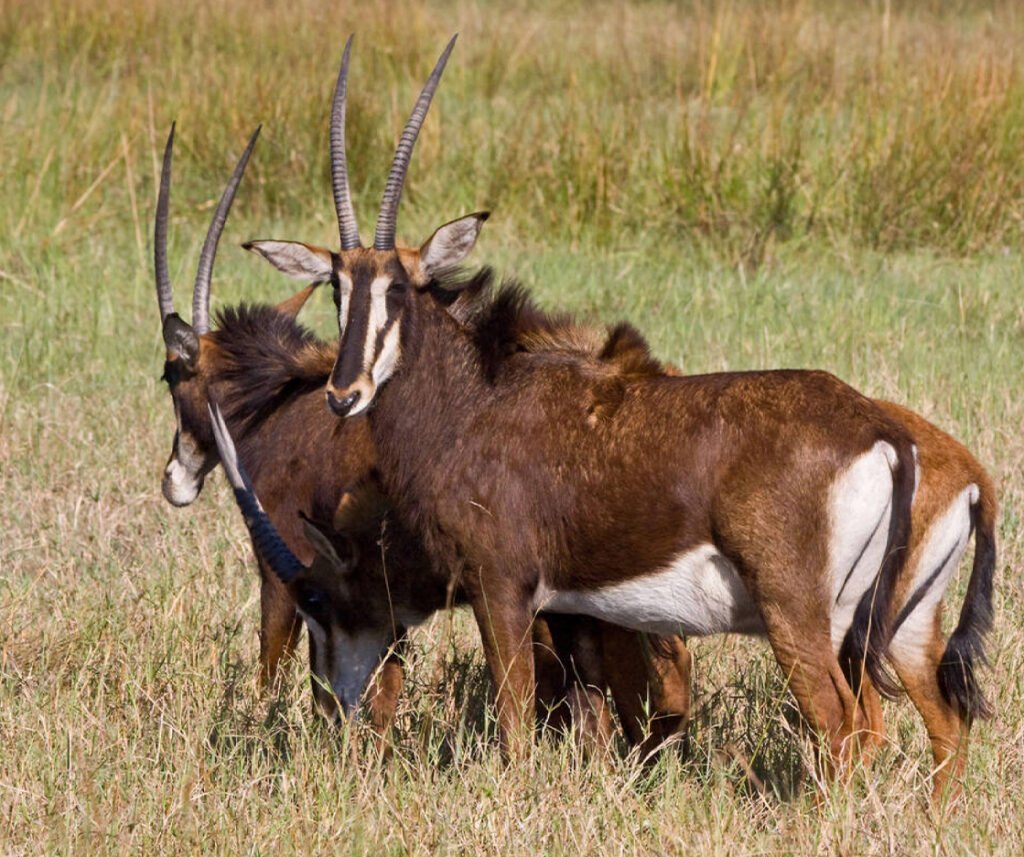
A dominant male sable doesn’t just wander; he owns the land. They mark their territory using scent glands and dung heaps. Unlike many other species that flee at the first sign of trouble, a sable bull will often stand his ground. This territorial pride is one of the facts about the sable antelope that makes them a favorite for photographers—they don’t always run away, allowing for breathtaking portraits.
Reproductive Rituals
Calving usually coincides with the rainy season when food is most abundant. A single calf is born after a gestation period of about nine months. The mother will hide her calf in tall grass for the first several weeks, visiting it only to nurse. This “hider” strategy is essential for protecting the vulnerable young from hyenas and leopards.
Communication and Senses
Sables have excellent hearing and an acute sense of smell. They communicate through various vocalizations, including snorts of alarm and low bellows. When a herd is on the move, they use visual cues, such as the flicking of their white tails, to keep the group together in dense brush.
Conservation Status: Why It Matters
While the Southern Sable is currently classified as “Least Concern,” habitat loss and poaching remain constant threats. Understanding the facts about the sable antelope is the first step toward appreciating their role in the ecosystem. As large grazers, they help maintain the health of the savanna by preventing certain grass species from overgrowing, which in turn supports a wider variety of plant and animal life.