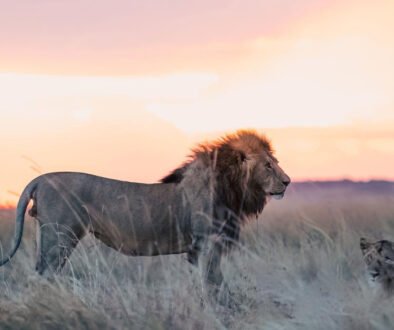
Lion Facts for Kids and Adults: Inside the World of the King
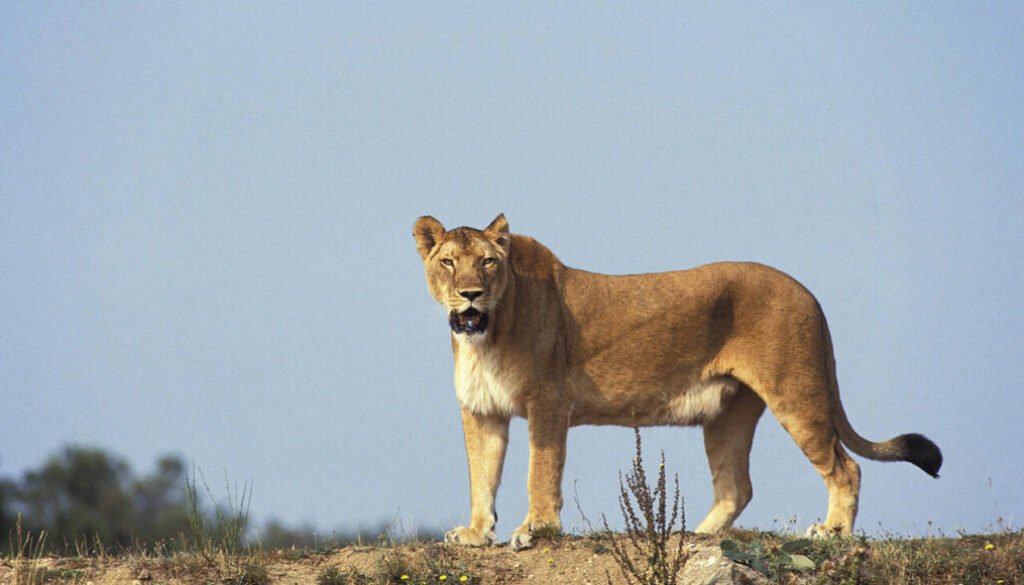
One of the most distinctive Lion Facts is that they are the only truly social species of big cat. While tigers and leopards are the “lone wolves” of the feline world, lions thrive in a community known as a pride.
The King’s Profile: A Quick Look
Before diving into their complex social lives, it helps to understand the sheer physical presence of a lion. They are built for power, not endurance.
-
Scientific Name: Panthera leo
-
Average Life Span: 10 to 14 years in the wild (Females often reach 16; males rarely pass 12 due to the toll of constant fighting).
-
Size: Males reach 1.8 to 2.1 meters (6 to 7 feet), while females are slightly smaller at 1.5 meters (5 feet).
-
Weight: A large male can weigh between 170 to 230 kg (370 to 500 lbs).
The Social Structure: Life Inside the Pride
The most distinct Lion Facts involve their unique living arrangements. Unlike the solitary tiger or the elusive leopard, lions are “team players.” They live in complex social groups called prides.
A typical pride consists of about 15 members. however, in prey-rich regions like the Maasai Mara, “mega-prides” of up to 40 individuals have been recorded.
-
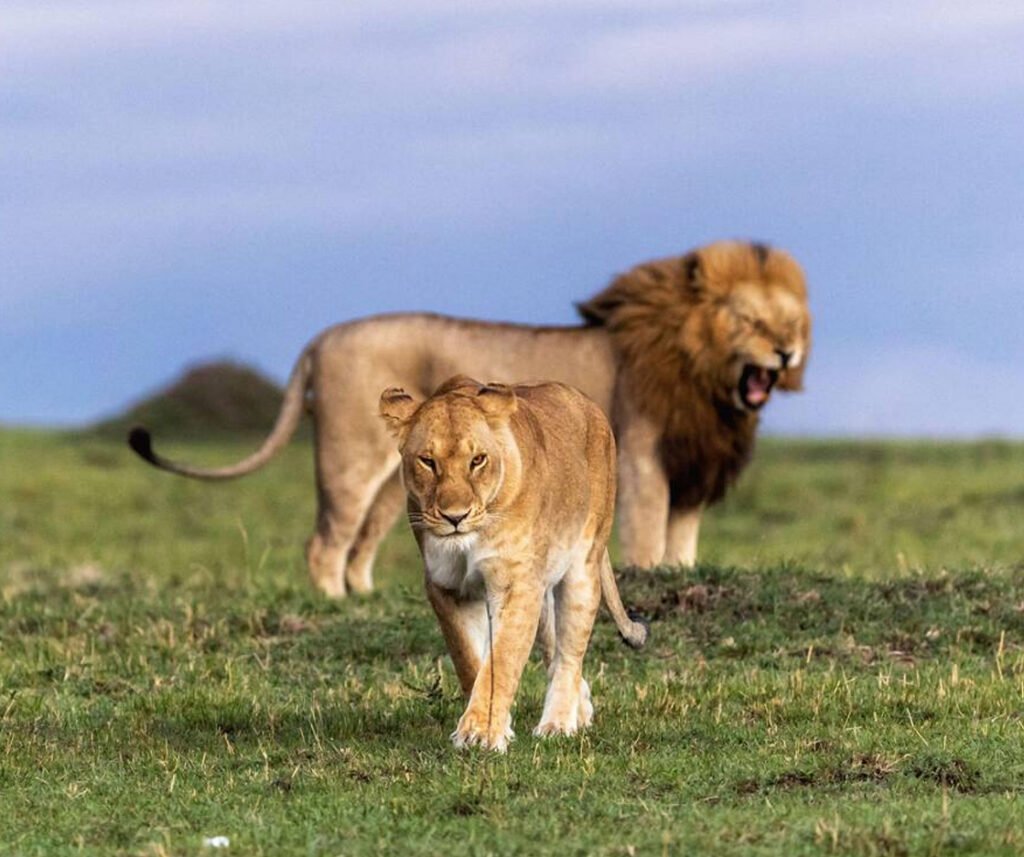
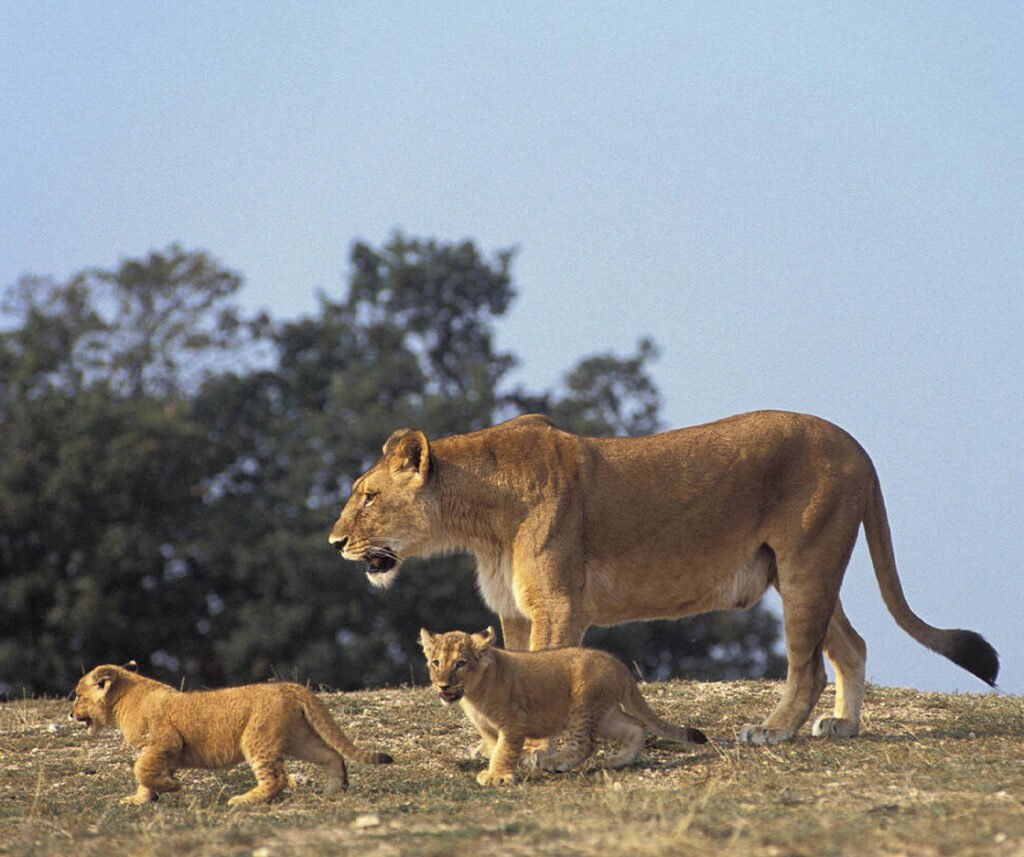
The Matriarchy: The core of every pride is the females. They are usually related—mothers, daughters, aunts, and sisters. Unlike males, who eventually leave their birth pride, females stay together for their entire lives, creating a stable, multigenerational family unit.
-
The Male Coalition: A pride is typically guarded by a “coalition” of 1 to 4 adult males. Their primary job isn’t hunting; it’s defense. They patrol the borders, scent-mark their territory, and fight off rival males who want to take over.
-
The Tenure: Being king is a dangerous and temporary job. A male’s reign at the top usually only lasts 2 to 3 years before they are ousted by younger, stronger challengers.
Hunting and Diet: The Hypercarnivore
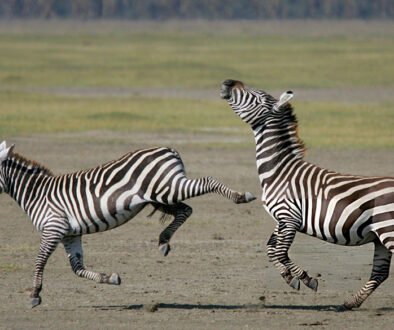
Lions are classified as hypercarnivores. This means that meat makes up at least 70% of their diet—though, in reality, it’s closer to 100%. They are opportunistic hunters but have a clear preference for large “ungulates” (hoofed mammals).
Preferred Prey in 2026:
-
Wildebeest
-
Zebra
-
Buffalo
-
Various species of Antelope
While the males are the muscle, the lionesses are the primary providers. They use sophisticated tactical “wings” to herd prey into a central ambush. Despite this incredible teamwork, nature is tough: their success rate is only about 25% to 30%. They have to fail frequently to succeed once.
The Night Shift: Specialized Senses
One of the most fascinating Lion Facts for Kids and Adults is how they perceive the world after the sun goes down. While they can hunt during the day, they are most lethal at night.
A lion’s night vision is roughly six times better than a human’s. They have a reflective layer at the back of their eyes called the tapetum lucidum, which amplifies even the tiniest amount of starlight or moonlight. This gives them a massive tactical advantage over their prey, who are often stumbling in the dark.
The Night Shift: Specialized Senses
One of the most fascinating Lion Facts for Kids and Adults is how they perceive the world after the sun goes down. While they can hunt during the day, they are most lethal at night.
A lion’s night vision is roughly six times better than a human’s. They have a reflective layer at the back of their eyes called the tapetum lucidum, which amplifies even the tiniest amount of starlight or moonlight. This gives them a massive tactical advantage over their prey, who are often stumbling in the dark.
Communication: The 5-Mile Roar
If you’ve ever heard a lion roar at a zoo, you know it’s powerful. But in the open savanna, it is bone-chilling. A lion’s roar is the loudest of any big cat, reaching levels of up to 114 decibels—roughly the same volume as a live rock concert or a chainsaw.
Why do they roar?
-
Territory: To tell other lions, “This land is taken.”
-
Location: To help pride members find each other after a hunt or a storm.
-
Intimidation: To warn off rivals without having to resort to a physical fight.
Under the right atmospheric conditions, a lion’s roar can be heard from 8 kilometers (5 miles) away. This vocal range is a vital tool for maintaining order across vast territories.
Conservation Status: The Fragile King
As we look at the data, the reality for lions is sobering. They are currently listed as Vulnerable on the IUCN Red List. Their global population has plummeted by approximately 43% over the last two decades.
Lions face three major threats today:
-
Habitat Loss: As human populations expand, the wild spaces lions need to roam are shrinking.
-
Human-Wildlife Conflict: When lions prey on livestock, farmers often retaliate to protect their livelihoods.
-
Prey Decline: Over-hunting of wild bushmeat leaves lions with nothing to eat, forcing them closer to human settlements.
Outside of sub-Saharan Africa, the only place to see wild lions is the Gir Forest in India, which hosts the last remaining population of Asiatic lions—a smaller, equally impressive subspecies.
The Secret Life of the Mane
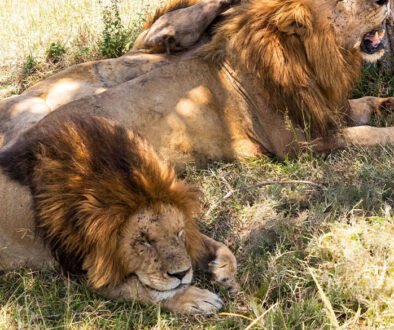
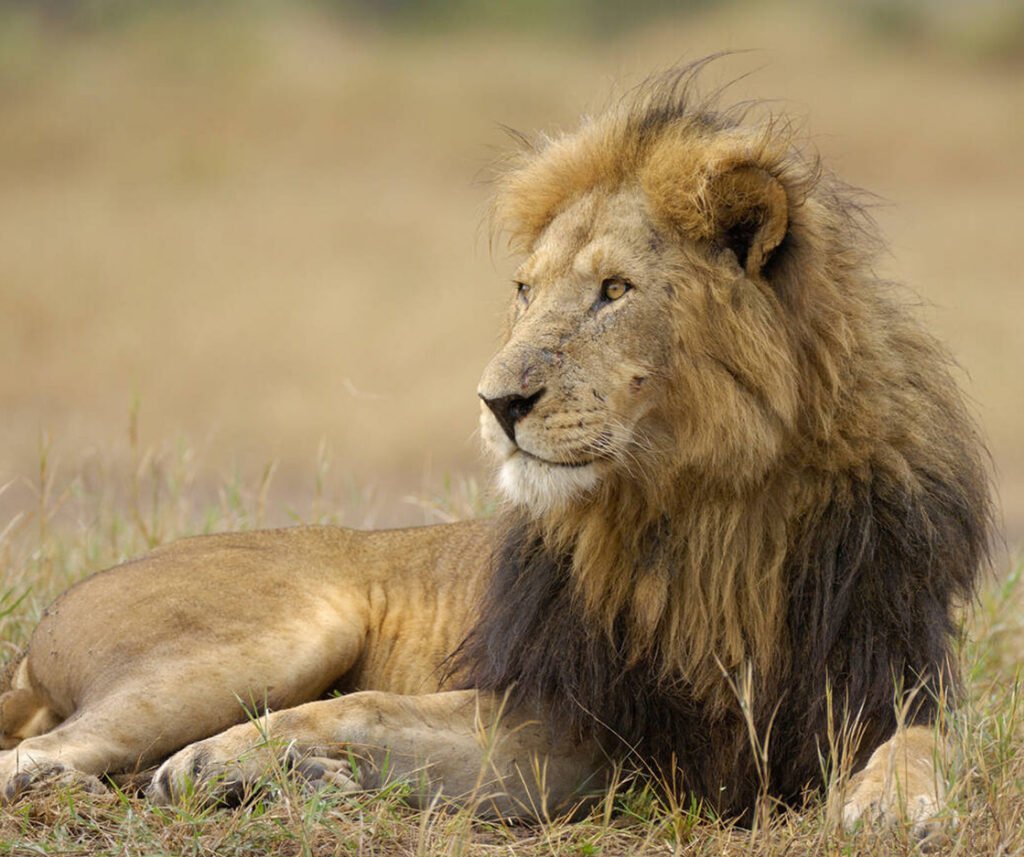
For many, these Lion Facts wouldn’t be complete without mentioning the mane. The mane is more than just a fashion statement; it’s a biological billboard.
A darker, fuller mane usually indicates a healthier, more dominant male with higher testosterone levels. Interestingly, lionesses have been shown to prefer males with darker manes, as it suggests the male is well-fed and capable of defending the pride’s cubs. In 2026, researchers are also studying how heat affects manes, as lions in hotter climates often have thinner manes to stay cool.
Quick Trivia: The Champion Nappers
-
Sleep: Lions are the undisputed kings of napping. They spend 16 to 20 hours a day resting. Hunting takes an immense amount of energy, so they “recharge” whenever possible.
-
Tree Climbing: While leopards are the famous climbers, certain lion prides in Uganda and Tanzania have developed the unique habit of lounging in trees to catch a breeze and escape biting insects on the ground.
-
Water: Lions are surprisingly good swimmers, though they don’t particularly enjoy it. They can also go several days without drinking water, getting most of their moisture from their prey.