Facts About the Steenbok: The Small but Mighty Resident of the Savannah
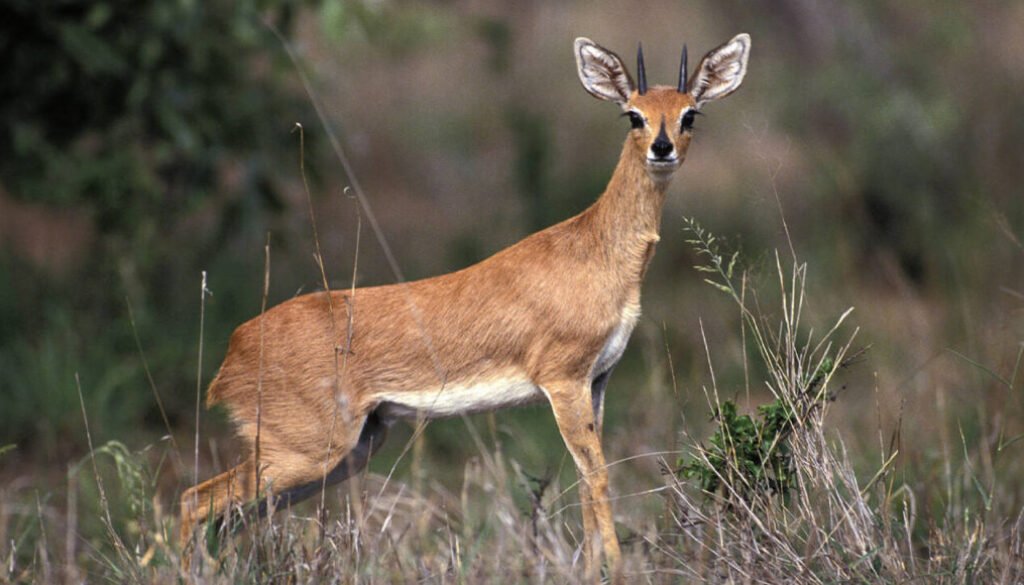
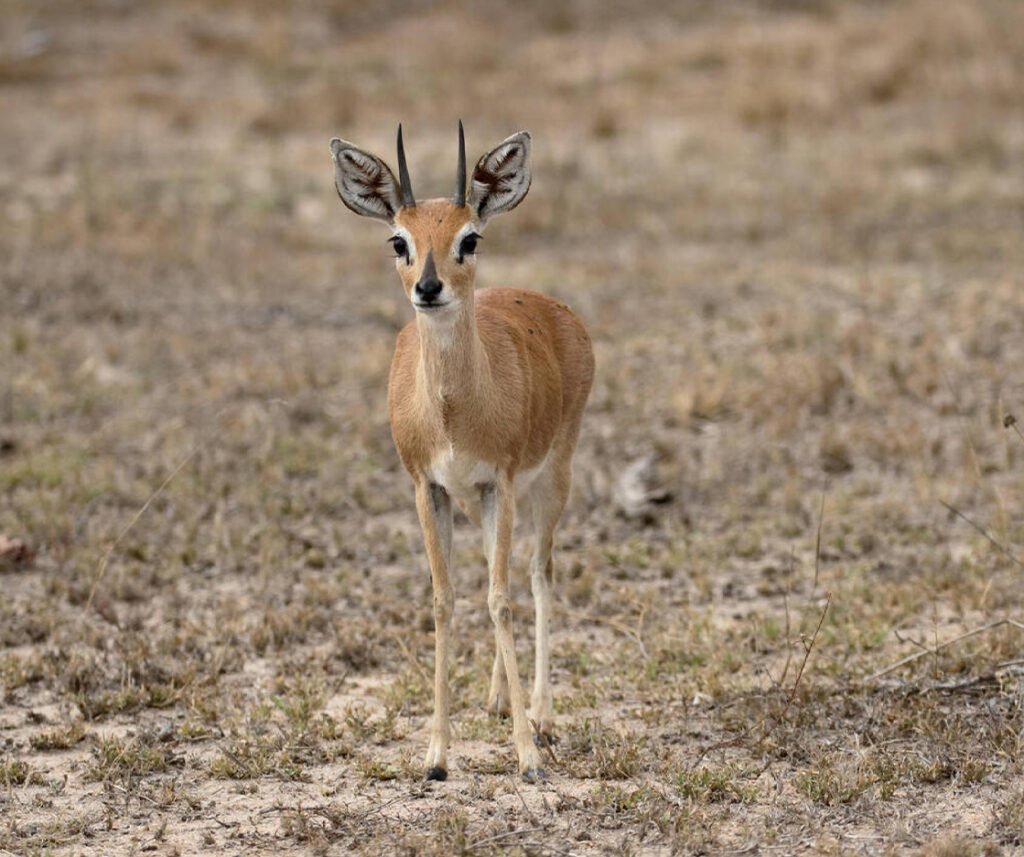
One of the most interesting facts about the steenbok is their unique defense mechanism. While many antelopes flee at the first sign of danger, the steenbok is a “hider.” They will press themselves flat against the ground in tall grass, relying on their tawny coat to blend into the landscape. They only bolt at the very last second, often running in a zigzag pattern or even ducking into abandoned aardvark burrows to escape eagles, leopards, or wild dogs.
Steenbok Quick Profile
-
Common Name: Steenbok (sometimes spelled Steinbuck)
-
Scientific Name: Raphicerus campestris
-
Type: Mammal
-
Diet: Herbivore (Browser)
-
Average Life Span in the Wild: 7 to 10 years
-
Size (Head and Body): 70 to 95 cm (28 to 37 inches)
-
Weight: 7 to 16 kg (15 to 35 lbs)
Living Without Surface Water
Survival in the arid regions of Southern and East Africa requires specialized adaptations. A remarkable entry in the list of facts about the steenbok is their ability to go long periods without drinking standing water. They obtain almost all their necessary moisture from their food—succulent roots, tubers, and moisture-rich leaves. This allows them to inhabit environments where more water-dependent species would perish.
Strict Territorial Boundaries
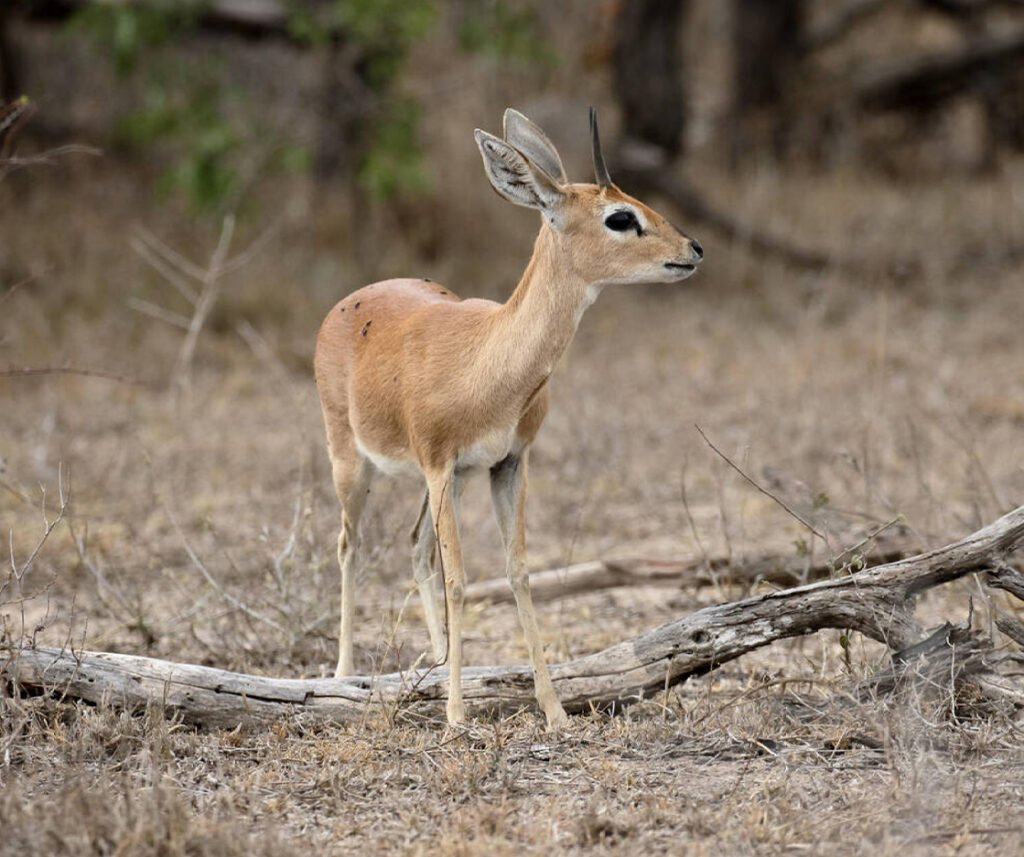
Steenboks are fiercely territorial. Both males and females defend a home range, marking their boundaries with scent glands located between their hooves and in front of their eyes. While you might see a pair together during mating season, they generally spend their lives alone, ensuring that the limited food resources in their immediate area aren’t over-consumed.
Dietary Habits and Ecology
The steenbok is a “selective feeder.” They don’t just eat any grass; they pick the highest-quality shoots and flowers. This high-protein diet supports their high metabolism. They are also known to use their hooves to dig for nutritious bulbs and tubers, a behavior rarely seen in other small antelope species.
Conservation Status
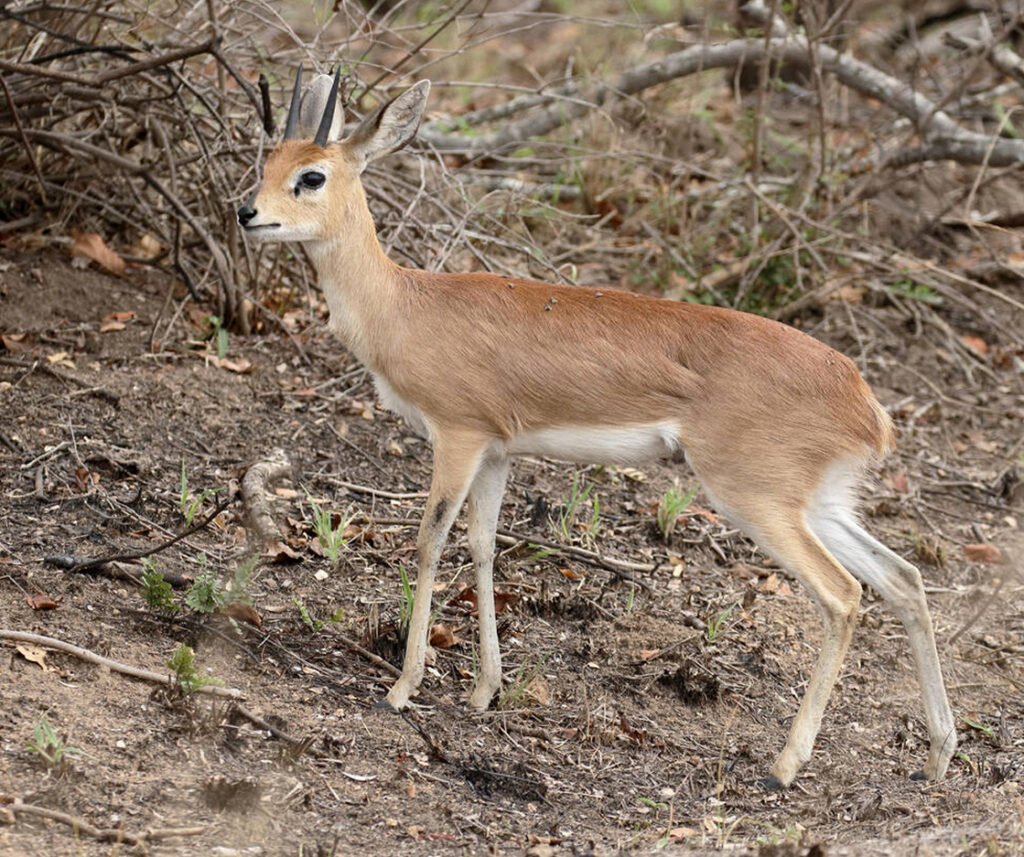
Currently, the steenbok is listed as Least Concern by the IUCN. They are highly adaptable and can survive in areas where human encroachment has driven away larger mammals. However, they remain a vital part of the food chain, serving as a primary prey source for a variety of predators.