Facts About the Roan: The Horse-Like Titan of the Savannah
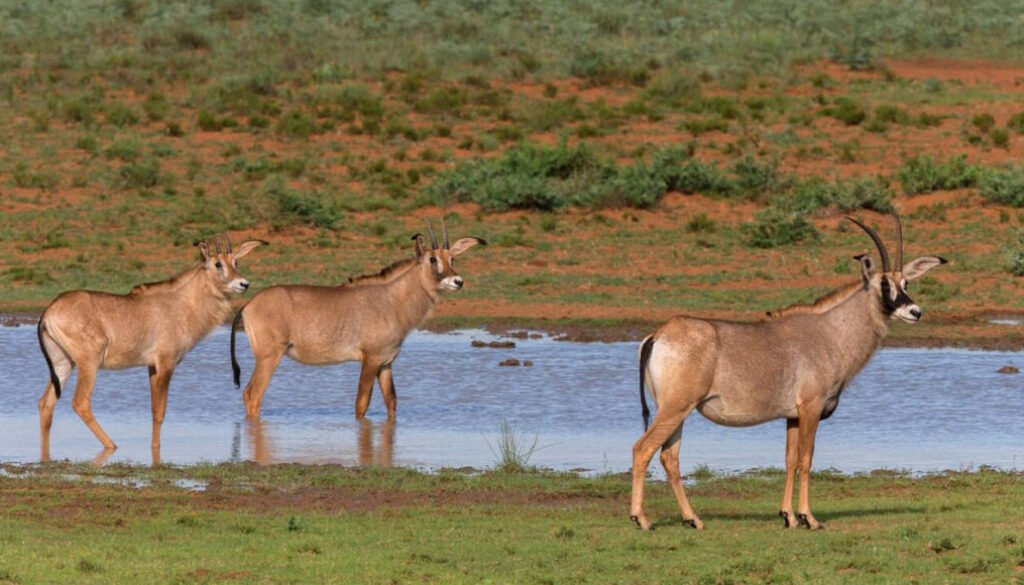
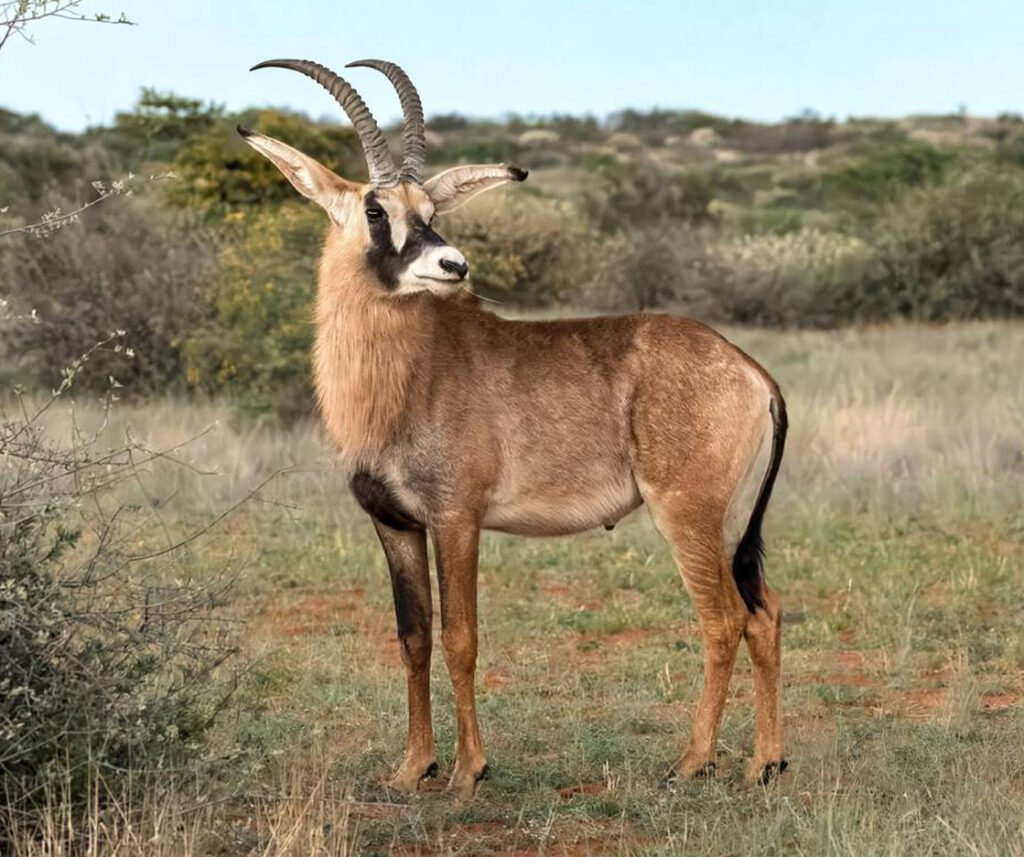
One of the most interesting facts about the Roan is found in its scientific name. Hippotragus translates to “horse-goat,” a nod to its equine-like build. They are the second-largest antelope in Africa, surpassed only by the Eland.
Their coat is a distinctive reddish-brown or “roan” color, which gives them their name. This is contrasted by a stark white underbelly and a “clown-like” facial mask—black and white patches that are unique to each individual. Both males and females sport impressive, backward-curving scimitar horns, though the males’ horns are typically thicker and more robust.
The Roan at a Glance
Before diving into their complex social structures and habitats, here are the baseline facts about the Roan regarding their physical profile:
-
Common Name: Roan Antelope
-
Scientific Name: Hippotragus equinus
-
Type: Mammal
-
Diet: Herbivore (primarily a grazer)
-
Average Life Span in the Wild: 12 to 15 years
-
Size (Head and Body): 190 to 240 cm (roughly 6.2 to 7.8 feet)
-
Weight: 225 to 300 kg (approx. 500 to 660 lbs)
Habitat and Range
When researching facts about the Roan, it becomes clear they are quite picky about their neighborhood. They prefer open or lightly wooded grasslands, specifically “ecotones”—the transition zones between savanna and forest.
Unlike the more adaptable Impala, Roan antelopes require tall grasses for grazing and a reliable source of water nearby. Historically, they ranged across much of sub-Saharan Africa, but today their populations are fragmented, found mostly in protected reserves in West, Central, and Southern Africa.
Dietary Preferences and Grazing Habits
The Roan is a specialized grazer. While many African herbivores will pivot to “browsing” (eating leaves and shrubs) during the dry season, the Roan remains largely committed to grasses. This specialization makes them particularly vulnerable to overgrazing by other species or habitat loss.
One of the key facts about the Roan is their dependence on water. They typically drink daily, meaning they rarely wander more than a few miles away from a permanent water source. This behavior dictates their movement patterns across the plains.
Social Structure and Behavior
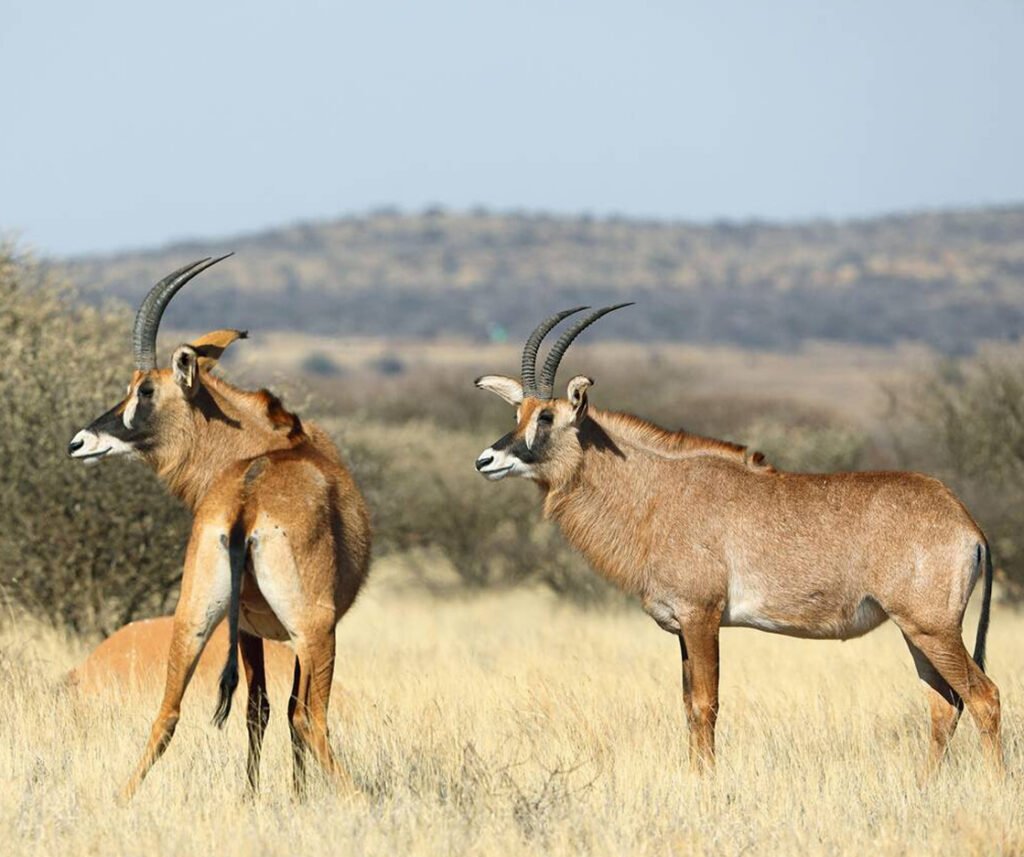
Roan antelopes are social but live in relatively small groups compared to the massive herds of Wildebeest. A typical “harem” consists of 6 to 15 members, led by a single dominant bull.
-
The Matriarch: While the bull defends the territory, a dominant female usually leads the herd to grazing spots and water.
-
The Bachelor Herds: Young males are forced out of the maternal herd around age three. They form bachelor groups until they are strong enough to challenge a dominant bull for his territory.
-
Aggression: Don’t let their “horse-like” look fool you. They are known to be quite aggressive. When threatened, they do not simply run; they are known to drop to their knees and use their scimitar horns to gore predators like lions or hyenas.
Reproduction and Life Cycle
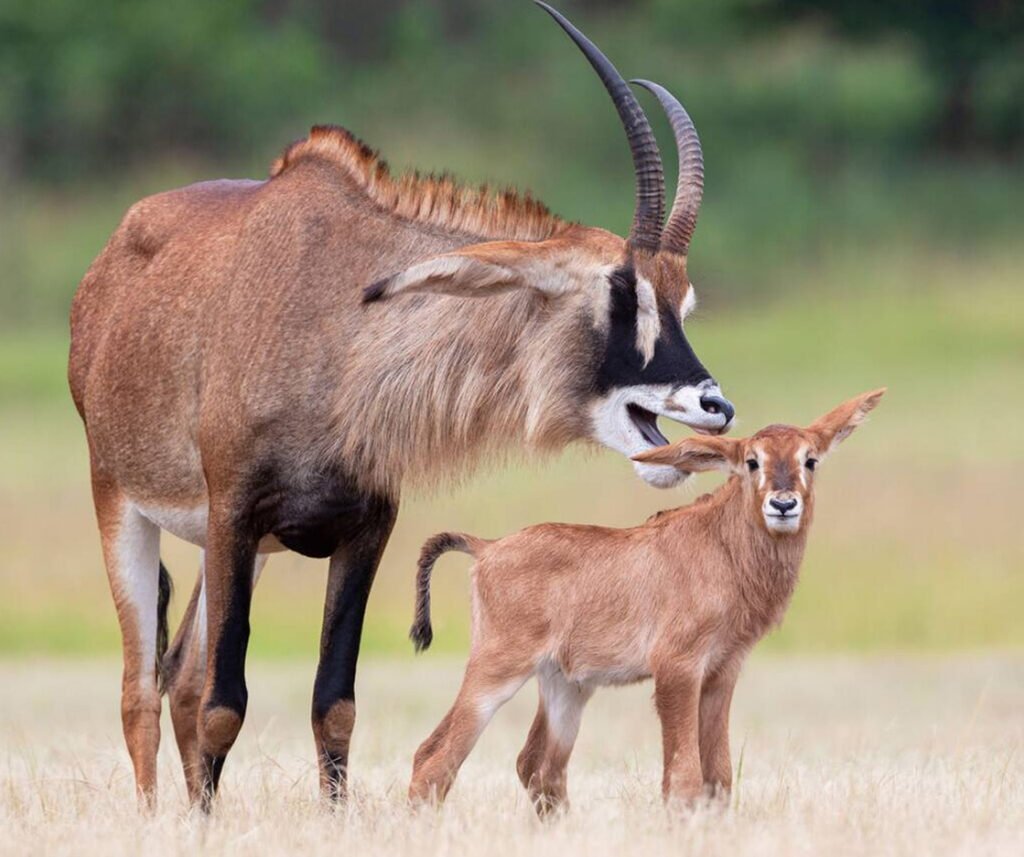
A fascinating entry in the list of facts about the Roan is their “hiding” strategy for calves. After a gestation period of approximately nine months, a single calf is born.
Instead of keeping the newborn with the herd immediately, the mother hides the calf in tall grass for several weeks. She returns to nurse it during the day and leads it back to the safety of the herd once it is strong enough to keep up. This minimizes the risk of the calf being spotted by predators while the adults are busy grazing.
Conservation Status: A Species in Decline?
Currently, the Roan antelope is listed as Least Concern by the IUCN, but this label can be misleading. While the overall continental population is stable, many regional populations are in a sharp decline.
Threats to the Roan include:
-
Habitat Loss: Agriculture and human settlement are shrinking the tall-grass savannas they need.
-
Poaching: Like many large mammals, they are hunted for meat and trophies.
-
Competition: In many parks, an overabundance of other species (like Elephants or Zebras) can lead to the “overgrazing” of the specific grasses Roans rely on.