Facts About the Hartebeest: The Savannah’s High-Endurance Runner
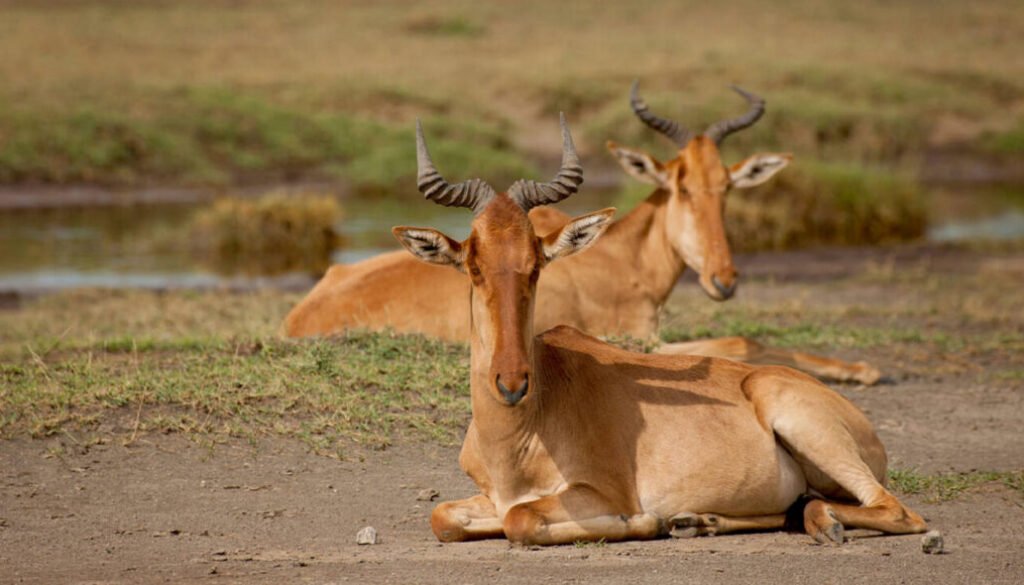
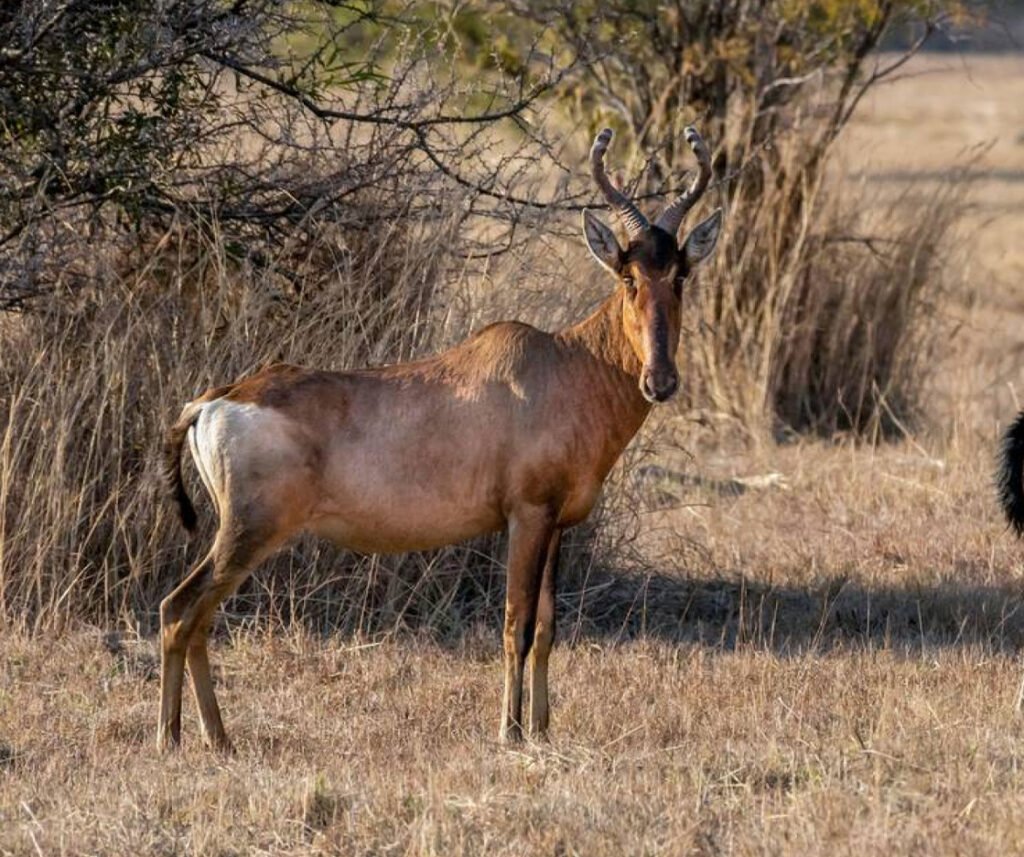
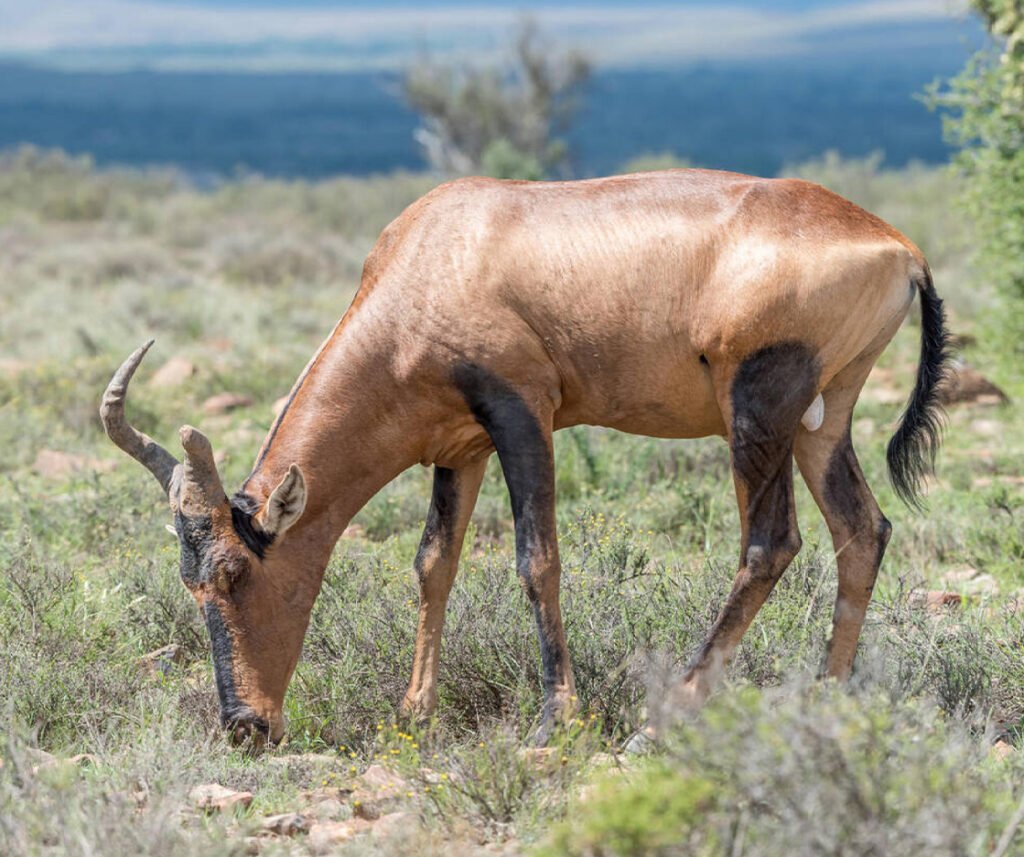
One of the most immediate facts about the hartebeest you’ll notice is their incredibly long, narrow face. This isn’t just a quirky aesthetic choice by nature; it’s a functional adaptation. Their elongated snout allows them to reach deep into crevices of dry grass to find the most nutritious bites, and it houses a complex system of nasal passages that help cool their blood in the sweltering heat.
Quick Reference Profile
Before we dive into the details, here is the essential data for this remarkable bovine:
-
Common Name: Hartebeest
-
Scientific Name: Alcelaphus buselaphus
-
Type: Mammal
-
Diet: Herbivore
-
Average Life Span in the Wild: 12 to 15 years
-
Size: Head and body: 1.5 to 2.4 meters; Tail: 30 to 70 centimeters
-
Weight: 100 to 200 kilograms
The Meaning Behind the Name
The name “hartebeest” actually comes from the Afrikaans word hertebeest. Early Dutch settlers gave them this name because they thought the animal looked like a deer (hert). While they certainly have a deer-like grace when running, they are actually members of the family Bovidae, making them closer relatives to cows and goats than to deer.
High-Speed Endurance Runners
Don’t let their slightly awkward gait fool you. When a predator like a lion or a cheetah shows up, the hartebeest transforms into one of the fastest land mammals in Africa. They can reach speeds of up to 70 km/h. Unlike many other antelopes that zigzag frantically, the hartebeest often runs in a surprisingly straight line, relying on sheer power and stamina to outlast their pursuers.
Exceptional Sentinel Behavior
In the wild, survival is all about who sees the enemy first. Hartebeests are known for their “sentinel” behavior. Often, one member of the herd will stand on a termite mound or a small hill to get a better vantage point. They will remain motionless for long periods, scanning the horizon for the slightest movement of a predator.
They Are Picky Eaters
While many large herbivores eat almost any greenery they can find, the hartebeest is surprisingly selective. They are “grazers” that prefer specific types of grass. Because of their unique mouth structure, they can nibble on high-quality parts of plants that other, larger grazers—like zebras or buffalo—might miss. This allows them to thrive in areas where the grass might look “spent” to the untrained eye.
Complex Social Hierarchies
Socializing is a big part of the facts about the hartebeest lifestyle. They live in herds that can range from a few individuals to several hundred. Within these groups, there is a strict hierarchy. Males are highly territorial and will defend a “patch” of land vigorously using their horns and vocalizations. Interestingly, females also have their own social tiers within the nursery herds.
The Unique Shape of Their Horns
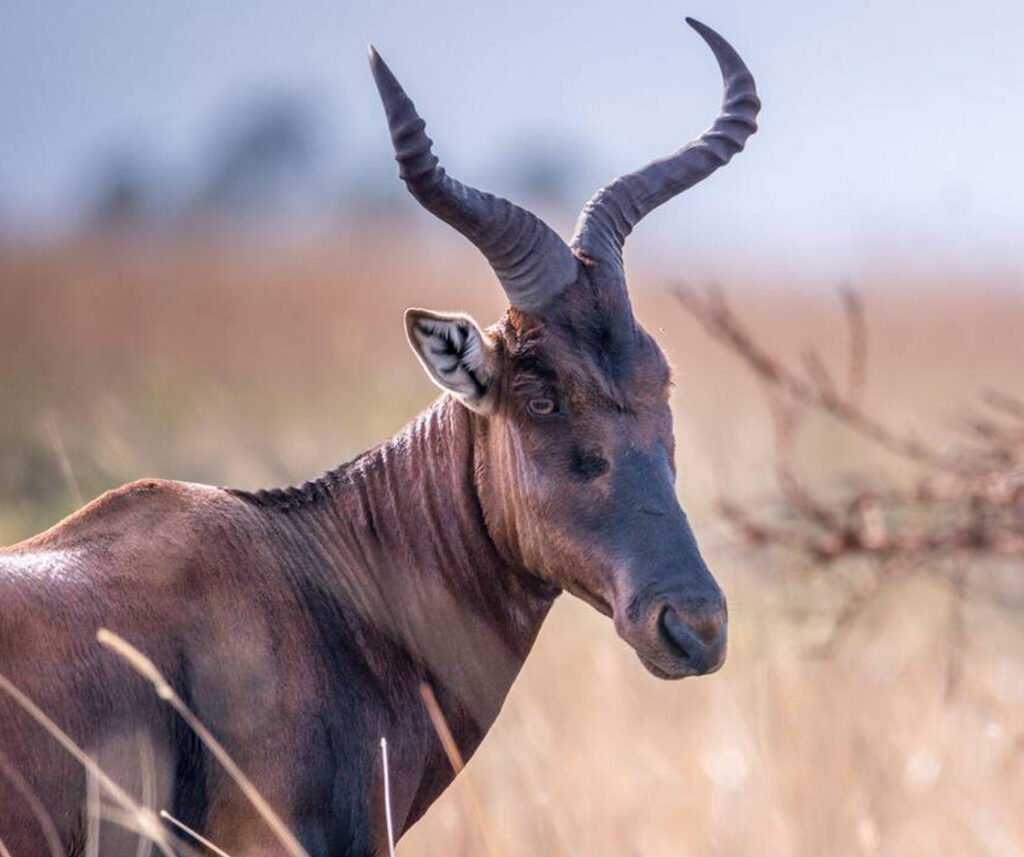
Both males and females carry horns, which is not always the case in the antelope world. These horns are “lyrate”—meaning they are shaped like an ancient lyre—and grow from a single bony base on the top of the head called a pedicel. They curve outward and then backward, making them formidable weapons for defense and ritualized fighting between males.
Water Is Optional (Mostly)
Living in arid and semi-arid regions requires a tough constitution. While hartebeests will drink water daily if it is available, they are remarkably drought-resistant. They can survive for long periods without standing water by extracting moisture from the grasses and tubers they consume. This flexibility allows them to inhabit the edges of deserts where other antelopes might struggle.
Calving Seasons and Early Bloomers
A newborn hartebeest is a marvel of evolution. Within minutes of being born, a calf is able to stand and follow its mother. This is a vital survival mechanism, as a stationary calf is a “sitting duck” for hyenas. Mothers typically hide their calves in tall grass for the first few weeks, visiting them only to nurse, before the young are strong enough to join the main herd.
Several Distinct Subspecies
When researching facts about the hartebeest, you’ll find they aren’t all the same. There are several subspecies across Africa, including the Western hartebeest, the Lelwel hartebeest, and the red hartebeest. Each has slightly different horn shapes and coat colors, ranging from deep mahogany to pale sandy brown, adapted to their specific local environments.
Communication Through Scent
Hartebeests have preorbital glands (located just below their eyes) that secrete a dark, waxy substance. They use this to mark their territory by rubbing their faces on grass stems or the ground. This “scent-posting” tells other males that the area is occupied and communicates the health and status of the resident male without the need for a physical fight every time.
Conservation Status and Challenges
While the species as a whole is currently listed as “Least Concern” by the IUCN, certain subspecies are in trouble. For example, the Tora hartebeest is critically endangered. Habitat loss due to expanding farmlands and competition with domestic livestock are the primary threats. Understanding these facts about the hartebeest is the first step in appreciating why protecting the vast African grasslands is so critical.