Facts About Southern Giraffe: The Ultimate Guide
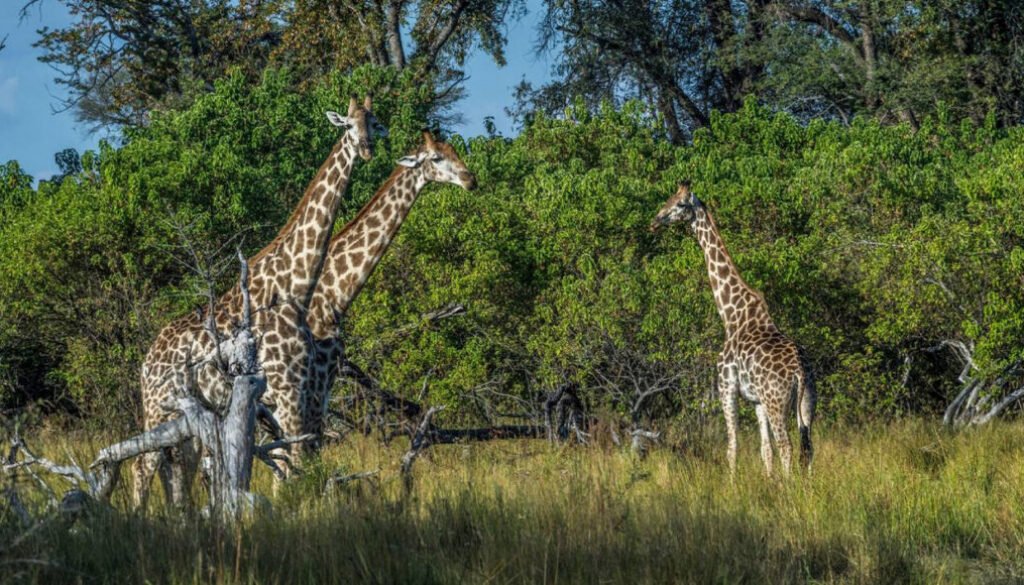
For a long time, scientists grouped all giraffes into one species. However, recent genetic studies have clarified that the southern giraffe (Giraffa giraffa) is one of the four distinct species of giraffe. Within this group, there are two recognized subspecies: the South African giraffe and the Angolan giraffe. Understanding these facts about the southern giraffe is crucial for conservationists who must manage these populations differently than their cousins in East or West Africa.
Quick Reference: Southern Giraffe Profile
Before we dive into the details, here is a snapshot of the basics:
-
Common Name: Southern Giraffe
-
Scientific Name: Giraffa giraffa
-
Type: Mammal
-
Diet: Herbivore
-
Average Life Span in the Wild: 20 to 25 years
-
Size: Head and body: 13 to 19 feet (4 to 5.8 meters)
-
Weight: 1,500 to 3,000 lbs (700 to 1,360 kg)
Specialized Feeding Mechanics
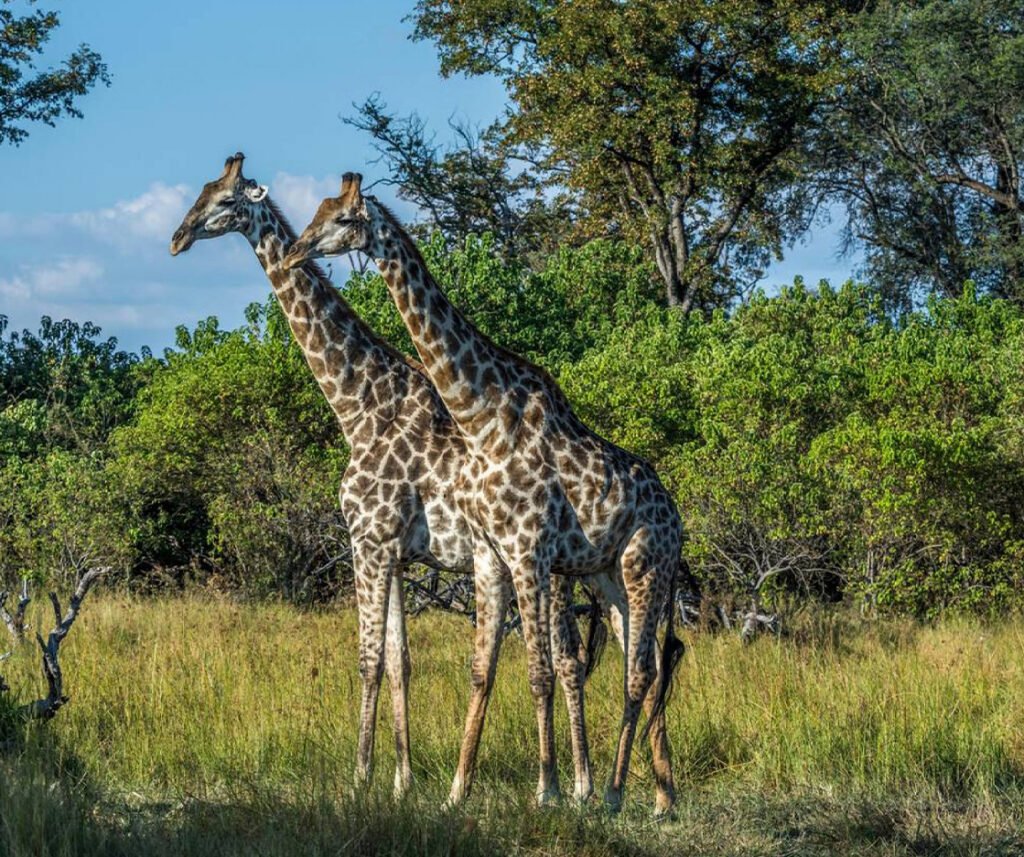
The southern giraffe is a specialized “browser.” Unlike grazers that eat grass, these giants focus on the leaves, fruits, and flowers of woody plants—primarily the acacia tree.
Their tongues are a marvel of evolution. Reaching up to 20 inches in length, the tongue is prehensile (capable of grasping) and dark-colored to prevent sunburn while the giraffe spends hours reaching for the highest leaves. To navigate the sharp thorns of the acacia, their saliva is thick and antiseptic, coating any thorns they happen to swallow.
A Heart of Immense Power
One of the most mind-blowing facts about the southern giraffe is the sheer power of their cardiovascular system. To pump blood all the way up that long neck to the brain, a giraffe’s heart must be massive.
The heart of a southern giraffe can weigh up to 25 pounds and is roughly 2 feet long. It generates a blood pressure that is approximately double that of a human. To prevent a brain hemorrhage when the giraffe lowers its head to drink, a specialized system of valves and a “wonder net” of blood vessels (the rete mirabile) regulates the pressure.
Unique Social Structures
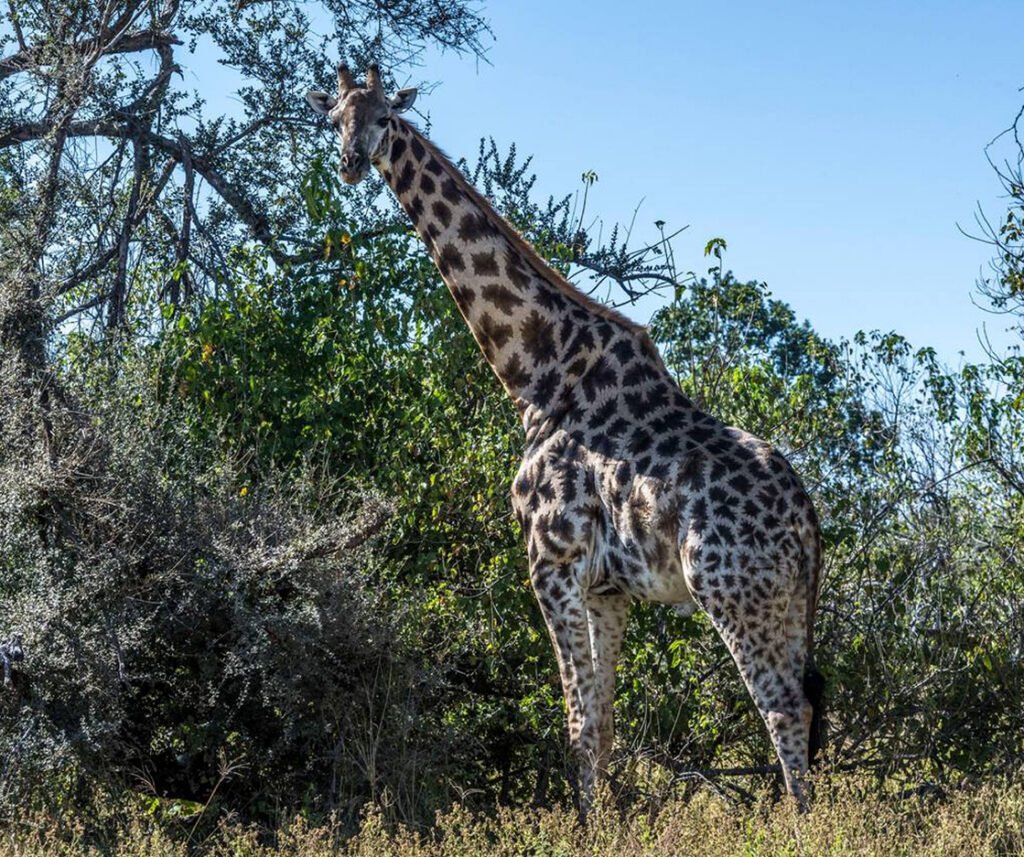
Giraffes live in “fission-fusion” societies. This means the size and composition of a group can change daily. You might see a “tower” (a group of giraffes) made up of several mothers and their calves, or a group of young bachelor males. Interestingly, the southern giraffe shows strong maternal bonds, often forming “nursery” groups where one female keeps an eye on several calves while the other mothers forage nearby.
Silent Communicators
For years, it was believed that giraffes were mute. We now know that they are actually quite “chatty,” just not in a way humans can easily hear. They communicate using infrasonic sound—low-frequency pulses that travel long distances across the plains. This allows them to stay in contact with other towers even when they are miles apart.
Sleeping on the Go
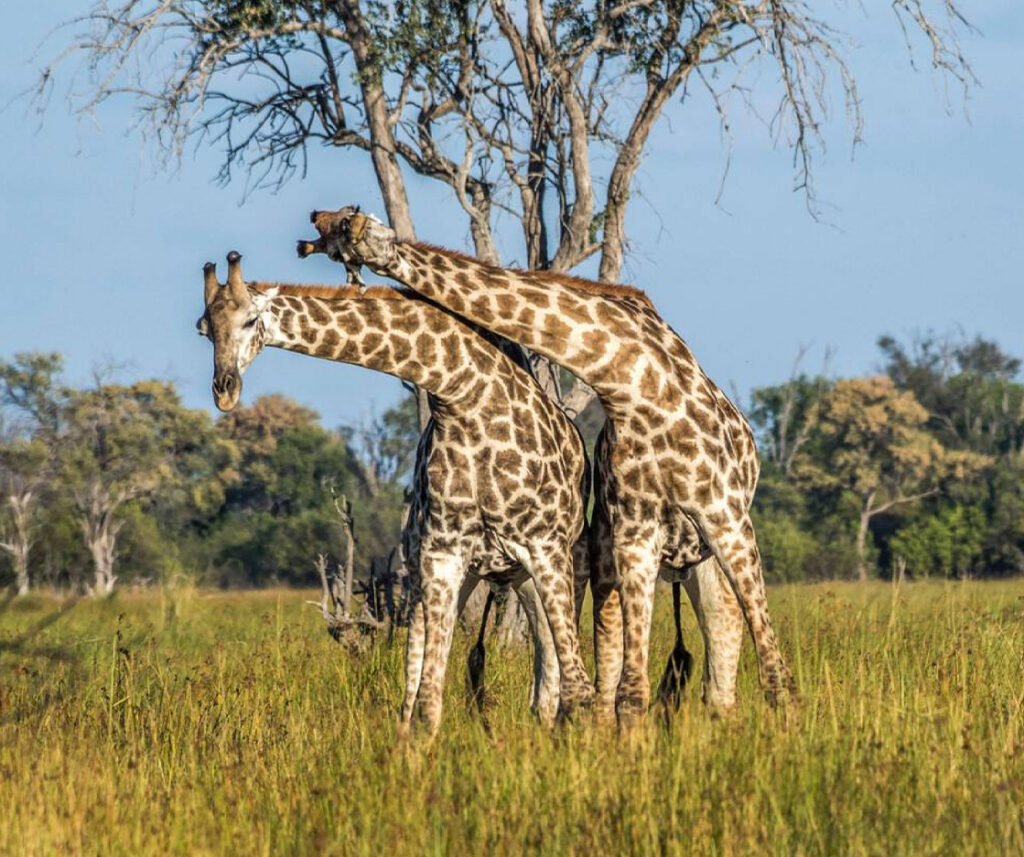
The southern giraffe doesn’t have the luxury of a long night’s sleep. Being a prey animal for lions and hyenas means they must stay alert. Consequently, they have one of the shortest sleep requirements of any mammal. They typically sleep for only 30 minutes a day, often in short “power naps” of just a few minutes while standing up.
The Pattern is a Fingerprint
Just like human fingerprints, no two southern giraffes have the same coat pattern. The southern species tends to have rounded or blotched spots, some with star-like extensions, on a light tan background. These patterns extend all the way down to their hooves, which helps distinguish them from other species whose patterns might fade below the knee.
The Conservation Status
While the southern giraffe is currently the most populous of the giraffe species, they are not immune to the “silent extinction” facing African wildlife. Habitat loss, fragmentation, and poaching remain significant threats. Fortunately, because of robust management in countries like South Africa, Namibia, and Botswana, the southern giraffe populations are actually increasing in certain protected areas.
Efforts to relocate giraffes to safe havens (a process called translocation) have been highly successful, ensuring that the genetic diversity of the southern giraffe remains resilient for future generations.