Are Cheetahs Going Extinct?
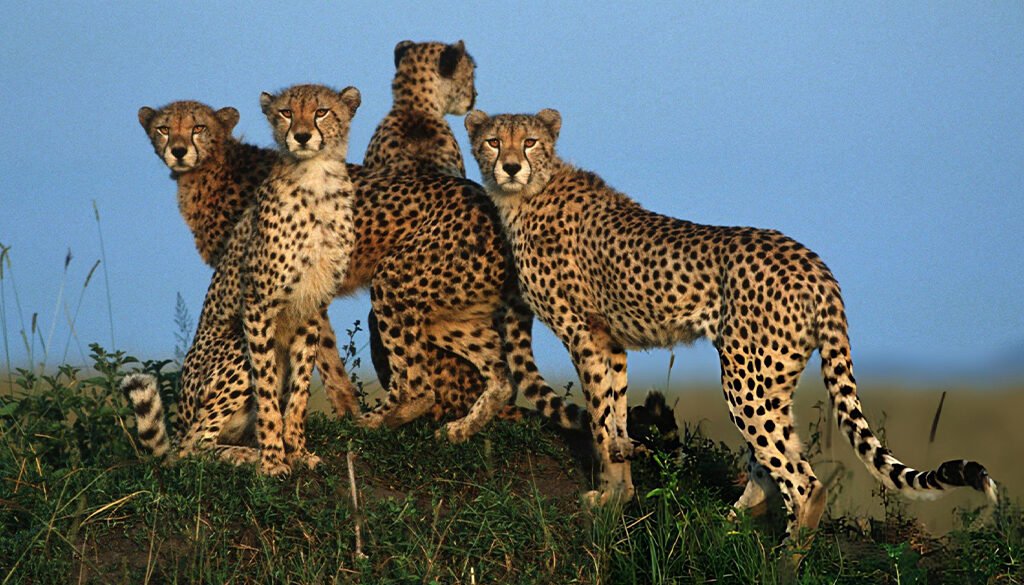
Are cheetahs going extinct? The brief answer is that while they are not completely extinct yet, these magnificent big cats face an alarming and immediate risk of disappearing forever. Officially listed as Vulnerable by the International Union for Conservation of Nature (IUCN) Red List, top wildlife biologists and global conservation organizations strongly advocate for reclassifying them as Endangered. Over the past century, global populations have plummeted from an estimated 100,000 individuals to roughly 6,500 to 7,000 adults in the wild today.
Understanding whether are cheetahs going extinct requires examining the complex ecological pressures and human challenges threatening the world’s fastest land mammal.
Fact 1: Massive Loss of Historic Territory
The primary catalyst behind the steep decline of the species is not biological weakness, but human expansion. These big cats have vanished from over ninety percent of their historic range across Africa and Asia. Unlike leopards or lions, which can often adapt to smaller, densely populated wildlife parks, these specialized sprinters require vast, unfenced stretches of wilderness to roam, hunt, and maintain natural population densities.
As roads, urban areas, and agriculture expand, these expansive habitats become fragmented into small, isolated islands, preventing natural migration and territorial establishment.
Fact 2: Intense Competition Inside Protected Reserves
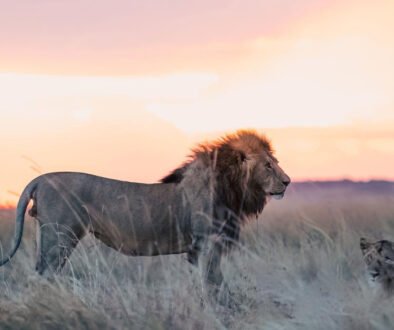
Although national parks and game reserves offer safety from human hunters, they create a unique ecological dilemma for light-bodied predators. Because these big cats are daylight hunters built for speed rather than power, they are easily intimidated by stronger, heavier carnivores like lions, spotted hyenas, and leopards.
In enclosed reserves where rival predator populations are high:
-
Larger carnivores regularly steal fresh kills, depriving adults of essential calories.
-
Lions and hyenas actively target vulnerable young offspring.
-
Cub mortality rates in certain protected reserves reach up to ninety percent.
Because of this fierce competition, protected sanctuaries are often overcrowded with rival apex predators, forcing the species to look beyond park borders for safe sanctuary.
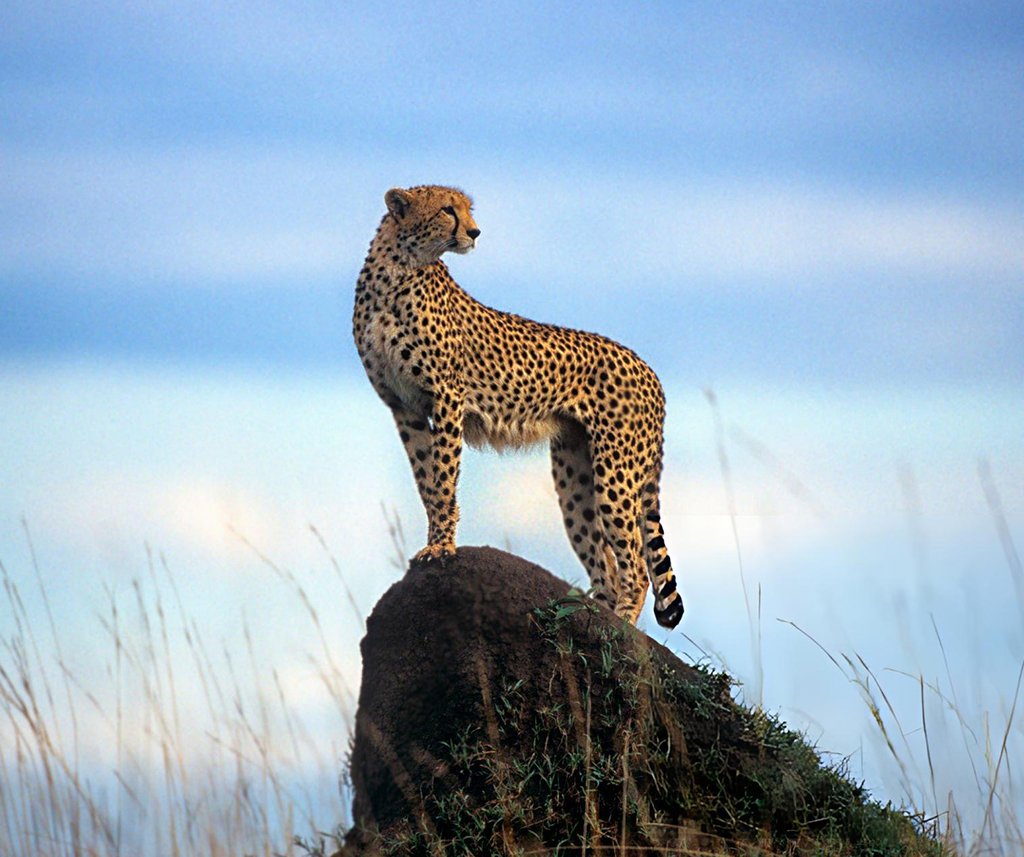
Fact 3: The Danger of Wandering Outside National Parks
Because protected reserves often contain too many competing predators, more than two-thirds of the world’s surviving population resides entirely outside public national parks. They roam across unprotected private farmlands, commercial cattle ranches, and community grazing grounds in search of naturally occurring prey like gazelles and impalas.
When wild prey disappears due to overhunting or habitat degradation, hungry predators occasionally turn to domestic goats, sheep, or young cattle. For rural livestock owners who rely on these animals for their livelihood, a single loss can be financially devastating.
Fact 4: Retaliatory Killings by Rural Communities
This overlap between wildlife range and human agriculture leads directly to human-wildlife conflict. When farmers lose valuable livestock to daytime predators, they frequently respond with retaliatory action using rifles, traps, or poisoned carcasses.
This ongoing friction between agricultural communities and wild predators remains one of the greatest threats to surviving populations outside state-protected areas, making rural tolerance vital to the species’ long-term persistence.
Fact 5: The Devastating Exotic Pet Trade
Compounding the loss of natural habitat is the destructive illegal wildlife trade. Across regions in the Horn of Africa, poachers actively steal wild cubs from their mothers to fuel a lucrative black-market demand for exotic domestic pets, particularly in parts of the Middle East.
The impact of this trade is devastating:
-
Poachers frequently kill protective mothers to reach the young.
-
An estimated five out of six stolen cubs die during transport due to starvation, dehydration, or poor handling.
-
Removing young individuals continuously deprives wild populations of future breeding generations.
Fact 6: Innovative Livestock Guarding Programs
Despite these severe challenges, conservationists around the globe are fighting back with tested, community-focused solutions. Rather than relying solely on fenced enclosures, modern initiatives focus on promoting human-wildlife coexistence.
Organizations across Southern and Eastern Africa work directly with farming communities to introduce specialized Anatolian Shepherd and Kangal livestock-guarding dogs. Raised alongside livestock from puppyhood, these large, vigilant dogs bark aggressively whenever predators approach, successfully deterring them without causing harm. When livestock losses drop, farmer hostility transforms into tolerance, allowing wild populations to move safely across private lands.
Fact 7: Corridors and Ambitious Global Reintroductions
Beyond farm-level protection, conservation organizations are actively establishing transboundary wildlife corridors. These protected land strips connect isolated reserves, enabling isolated populations to travel safely, mate, and maintain healthy genetic diversity.
Furthermore, historic reintroduction efforts demonstrate a growing global commitment to restoring ecological balance. Project efforts in India represent an ambitious, multi-national endeavor to reintroduce wild big cats to historic Asian landscapes where they were previously driven extinct decades ago. Through continuous tracking, habitat restoration, and global collaboration, researchers are laying the groundwork for long-term recovery.