Grazing Succession on Savannas: How Herbivores Prepare the Plains
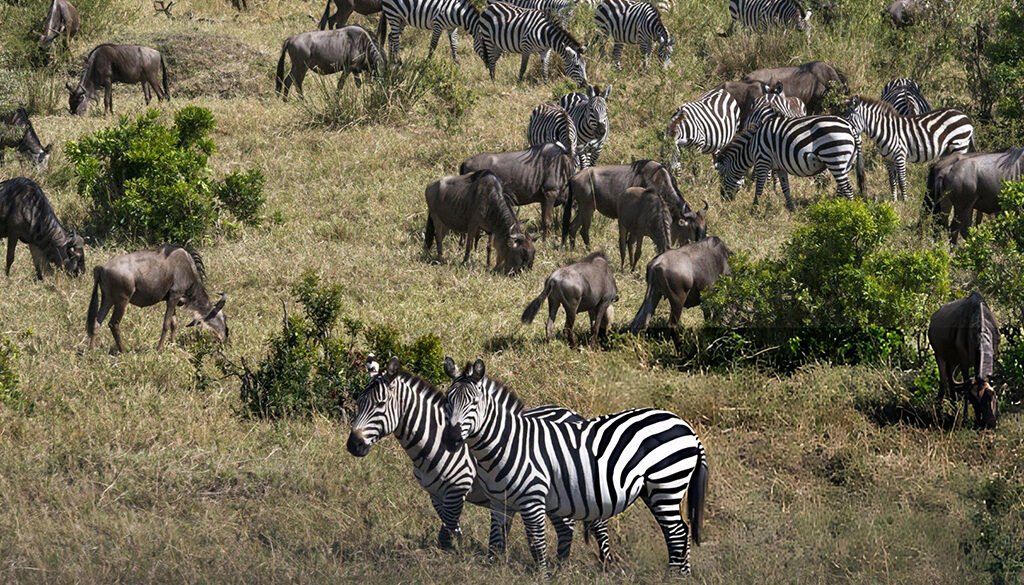
The success of grazing succession highlights the power of functional diversity in natural systems. Rather than competing directly for identical resources, savanna herbivores exploit distinct ecological niches defined by plant height, fiber content, and growth stage. The savanna is not a chaotic free-for-all; it is a structured assembly line of resource processing. Each stage of the process relies on specific anatomical adaptations, digestive mechanics, and seasonal timing to maximize the nutritional potential of the open plains.
1. Structural Engineers: Elephants Break the Canopy
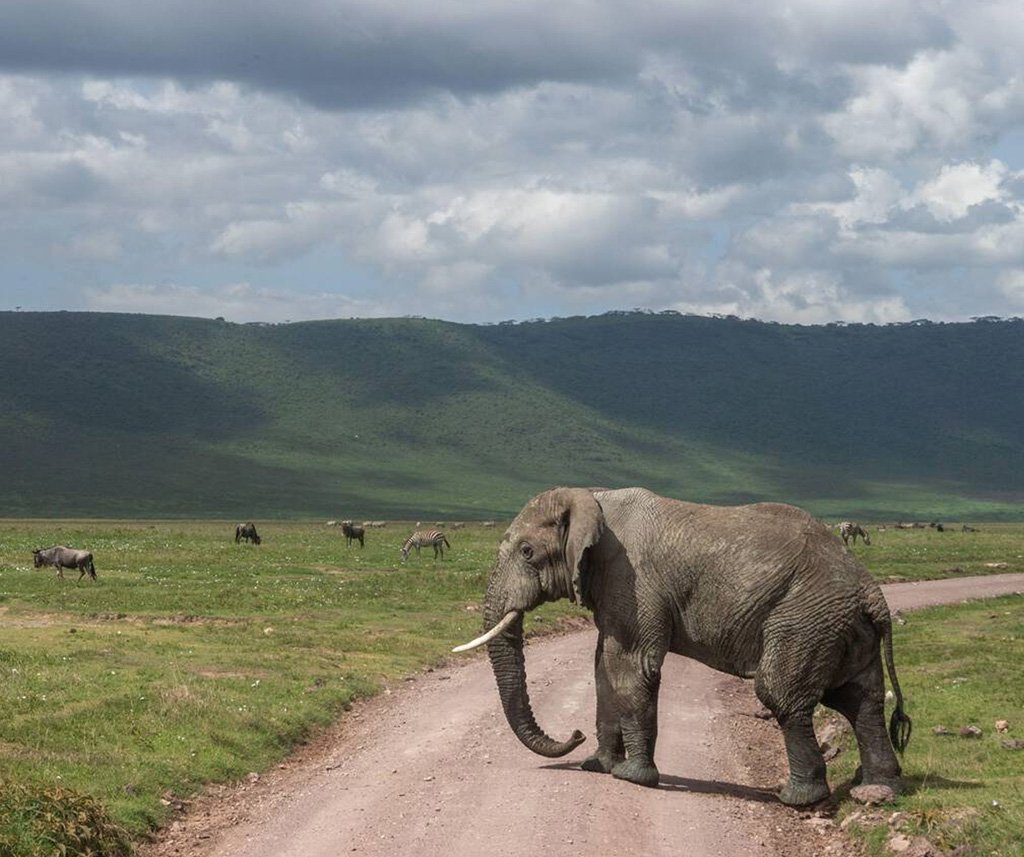
Elephants are the ultimate trailblazers and structural engineers of the savanna ecosystem. Armed with immense size, incredible strength, and versatile trunks, they are bulk feeders. This means they feed on massive quantities of plant material to sustain their bodies, but they do not need high-quality, easily digestible leaves to survive. They crash through overgrown fields, tearing down thick wooden stems, breaking woody shrubs, and trampling chest-high grass. As they pull up heavy bunches of vegetation and knock down towering stalks, they act as living bulldozers.
In doing so, elephants clear the dense upper canopy of the grassland, opening up light and space while leaving behind a much shorter, more manageable layer of vegetation. Their heavy movement creates natural migratory paths, breaks up hardened soil crusts, and opens dense bush habitats into navigable pathways. Without this initial heavy disruption, taller woody vegetation would quickly choke out light-dependent grass species, halting the entire grazing succession cycle before it even begins.
2. Coarse Fiber Mowers: Plains Zebras Clear the Stems
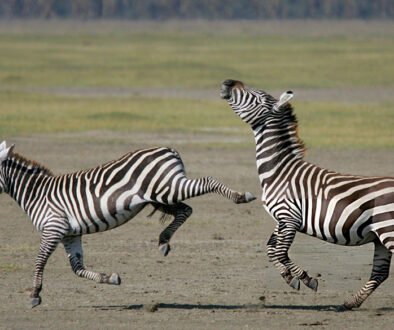
Once the elephants have flattened the jungle of tall grass and moved on, the next stage of the succession begins. Enter the plains zebra. Zebras are non-ruminant hindgut fermenters, meaning they can digest coarse, fibrous plant material relatively quickly, even if it is not rich in nutrients. Armed with strong, sharp incisors on both their upper and lower jaws, zebras are uniquely built to chop through the tough, top layer of stems left behind by the elephants.
They move through the freshly opened terrain in massive herds, cropping away the tall, stemmy top parts of the grass. They consume the dry, fibrous outer sheath that other animals find impossible to digest. As millions of zebras march across the plains, their heavy hooves break up hard soil, and their intensive grazing strips away the coarse upper vegetation. By removing this woody top layer, they expose the lower, more nutritious parts of the grass plant. Far from destroying the pasture, they are grooming it, uncovering the hidden treasure beneath the stalks.
3. Mass Lawn Mowers: Wildebeests Vacuum the New Growth
This sets the stage for the third actor in the sequence: the wildebeest. Wildebeests are ruminants, possessing complex multi-chambered stomachs that require high-protein, easily digestible vegetation to function efficiently. They have broad, wide muzzles specifically designed to vacuum up vast carpets of short, lush vegetation. However, a wildebeest cannot easily reach short grass if it is buried under a thick canopy of tall, dry stems.
Because the elephants opened the paths and the zebras mowed down the tough upper stalks, the base of the grass plant is now completely exposed to sunlight. Stimulated by the removal of its upper leaves and the abundant sunlight, the grass responds with a sudden burst of rapid growth, sending out tender, high-protein shoots, side leaves, and nutritious green sprouts.
This rapid resurgence of vegetation is precisely what the wildebeests have been waiting for. Moving in astounding numbers—often hundreds of thousands strong—wildebeests sweep across the newly exposed green pastures. They graze the lawn down to a neat, tight carpet, consuming the leafy side-shoots created thanks to the zebra’s prep work. As they move, their herds drop vast amounts of natural fertilizer and churn the ground, further stimulating fresh plant growth across the plains.
4. Precision Selectors: Delicate Gazelles Pick the Micro-Sprouts
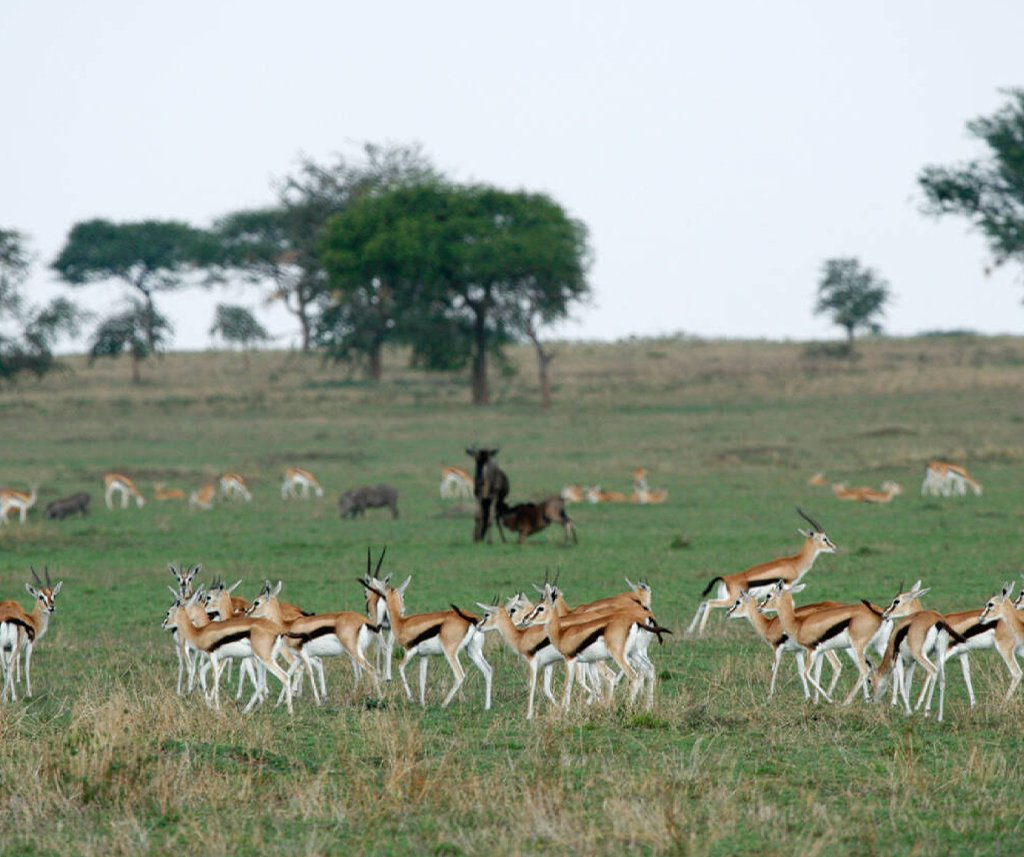
Finally, as the wildebeest herds graze down the pastures and move forward, the stage is set for the final group in the succession: delicate gazelles, such as Thomson’s gazelles. Gazelles are small-bodied ruminants with high metabolic rates relative to their body size. They cannot survive on coarse fiber or low-protein stems; they require concentrated, nutrient-dense foods like young herb leaves, rich seed pods, and the freshest, tiniest green sprouts emerging right at the soil line.
With their narrow, delicate muzzles, gazelles would starve in tall, unmanaged grass because they lack the physical strength to push through thick stalks to find tiny leaves. But in the wake of the wildebeest herds, the savanna looks almost like a freshly manicured golf course. The ground is open, highly visible, and covered in high-protein micro-sprouts and tiny dicot herbs that flourished after the heavy canopy was removed. Gazelles follow closely behind the wildebeests, picking out these tiny, ultra-nutritious morsels with precision.
5. The Cycle of Ecological Facilitation
What makes this sequential feeding so profound is that each animal’s feeding habits directly benefit the species that follows. This dynamic is a prime example of ecological facilitation, where organisms alter their environment in ways that make it more habitable for other species. Without the initial structural clearing by bulk feeders, smaller ruminants would be unable to access the high-nutrient foliage necessary for their survival. Conversely, without the continuous removal of biomass by successive waves of grazers, tropical grasslands would accumulate dead plant matter, inhibiting new leaf production and degrading the nutritional quality of the whole ecosystem.
6. Nutrient Cycling and Ecosystem Renewal
Beyond vegetation removal, grazing succession acts as a massive driver of nutrient cycling across savanna landscapes. As herds transition across vast geographical gradients, they do not simply consume energy; they redistribute vital elements like nitrogen, phosphorus, and potassium.
-
Soil Aeration: The trampling action of heavy hooves breaks up hard soil crusts, aiding water infiltration during brief rains.
-
Rapid Fertilization: Dung and urine deposited by millions of migrating mammals return concentrated nutrients to the soil far faster than natural plant decay would allow.
-
Seed Dispersal: Seeds ingested by wide-ranging grazers are transported across miles, aiding plant reproduction and genetic diversity.
This continuous disturbance prevents any single plant species from dominating the landscape, preserving a dynamic mosaic of flora that supports high species diversity across multiple trophic levels.