Facts About the Black Mamba
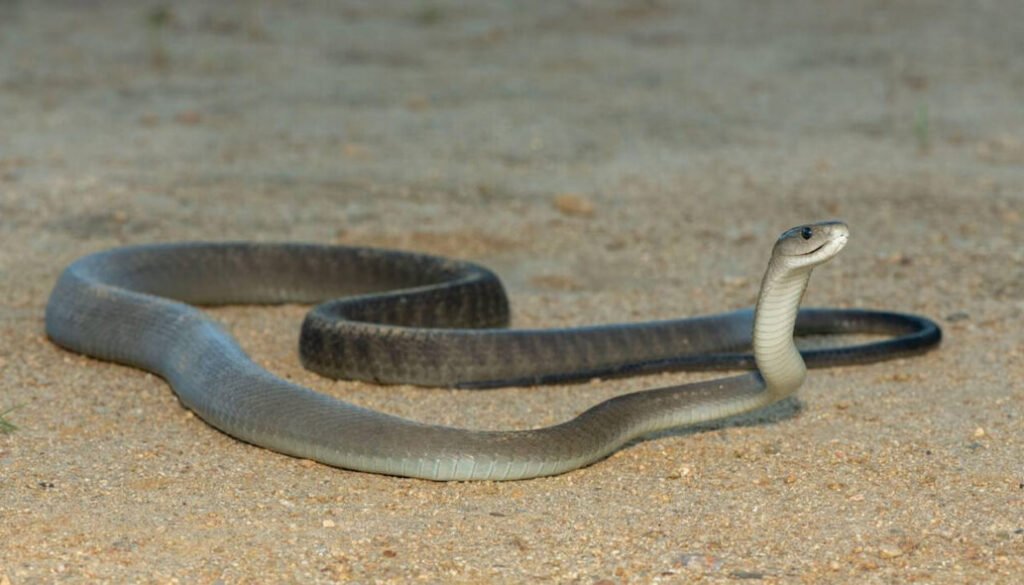
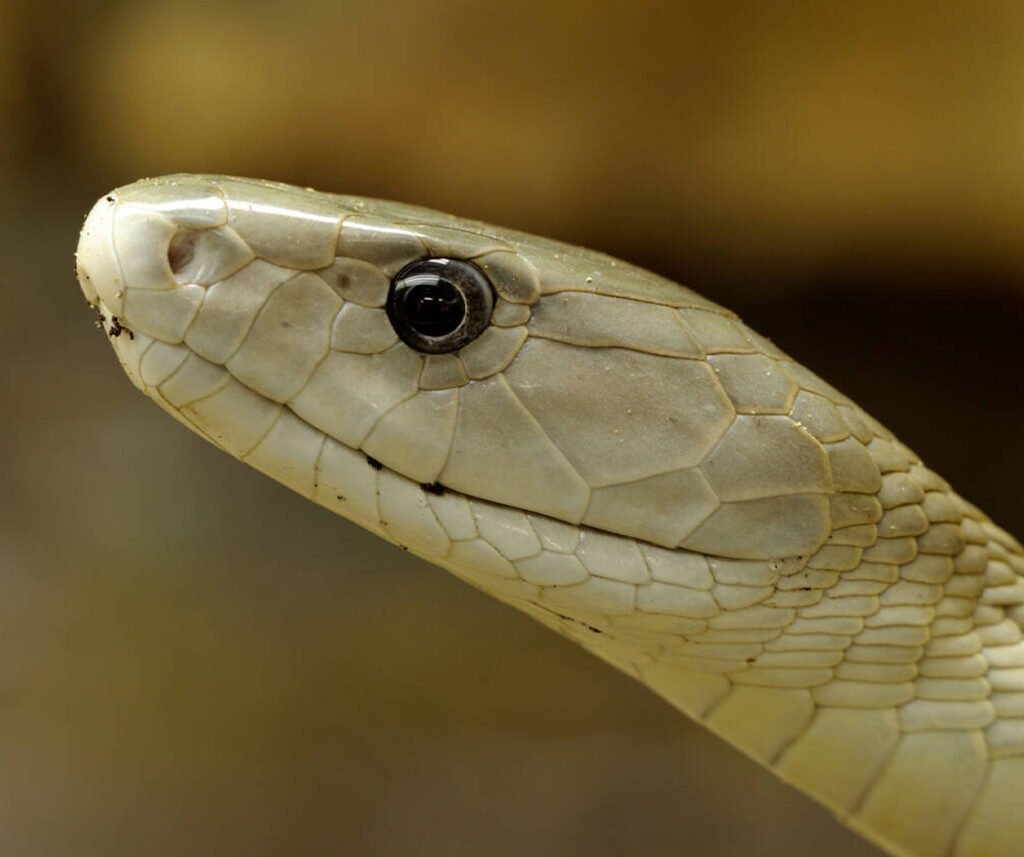
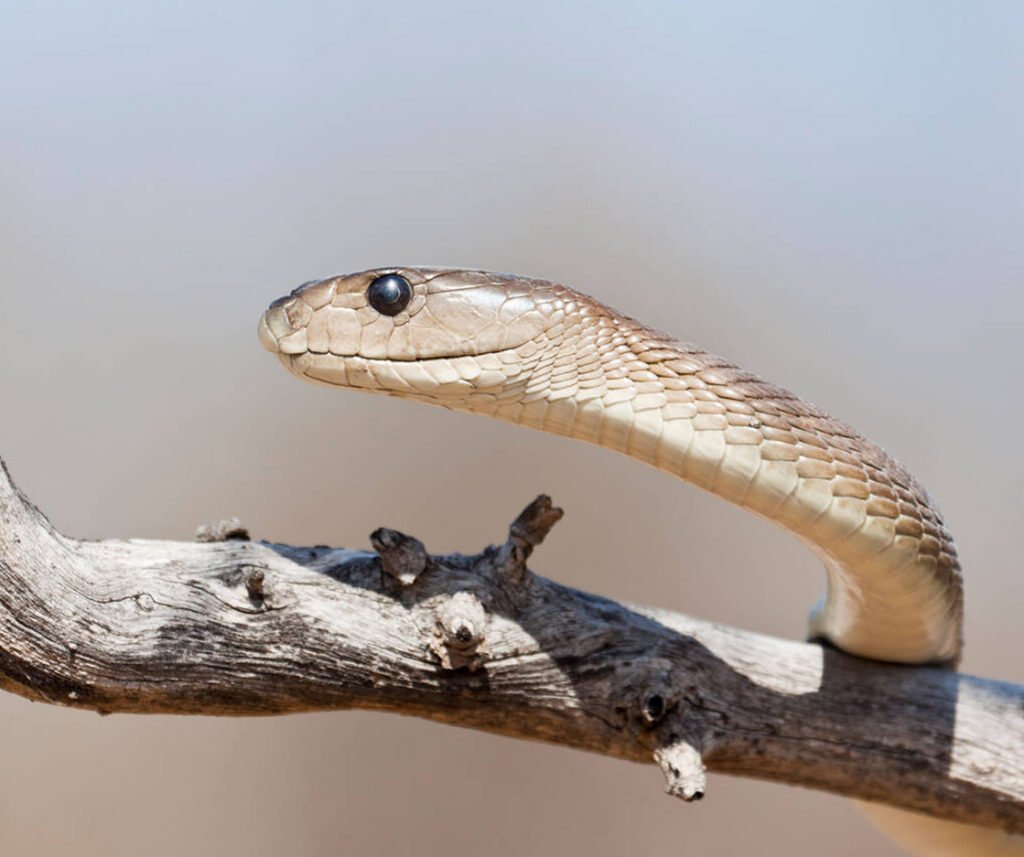
One of the most surprising facts about the Black Mamba is that it isn’t actually black. Their scales range from olive and yellowish-brown to a gunmetal grey. The name “Black Mamba” actually refers to the ink-black color of the inside of its mouth. When threatened, the snake gapes its jaws to reveal this dark interior as a terrifying warning sign to predators.
Essential Facts About the Black Mamba
-
Common Name: Black Mamba
-
Scientific Name: Dendroaspis polylepis
-
Type: Reptile
-
Diet: Carnivore (Small mammals, birds, and occasionally other snakes)
-
Average Life Span in the Wild: 11 to 15 years
-
Size (Head and Body): 2 to 3 meters (Up to 4.5 meters in rare cases)
-
Weight: Approximately 1.6 kilograms (3.5 lbs)
Incredible Speed
The Black Mamba is widely considered the fastest land snake in the world. It can move at speeds of up to 12.5 miles per hour (20 kilometers per hour). While it doesn’t use this speed to hunt long-distance like a cheetah, it uses quick bursts to strike prey or escape rapidly into a crevice or up a tree.
The “Kiss of Death” Venom
The venom of a Black Mamba is a complex cocktail of neurotoxins. Before the widespread availability of antivenom, a bite was nearly 100% fatal, earning it the reputation of the “kiss of death.” These toxins target the nervous system, paralyzing the muscles responsible for breathing. A single bite can deliver enough venom to kill several adult humans.
Territorial but Shy
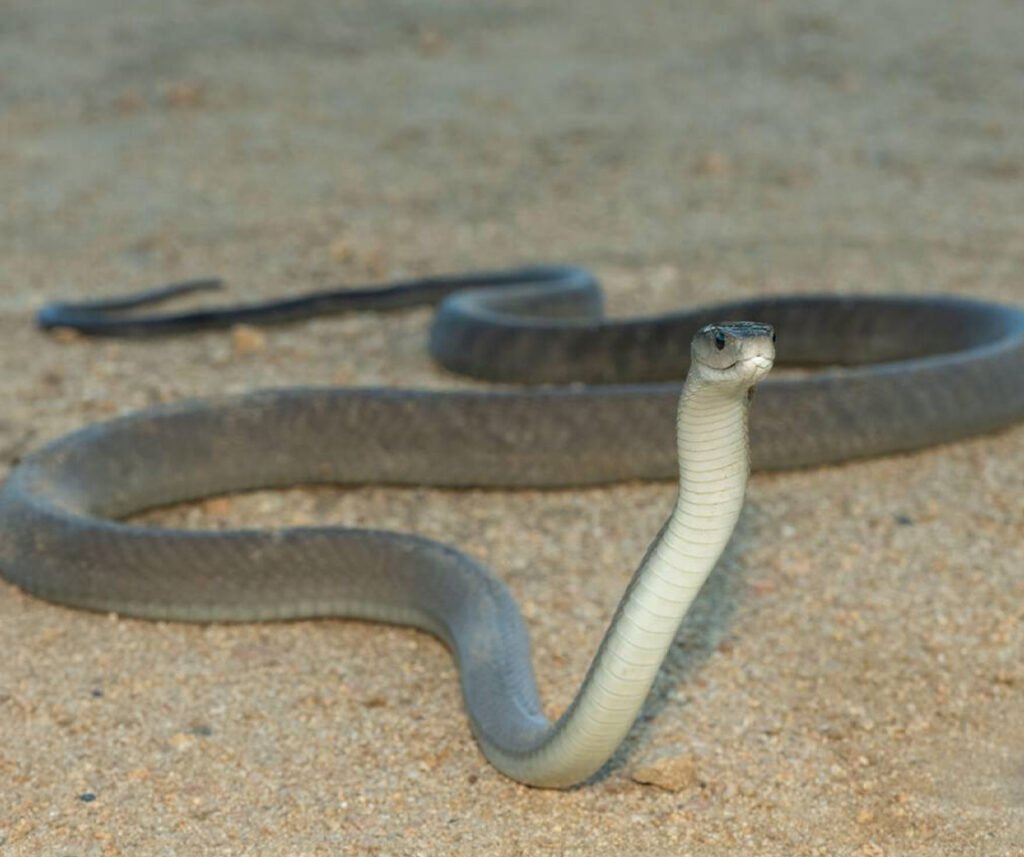
Despite their fearsome reputation, Black Mambas are generally shy and secretive. They prefer to avoid human contact whenever possible. Most “attacks” occur when the snake feels cornered or if someone inadvertently steps on its hiding place. When trapped, they will raise the front third of their body off the ground, spread a small cobra-like hood, and hiss loudly.
Precision Hunting
When looking at facts about the Black Mamba regarding their diet, they are highly efficient hunters. They strike their prey—usually rodents, bats, or small birds—and then retreat, waiting for the neurotoxins to paralyze the animal. Once the prey is immobilized, the mamba returns to swallow it whole. Their flexible jaws can expand to accommodate animals much larger than their head.
Arboreal and Terrestrial Habitat
The Black Mamba is equally comfortable on the ground and in the trees. They are found throughout Sub-Saharan Africa, favoring rocky hills, savannas, and woodlands. At night, they return to the same lair—often a hollow log, a termite mound, or a rock crevice—to sleep
Reproduction and Growth
Black Mambas are solitary except during the mating season. Males will engage in “plaiting combat,” where they twist their bodies around one another to determine dominance without biting. Females lay between 6 and 17 eggs. When the hatchlings emerge, they are already about 2 feet long and possess fully functional venom glands.
Visual and Sensory Prowess
Like many snakes, the Black Mamba uses its tongue to “smell” the air, flicking it out to gather chemical particles and delivering them to the Jacobson’s organ in the roof of its mouth. They also have excellent eyesight, allowing them to track movement from a significant distance, which is vital for an active hunter.
Conservation and Coexistence
While not currently listed as endangered, the Black Mamba faces habitat loss due to expanding human settlements. As humans move into their territories, encounters become more frequent. Understanding the facts about the Black Mamba is crucial for local communities to foster a culture of respect rather than fear, ensuring that these apex predators continue to play their vital role in the African ecosystem