Facts About the Nyala: The Most Striking Residents of the African Thicket
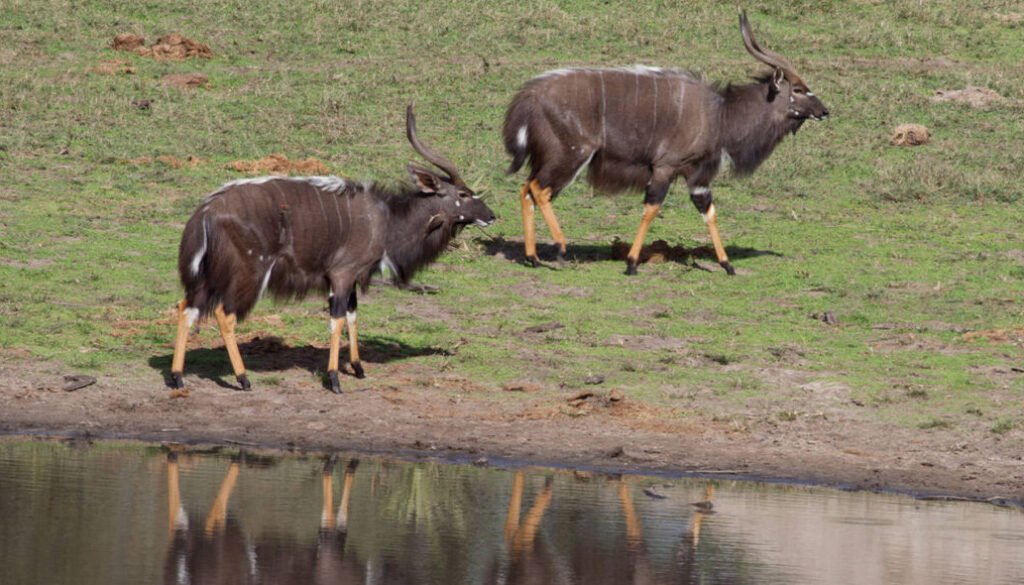
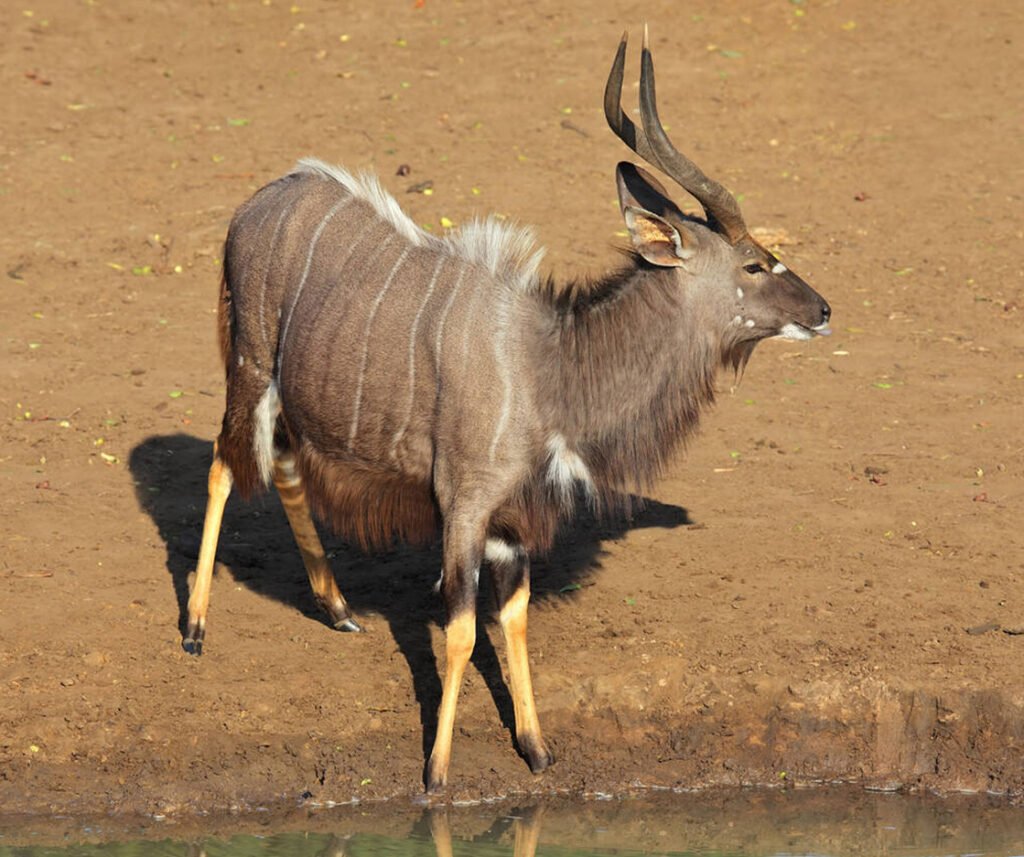
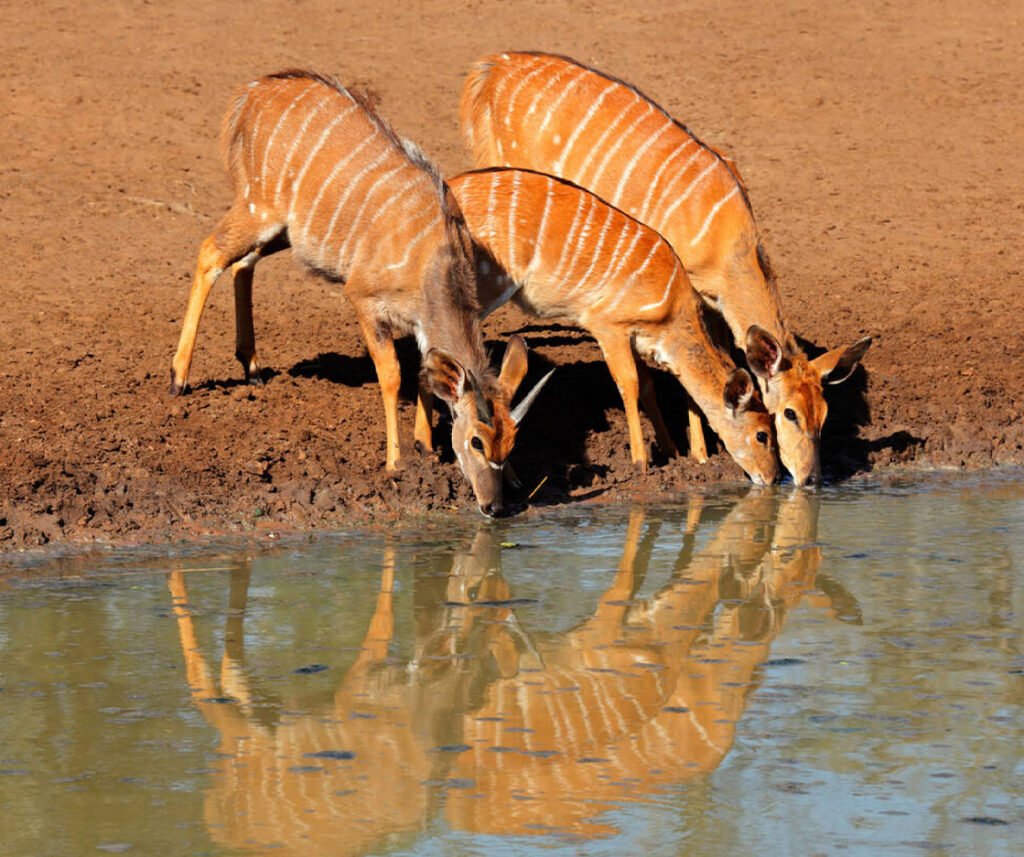
One of the most incredible facts about the nyala is how different the males and females look. In the animal kingdom, this is known as sexual dimorphism. If you saw a male and female standing apart, you might mistake them for two entirely different species.
The males are significantly larger and sport a dark, charcoal-grey or slate-brown coat. They possess long, spiral horns and a magnificent fringe of hair along their underside. In contrast, the females are much smaller and have a bright, chestnut-colored coat. Both sexes share the characteristic vertical white stripes on their flanks, but the female’s markings are often more vivid against her orange-hued fur.
Nyala Fast Facts
-
Common Name: Nyala
-
Scientific Name: Tragelaphus angasii
-
Type: Mammal
-
Diet: Herbivore (Browser and Grazer)
-
Average Life Span in the Wild: 16 to 19 years
-
Size: Head and body: 53 to 77 inches; Tail: 16 to 22 inches
-
Weight: 120 to 310 pounds
The Architecture of the Horns
Only the male nyala carries horns, and they are a sight to behold. These “Tragelaphine” horns grow in a slow, elegant spiral. On average, they reach lengths of 24 to 33 inches. Interestingly, the tips of the horns are often ivory-colored, which provides a sharp contrast to the dark ridges. Males use these primarily for display and for “sparring” to establish dominance within the social hierarchy.
A Specialized Diet: The Versatile Herbivore
When discussing facts about the nyala, their adaptability is a recurring theme. While many antelope are strictly grazers (eating grass) or strictly browsers (eating leaves), the nyala is an intermediate feeder.
They primarily browse on high-quality leaves, fruits, and flowers, but they aren’t above grazing on fresh green grass when the rains arrive. This dietary flexibility allows them to thrive in thickets and lush riverine woodlands where other, more specialized herbivores might struggle during seasonal shifts.
Habitat: Why They Love the Shadows
You won’t typically find a nyala out in the middle of a wide-open plain. These animals are highly dependent on “cover.” They prefer dense bush, riverine forests, and thickets. This preference for thick vegetation provides them with two things: a steady supply of their favorite foliage and protection from predators. Because they stay close to the shadows, they can be quite elusive to spot on a drive, earning them a reputation as the “ghosts of the thicket.”
Social Structure and Solitary Secrets
The social lives of these antelopes are quite fluid. Females and their young often form small, loose herds, but they aren’t “locked” into these groups like some other social mammals. Males, on the other hand, tend to be more solitary or hang out in “bachelor” groups until they reach maturity.
The “Side-Stepping” Ritual
One of the most fascinating behavioral facts about the nyala is the way males resolve conflict. Instead of immediately jumping into a violent fight, rival males engage in a highly stylized “lateral display.”
They will walk past each other slowly, arching their backs and raising their white dorsal manes to look as large and intimidating as possible. They move with a deliberate, slow-motion gait. Most of the time, the smaller or less confident male will back down after this display, preventing unnecessary injury to both parties.
Vocalizations and Predator Alerts
Despite their shy nature, nyala are quite communicative when they need to be. Their most famous sound is a deep, barking alarm call—similar to that of a bushbuck or a dog. When a nyala senses a predator, like a leopard or a lion, it emits this sharp bark to warn others in the vicinity. This “sentinel” behavior benefits not just other nyala, but other prey species nearby as well.
Thirst for Life: Water Dependency
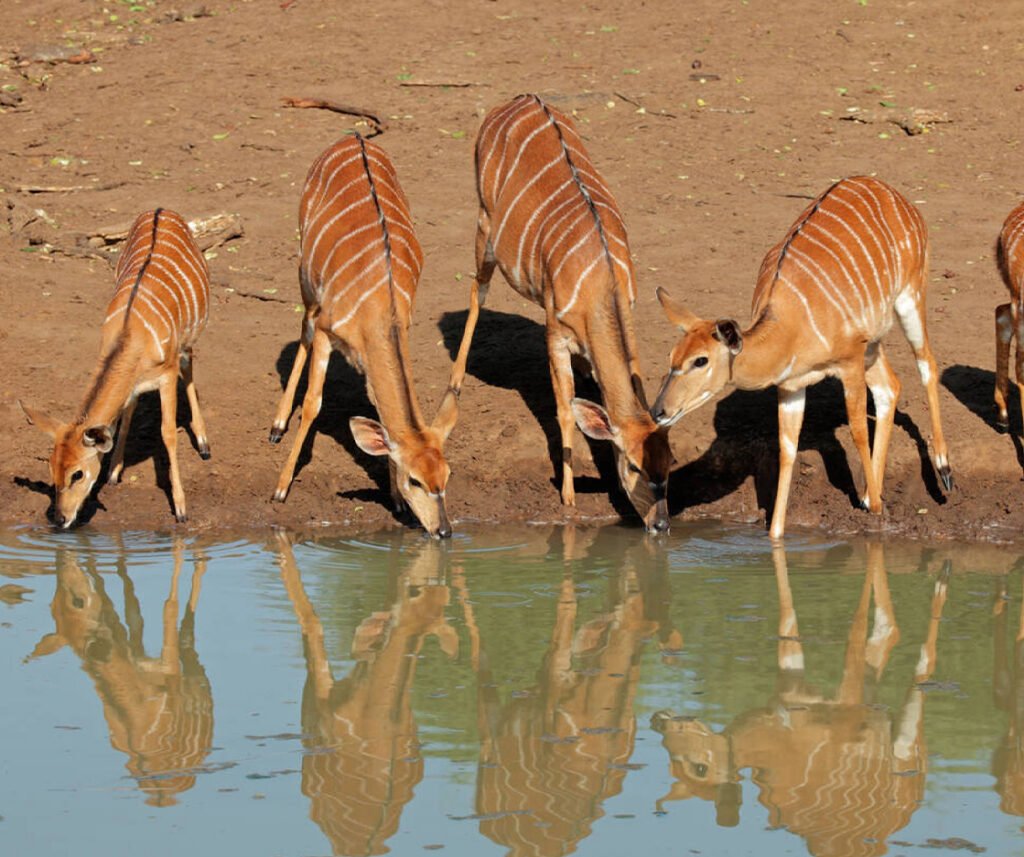
While some desert-adapted antelope can go weeks without a drink, the nyala is a water-dependent species. They are rarely found more than a few miles away from a permanent water source. In the heat of the South African or Mozambican sun, you can often find them drinking during the cooler parts of the day, such as early morning or late evening.
Reproduction and the “Hidden” Calves
Nyala can breed year-round, which is a bit different from species that have a strict “birthing season.” After a gestation period of about seven months, a single calf is born. To keep the newborn safe from predators, the mother hides the calf in dense vegetation for several weeks. She returns to nurse it periodically until it is strong enough to keep up with her movements through the bush.
Conservation Status
Currently, the nyala is classified as Least Concern by the IUCN. Their populations are stable, largely thanks to their presence in protected national parks and effectively managed private reserves. However, habitat loss due to agriculture and overgrazing by domestic livestock remains a long-term threat that conservationists monitor closely.