Facts About the Dik-Dik: The Tiny, Monogamous Marvel of the Bush
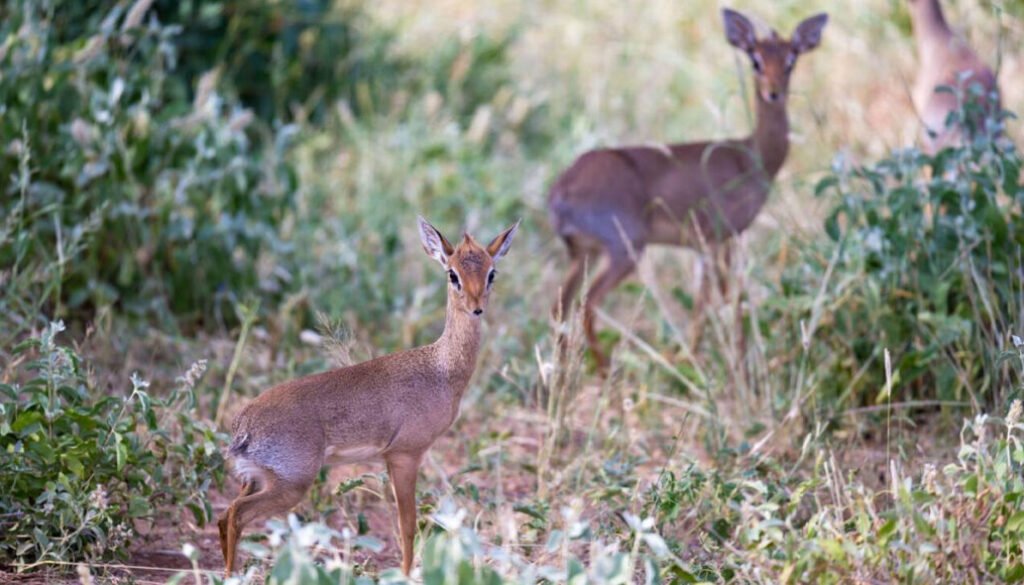
One of the most fascinating facts about the dik-dik involves their elongated, trunk-like snout. This isn’t just for show. The snout acts as a highly efficient cooling system. Through a process called cranial panting, blood is pumped to the snout where it is cooled by evaporation before returning to the brain. This allows them to survive in temperatures that would cause other mammals to suffer heatstroke.
Essential Profile
Before we dive into the deep details, let’s look at the “fast facts” of this diminutive species.
-
Common Name: Dik-dik
-
Scientific Name: Madoqua (comprising four species: M. kirkii, M. piacentinii, M. saltiana, and M. guentheri)
-
Type: Mammal
-
Diet: Herbivore
-
Average Life Span in the Wild: 5 to 10 years
-
Size: Head and body: 12 to 16 inches; Height: 12 to 18 inches at the shoulder
-
Weight: 7 to 15 pounds
Monogamy in the Wild
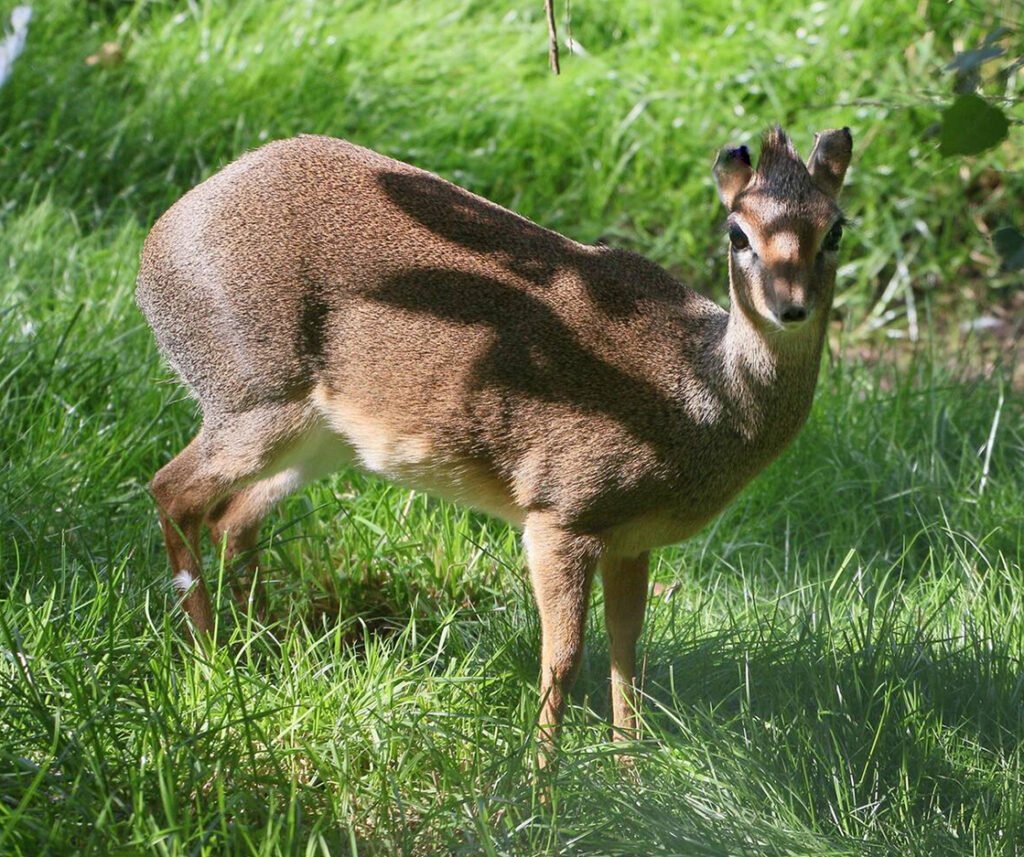
In the animal kingdom, lifelong “marriage” is rare, but the dik-dik is a romantic exception. They are monogamous and live in pairs rather than herds. A bonded pair will define a territory and spend about 64% of their time together. This partnership is vital for protection; while one feeds, the other stands guard, watching for the many predators that view these tiny animals as a snack.
Territorial Marking and Secretions
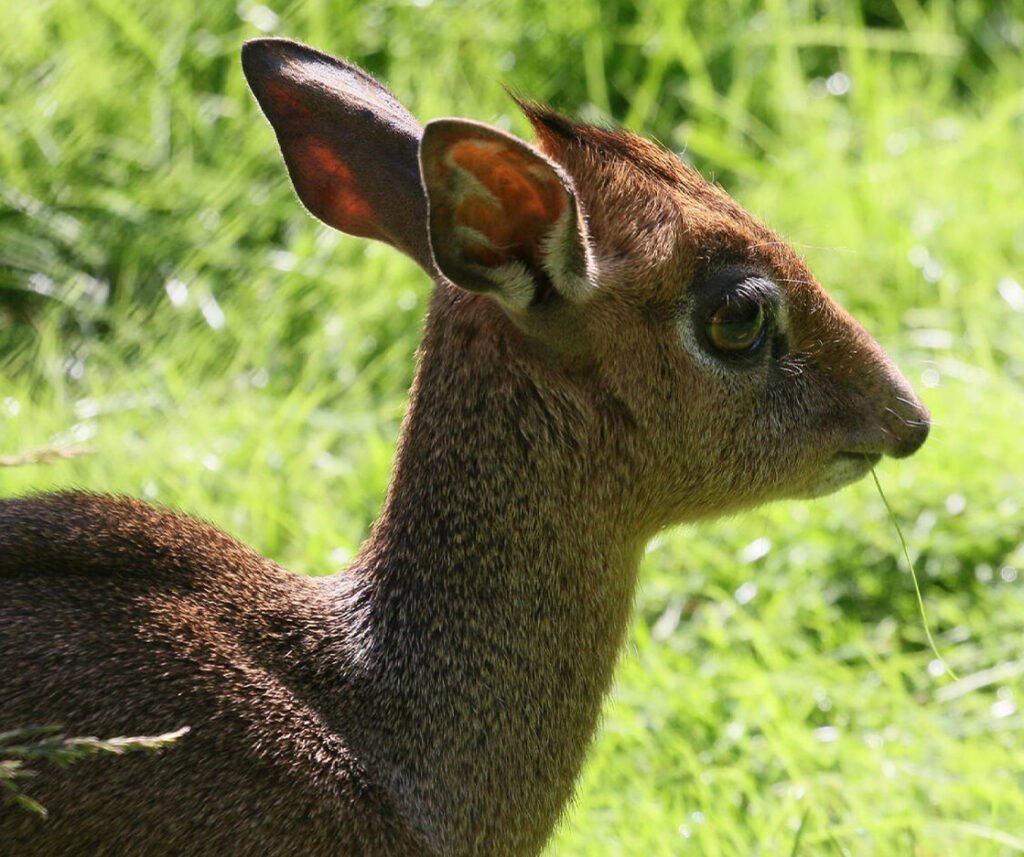
How does such a small animal claim its ground? They use a “preorbital gland” located just below their eyes. This gland looks like a small black slit. Dik-diks will poke a twig or a blade of grass into this gland to deposit a sticky, dark secretion that smells strongly to other dik-diks. When you research facts about the dik dik, you’ll find that their “scent-marking” ritual is quite elaborate, involving a specific sequence of pawing the ground and depositing dung and urine to solidify their borders.
The “Brave” Father Role
When a fawn is born, it grows rapidly and reaches adult size within seven months. At that point, the father usually chases the young male out of the territory, while the mother does the same for young females. It sounds harsh, but it’s a necessary step to prevent inbreeding and ensure the survival of the next generation.
Why They Are So Hard to Catch
Despite their small size, dik-diks are incredibly agile. They don’t run in a straight line; instead, they utilize a “zigzag” running pattern. This erratic movement, combined with their ability to reach speeds of up to 42 kilometers per hour (about 26 mph), makes it difficult for predators like caracals, eagles, and pythons to lock onto them.
Distinctive Appearance: Horns and Hair
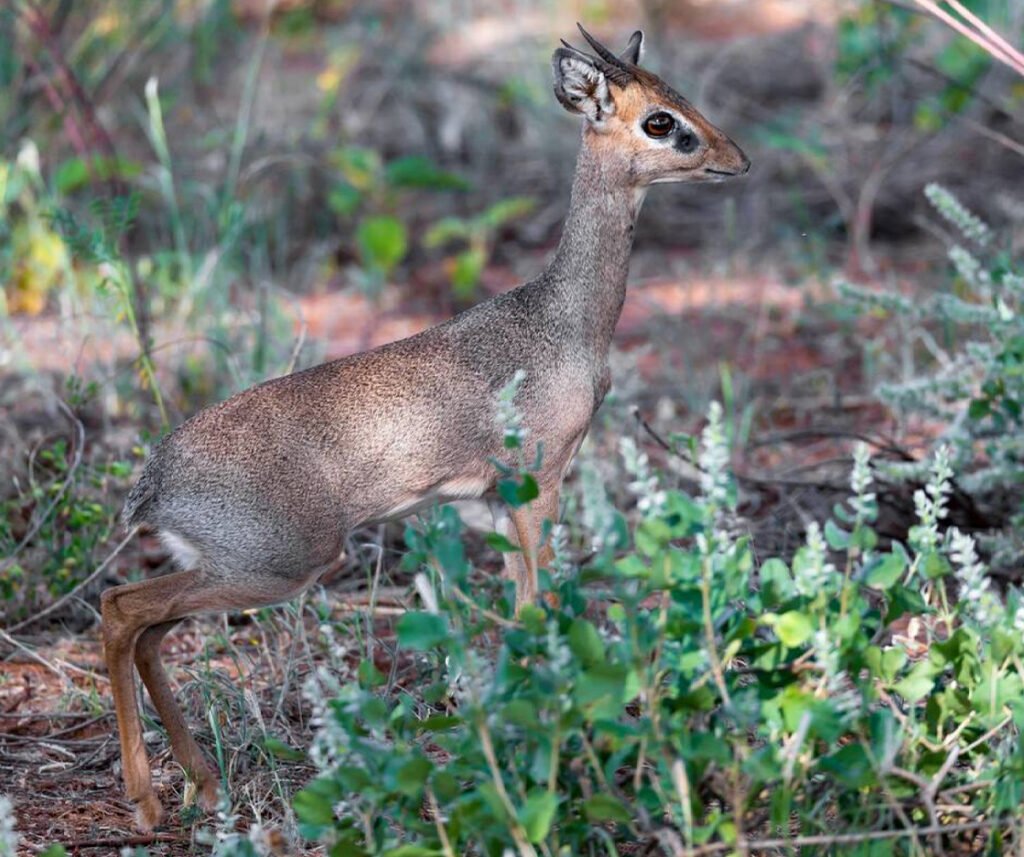
Only the males have horns. These horns are short (about 3 inches), corrugated, and often hidden by a tuft of hair on the forehead. This “crest” of hair can be raised when the animal is excited or stressed, acting as a visual signal to its partner.
Conservation and the Future
Currently, most species of dik-dik are listed as “Least Concern” by the IUCN. However, they face threats from habitat loss and poaching. In some regions, they are hunted for their hides, which are used to make gloves—one skin per glove. Because of their small size, it takes a high number of animals to produce commercial goods, making conservation efforts in protected parks like the Serengeti and Kruger National Park essential.