Facts About the Impala: Africa’s Most Dynamic Antelope
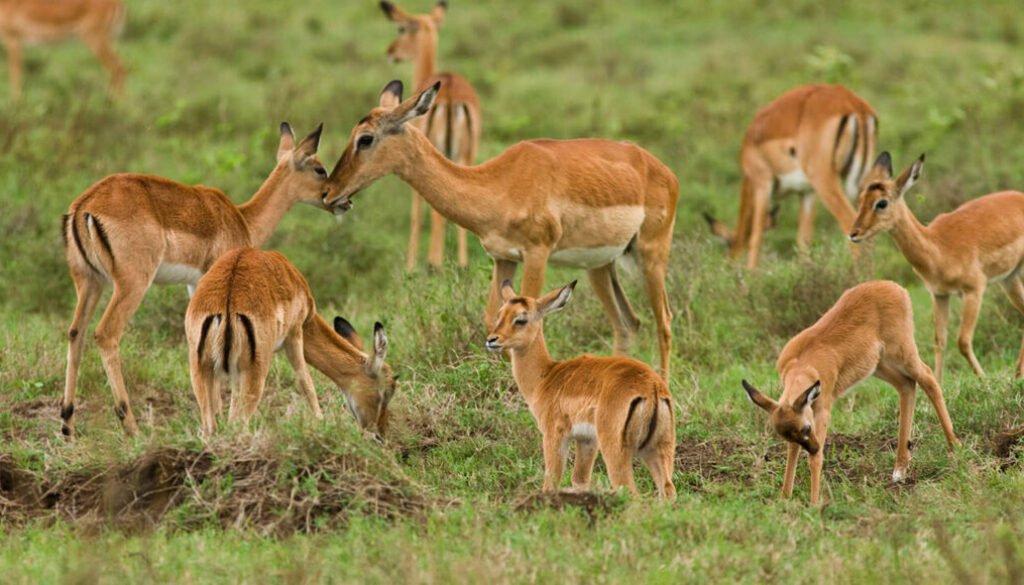
When people search for facts about the impala, the first thing that usually comes up is their incredible jumping ability. These medium-sized antelopes are built for speed and agility. When threatened, an impala can leap over 10 feet (3 meters) into the air and cover a distance of 33 feet (10 meters) in a single bound.
This isn’t just for show. This “pronking” or “stotting” behavior serves a dual purpose: it confuses predators and signals to the attacker that the impala is fit, healthy, and likely too difficult to catch. By launching themselves into the air in a seemingly chaotic zig-zag pattern, they make it nearly impossible for a cheetah or leopard to lock onto a single target.
Impala: The Quick Stats
Before we jump into the narrative, let’s look at the foundational facts about the impala at a glance:
-
Common Name: Impala
-
Scientific Name: Aepyceros melampus
-
Type: Mammal
-
Diet: Herbivore (Browser and Grazer)
-
Average Life Span in the Wild: 12 to 15 years
-
Size: Head and body: 3.9 to 5.2 feet; Tail: 10 to 18 inches
-
Weight: 88 to 165 pounds
Social Structure and the “Bachelor” Life
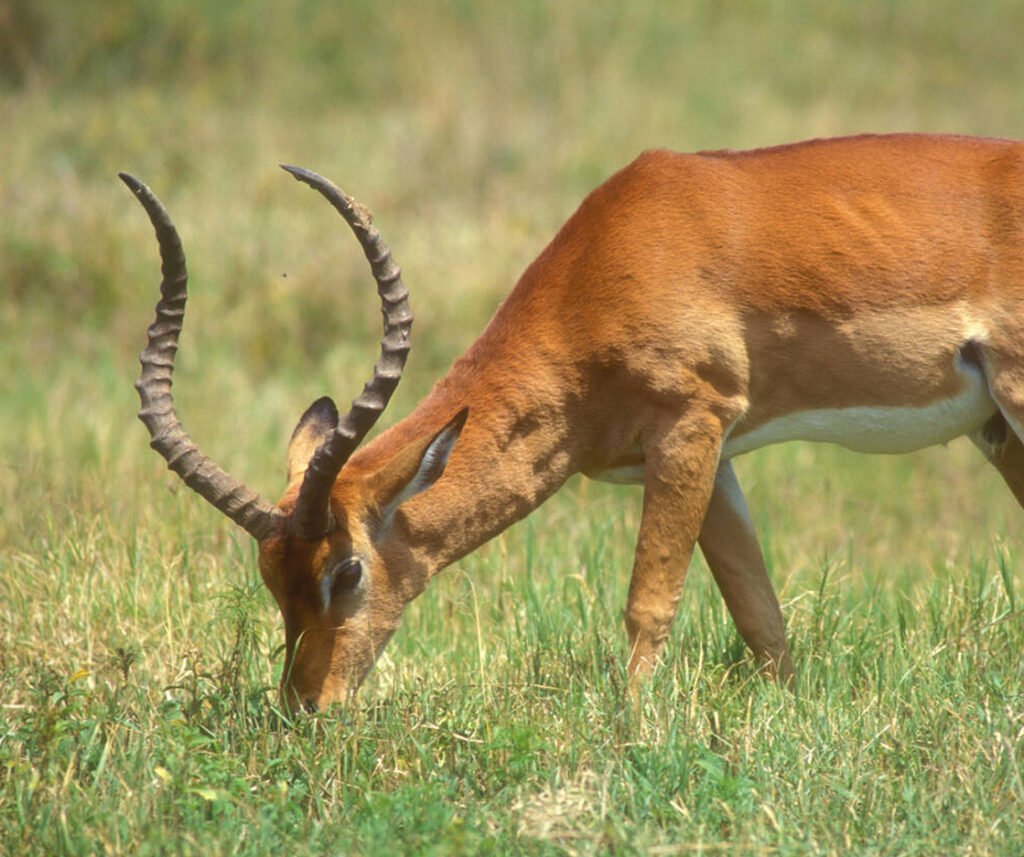
One of the most interesting facts about the impala is their complex social hierarchy. They don’t just wander aimlessly; their herds are strictly organized based on the season.
-
Female Herds: During the wet season, you’ll find large groups of females and their young. These herds can number in the hundreds.
-
Bachelor Herds: Young males and those not strong enough to hold a territory form “bachelor groups.” Here, they practice sparring and wait for their chance to challenge a dominant male.
-
Territorial Males: A single dominant male guards a “harem” of females. However, this is exhausting work. The male must defend his territory and his mates constantly, often neglecting to eat. This leads to high turnover; a dominant male usually only lasts a few weeks before a rested bachelor kicks him out.
Adaptive Feeding: The Mixed-Feeder Advantage
In the animal kingdom, most herbivores are either grazers (eating grass) or browsers (eating leaves and shoots). One of the key facts about the impala that ensures their survival is that they are both.
During the rainy season when the grass is lush and green, they graze happily. When the dry season hits and the grass turns to dust, they switch seamlessly to browsing on acacia pods, shrubs, and succulents. This flexibility allows them to thrive in environments where other more specialized species might face starvation.
The “M” of the Savanna
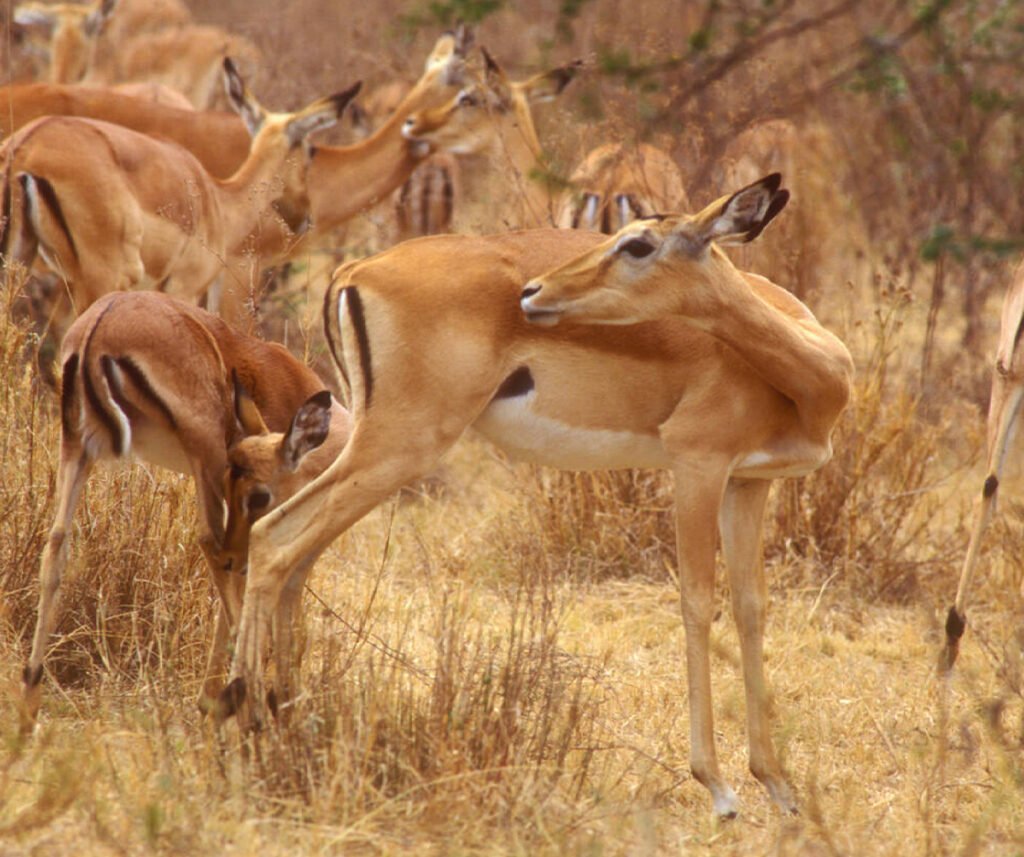
If you’ve ever been on a safari, your guide might have pointed out the “McDonald’s of the bush.” This is a bit of local humor based on the black markings on the impala’s rear, which form a distinct “M” shape.
Beyond the joke, these black stripes serve a biological purpose. Known as “follow-me” marks, they help members of the herd stay together during a high-speed flight through thick brush. When one impala jumps, the others see the flash of black and white, allowing the group to stay cohesive even in total panic.
Sensory Mastery and Scent Glands
Understanding the facts about the impala requires looking at their unique anatomy. Did you know they have scent glands on their back legs? These “metatarsal glands” are covered by a tuft of black hair just above the heel.
Scientists believe that when an impala performs its massive leaps, these glands release a pheromone into the air. This helps the herd find each other after they’ve been scattered by a predator. Combined with their acute hearing and large, expressive eyes that provide a wide field of vision, the impala is a walking sensory powerhouse.
The Cycle of Life: Synchronized Birthing
Nature has a way of protecting the vulnerable. Among the many survival-focused facts about the impala, their birthing strategy is perhaps the most calculated.
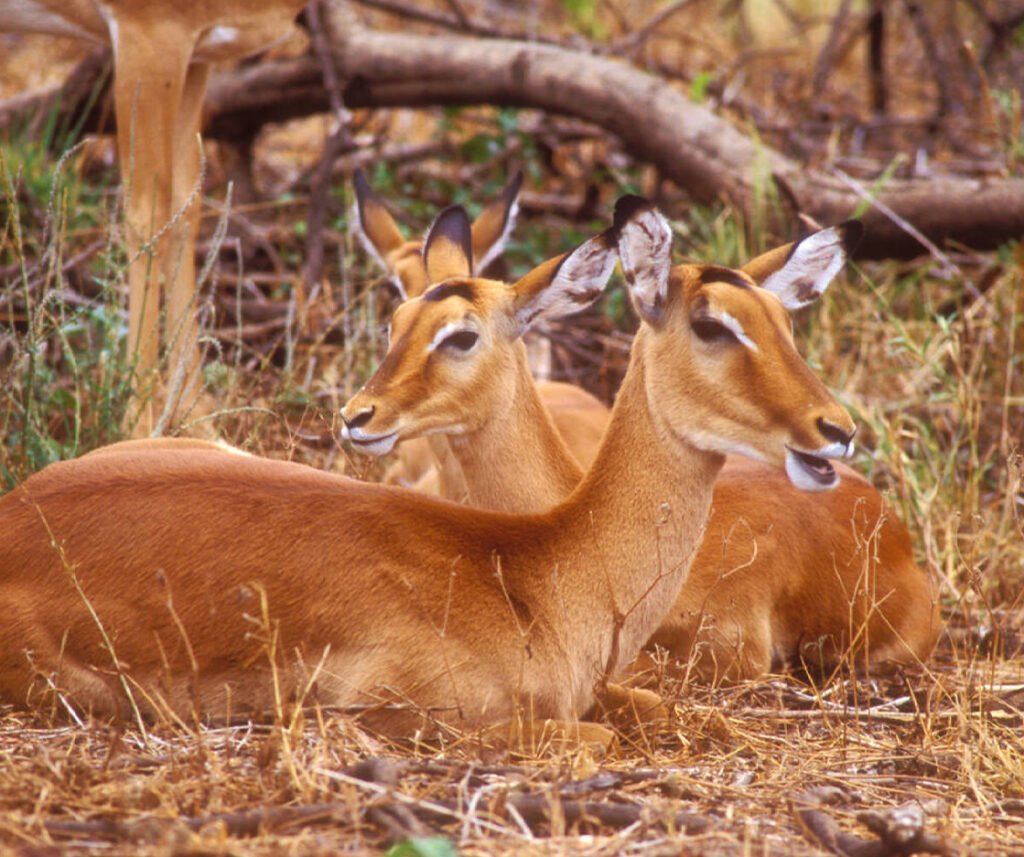
Most impala fawns are born within the same few weeks at the start of the rainy season. This is called “predator swamping.” By having all the babies at once, the sheer number of prey overwhelms the local predators. Lions and hyenas can only eat so much; by saturating the market, the impala ensures that the majority of the fawns will survive the most dangerous weeks of their lives.
Grooming and Symbiosis
You will often see impalas standing still while small birds, known as Oxpeckers, crawl all over them. This is a classic example of mutualism. The birds eat ticks and parasites off the impala’s skin, providing a free cleaning service, while the birds get an easy meal. Interestingly, impalas are also one of the few ungulates that practice “allogrooming”—grooming each other—to keep those hard-to-reach places like the neck and head clean of pests.