Facts About Northern Giraffe: The Ultimate Guide
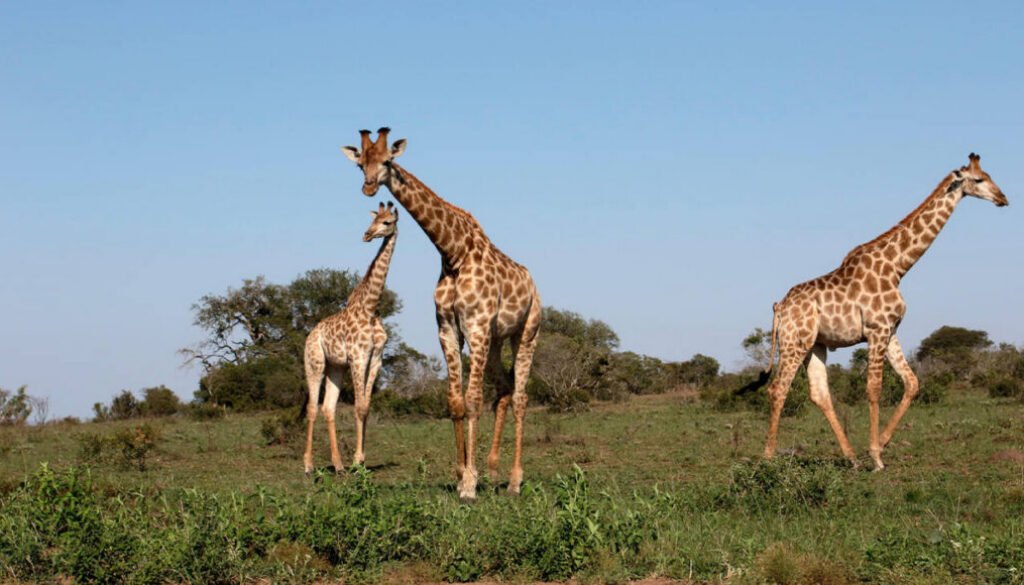
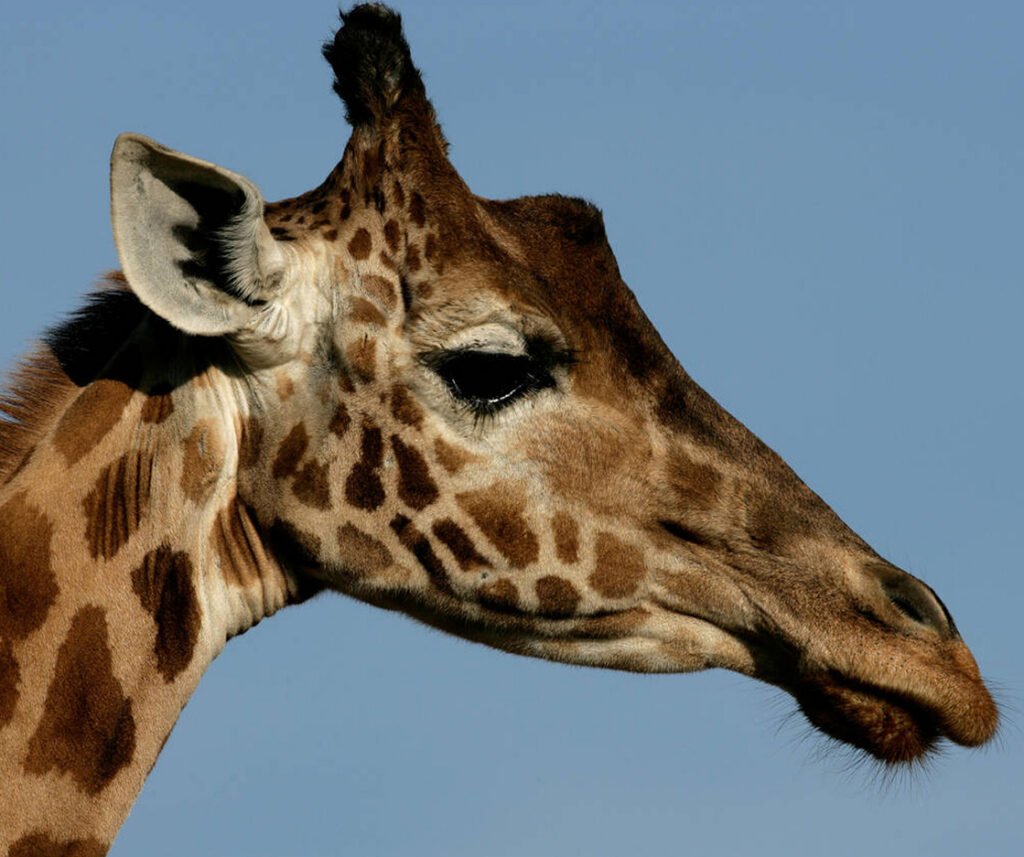
One of the most surprising facts about northern giraffe is that their lighter-colored patches that are somewhat irregular, jagged spots compared to the clean-edged polygons of the Reticulated giraffe. Their legs also tend to be lighter, sometimes lacking patterning below the hocks, giving them the appearance of wearing white stockings.
Northern Giraffe: The Quick Profile
Before we jump into the details, here is the essential breakdown of this majestic mammal:
-
Common Name: Northern Giraffe
-
Scientific Name: Giraffa camelopardalis
-
Type: Mammal
-
Diet: Herbivore
-
Average Life Span in the Wild: 20 to 25 years
-
Size (Head and Body): 13 to 19 feet (4 to 5.8 meters)
-
Weight: 1,750 to 4,250 lbs (800 to 1,930 kg)
The Mechanics of a Giant: Height and Weight
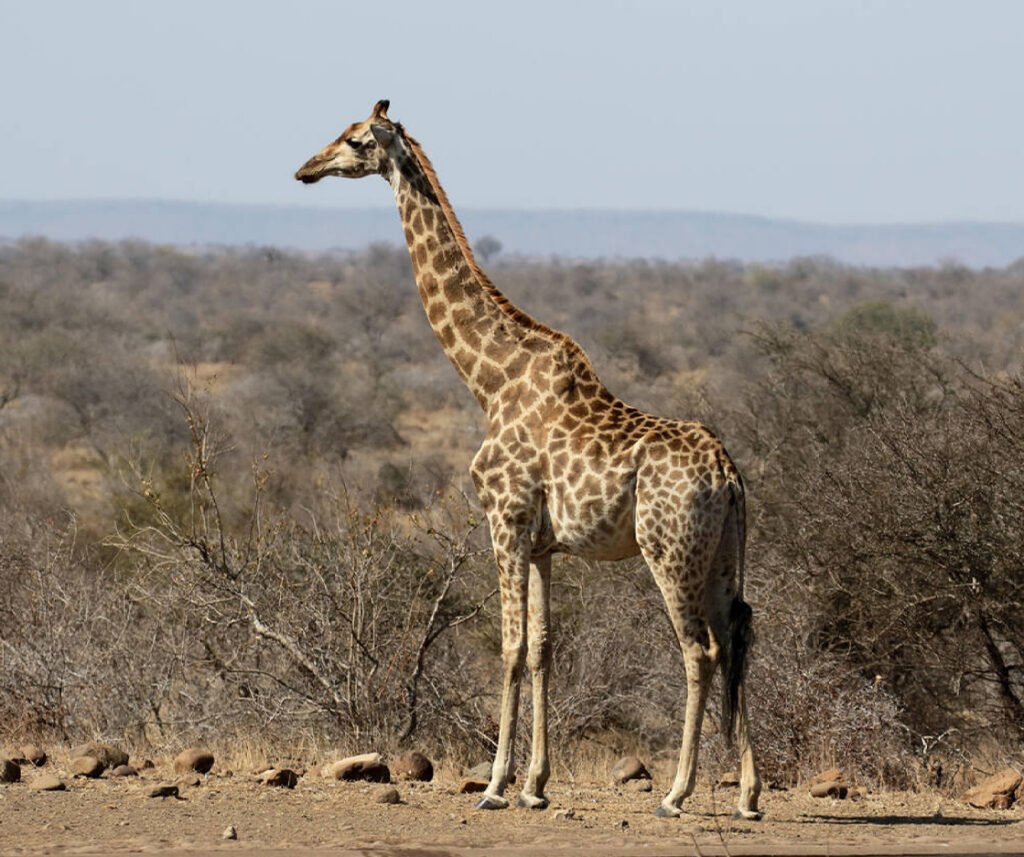
The northern giraffe is a marvel of biological engineering. To reach the canopy of the acacia trees, these animals have evolved incredible proportions. An adult male can tower up to 19 feet, while females are slightly shorter.
Despite their massive height, they share a surprising trait with humans: they only have seven neck vertebrae. Each vertebra is elongated, measuring up to 10 inches in length. This long neck isn’t just for reaching food; it’s also a powerful weapon. Males use their necks in a behavior called “necking,” where they swing their heavy skulls like wrecking balls against each other to establish dominance.
A Specialized Diet: The Acacia Masters
As dedicated herbivores, northern giraffes spend nearly 75% of their day eating. Their favorite meal is the acacia tree, a plant known for its vicious thorns. The giraffe has evolved two clever ways to bypass this defense:
-
The Prehensile Tongue: Their tongues can grow up to 20 inches long and are dark purple/blue to prevent sunburn while they are extended. This tongue is incredibly dexterous, allowing them to strip leaves from between thorns.
-
Tough Saliva: They produce thick, antiseptic saliva that coats any thorns they happen to swallow, protecting their digestive tract.
An adult northern giraffe can consume up to 75 pounds of foliage a day. Because their food is moisture-rich, they can go several days without drinking water, which is a vital adaptation in the arid regions of North and West Africa.
The Cardiovascular Marvel
One of the most mind-blowing facts about northern giraffe biology is their heart. To pump blood all the way up that long neck to the brain, the heart must be exceptionally strong.
A northern giraffe’s heart can weigh up to 25 pounds and is roughly 2 feet long. It generates a blood pressure that is twice that of a human. To prevent their brains from exploding when they lean down to drink, they possess a specialized network of capillaries and valves in their necks known as the rete mirabile. This system regulates the sudden rush of blood, showcasing a level of evolutionary precision that is rare in the animal kingdom.
Social Structures and “Towers”
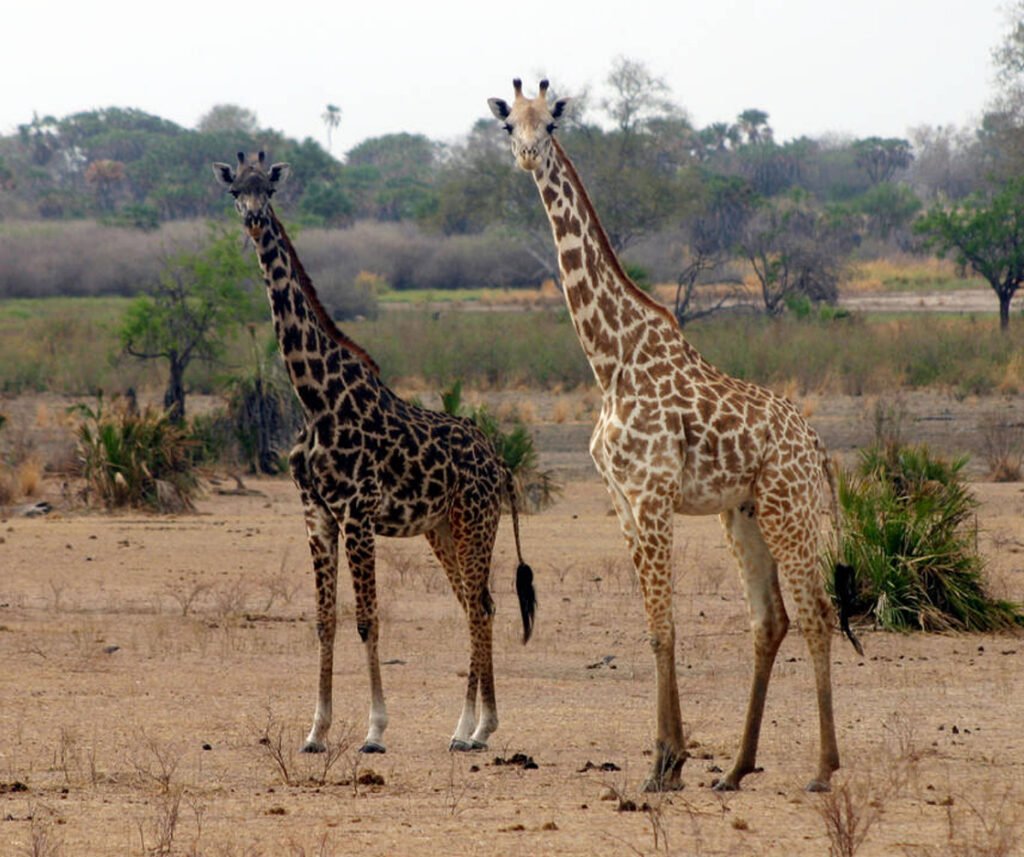
Northern giraffes are social animals, though their groups are fluid. A group of giraffes is aptly called a tower. These groups are usually “fission-fusion” societies, meaning they come together and split apart throughout the day.
Mothers are particularly social, often forming “nursery groups” or crèches. One female will watch over several calves, allowing the other mothers to forage further away. This community-based parenting is essential because, despite their size, giraffe calves are vulnerable to lions, hyenas, and leopards.
Sleep and Stealthy Communication
If you’ve ever felt like you don’t get enough sleep, you have something in common with the northern giraffe. They have some of the shortest sleep requirements of any mammal, averaging only 30 minutes of sleep per day. This sleep is often taken in short power naps of just a few minutes while standing up.
For a long time, it was thought that giraffes were silent. However, researchers have discovered that they communicate using infrasonic sounds—frequencies so low that they are inaudible to the human ear. This allows them to communicate over long distances across the savanna without alerting predators to their location.
The Conservation Crisis: The “Silent Extinction”
While many people focus on the plight of elephants and rhinos, the northern giraffe has been experiencing what experts call a “silent extinction.” Habitat loss, civil unrest in North Africa, and illegal poaching have decimated their numbers.
The West African giraffe subspecies, for example, once dwindled to only 50 individuals. Thanks to intense conservation efforts by the Giraffe Conservation Foundation and local governments, their numbers have rebounded to over 600, but they remain critically endangered. Learning facts about northern giraffe populations is the first step in advocating for their protection.