Worst Time to Visit Masai Mara: Rains, Crowds & Low Season Guide
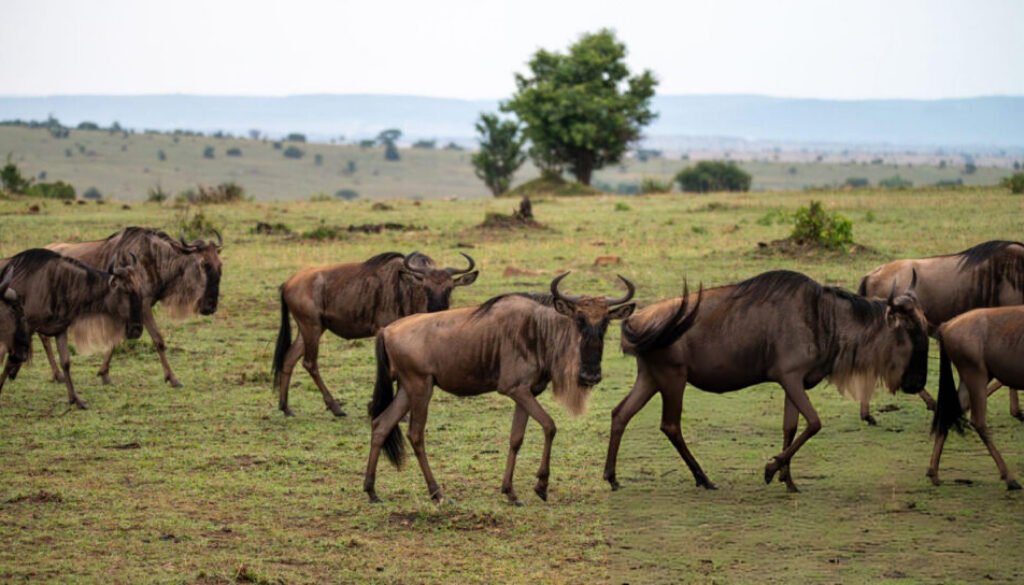
If you are looking for a quick, unfiltered answer before booking your plane tickets, many travel experts agree that the worst time to visit Masai Mara is during April and May. These two months mark the peak of East Africa’s “long rains,” when heavy downpours transform the Mara’s golden savannahs into vast, mud-soaked landscapes. Safari vehicles can sink into the clay-rich soil, dirt tracks turn treacherous, and wildlife spreads out across thousands of square miles because water becomes available everywhere.
If your ideal African safari consists of dry sunny skies, open-air game drives, and endless herds crashing across riverbanks, visiting during these wet months can feel like a disappointing ordeal. However, evaluating the worst time to visit Masai Mara requires looking at both sides of the seasonal calendar.
Masai Mara Season-by-Season Summary
Season | Months | Pros | Cons / Reasons to Avoid |
Cons / Reasons to Avoid | July – October. | Great Migration, easy cat spotting, dry roads. | Expensive, heavy vehicle traffic, crowded river crossings. |
Short Rains | November – December | Baby animals, lower rates, beautiful green scenery.. | Brief afternoon downpours, occasional muddy tracks. |
Short Dry | January – February | Warm weather, high predator activity, fewer crowds. | Can be hot/dusty; migration herds are in Serengeti. |
Long Rains | March – May | Lowest prices of the year, zero crowds, brilliant birding. | Heavy rain, impassable tracks, tall grass, some lodge closures. |
Why April and May Are Dubbed the Worst Time to Visit Masai Mara?
To understand why this time of year earns such a notorious reputation, you must picture what happens when the rainy season hits the reserve. Unlike gentle spring drizzles, the long rains bring heavy deluges that often begin in the afternoon and continue well into the night.
The clay-rich black cotton soil of the reserve acts like a massive sponge, swelling into dense, sticky mud that challenges even the most experienced safari drivers and high-clearance 4×4 vehicles. Smooth dirt tracks turn into slippery traps within hours. Consequently, many safari itineraries experience delays as drivers spend valuable time towing stuck vehicles out of deep ruts. For travelers on a tight schedule, these conditions solidify April and May as the worst time to visit Masai Mara.
Wildlife Dynamics and Dense Vegetation
Beyond the logistical challenges, animal behavior shifts dramatically during these wet months. The tall grass shoots up at an astounding rate, blanketed in lush emerald green. While the scenery is stunning, the overgrown vegetation makes spotting predators like lions, leopards, and cheetahs significantly harder.
Big cats prefer to avoid getting wet and cold, so they frequently seek shelter deep inside thickets or stay low in dense brush rather than lounging on open rocks. Furthermore, because water holes and seasonal streams fill up across every corner of the park, animals no longer gather predictably near central water sources like the Mara River. They disperse far across the ecosystem, requiring longer drives through difficult mud to spot game—another reason why low-season months are often named the worst time to visit Masai Mara
Seasonal Lodge Closures and Limited Infrastructure
The rain also impacts accommodation and local infrastructure. Because tourism drops significantly, many luxury tented camps and boutique lodges shut their doors entirely during April and May. Property owners use this slow window to perform annual maintenance, repair weather-damaged roads, and give staff time off.
As a result, accommodation options become limited, and remote private conservancies become virtually inaccessible by road. For travelers seeking full lodge availability, planning a trip during this period can feel restricted.
November and the Short Rains: A Secondary Caution
While April and May hold the title for the hardest months on the calendar, November brings its own set of weather variables. Known as the “short rains,” November is a transition month where brief, intense afternoon showers sweep across the plains.
While these rains are nowhere near as heavy or prolonged as the long rains, November can still produce sudden mudslides and unpredictable game viewing. If you dislike sudden downpours during open-sided vehicle drives, late November can also be considered a risky window when analyzing the worst time to visit Masai Mara.
Peak Season vs. Green Season: What Are You Comparing?
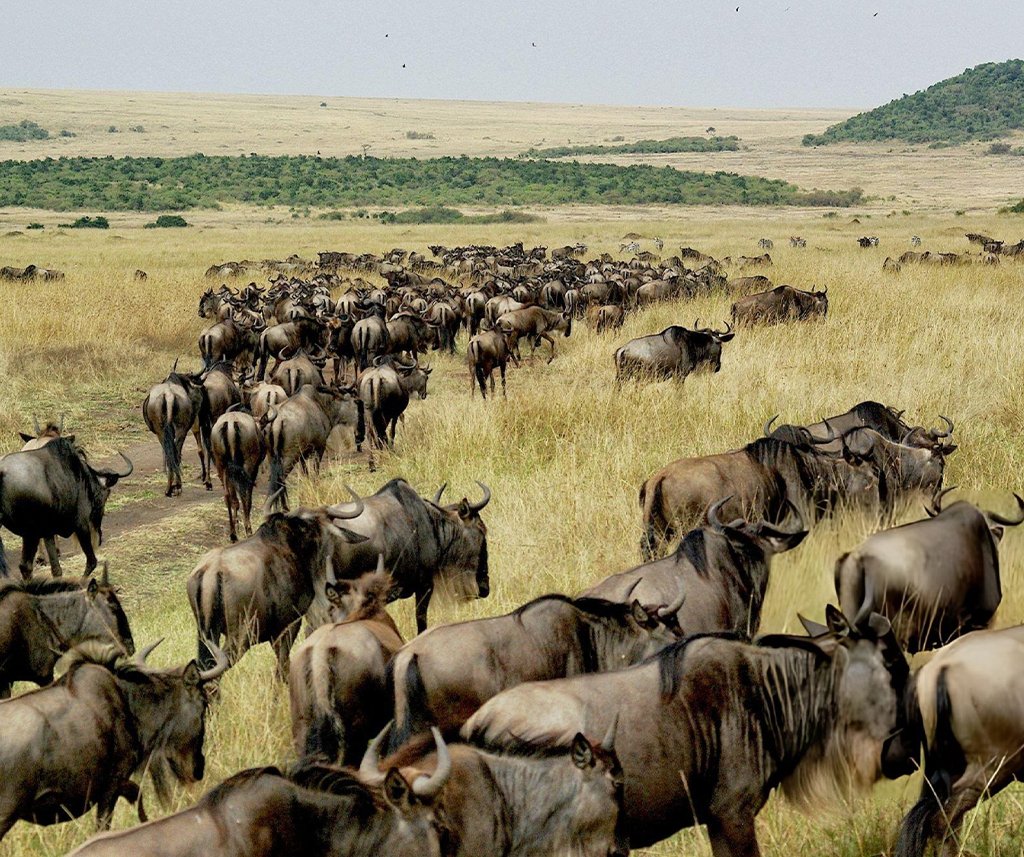
To see why many consider the rainy months the worst time to visit Masai Mara, compare them to the dry peak season from July to October. During the dry months, vegetation thins out, water sources dry up, and over 1.5 million wildebeest and zebras arrive for the Great Migration. Wildlife viewing during this window is virtually effortless.
The Green Season Plot Twist: Why “Worst” Is Relative
Despite the bad reputation, calling April and May the absolute worst time to visit Masai Mara comes with a compelling plot twist. In safari travel, one traveler’s worst season is another traveler’s ideal getaway. The rainy months—known as the “Green Season”—offer distinct benefits:
-
Unrivaled Solitude: During peak months, popular animal sightings draw dozens of vehicles. In April and May, you can drive for hours without seeing another vehicle, granting an intimate connection with nature.
-
Birthing Season: The rains trigger a birthing boom for herbivores. The plains fill with newborn antelopes, zebras, and gazelles, attracting predators and creating dramatic wildlife action.
-
Photographic Drama: The dust clears, giving way to crisp air and dramatic storm clouds. The contrast between dark skies and vibrant green plains produces striking photography.
-
Massive Cost Savings: High-end lodges slash their rates drastically during the low season. Flight prices and safari packages become significantly cheaper.
Final Verdict: Is It Really the Worst Time?
Ultimately, whether April and May represent the worst time to visit Masai Mara depends entirely on your travel preferences. If your primary goal is witnessing dusty river crossings, avoiding rain, and enjoying effortless game drives, you should avoid the long rains. However, if you are an adventurous traveler who values exclusivity, dramatic landscapes, and luxury stays at a fraction of the cost, the green season may turn out to be your favorite time to explore Kenya.