How Much to Tip on Safari? Rules for Gratuities in Africa
Knowing how much to tip on safari can feel like navigating unchartered waters, but a clear baseline makes the process seamless: plan to tip your lead safari guide $10 to $20 USD per guest per day and allocate roughly $5 to $10 USD per guest per day into a communal camp box for the behind-the-scenes lodge staff. Behind these numbers lies a deep tradition of African hospitality, respect, and gratitude that transforms a standard holiday into an extraordinarily rich human connection.
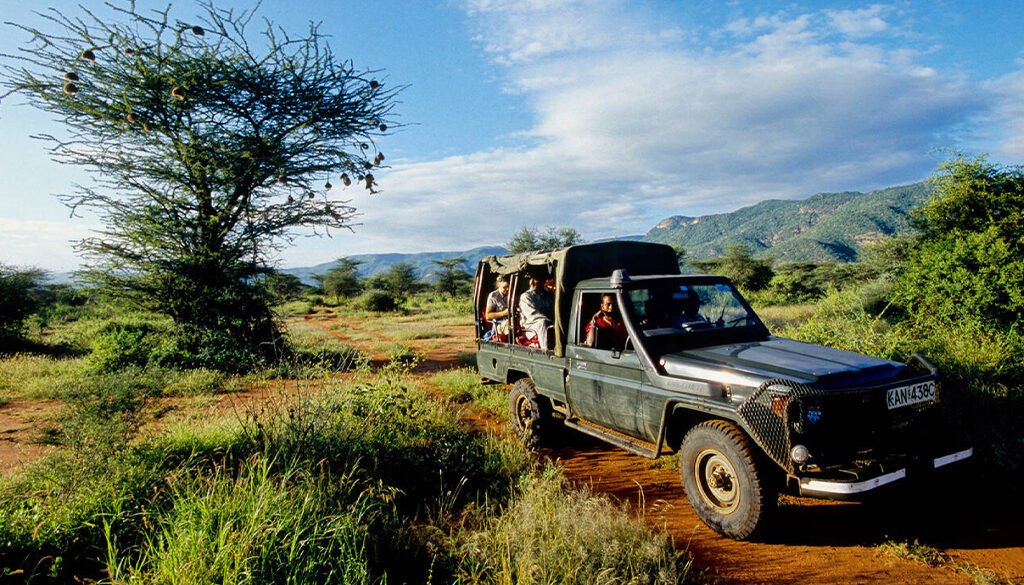
Understanding tipping on safari starts with appreciating the effort behind every wilderness adventure. Imagine waking up before dawn to the distant roar of a lion, stepping out of your canvas tent into the crisp morning air, and finding a piping hot cup of fresh coffee waiting for you. Within minutes, your driver-guide has inspected the custom 4×4 vehicle, mapped out the morning’s game drive based on overnight animal tracks, and prepared to lead you into thousands of acres of untamed wilderness.
Tipping on Safari: Quick Reference Guide
Tipping rates scale slightly based on your safari tier (Budget, Mid-Range, or Luxury). All figures below are standard industry baselines:
Role / Staff Member | Suggested Tip (USD) | Tipping Method |
Head Safari Guide | $10 – $20 per guest / day | Direct cash in envelope |
Safari Tracker / Spotter | $5 – $10 per guest / day | Direct cash in envelope |
General Camp & Lodge Staff | $5 – $10 per guest / day | Communal tip box at lodge |
Personal Butler (Luxury Camps) | $10 – $15 per guest / day | Direct cash in envelope |
Transfer Drivers | $3 – $5 per transfer | Direct cash |
The Extraordinary Role of Your Safari Guide
Your safari guide is not merely a driver. They are a master natural scientist, a skilled navigator, a captivating storyteller, and above all, your primary protector in environments where danger is very real. Over the course of twelve to fourteen hours every day, they read the subtle language of the African bush—the sudden alarm call of a vervet monkey, the fresh imprint of a leopard’s paw in the dust, or a shifting wind that signals a herd of elephants nearby.
When you spot a rare predator concealed deep within the acacia brush, it is entirely thanks to their sharp eyes and years of dedicated study. For service of this extraordinary caliber, a direct gratuity to your lead guide is the global industry gold standard. If you have a dedicated tracker sitting on the front bonnet seat scanning the terrain with incredible precision, a tip of $5 to $10 per guest daily is an appropriate and deeply appreciated gesture of recognition for their indispensable work.
Unsung Heroes: The Behind-the-Scenes Lodge Staff
However, the magic you experience out on the open savannah is only half of the story. Back at your lodge or mobile tented camp, an entire invisible army works endlessly around the clock to make the harsh wilderness feel like a luxury sanctuary.
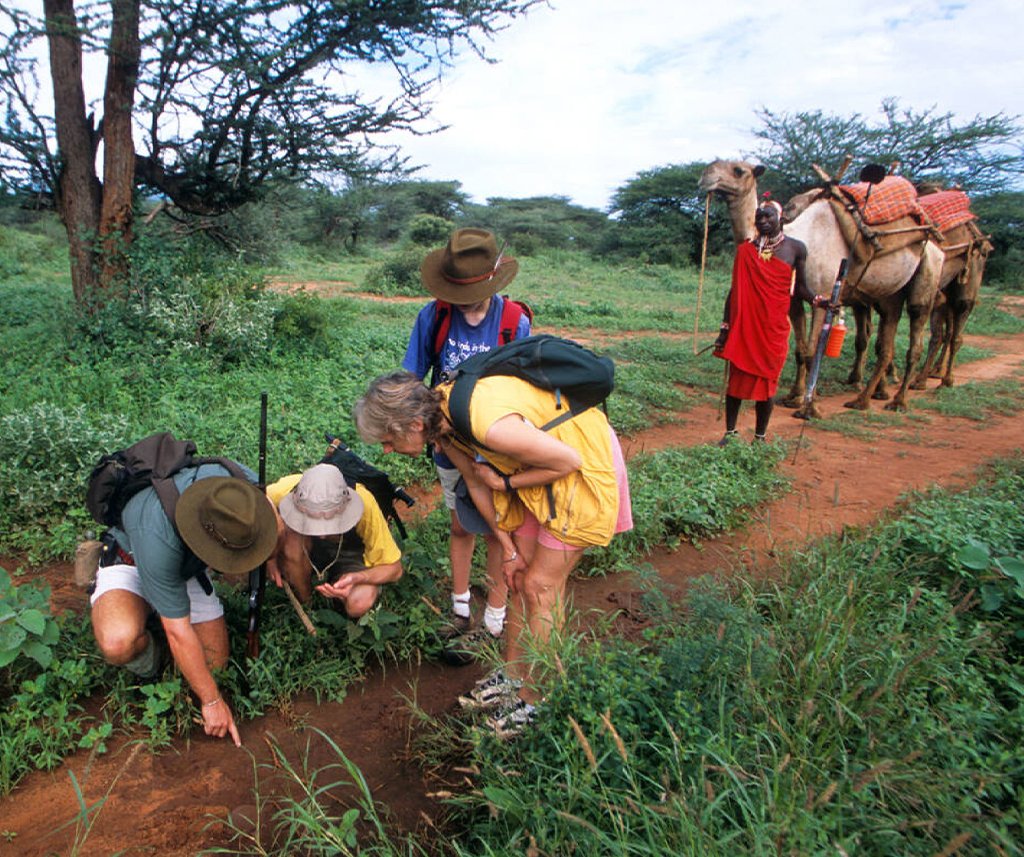
While you are out searching for the Big Five, housekeepers are refreshing your suite, laundry attendants are washing and ironing your clothes, kitchen chefs are preparing gourmet multi-course meals using fresh local ingredients, and night watchmen (often local Maasai or Samburu warriors) are guarding the perimeter paths to ensure wild hippos or hyenas do not wander near your walkway.
To reward these unsung heroes, nearly every reputable safari property provides a central communal tipping box, usually located at reception, the main lounge, or the dining mess tent. Placing $5 to $10 per guest per day into this central box ensures that every individual—from the kitchen dishwasher to the maintenance crew fixing the generator—receives a fair share of your appreciation.
Essential Cash Rules for Tipping on Safari
When navigating the logistics of tipping on safari, cash is the undisputed king across the continent. While high-end safari lodges accept credit card payments at checkout for bar tabs or boutique souvenirs, relying on electronic payment systems for staff tips is not recommended. Remote lodges frequently suffer from unstable internet connectivity, and credit card processing fees can eat away at the money intended for the workers. Direct cash tips reach the staff immediately, allowing them to support their families without administrative delays.
The preferred currency across major safari destinations in East and Southern Africa—including Kenya, Tanzania, Botswana, Zimbabwe, South Africa, and Zambia—is the US Dollar (USD). However, there is a strict rule regarding American currency in Africa: bills must be clean, uncreased, untorn, and printed in the year 2013 or later. Banks across the continent strictly reject older or worn foreign currency due to historic counterfeiting concerns, so local staff will be unable to exchange older notes. Tipping in local currency—such as Kenyan Shillings, Tanzanian Shillings, or South African Rand—is also warmly welcomed and saves staff a trip to the currency exchange.

Proactive Preparation for Travel Day
To make your journey smooth and stress-free, prepare your tipping cash well in advance before leaving major hub cities or international airports. Automated teller machines (ATMs) and bank branches are non-existent once you take off on a bush plane toward remote national park airstrips.
A great practical rule when managing tipping on safari is to pack a stack of crisp, small-denomination bills ($1, $5, $10, and $20 notes), along with a handful of small paper envelopes. At the end of each leg of your safari, or on your final morning at a lodge, you can discreetly hand an envelope directly to your guide with a personal word of thanks, and slip the communal tip into the staff box.
Etiquette and the Impact of Your Generosity
While these monetary guidelines offer a clear framework for tipping on safari, gratuities remain fundamentally discretionary. A tip is an expression of genuine gratitude for personal care, warmth, and dedication, rather than an obligatory tax. Safaris are deeply intimate journeys where guests and lodge staff build authentic emotional connections over early morning bush breakfasts and fireside stories under starry African skies. The financial tip you leave directly supports local families and rural communities, often funding education, healthcare, and home building in regions where eco-tourism serves as the primary economic lifeline.
By coming prepared with the right currency, clear expectations, and an open heart, you can navigate safari tipping with effortless confidence, allowing you to focus entirely on the breathtaking landscapes, wild encounters, and unforgettable moments that make an African journey one of the most transformative travel experiences on Earth.