Facts About the Hinde’s Babbler
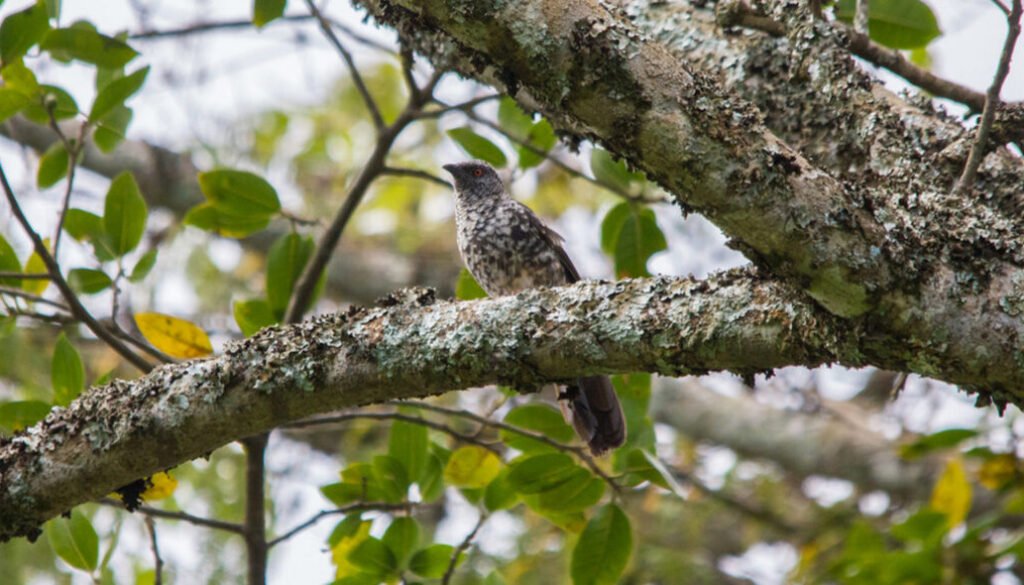
One of the most defining facts about the Hinde’s Babbler is its extremely limited distribution. This bird is endemic to the central highlands of Kenya, primarily found in areas around Mount Kenya, the Aberdare Range, and the Machakos district. Unlike many other avian species that migrate across borders, the Hinde’s Babbler remains within a tiny geographical footprint. This restricted range makes the species highly vulnerable to localized environmental changes.
Essential Facts About the Hinde’s Babbler
- Common Name: Hinde’s Babbler
-
Scientific Name: Turdoides hindei
-
Type: Bird (Passerine)
-
Diet: Omnivore (Insects, larvae, and small fruits)
-
Average Life Span in the Wild: Approximately 5 to 8 years
-
Size (Head and Body): 20 to 22 cm
-
Weight: 65 to 75 grams
Polymorphic Plumage: A Visual Puzzle
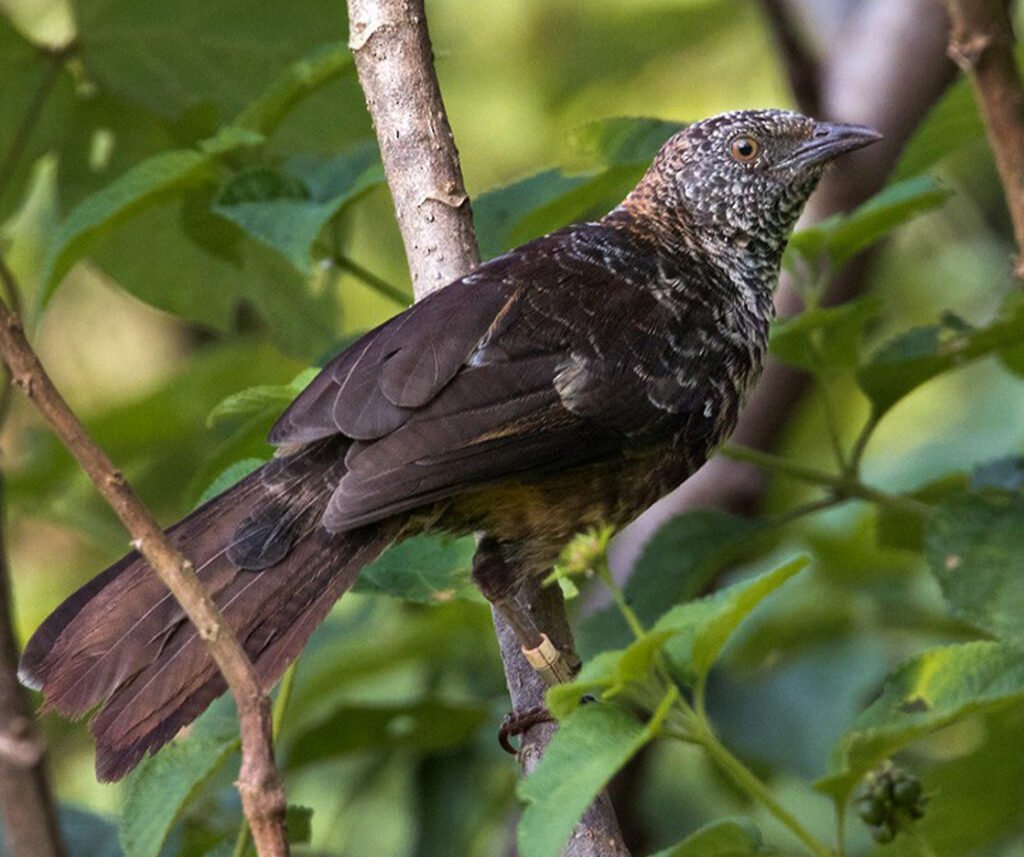
Unlike many birds that have a uniform look, the Hinde’s Babbler displays significant plumage variation. This is known as polymorphism. While most individuals feature a mottled brown and white appearance with scaly patterns on the throat and breast, some can appear much darker or lighter than others in the same group. This can sometimes make identification a challenge for novice birders, though their bright orange-yellow eyes remain a consistent identifying feature.
Highly Social and Cooperative Breeders
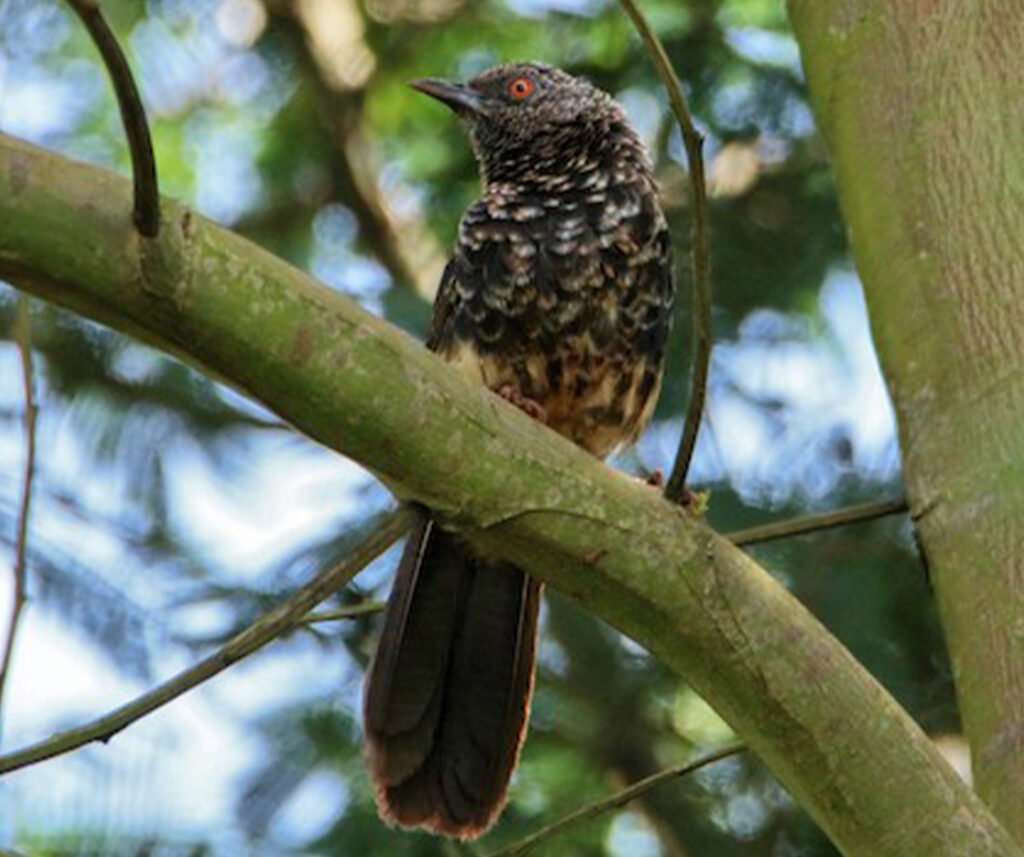
Social structure is a core component of the facts about the Hinde’s Babbler. These birds are rarely seen alone; they live in small, noisy groups of three to eight individuals. They exhibit “cooperative breeding,” a fascinating behavior where older offspring or non-breeding adults help the dominant pair raise their chicks. This “it takes a village” approach increases the survival rate of the young in a landscape filled with predators like hawks and snakes.
Vocal Complexity and Mimicry
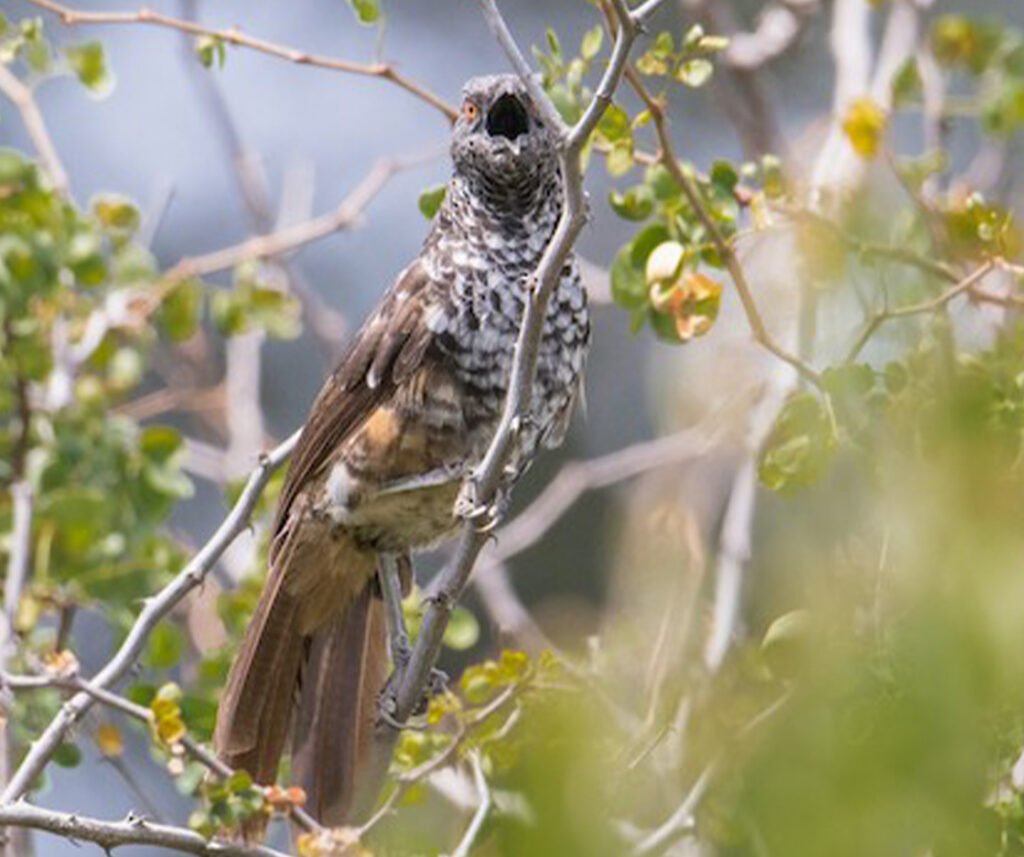
The name “Babbler” is no accident. These birds are incredibly vocal, maintaining constant communication with their group through a series of harsh, chattering calls. Their vocalizations serve as a social glue, keeping the group together as they forage through dense undergrowth where visual contact is difficult. When threatened, the entire group will erupt in a synchronized alarm chorus to harass or confuse a potential predator.
Diet and Foraging Habits
As omnivores, Hinde’s Babblers have a diverse palate. Most of their time is spent on the ground or in the lower strata of bushes, tossing leaf litter aside with their sturdy beaks to find beetles, grasshoppers, and ants. When insects are scarce, they supplement their diet with wild berries and seeds. This varied diet allows them to survive in fragmented habitats where specific food sources might fluctuate seasonally.
The Struggle Against Habitat Loss
Perhaps the most sobering of the facts about the Hinde’s Babbler is its status on the IUCN Red List. Currently classified as Vulnerable, the primary threat is the conversion of its scrubland habitat into agricultural land. As human populations expand in Central Kenya, the riverine thickets the birds rely on are being cleared for coffee, tea, and subsistence farming. Conservation efforts are now focused on encouraging “bird-friendly” farming practices and protecting the remaining corridors of natural vegetation.
How to Spot the Hinde’s Babbler
If you are looking to see this bird in the wild, patience is key. Because they stick to dense cover, you are likely to hear them before you see them. Listen for a loud, rhythmic cha-cha-cha coming from the middle of a thicket. The best locations for a sighting include:
-
Mwea National Reserve: A stronghold for the species.
-
Wajee Nature Park: Located near Mukurwe-ini, this is a dedicated sanctuary for the bird.
-
Riverine valleys in Thika and Murang’a: Private lands that still hold patches of indigenous scrub.