Conservation Safari in Kenya: Hands-On Travel with Real Impact
A true conservation safari in Kenya isn’t about sitting passively in a cushioned vehicle while the savanna passes you by, nor is it about snapping pictures for a digital album. It is about stepping directly into the field, working alongside field biologists and indigenous trackers, and becoming an active participant in preserving one of the most vital natural landscapes on Earth.
When you choose hands-on travel, your presence shifts from being a mere spectator to becoming an engine of survival for endangered species, fragile ecosystems, and local communities.
Quick Overview: What Makes a Conservation Safari Different?
Feature | Traditional Safari | Conservation Safari in Kenya |
Primary Focus | Passive wildlife viewing & luxury relaxation | Active research, wildlife protection & field stewardship |
Daily Activities | Standard morning/evening game drives | Telemetry tracking, camera trap monitoring & snare removal |
Community Impact | Indirect revenue via park entrance fees | Direct funding for local conservancies, schools & healthcare |
Expert Guides | Traditional tour guides | Field biologists, veterinary teams & indigenous rangers |
1. Bridging Modern Science and Travel
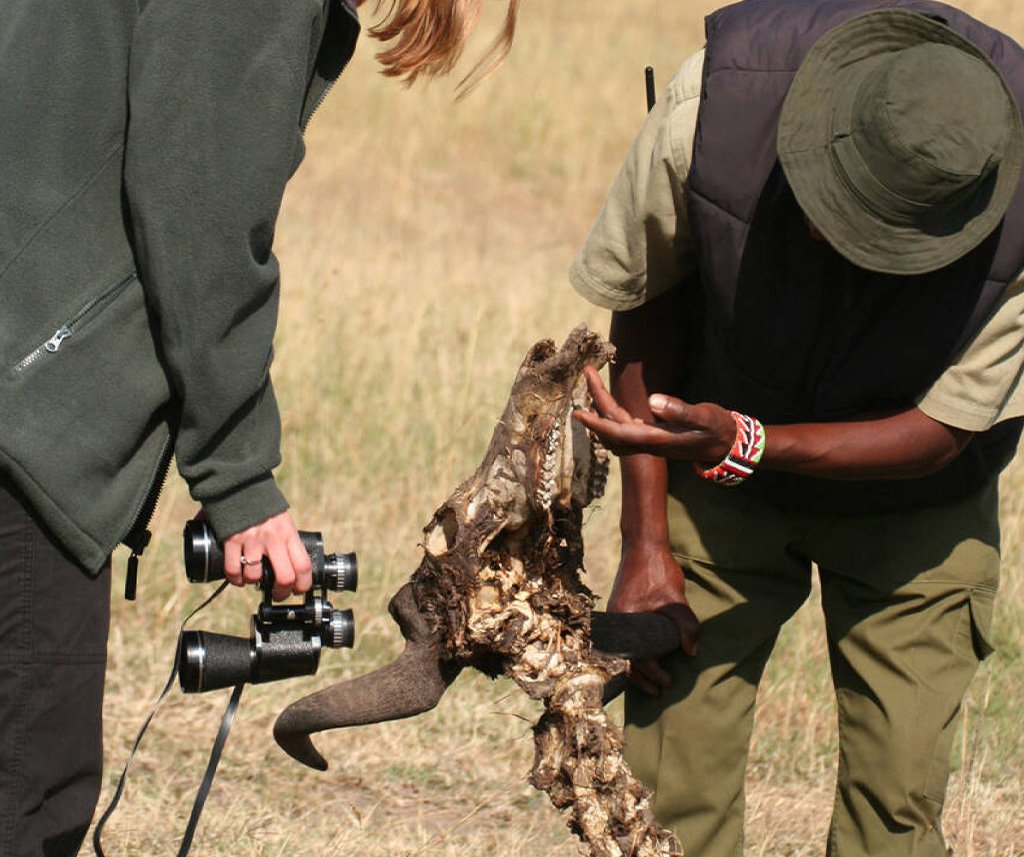
Kenya has long been celebrated as the birthplace of the modern safari, but behind its legendary vistas of sweeping grasslands and dramatic acacia skies lies a continuous, urgent struggle for survival. Species like the black rhinoceros, the African elephant, and the cheetah face relentless pressures from habitat loss, human-wildlife conflict, and climate change.
For decades, traditional tourism generated revenue that helped protect national parks, but modern conservation requires active land stewardship, constant scientific monitoring, and deep community integration. That is precisely where a conservation safari in Kenya comes into play, bridging the gap between high-impact field science and purposeful exploration.
2. Hands-On Field Research and Tracking
Imagine waking up before the first light touches the horizon, not to sip coffee on a quiet veranda, but to join a team of wildlife researchers heading into the bush. Instead of simply looking for a pride of lions to photograph, you are equipped with telemetry receivers, tuning into the radio frequencies of satellite collars to map the pride’s territorial boundaries.
You learn to read the subtle signs written in the dust—the fresh turn of a print, a broken twig, or the call of a starling warning of a predator nearby. Every piece of data you help collect feeds directly into long-term scientific databases used by conservationists to mitigate human-wildlife conflict before it starts. By understanding where lions move in relation to local livestock herds, researchers can alert pastoral communities in real time, keeping both livestock and apex predators safe.
3. Frontline Protection for Endangered Rhinos
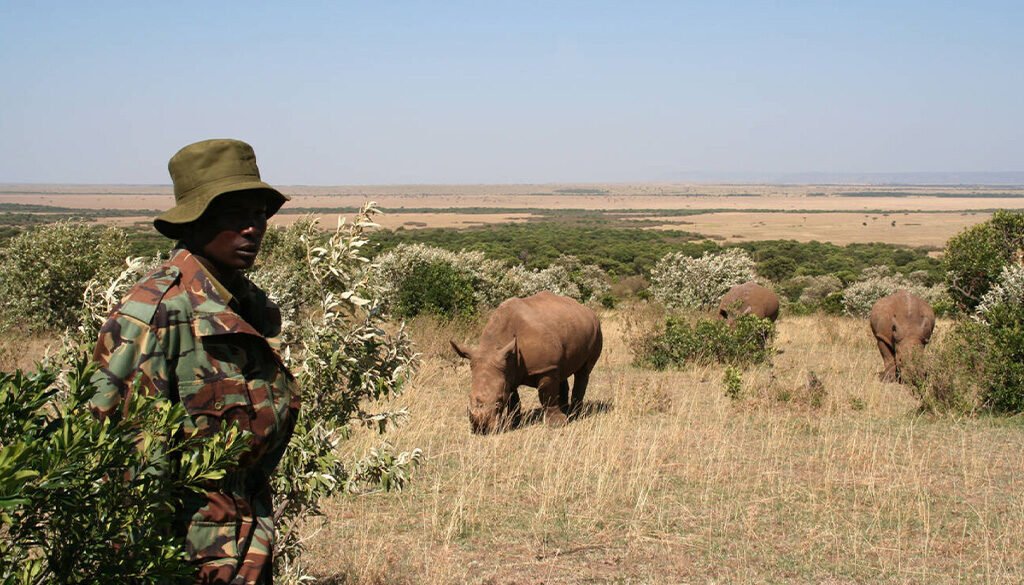
In places like the Laikipia Plateau and the Lewa Wildlife Conservancy, participants on a conservation safari in Kenya step directly into the world of rhinoceros protection. Here, you might spend a morning monitoring critically endangered black rhinos alongside dedicated ranger units who patrol the sanctuary around the clock.
You learn how individual rhinos are identified by their unique ear notches and horn shapes, helping record sightings that confirm health, breeding status, and calf survival rates. In specialized programs, travelers even support veterinary interventions—assisting under strict professional supervision when wild animals need to be collared, microchipped, or treated for injuries. Standing feet away from a tranquilized, multi-ton giant as a veterinarian works to safeguard its future permanently rewires how you view our connection to the natural world.
4. Community-Led Conservancies Are the Backbone
The true backbone of Kenya’s modern conservation success story isn’t just technology or scientific tracking; it is community ownership. In regions like the Northern Rangelands and the greater Maasai Mara ecosystem, private land and national parks are connected by vast networks of community conservancies.
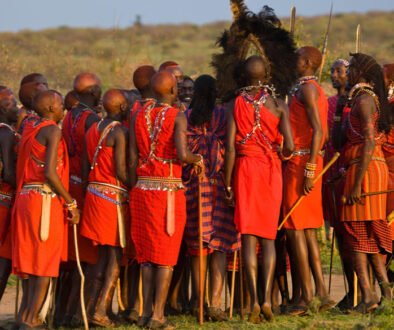
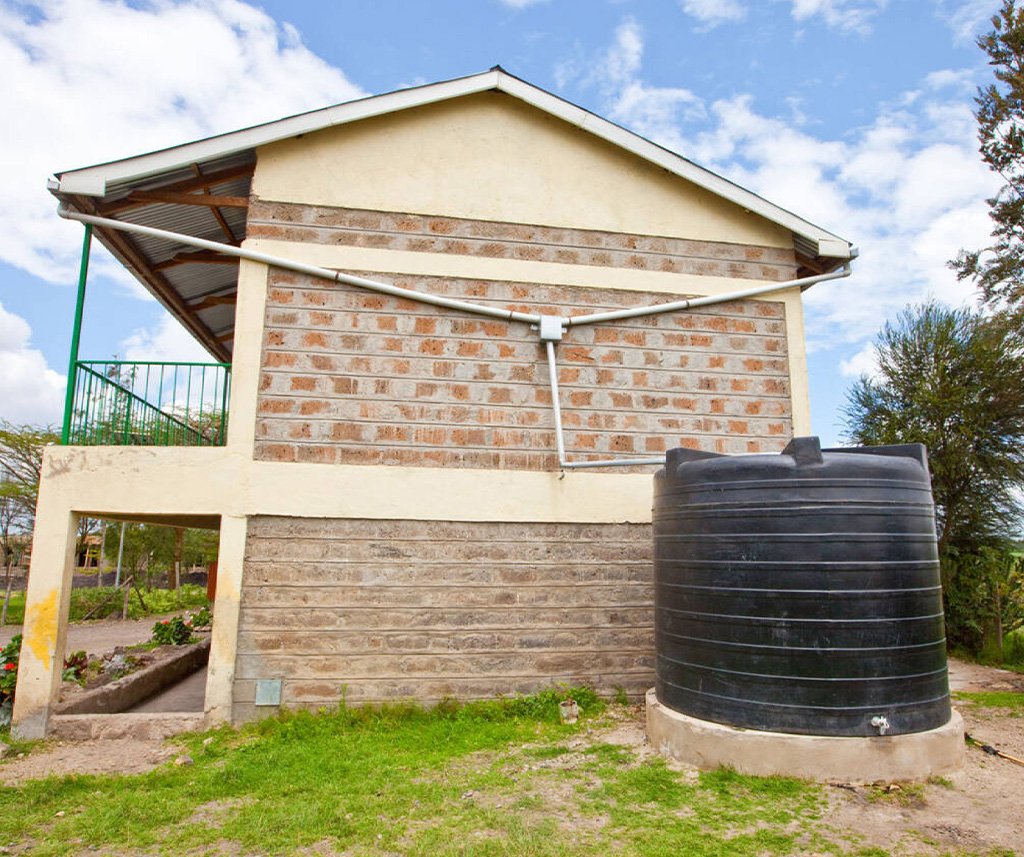
This model represents a revolutionary shift in land management. Indigenous pastoralists, such as the Maasai and Samburu, lease their ancestral lands for wildlife management and low-impact tourism. In return, revenue from every conservation safari in Kenya directly funds community priorities, including clean water infrastructure, medical clinics, schools, and sustainable livestock management programs.
5. Learning from Indigenous Knowledge
When you participate in a conservation safari in Kenya, you are invited into this human story as well. You sit with elders to learn how generations of traditional knowledge are being combined with modern ecological science.
You walk with Samburu and Maasai rangers who were once cattle herders or hunters, but are now the proud guardians of their native fauna. You quickly realize that wildlife cannot survive in isolation behind fenced reserves. Animals require open, connected migration corridors to thrive, and those corridors only remain open when the local people who live alongside wildlife see tangible, daily benefits from their protection.
6. Essential Labor, Not Staged Shows
The work on a conservation safari in Kenya is diverse, grounded, and deeply rewarding. Depending on the season and region, your day might involve setting up and reviewing motion-activated camera traps to map elusive nocturnal creatures like leopards and pangolins.
You might participate in reforestation projects, planting indigenous trees along degraded riverbanks to protect vital watersheds. You might join elephant researchers in tracking family structures, documenting individual behavioral patterns, or helping clear illegal wire snares hidden in the thickets. Nothing about this work is staged for show. It is real, essential labor, and your direct contribution—both financially and physically—helps lighten the workload of underfunded field teams working against the clock.
7. A Lasting Footprint of Hope
As the afternoon heat softens and the savanna begins to glow in hues of amber and gold, the pace of the day shifts, but the purpose remains unchanged. Evening debriefs around the campfire are filled with meaningful conversations about ecological balance, anti-poaching logistics, and the future of human-nature coexistence.
You fall asleep to the distant roar of a lion or the cry of a hyena, knowing that the cost of your journey didn’t just pay for a bed, but directly funded the salary of a local ranger, the fuel for a patrol vehicle, or the education of a child in a neighboring village. Travel has the power to consume landscapes, or it has the power to restore them. Hands-on conservation safaris in Kenya prove that when travel is designed around purpose, respect, and active participation, it becomes one of the most powerful tools for global good. When you leave, you carry away far more than memories; you leave behind a living, lasting footprint of hope.